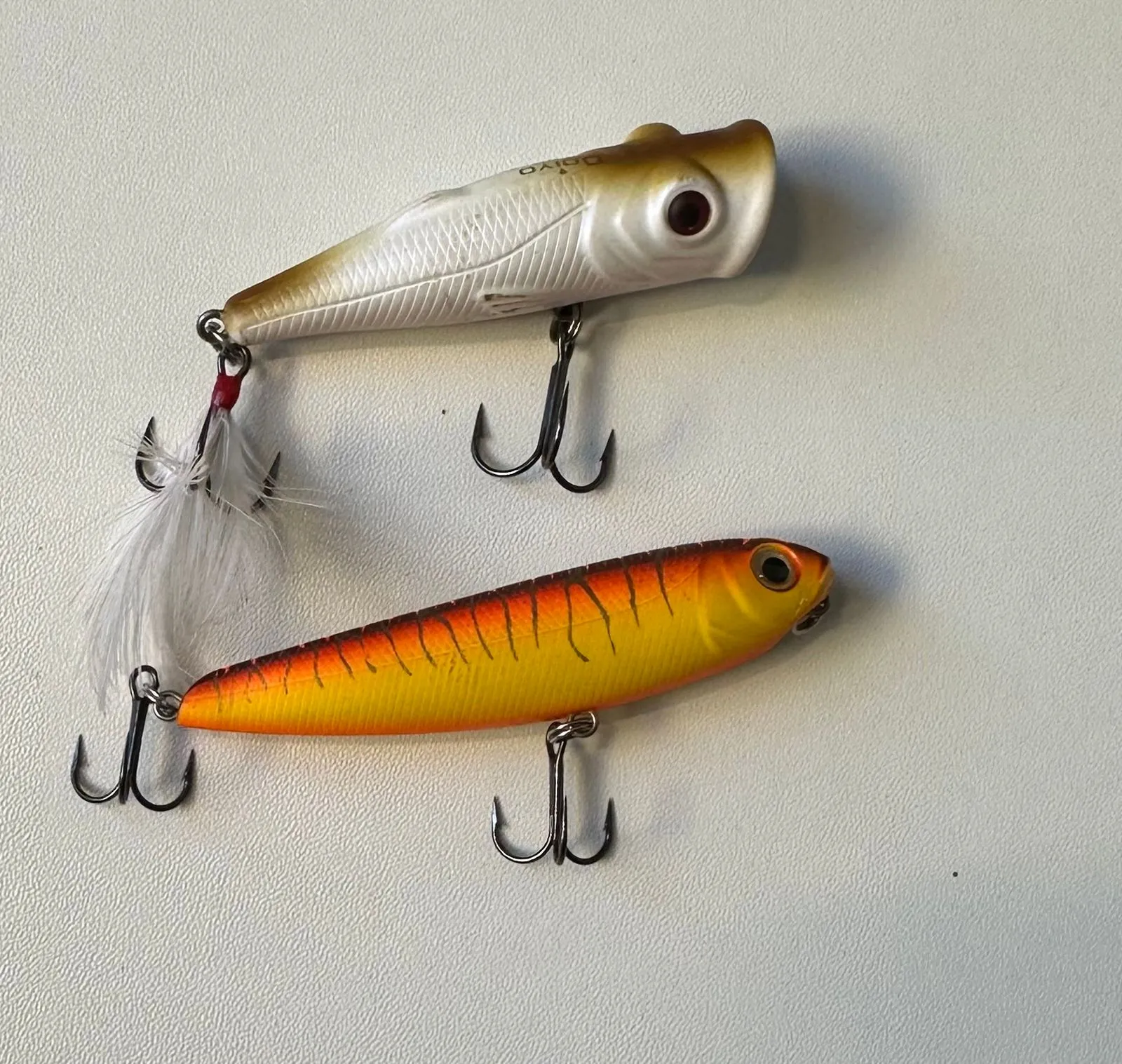
The best bass lure depends on the water temperature: the eighteen Bassmaster Elite Series events of 2025 and 2026 were won on ten different kinds of bait. Bass eat different things in 45 °F and 80 °F water, on a spawning flat and on a summer ledge, and the anglers who fish for money change lures to match. These picks rest on the winners’ own tackle lists, Kevin VanDam’s six-season water-temperature framework and the reviewers’ 2026 lists; none of the lures was tested for this page.
With the sonar screens off at Guntersville in 2026, Hank Cherry won on a 3 in curl-tail grub, “a bait that’s older than much of the field,” as he put it.
Which five lures should you buy first?
For one rod and about $55, in the order the year arrives:
- A pack of Yamamoto 5 in Senkos in green pumpkin ($7.99), with 3/0 extra-wide-gap hooks and 1/0 wacky-rig hooks, for spring to fall anywhere.
- A Z-Man 1/2 oz JackHammer in green pumpkin shad ($19.99, or the cheaper Elite EVO): the pre-spawn grass bait.
- A Strike King KVD 1.5 in a craw color ($9.99) for spring banks and laydowns.
- A bag of Z-Man Finesse TRDs and two 1/10 oz ShroomZ heads (about $12) for clear, cold or hard-fished water and every smallmouth lake.
- A Heddon Super Spook in bone ($9.99) for the first calm morning after the spawn.
Then add a bag of 5 in Zoom Super Flukes ($5.79), the chatterbait’s trailer and the herring-lake bait. Under 50 °F, add the jerkbait.
Which lure for which season?
The season table is Kevin VanDam’s, published by Bassmaster: his water-temperature bands, the lure families he names for each, and the pick from this page that fits. The bands are for largemouth. Smallmouth spawn a little later, at 60–65 °F (16–18 °C). They feel summer heat ten degrees sooner, above about 75 °F (24 °C). The bass water temperature page sets that out reading by reading, and the largemouth bass page has the biology behind the bands.
| Season | Water temperature | Where the bass are | VanDam’s lures | The pick |
|---|---|---|---|---|
| Winter | ≤48 °F (9 °C) | Main-lake bluffs, channel drops, timber | Suspending jerkbaits, grubs, jigs, spoons | Vision Oneten with long pauses; a finesse jig, or the Ned rig on rock |
| Pre-spawn | 48–55 °F (9–13 °C) | Vertical structure next to spawning flats | Deep crawfish crankbaits, slow-rolled spinnerbaits, lipless crankbaits | ChatterBait JackHammer over emerging grass; the jerkbait on rock |
| Spawn | 55–70 °F (13–21 °C) | Flat, protected shallows | Tubes and floating worms in clear water, soft jerkbaits in stained | Senko weightless; Super Fluke; a tube for smallmouth beds |
| Post-spawn | 70–75 °F (21–24 °C) | Suspended near vertical cover | Topwater, spinnerbaits, baits high in the column | Super Spook; the fluke weightless where herring spawn |
| Summer | 75–90 °F (24–32 °C) | Humps, points, ledges; weeds | Crankbaits, weedless frogs, early topwater | KVD 1.5 on shallow cover; a deep crankbait or football jig on ledges; a drop shot for smallmouth |
| Fall | 75 down to 55 °F (24 down to 13 °C) | Following shad into the creeks | Willow-leaf spinnerbaits, shallow crankbaits | KVD 1.5; a spinnerbait; the Spook when they school |
The bass fishing hub carries the same season pattern for all three bass you will meet.
What won the Elite Series in 2025?
| Event | Month | Winner | Winning lures |
|---|---|---|---|
| St. Johns River, Florida | January | Bill Lowen | 3/8 oz jig and 5/16 oz swim jig in blue craw |
| Lake Okeechobee, Florida | February | Brandon Palaniuk | Megabass crankbait diving 10–12 ft (3–3.7 m); Megabass Big-M 4.0; Kanata jerkbait |
| Pasquotank River, North Carolina | April | Kyle Welcher | CrushCity Bronco Bug, Texas-rigged on a 4/0 hook and 1/4 oz tungsten |
| Lake Hartwell, Georgia | April | Paul Marks | Zoom Fluke Stick on a 5/0 hook; 3/16 oz shaky head with a Fluke Stick Jr.; weightless Zoom Super Fluke |
| Lake Fork, Texas | May | Tucker Smith | 3/4 oz Picasso tungsten football jig with a Yamamoto Yama Craw; 1/4 oz ball-head jig; Bill Lewis Scope Stik |
| Sabine River, Texas | May | Pat Schlapper | 3/8 oz compact finesse jig with a Big Bite chunk; Fighting Frog Jr.; Brazalo buzzbait |
| Lake Tenkiller, Oklahoma | June | Wes Logan | 1/2 oz Z-Man ChatterBait JackHammer with a Zoom Shimmer Shad; Ark flipping jig with a Zoom Super Chunk |
| Lake St. Clair, Michigan | August | Trey McKinney | 6th Sense Shindo Shad 6.0 on a 3/16 oz jig; a prototype finesse bait on a 1/32 oz nail weight |
| Mississippi River, Wisconsin | August | Pat Schlapper | Big Bite Jerk Minnow on a 5/0 hook; SPRO Bronzeye Frog 65 |
The pattern is the season: jigs and jerkbaits in the cold months, Texas rigs, flukes and shaky heads through the spawn, a chatterbait and a football jig in early summer, swimbaits and frogs in August. That is nine events and seven lure families. At Tenkiller, a Texas-rigged soft plastic was on 60% of the final-ten rods.
What won in 2026, when the sonar went off?
The 2026 season split its nine events in two. Forward-facing sonar was banned at four of them: Guntersville, the Tennessee-Tombigbee, Santee Cooper and Champlain. It was allowed at the others, the Arkansas River and Pasquotank among them. The table reads like an experiment on what the sonar had been hiding.
| Event | Month | Winner | Winning lures |
|---|---|---|---|
| Lake Guntersville, Alabama | February | Hank Cherry | 3 in hand-poured curl-tail grub, chartreuse and silver, on a 1/8 oz jighead, swum along grass edges; BassMooch HC 115 jerkbait |
| Lake Martin, Alabama | February | Fisher Anaya | CrushCity Freeloader minnow on a 1/4 oz jighead over rock piles in under 10 ft (3 m); a dice-style bait on a 1/32 oz nail weight |
| Tennessee-Tombigbee Waterway, Mississippi | March | Jason Christie | 1/2 oz BOOYAH single-Colorado spinnerbait; 1/2 oz Mobster swim jig with a 3.25 in YUM Craw Chunk; YUM Wooly Bug flipped on a 4/0 hook and 3/8 oz tungsten |
| Arkansas River, pools 15–17 | April | Jacob Foutz | Burtek Cranking Bug, Texas-rigged on a 5/0 hook and 3/8 oz weight, to bedding fish on a gravel bank; 6 in Megabass Magdraft swimbait for roaming fish |
| Lake Murray, South Carolina | May | Paul Marks | Zoom Super Fluke, weightless on a 5/0 round-bend hook, chartreuse; SPRO Little John 50 squarebill on riprap on the final day |
| Santee Cooper Lakes, South Carolina | May | Chris Johnston | Hideup Coike Fullcast urchin bait on a No. 1 treble with a 1/8 oz tungsten nail sinker, skipped and pitched to main-lake docks in under 10 ft |
| Pasquotank River, North Carolina | June | Jason Christie | Urchin-style bait on a 2/0 double frog hook with a 1/8–3/8 oz drop-shot weight, on one current-swept dock; YUM Mother Bug flipped on a 5/0 hook and 3/8 oz |
| Lake Champlain | August | Bryan Schmitt | SPRO Bronzeye Poppin’ Frog; SPRO RkCrawler 55 crankbait; Missile Baits Magic Worm on a drop shot with a 1/4 oz weight, over rock mixed with grass |
| St. Lawrence River, New York | August | Evan Kung | Drop shot: Great Lakes Finesse Vibra Bug on a No. 2 hook and 1/2 oz weight, on boulders in 20–40 ft (6–12 m); 3/8 oz Spy Bait 80 for distance |
Where the screens were off, the old lures came back. Hank Cherry won Guntersville on a grub, and Jason Christie won the Tennessee-Tombigbee on a spinnerbait, a swim jig and a Texas rig. Where the sonar was on, the jighead minnow and the drop shot ruled. A 20-year-old rookie won Lake Martin on a Freeloader minnow. Evan Kung won the St. Lawrence on a drop shot in 20–40 ft with 109 lb 9 oz, the heaviest all-smallmouth winning weight in Bassmaster history.
The bait of the year was none of those. Chris Johnston won Santee Cooper by 19 lb 12 oz on a Hideup Coike Fullcast. A month later Christie won Pasquotank on the same kind of bait, off a single dock. Bassmaster calls it an urchin-style bait, “the hottest new lure in bass fishing”: a round, spiky, buoyant Japanese soft bait on a treble hook. A nail weight pushed into it makes it sink slowly, hooks up. It skips under a dock like a wacky Senko and falls slower; that is the whole trick.
Which lure for the water in front of you?
Temperature says which season it is; the water in front of you says which lure. The color rules are Tyler Brinks’s, from his clarity guide on BassResource. The blade rule is Wired2Fish’s: Colorado blades for dirty, cold water and slow retrieves, willow blades for clear water and speed. The lure rules are what the two winning-lure tables keep repeating.
| Water | Shallow, 0–5 ft (0–1.5 m) | Mid, 5–15 ft (1.5–4.5 m) | Deep, 15 ft and more (4.5 m+) |
|---|---|---|---|
| Clear (bottom visible at 4 ft or more) | Weightless Senko or fluke; walking topwater at first light; green pumpkin and natural shad | Ned rig; suspending jerkbait in cold water; wacky Senko on beds | Drop shot; football jig; jighead minnow or spybait for fish suspended off the bottom |
| Stained (1–3 ft of visibility) | Squarebill in a craw color; chatterbait over grass; Texas rig in green pumpkin or black and blue | Spinnerbait slow-rolled; lipless crankbait; 3/8–1/2 oz jig | Deep crankbait on a ledge; 3/4 oz football jig; Carolina rig |
| Muddy (under a foot) | Single-Colorado spinnerbait in white or chartreuse; black-and-blue jig flipped tight to cover; chartreuse squarebill with a black back | Rattling lipless crankbait; 1/2 oz chatterbait in black | Fish shallower: a loud bait tight to the bank beats a quiet one deep |
| Cover | First lure | Second lure | Why |
|---|---|---|---|
| Submerged grass: hydrilla, milfoil, eelgrass | 1/2 oz chatterbait with a fluke trailer | Lipless crankbait ripped free | Both catch a stalk and tear loose; the jolt is the trigger, Z-Man’s own account of why the bait works |
| Matted grass, pads, duckweed | Hollow-body frog | Texas-rigged creature bait on 1–1.5 oz tungsten, punched through | The only two lures that fish over or through a mat |
| Laydowns, stumps, cypress | Squarebill crankbait | 3/8 oz jig or Texas-rigged craw, pitched | The square lip deflects off wood instead of snagging (Field & Stream); the jig goes where a crankbait cannot |
| Rock, riprap, gravel | Football jig with a craw trailer | Ned rig or tube; jerkbait in cold water | Crayfish live in rock, and a football head rolls over it instead of wedging |
| Docks | Wacky-rigged Senko, skipped | Swim jig; the urchin bait that won two 2026 events | Skips flat under the walkway and falls slowly in the shade |
| Open water, fish suspended | Jighead minnow (Freeloader-style) on 3/16–1/4 oz | Walking topwater or fluke when they school on the surface | What won Lake Martin and Lake St. Clair; what Paul Marks threw at Murray’s herring |
How do the picks compare?
The last five rows are the lures for smallmouth and spotted bass, further down the page.
| Lure | Size | Hooks | Price |
|---|---|---|---|
| Yamamoto Senko | 5 in | 3/0–4/0, weightless or wacky | $7.99 for ten |
| Z-Man ChatterBait JackHammer | 3/8, 1/2, 3/4 and 1 1/4 oz | 5/0 heavy-wire Gamakatsu | $19.99–21.99 |
| Strike King KVD 1.5 | 2.25 in; runs 3–6 ft (0.9–1.8 m) | Trebles | $9.99 |
| Zoom Super Fluke | 5 in | 5/0 extra-wide-gap | $5.79 a bag |
| Heddon Super Spook | 5 in, 7/8 oz | Three #4 trebles | $9.99 |
| Z-Man Finesse TRD on a ShroomZ head | 2.75 in; 1/15 or 1/10 oz head | Mushroom jighead | $5.49 for eight |
| Heddon Super Spook Jr. | 3 1/2 in, 1/2 oz | — | $9.99 |
| Megabass Vision Oneten | 4 1/3 in, 1/2 oz; runs about 6 ft (1.8 m) | Three Katsuage #6 trebles | $24.99 |
| Rapala Husky Jerk HJ10 | 4 in, 3/8 oz | — | From $8.49 |
| Zoom Salty Super Tube | 3 3/4 in | 1/8–1/4 oz jighead | — |
| Keitech Swing Impact FAT | 2.8 or 3.3 in | — | $7.69 a pack |
The picks in detail
Yamamoto Senko, 5 in
Gary Yamamoto’s mid-1990s stick bait is soft and salt-heavy, and it falls horizontally with what he calls “a continual vibration”. Weightless on a 3/0–4/0 hook, wacky-rigged or on a drop shot, it catches bass on the fall with no skill required. Wired2Fish picks it for its “high catch rate” at every level. Ten come in a pack for $7.99. The Senko page has the rigs, the soft plastics hub the family.
Z-Man ChatterBait JackHammer, 1/2 oz
The tournament bladed jig, built with Evergreen: a stainless hex blade over a 5/0 heavy-wire Gamakatsu hook. It comes in four weights, up to 1 1/4 oz. It won Tenkiller in 2025, and the cheaper Elite EVO was on the second-place rods at Lake Martin in 2026. Its case is the pre-spawn: bass on grass in 48–70 °F water, stained or windy, a straight retrieve, a fluke trailer. The chatterbait hub explains the model ladder.
Strike King KVD 1.5
A 2.25 in squarebill that runs 3–6 ft deep. Its square lip deflects off laydowns and riprap, and the deflection triggers the strike. It is Field & Stream’s squarebill pick, and it was the squarebill in second place at the Tennessee-Tombigbee in 2026. It costs $9.99, with 24 owner reviews on the retailer’s page. The squarebill page and the crankbait hub explain the rod that keeps the trebles in.
Zoom Super Fluke, 5 in
The soft jerkbait: a 5 in minnow fished weightless on a 5/0 extra-wide-gap hook with twitches of slack line, so it darts a foot to each side and glides. It is the only lure that won in both seasons, both times for Paul Marks: Lake Hartwell in 2025 and Lake Murray in 2026. The second time he fished it weightless in chartreuse over blueback herring. A bag is $5.79, with 11 owner reviews at the retailer, and it is the standard chatterbait trailer besides. The fluke page covers the rigs.
Heddon Super Spook
The walking bait, 7/8 oz on three trebles and a descendant of the 1939 Zara Spook. Twitched, it zigzags across the surface on post-spawn and summer mornings, in 65–85 °F water and low light. Wired2Fish picks it for its fixed lead tail and feathered rear treble. The Super Spook Jr., 1/2 oz at the same price, is the smallmouth and spotted bass size. The topwater hub covers the family.
Z-Man Finesse TRD on a Finesse ShroomZ head
The Ned rig as its inventors fish it: the original 2.75 in bait in buoyant ElaZtech on a light mushroom head, standing tail-up on the bottom. It goes on a 7 ft medium-light spinning rod, and eight cost $5.49. It is the lure for clear water, cold water and pressured fish. The Ned rig page has the history and the retrieves, the jigs and rigs hub the rest of the finesse box.
What changes for smallmouth?
Smallmouth eat crayfish first and live on rock, so the list shrinks and the line gets lighter. The smallmouth bass page has the biology.
In pre-spawn water of 48–55 °F (9–13 °C), a suspending jerkbait worked slowly over the first rock outside the spawning flats catches the biggest fish of the year. The Megabass Vision Oneten, 1/2 oz, runs about 6 ft (1.8 m) on three Katsuage trebles. It costs $24.99, with 21 owner reviews at the retailer. The Rapala Husky Jerk HJ10, at 3/8 oz, starts at $8.49. The jerkbaits page has the cadence, with the pause stretching to ten seconds near 40 °F.
On the beds, at 60–65 °F, throw a tube. Zoom’s 3 3/4 in Salty Super Tube is the maker’s own suggestion for smallmouth, “the smaller size on a jighead”. It goes on a 1/8–1/4 oz head.
In summer smallmouth drop to 15–30 ft (5–9 m) on humps and river-channel rock, and the Ned rig and the drop shot take over. Trey McKinney weighed the heaviest single day in B.A.S.S. history on the St. Lawrence in 2026: a 30 lb 11 oz limit on a drop shot. His fish came from 20–50 ft.
And spotted bass?
Spotted bass eat what smallmouth eat and live where largemouth live, with one habit of their own. In reservoirs they suspend over deep water and chase shad or blueback herring, as the spotted bass page explains. That is why Fisher Anaya won Lake Martin on a Freeloader minnow on a 1/4 oz jighead over rock piles in less than 10 ft.
Three lures carry a spotted bass year:
- A jighead minnow, or a small paddle-tail such as the Keitech Swing Impact FAT in 2.8 or 3.3 in ($7.69 a pack, 25 owner reviews at the retailer), for the suspended fish.
- A shaky head, Ned rig or drop shot on rock and current seams.
- The Super Spook Jr. or a weightless fluke when they push bait to the surface.
What rod and line do these lures need?
Every lure here assumes a rod and line that suit it. The jig, the chatterbait and the Texas rig want a 7 ft medium-heavy casting rod with 15–20 lb fluorocarbon. The squarebill and the topwater want a moderate-action rod with 10–14 lb mono. The Senko, the fluke, the tube and the Ned rig want a 7 ft medium-light spinning rod. Spool it with 10–15 lb braid to a 6–8 lb fluorocarbon leader. The rods and line hubs explain the matches.
The clarity table is the whole of color, and green pumpkin is the answer when one color has to do everything. The best fishing lures page is the same exercise for every freshwater fish; the best lures for largemouth bass page makes the same argument for one of them.
How we chose
Results first: which lures won or placed in the top ten at the eighteen Elite events of 2025 and 2026, from Bassmaster’s per-event top-lures galleries. Tournament tackle is the only public, dated record of what caught bass on a given water in a given week. Then coverage: between them, the picks had to span VanDam’s six seasons. Then the reviewers, Wired2Fish’s 2026 buyer’s guide and Field & Stream’s crankbait test, decided between comparable products.
Every size, weight, hook and price on this page is the maker’s or the retailer’s. None of the lures was fished for this page.
Related
Section guide
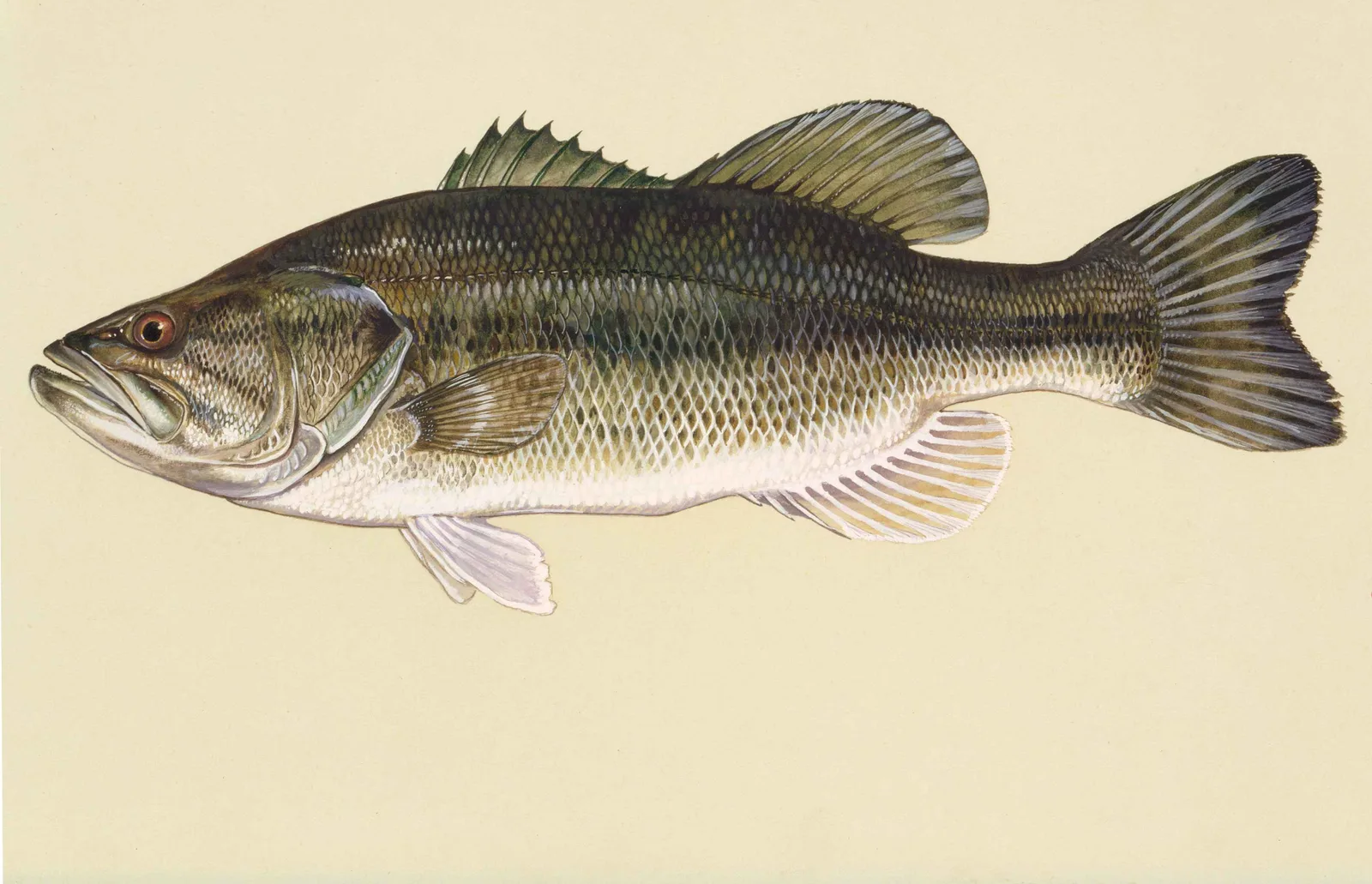
Bass Fishing: Where the Bass Are, What to Throw, and the Three Bass You Will MeetBass fishing from the angler's side: where largemouth, smallmouth and spotted bass are at each water temperature, what to throw first, how to tell them apart.
 Best Lures for Largemouth Bass: Seven That Cover Every Season
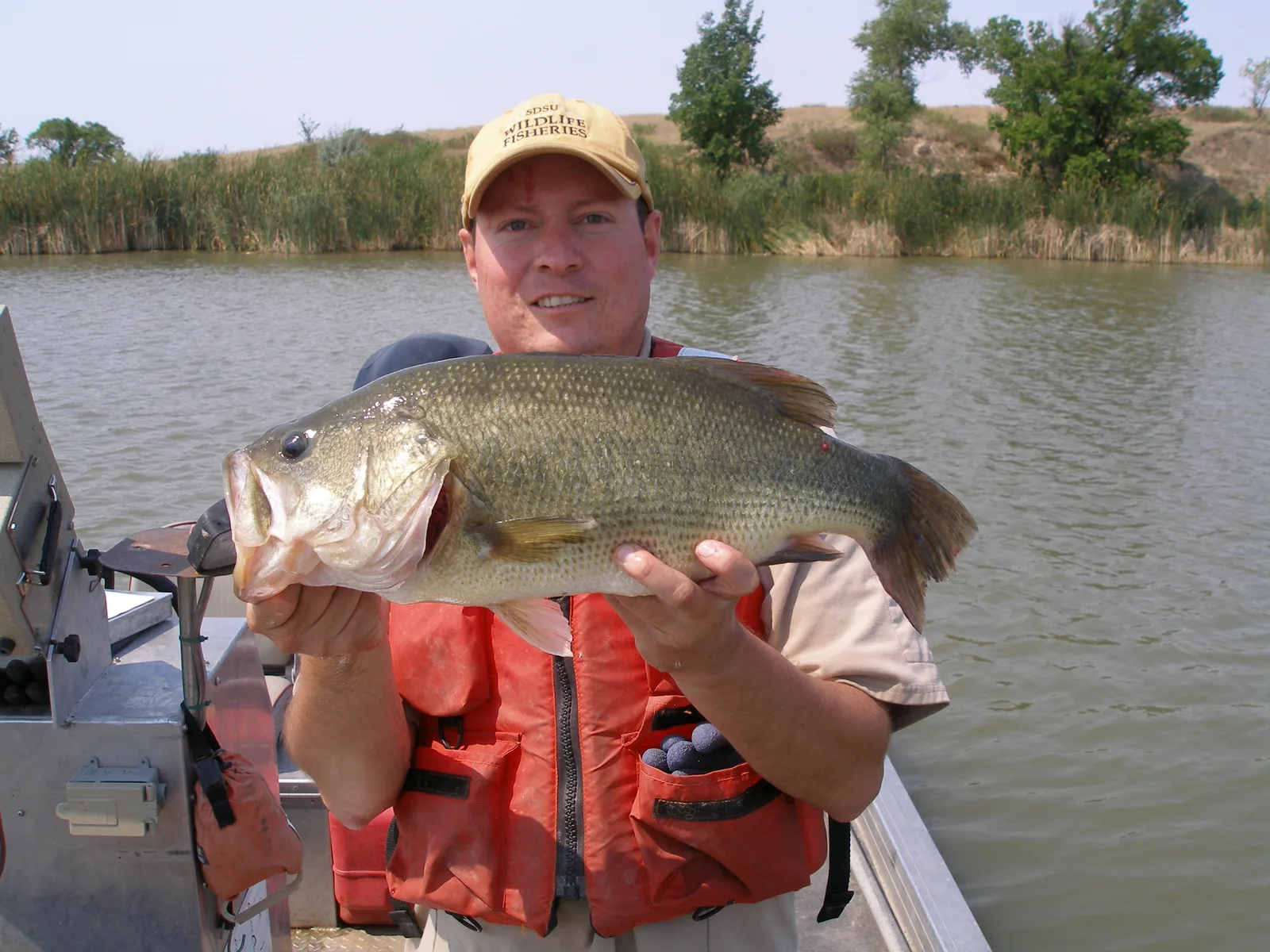
The best lures for largemouth bass by what they do: a Texas rig for cover, a jig for big fish, a spinnerbait and chatterbait for grass, a frog, a squarebill.
 Smallmouth vs Largemouth Bass: How to Tell Them Apart
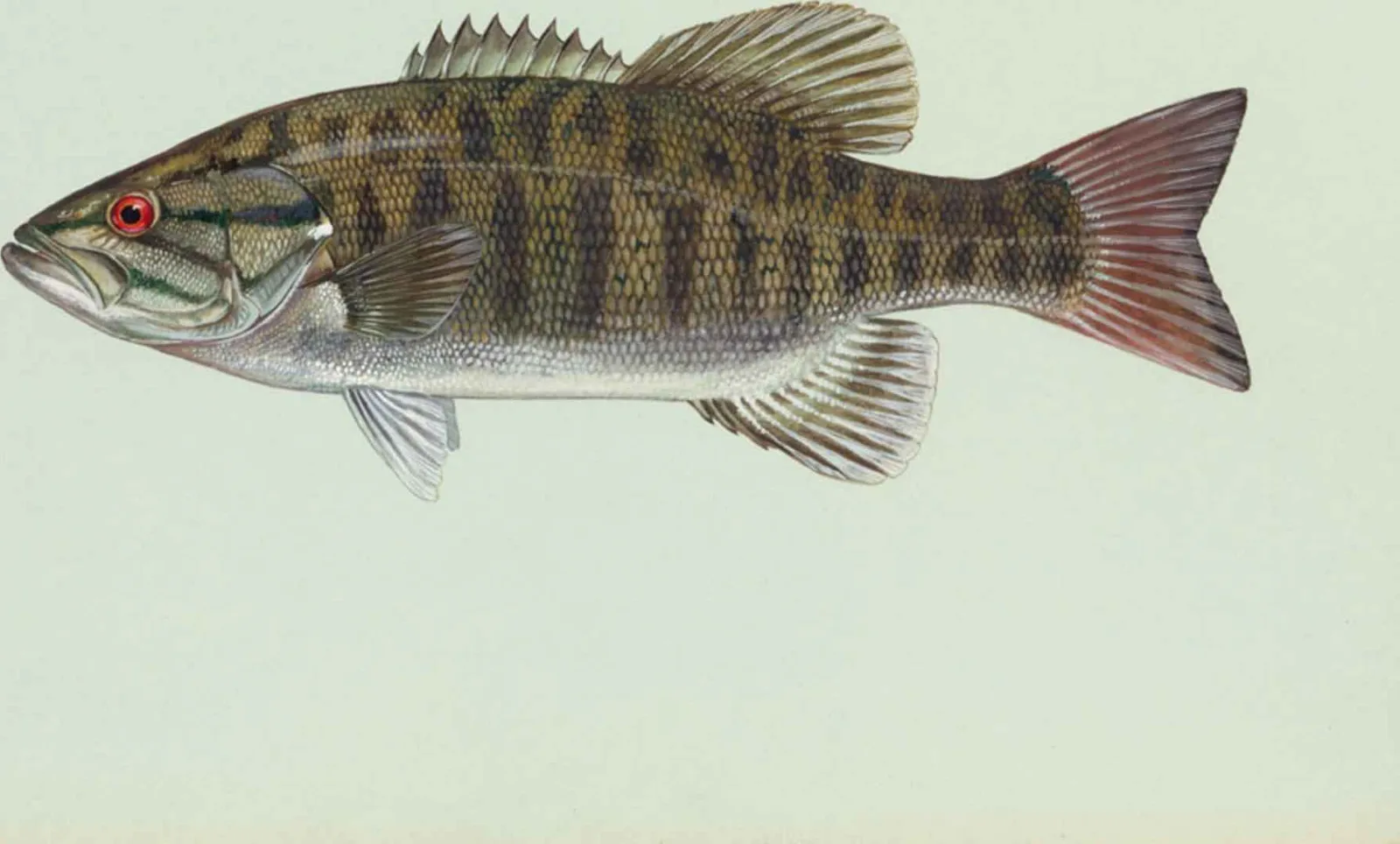
Smallmouth vs largemouth bass: the jaw, the stripe and the dorsal fin settle the identification in seconds. Then habitat, size, records and how each one fights.
 How to Fish for Bass: A Beginner's Season-by-Season Guide
How to fish for bass from the first cast: one rod and reel, five lures, where bass are at each water temperature, and a numbered method for a day on the water.
 World Record Largemouth Bass: Perry, Kurita and Dottie
The world record largemouth bass is 22 lb 4 oz, caught in Georgia in 1932 and tied in Japan in 2009: the documented story, the IGFA rules, and Dottie.
 Spotted Bass: How to Tell It From Largemouth and Alabama Bass
Spotted bass from the agency data: the tooth patch, jaw and scale counts that separate it from largemouth and Alabama bass, habitat, spawning, and records.
- Smallmouth Bass: Identification, Habitat, Spawning and Records
Smallmouth bass from the agency data: the marks that separate them from largemouth, the cool rocky water they need, spawning at 60–64 °F, and the 1955 record.
Sources
- Bassmaster, Best of 2025 Elite Series top lures (per-event pages)
- Bassmaster, top lures at Guntersville Elite 2026
- Bassmaster, top lures at Lake Martin 2026
- Bassmaster, top lures at Tennessee-Tombigbee Waterway 2026
- Bassmaster, top lures at Arkansas River 2026
- Bassmaster, top lures at Lake Murray 2026
- Bassmaster, top lures at Santee Cooper Lakes 2026
- Bassmaster, top lures at Pasquotank River/Albemarle Sound 2026
- Bassmaster, top lures at Lake Champlain 2026
- Bassmaster, top lures at St. Lawrence Elite 2026
- Bassmaster, previewing the 2026 Elite fisheries (schedule and dates)
- Bassmaster, KVD's 6-season bass guide
- Wired2Fish (Sam Hudson), The best bass fishing lures for 2026
- Wired2Fish, choose the perfect spinnerbait (blade by water color)
- BassResource (Tyler Brinks), lure colors for different water clarities
- Field & Stream (Shaye Baker), best crankbaits of 2026
- Z-Man Fishing, history of the ChatterBait
- Bassmaster, Gary Yamamoto on the Senko
- Yamamoto Baits, 5 in Senko (count, price, rigs)
- Omnia Fishing, Z-Man ChatterBait JackHammer (weights, hook, price)
- Discount Tackle, Strike King KVD 1.5 squarebill (price, owner reviews)
- Tackle Warehouse, Zoom Salty Super Fluke (sizes, price, owner reviews)
- Lurenet, Heddon Super Spook (size, weight, hooks, price)
- Lurenet, Heddon Super Spook Jr. (size, weight, price)
- Z-Man Fishing, Finesse TRD and Finesse ShroomZ (size, count, head weights, price)
- Megabass USA, Vision Oneten (length, weight, depth, hooks)
- Tackle Warehouse, Megabass Vision 110 (price, owner reviews)
- Rapala, Husky Jerk (sizes, weights, depths, hooks, price)
- Zoom Bait Company, Salty Super Tube (size, the smallmouth note)
- Tackle Warehouse, Keitech Swing Impact FAT (sizes, price, owner reviews)