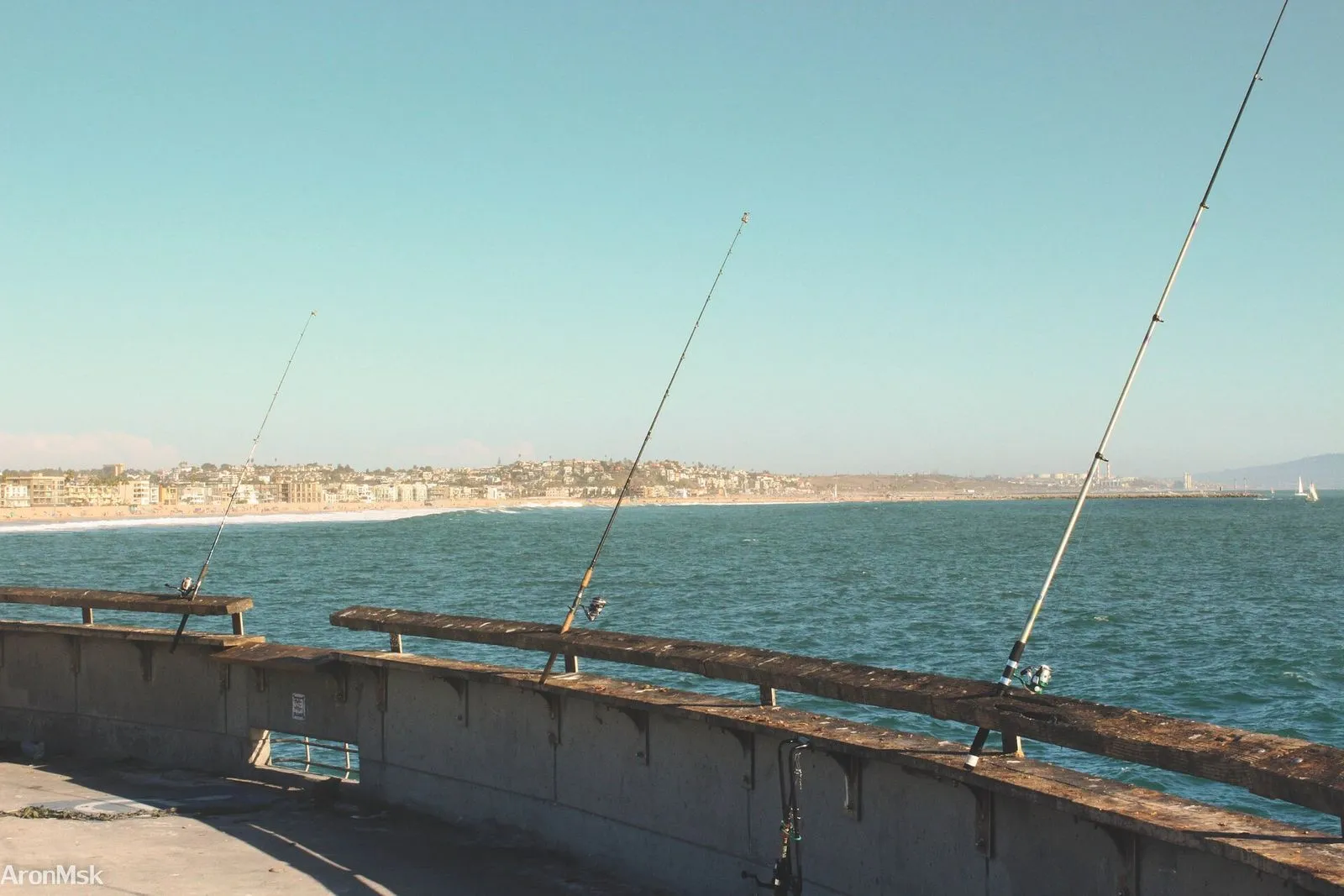
A fishing rod is described by three ratings printed on the blank: its length, its power and its action. Read those three and you can match a rod to a lure without a salesman. Everything else, the blank material, the guide ceramics, the handle, follows from them and from the price. If one rod has to cover most freshwater fishing, it is a 7 ft (2.1 m) medium or medium-heavy fast-action rod.
A carp rod runs 12–13 ft where a bass rod of the same power runs 7, and a fly rod is not rated by power at all. Length, power and action are three different questions.
Start here
- Best fishing rods — the picks by what you fish, from bass casting and spinning to trout, catfish and surf, with the makers’ specs and prices.
- Fishing rod for beginners — the one setup to start with, and eight combos that deliver it.
- Spinning rods — how a spinning rod differs from a casting rod, how to read the label, and which length and power to buy.
- Rod and reel combos — the best combo for each kind of fishing, and when buying the two separately wins.
- Catfish rods — the rod for cut bait and big fish, and the picks.
- Fishing rod holders — bank, surf, boat, kayak and home: which type fits and how to set it for the hook.
- Telescopic fishing rods — what a rod that packs into a bag gives up, and the picks.
- Kids fishing poles — the pick for each age from 3 to 14, push-button first, spinning from about 8.
- Crappie rods — the right length for each crappie technique, from a 6 ft dock shooter to an 18 ft live-sonar rod, and the picks.
- Ultralight rods — what a 2–6 lb rod is for, the length and reel to pair, and eleven rods compared.
- Parts of a fishing rod — every part from tip-top to butt cap, with a numbered drawing.
What types of fishing rods are there?
Most rods are one of six types, and the type follows from the reel and the water. Fly rods are the exception: they are rated by line weight, not power.
| Type | What it is for | Typical build |
|---|---|---|
| Spinning | Light lures and finesse baits; the reel hangs under the blank, on large guides | 7 ft (2.1 m) medium, fast |
| Casting (bass fishing rods) | Heavier lures, heavier line and cover; the reel sits on top, on small guides | 7 ft (2.1 m) medium-heavy, fast |
| Ultralight | Panfish, stream trout and the smallest lures | The softest power in the table below |
| Catfish | Bait on the bottom: a soft tip on a strong butt | 7–10 ft (2.1–3 m) medium-heavy |
| Surf | Bait and plugs cast past the breakers | 10 ft (3 m) moderate, rated 2–5 oz |
| Telescopic | Travel: it collapses into a bag or suitcase, at some cost in feel | Any of the above, shorter when packed |
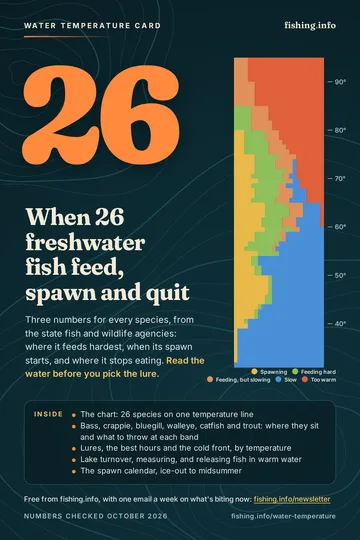
Free card: what 26 species do at your water temperature
Plus one email a week on what's biting now. No sales pitches. Privacy.
What do power, action and length mean?
Power is the stiffness of the blank: how much force it takes to bend it, rated from ultra-light to extra-heavy. Power decides the line and lure weights the rod is built for. Bassmaster calls medium-light, medium and medium-heavy “the sweet spot for most angling situations”.
Action is where the blank bends and how fast it recovers. Wired2Fish’s Jason Sealock notes the name “is actually measuring the speed in which rod returns to its normal state”. Extra-fast bends near the tip, fast in the upper third, moderate into the middle, slow through the whole blank.
Length trades accuracy for distance. Rods under 6 ft 6 in (2 m) cast more accurately. Longer rods cast farther, pick up more line on the hookset and give more leverage on a distant fish. Most rods run 5 ft 6 in to 9 ft (1.7–2.7 m), and 6 ft 6 in to 7 ft 6 in (2–2.3 m) is the sweet spot.
| Power | Line (lb test) | Lure (oz) | Typical use |
|---|---|---|---|
| Ultra-light | 1–4 | 1/64–1/16 | Panfish, trout, micro jigs |
| Light | 4–8 | 1/32–1/8 | Trout, crappie, small spinners |
| Medium-light | 6–10 | 1/8–3/8 | Finesse bass, walleye, drop shot |
| Medium | 8–14 | 1/4–3/4 | The bass and walleye all-rounder: crankbaits, spinnerbaits, topwater |
| Medium-heavy | 12–20 | 3/8–1 | Jigs, Texas rigs, chatterbaits, light frogs |
| Heavy | 15–25 | 1/2–1½ | Flipping, punching, frogs, swimbaits |
| Extra-heavy | 25+ | 1–4+ | Punching, big swimbaits, catfish, surf |
Ranges differ by maker; the numbers on your own blank win. The line hub explains why the line rating printed on a rod is a range, not a limit.
Which rod for which lure?
The basic rule: single-hook baits that need a hookset want a fast or extra-fast rod. Treble-hook or straight-retrieve baits want a moderate rod, because a stiff tip pulls trebles out of a jumping fish while a bending one keeps them pinned.
| Lure | Length | Power and action |
|---|---|---|
| Jigs, Texas rigs | 7 ft 1 in to 7 ft 4 in (2.16–2.24 m) | Medium-heavy, fast |
| Crankbaits, jerkbaits | 6 ft 8 in to 7 ft 2 in (2.03–2.18 m) | Medium, moderate; often fiberglass or composite |
| Chatterbaits, spinnerbaits | 7 ft to 7 ft 3 in (2.13–2.21 m) | Medium-heavy, moderate-fast |
| Frogs, punching | 7 ft 3 in to 7 ft 6 in (2.21–2.29 m) | Heavy |
| Drop shot, Ned rig | 7 ft (2.13 m) | Medium-light, extra-fast, spinning |
| Panfish and crappie jigs, 1/16–3/16 oz | 7 ft (2.13 m) | Light, extra-fast, spinning |
| Trout lures, 1/16–5/16 oz | 6 ft 6 in (1.98 m) | Light, fast, spinning |
| Walleye jigs and rigs, 1/8–3/8 oz | 7 ft (2.13 m) | Medium-light, fast, spinning |
| Surf bait and plugs, 2–5 oz | 10 ft (3.05 m) | Moderate |
If one rod has to do everything, Bassmaster’s own answer is the 7 ft medium fast, “one of our most popular rod configurations because it’s so versatile”; the bass fishing rods page puts the rest in buying order. Each lure family’s hub in the lures section names its rod. Spinning or casting is the other choice, and the reels hub explains why the two rods are built differently.
Graphite, glass or composite?
Graphite is light and sensitive, and makers talk about modulus and tonnage to describe its stiffness. Fiberglass bends deeper and slower, weighs more, and gives treble-hook baits the cushion they want. Composites blend the two, the best-known being the graphite-and-glass Ugly Stik, a rod with a reputation for refusing to break. One-piece rods are more sensitive; two-piece rods travel.
Guides matter more for their ceramic ring than their count. From cheap to dear the rings run aluminum oxide, Alconite, silicon carbide and Torzite. Silicon carbide has been the standard for two decades and sheds heat best. Torzite is lighter and smoother, at a price only custom builders usually pay.
How much should you pay for a fishing rod?
About $60 buys a rod that works: the Ugly Stik GX2 costs $59.95, or $79.95 as a combo with its reel. Field & Stream puts a first combo at $80–150, where good guides, cork handles and aluminum reels start. From $100 to $200 you pay for a blank built for one technique, such as the $160 Dobyns Fury casting rod. Past $200 the money takes weight off the rod, up to $520–560 for a Fenwick World Class; that matters to the angler who casts all day.
The best fishing rods put a pick in every band. For a first rod, the fishing rod for beginners compares eight combos.
Why are catfish rods different?
Catfish rods are their own category because of how the fish bites. They run 7–10 ft for general use and 12–14 ft for surf, medium-heavy power for most water, with a soft tip on a powerful lower section. Catfish feed tentatively, and a stiff tip pulls the bait away. Graphite-glass blends and E-glass take the abuse.
The Ugly Stik Catfish Special at about sixty dollars is Outdoor Life’s value pick. Guides fishing for 65-pound fish move to heavier blanks such as the Catch the Fever Hellcat. The rod is one of five gear decisions; the fishing gear hub sets out all five in one table.
All articles
 Best Fishing Rods: The Reviewers' Picks by Technique and Budget
The best fishing rods by what you fish: bass casting and spinning, trout, panfish, walleye, catfish, inshore and surf, with the makers' specs and prices.
 Catfish Rods: Length, Power, the Soft Tip, and the Reviewers' Picks
Catfish rods explained: 7–10 ft, medium-heavy, a soft glass tip on a strong butt, sinker ratings by species, and the reviewers' picks with maker specs.
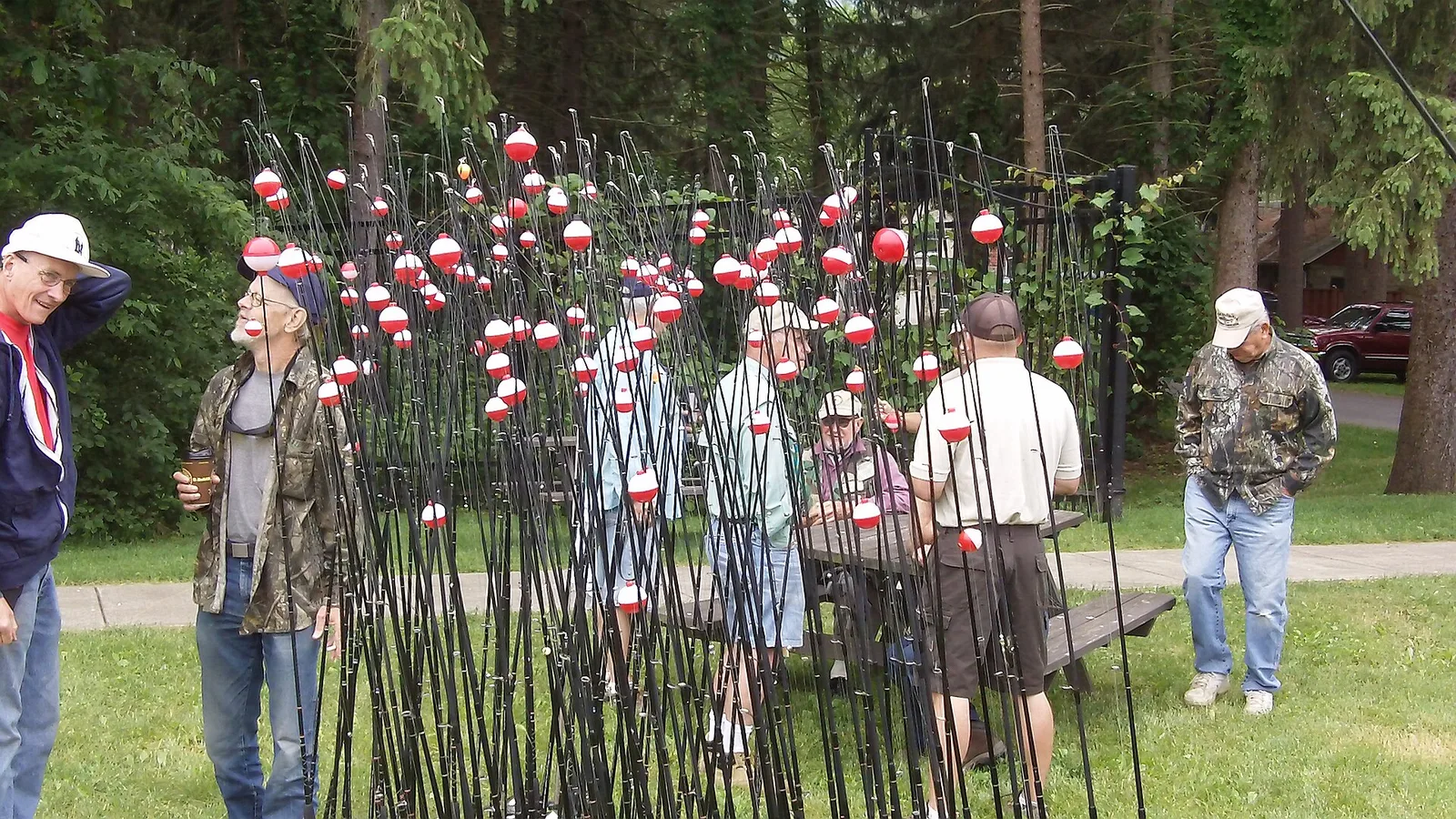 Fishing Pole: Pole or Rod, the Six Kinds, and What a First One Costs
A fishing pole and a fishing rod are the same thing. The six kinds, from a bamboo cane pole to a fly outfit, who each one suits, and what a first one costs.
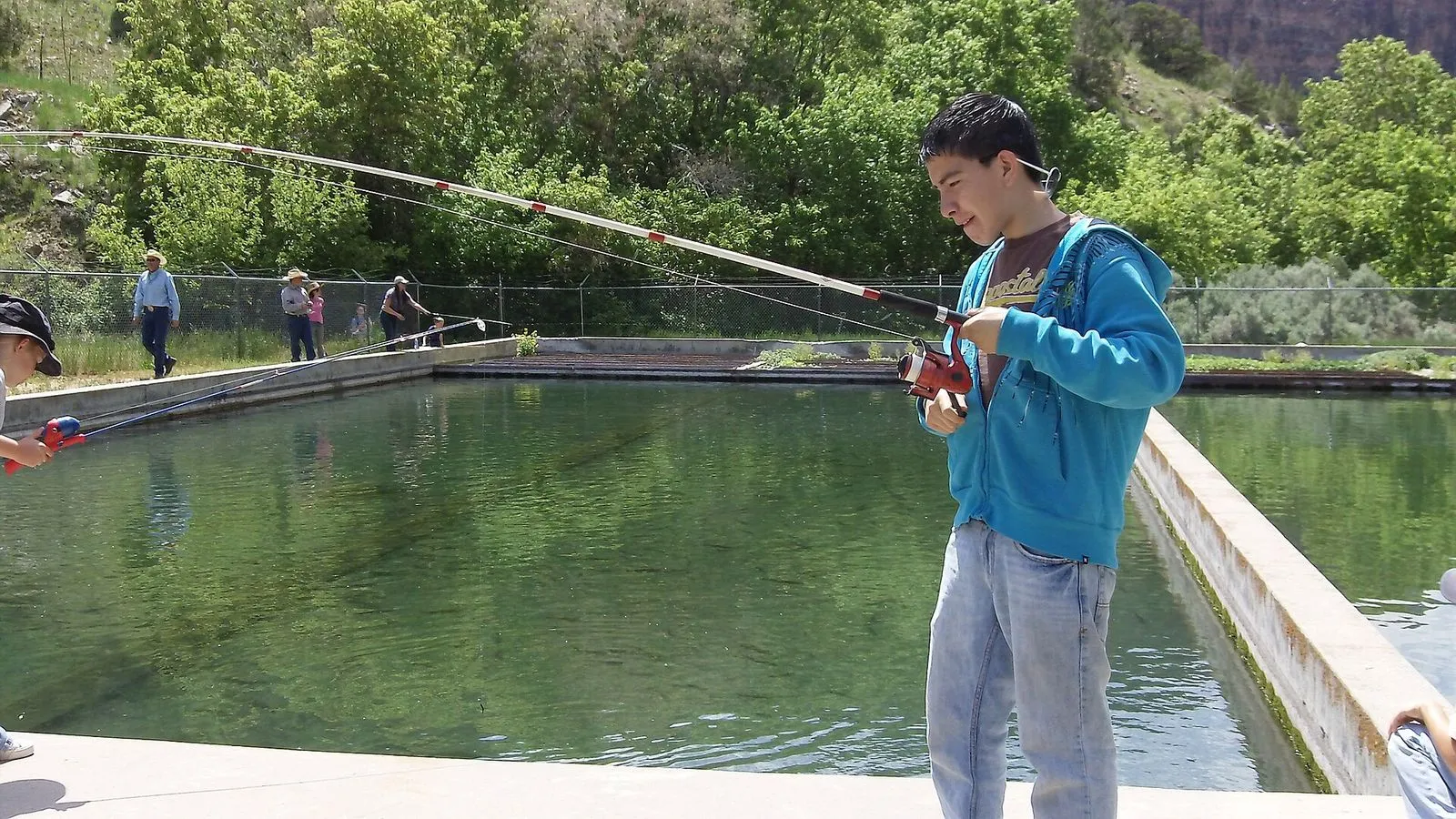 Fishing Rod for Beginners: The One Setup, and Eight Combos That Deliver It
A fishing rod for beginners is a 6 ft 6 in to 7 ft medium spinning combo. Eight combos from the 2026 guides compared on rod, reel, price and verdict.
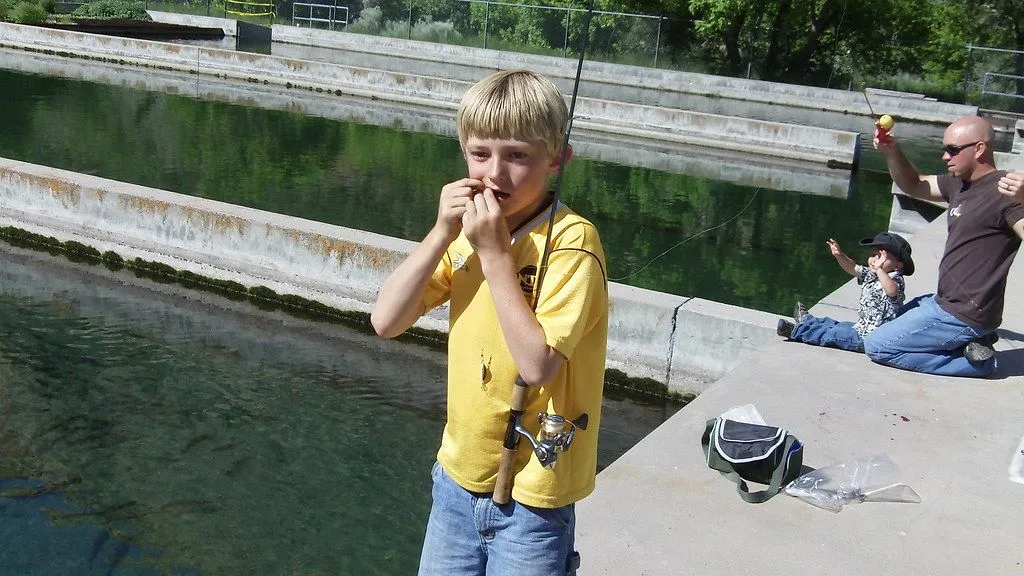 Kids Fishing Pole: The Reviewers' Picks by Age, 3 to 14
The kids fishing pole the 2026 guides pick for each age, 3 to 14: push-button first, spinning from about 8, with prices, owner complaints and the first rig.
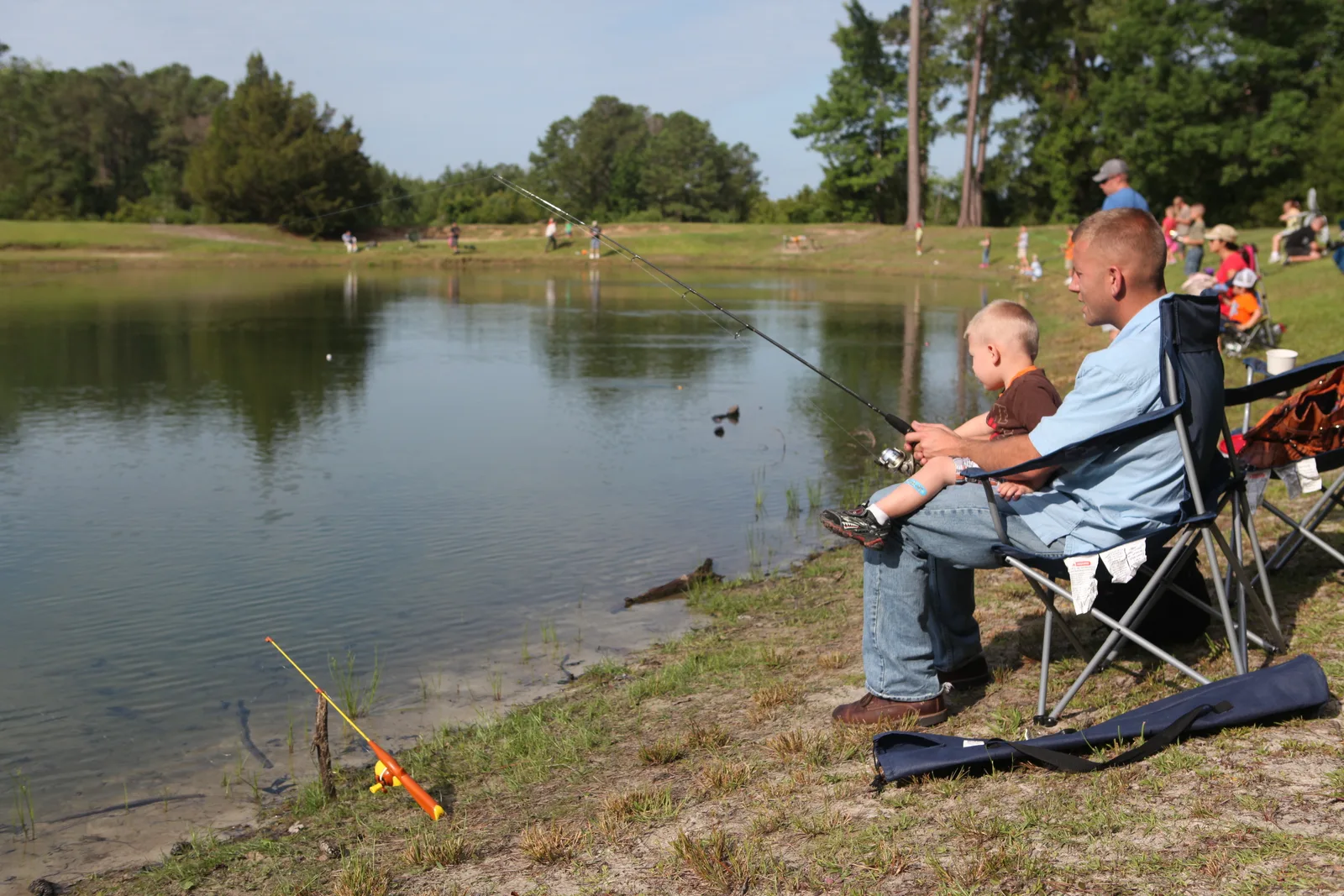 Rod and Reel Combo: The Best Picks by Fishing, and When Not To
The best rod and reel combos by fishing, from maker specs and owner ratings: first spinning, bass baitcast, inshore, surf, catfish, kids; where separates win.
 Spinning Fishing Rod: How It Differs From a Casting Rod, Which to Buy
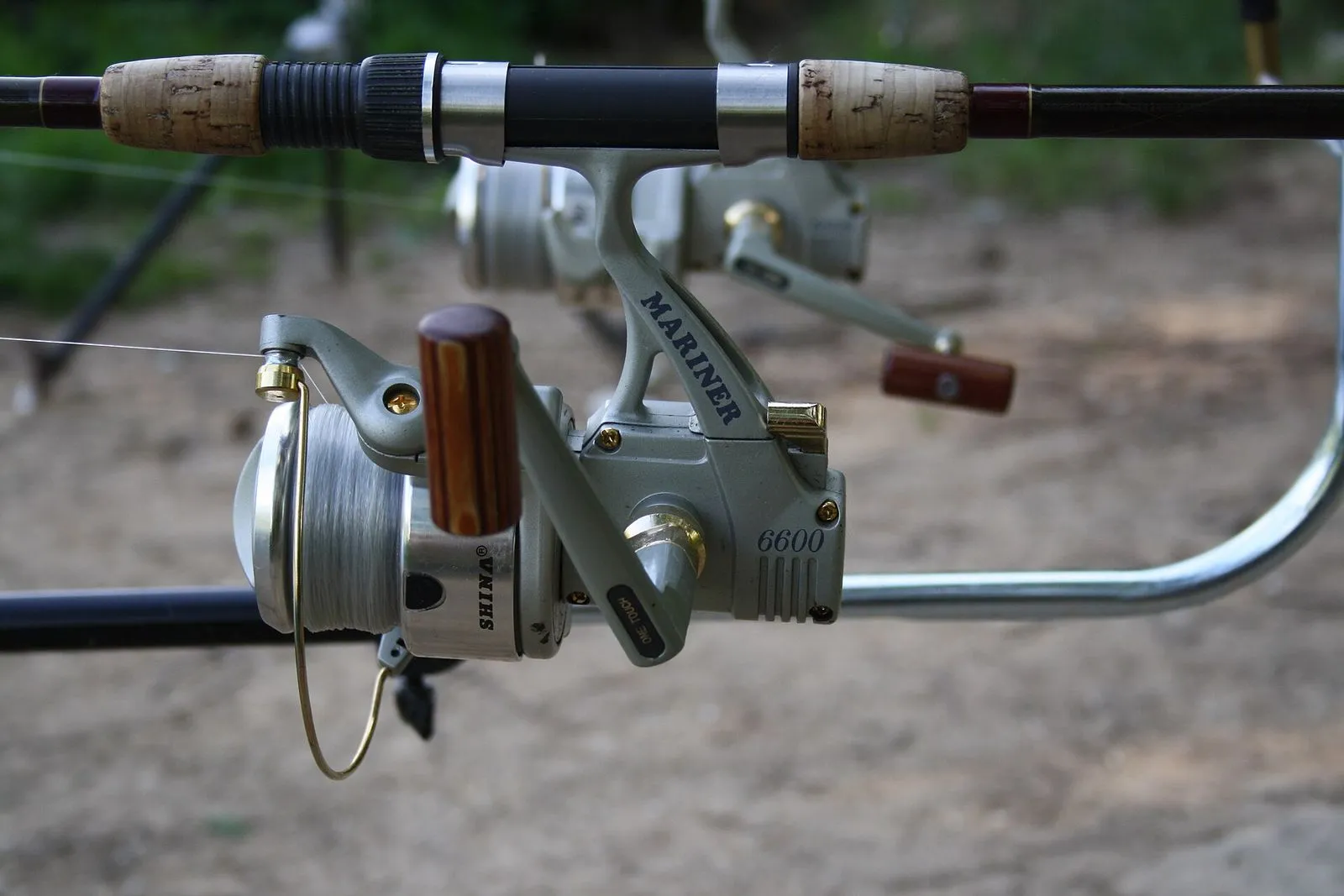
A spinning fishing rod hangs the reel below the blank and casts light lures on light line. Its parts, how to read the label, and which length and power to buy.
Free download
The water temperature card
Read your water temperature and the card tells you who is spawning, who is feeding and what to throw. 26 species, 16 pages, for your phone and the tackle box.
Plus one email a week on what's biting now. No sales pitches. Privacy.
Sources
- Bassmaster, Fishing rods: lengths, powers and actions
- Wired2Fish, Fishing rods explained: action, power and more
- Outdoor Life, Best catfish rods of 2026
- Lamiglas, The difference between casting and spinning rods
- Cast and Spear, Spinning rod vs casting rod
- On The Water (Jimmy Fee), Choosing a surf rod
- Outdoor Life (Pete Robbins), The best telescopic fishing rods
- St. Croix Rod, Panfish Series: model chart and prices
- St. Croix Rod, Trout Series: model chart and prices
- St. Croix Rod, Eyecon walleye rods: model chart and prices
- Ugly Stik, GX2 spinning rod: models and price
- Ugly Stik, GX2 spinning combo: models and price
- Field & Stream 2026, The best fishing rod and reel combos
- Dobyns Rods, Fury casting rods: model chart and price
- Fenwick, World Class Bass spinning rod: price