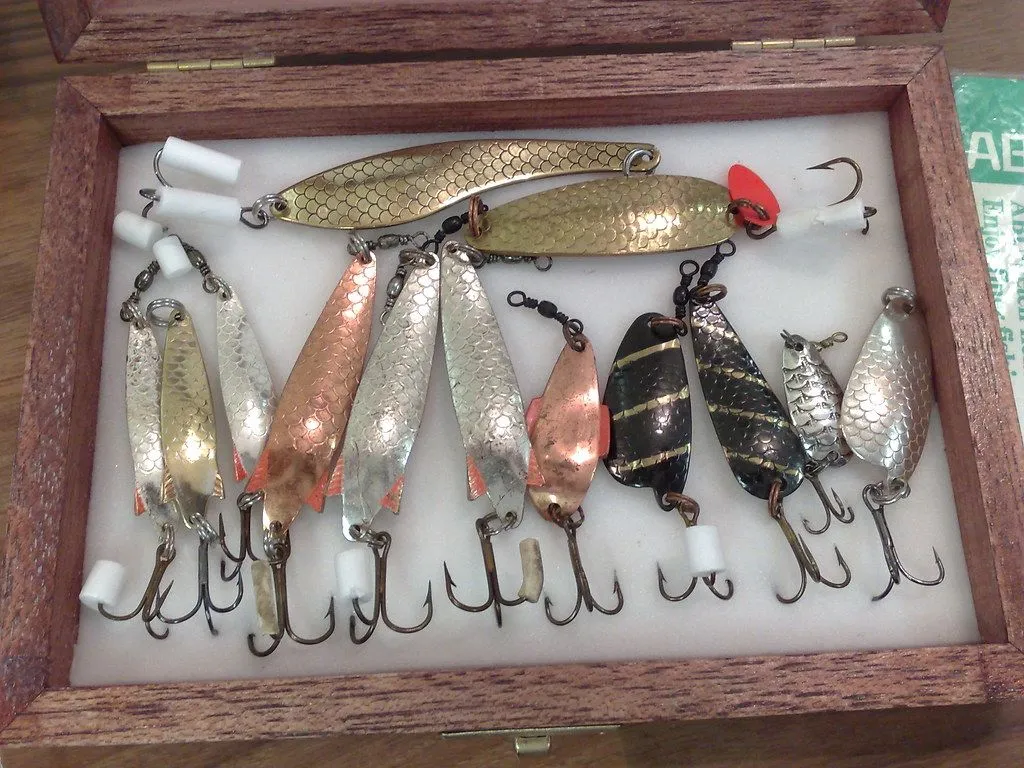
Fishing lures do one of two jobs: they imitate something a fish eats, or they provoke a strike from a fish that cannot tell what it is. That is the whole theory. The practice is knowing which of the six lure families to tie on for the depth, cover, water clarity and season in front of you. Nearly all of them were designed in bass fishing, which is also where the tournament data comes from, and the same crankbaits, jigs and topwaters catch pike, walleye, stripers and redfish. Spoons, blade baits and salt-water lures are covered in types of fishing lures, and trout lures on the trout lures page.
At Lake Tenkiller in 2025, six of the final ten Elite Series anglers were fishing a Texas-rigged soft plastic, a rig from the 1950s. The newest lure is not always the one that wins.
Start here
Filling a first box? Best fishing lures names the ten to buy first, and types of fishing lures sorts everything on the tackle-shop wall into its family. Then go to the family you need:
- Jigs: the bottom-contact family, with football, flipping, swim and finesse jigs. The Texas, Carolina, Ned and drop-shot rigs that fish the same plastics are on the fishing rigs hub.
- Chatterbaits: the bladed jig, on sale since 2004 and winning tournaments since 2006.
- Crankbaits: squarebills, deep divers, lipless baits and jerkbaits, sorted by the depth they run.
- Topwater lures: walkers, poppers, prop baits, frogs and buzzbaits for the surface bite.
- Spinnerbaits: blades, buzzbaits and the inline spinners trout anglers use.
- Soft plastics: worms, craws, flukes, swimbaits and glide baits, and how to rig them.
Which lure for which depth and season?
| Family | What it does | Depth zone | Best season (bass) | Rod and line |
|---|---|---|---|---|
| Jigs and Texas rigs | Crawls or hops a craw or worm along the bottom | Bottom, any depth | Year-round; jigs shine in cold water and heavy cover | 7 ft 1 in to 7 ft 4 in (2.2 m) medium-heavy fast; 15–20 lb fluorocarbon or braid |
| Chatterbaits | A hex blade on a jig head vibrates and hunts side to side | 1–8 ft (0.3–2.4 m), over and through grass | Pre-spawn and spawn, stained water, wind | 7 ft to 7 ft 3 in (2.1–2.2 m) medium-heavy, moderate-fast; 15–20 lb fluorocarbon |
| Crankbaits | A lip makes the bait dive and wobble; lipless baits sink and shimmy | 0–5 ft (0–1.5 m) squarebill, 6–12 medium, 12–25 deep | Pre-spawn and fall on cranks; winter on jerkbaits | Glass or composite, moderate action; 10–14 lb mono or 12 lb fluorocarbon |
| Topwater | Walks, pops, plops or buzzes on the surface | Surface | Post-spawn through fall, 65–85 °F (18–29 °C) water, low light | Medium to heavy; mono or braid, never fluorocarbon |
| Spinnerbaits | Spinning blades flash and thump on a safety-pin wire | 1–10 ft (0.3–3 m), slow-rolled deeper | Pre-spawn, fall, dirty water and wind | 7 ft (2.1 m) medium-heavy; 15–20 lb fluorocarbon or braid |
| Soft plastics | Plastisol bodies rigged on hooks and jig heads | Any, by the rig | Year-round; weightless and finesse rigs peak around the spawn | Spinning for finesse, casting for Texas rigs and swimbaits |
Match the lure to the tackle on the gear pages. The rods page explains why crankbaits want a slower rod and jigs a fast one, and the line page why topwater and fluorocarbon do not mix. Names you do not know yet, from a chatterbait to a wacky rig, are under lures, baits and rigs in the fishing terms.
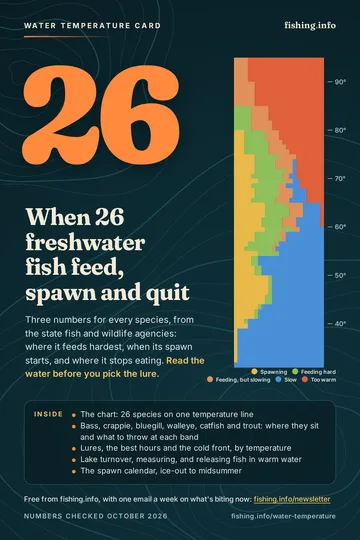
Free card: what 26 species do at your water temperature
Plus one email a week on what's biting now. No sales pitches. Privacy.
What do fishing lures cost?
Most lures cost $5–10. A ten-pack of 5 in Senkos is $7.99 and a Rat-L-Trap $5–9, while a tournament chatterbait such as the Z-Man JackHammer runs $19.99–21.99. The best fishing lures page builds a first box of ten for about $60.
Can you fish a lure and bait together?
Yes, on one hook. Iowa’s DNR calls a leadhead jig tipped with a minnow “an excellent spring and fall walleye bait.” Some waters forbid it. Pennsylvania’s catch-and-release artificial-lures-only sections allow lures of metal, plastic, rubber or wood and flies, and ban “any other lures or substances”. Read the rules for the water before you tip a jig.
What wins on the tournament trail?
The lure industry runs on marketing, so results are the better guide. Bassmaster publishes the winning and top-ten baits after every Elite Series event. In 2025 a Texas-rigged soft plastic was used by six of the final ten at Lake Tenkiller. The half-ounce Z-Man JackHammer chatterbait recurred at the St. Johns River and Okeechobee, and Okeechobee was won on a deep crankbait.
That record is bass fishing, and bass are the fish most of these lures were designed for. On catfish a few of them work and most do not. For pike, walleye and the rest, the species pages say where the sizes and colors differ.
Who invented them?
Almost every lure family has a named inventor and a date, which the retail pages never mention. Lauri Rapala carved the first floating minnow from cork in 1936. Nick and Cosma Creme cooked the first plastic worm in an Akron basement in 1949. Bill Lewis built the first lipless crankbait in Louisiana around 1970. Ron Davis’s ChatterBait first went on sale on March 10, 2004, and became the generic name for every bladed jig after Bryan Thrift’s 2006 wins on it. Ned Kehde’s 109-bass afternoon on October 12, 2006, turned a mushroom-head jig into the Ned rig. Knowing who made a lure and why tells you what it was designed to do.
Topics
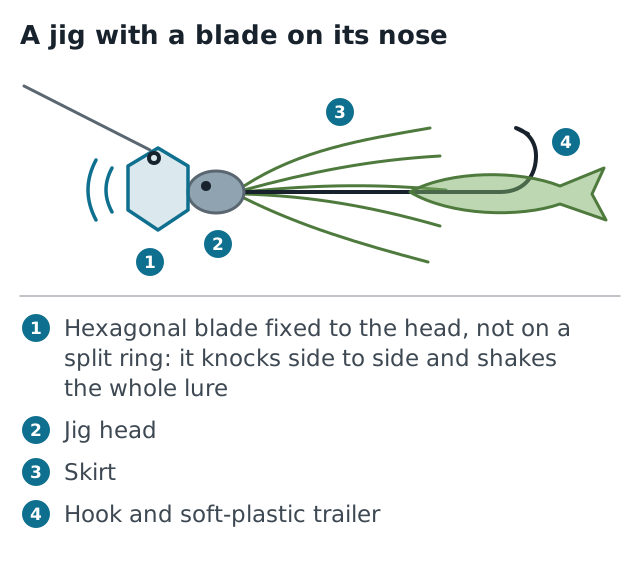
Chatterbait: How the Bladed Jig Works and When to Throw It
The chatterbait explained: the 2004 South Carolina invention, why the blade-to-head joint makes it vibrate, the Z-Man model ladder, trailers and tackle.
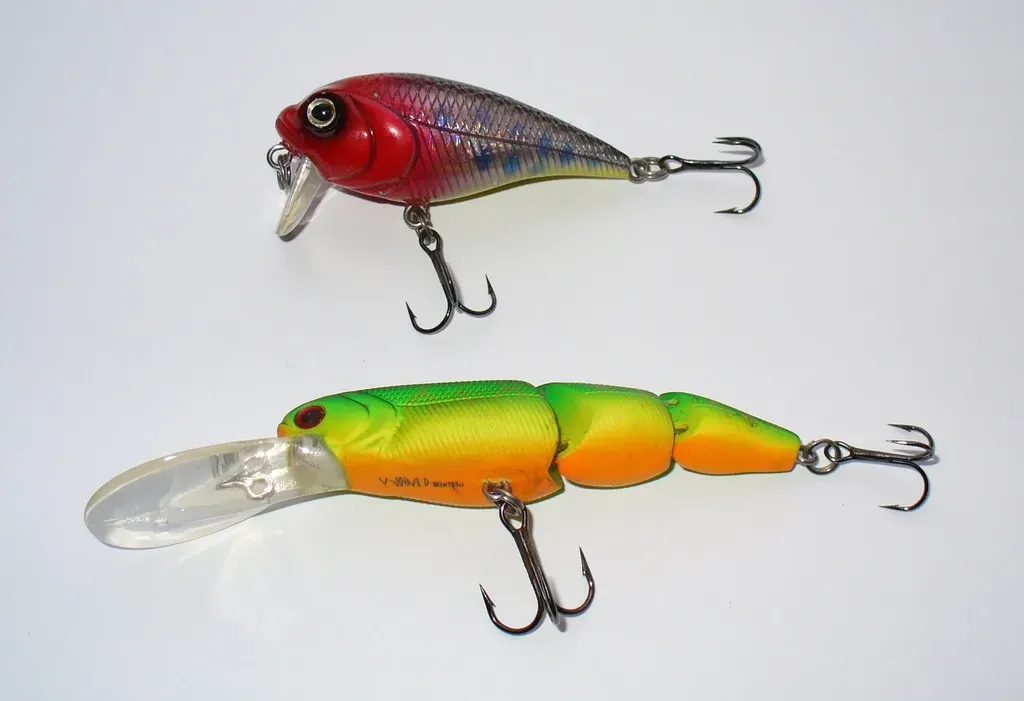
Crankbaits and Jerkbaits: Depth Classes, Lips and How to Fish Them
Crankbaits by running depth, squarebill to 25-foot diver, plus lipless baits and suspending jerkbaits: how the lip sets depth, the rod and line, the histories.
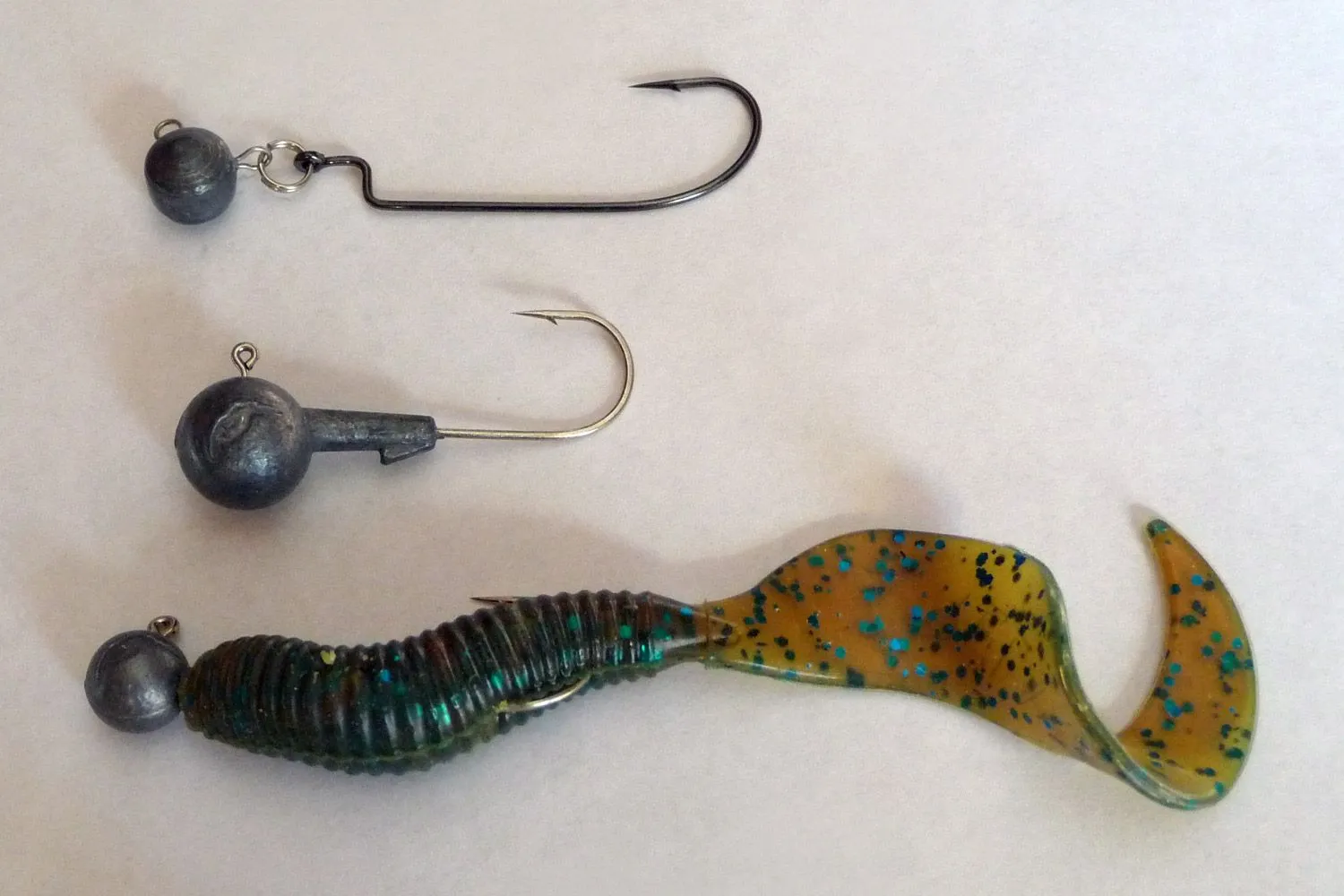
Fishing Jigs: Six Types and When to Use Each
The six jig types, football, flipping, casting, swim, finesse and hair, with the weight, trailer and cover for each and the rod and line that fish them.
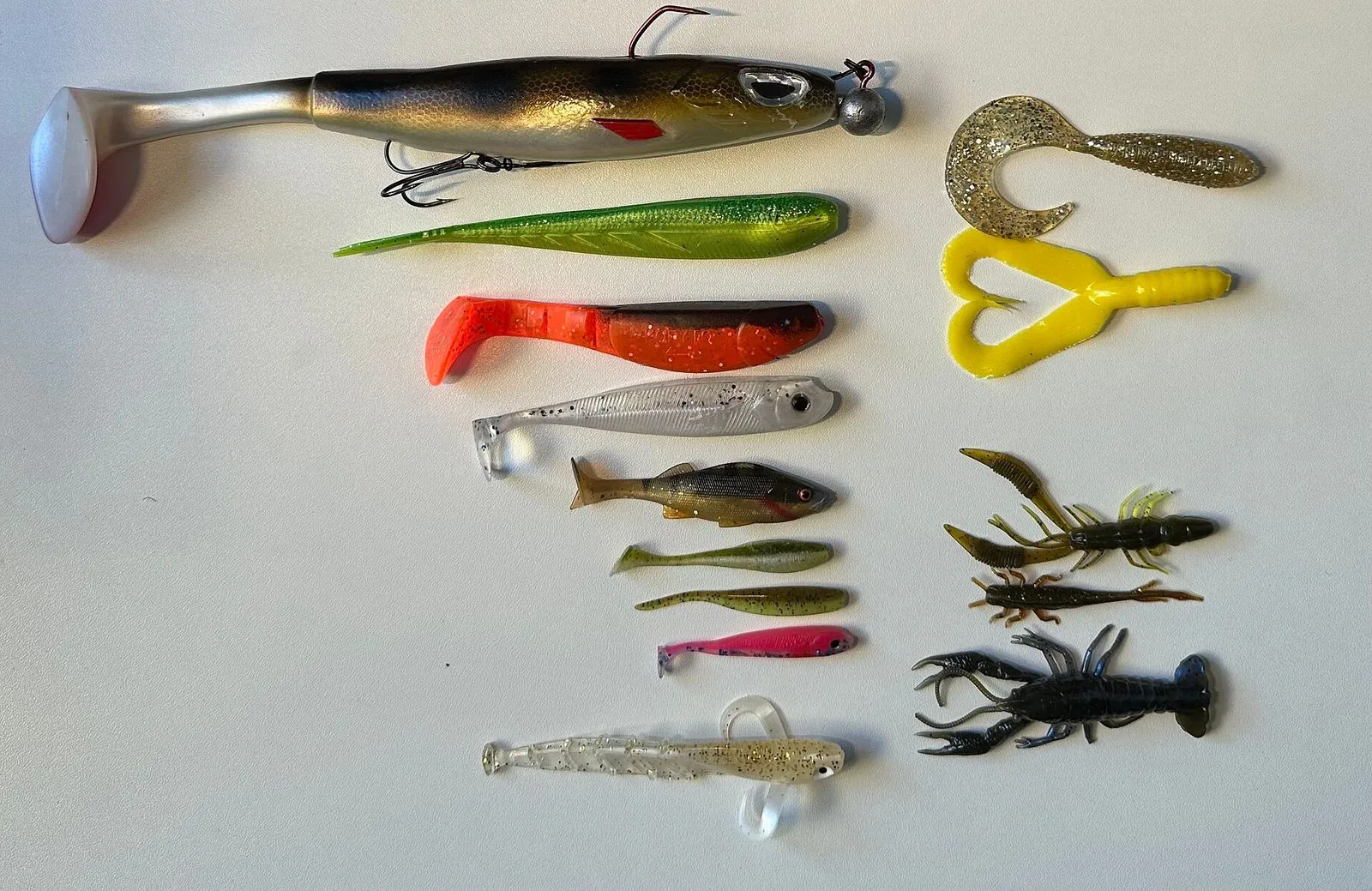
Soft Plastic Lures: Types, Materials and How to Rig Them
Soft plastic lures from the 1949 Creme worm to today's swimbaits and glide baits: the types, what plastisol and salt do, how each is rigged, and the tackle.
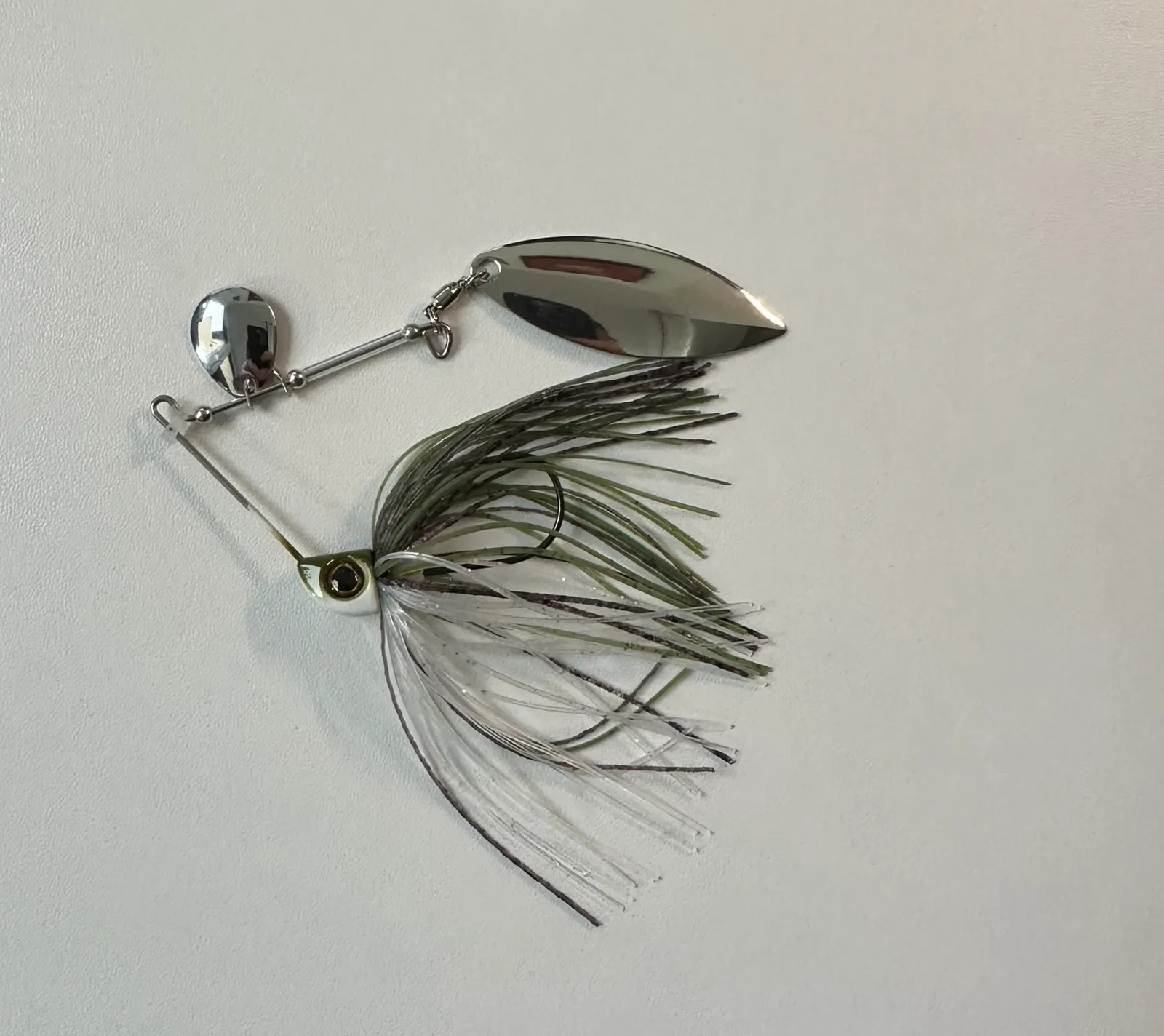
Spinnerbaits, Buzzbaits and Inline Spinners: Blades Explained
Spinnerbait blades decoded, Colorado, Indiana and willow, the retrieve and water each suits, plus buzzbaits and inline spinners from Mepps to Rooster Tail.
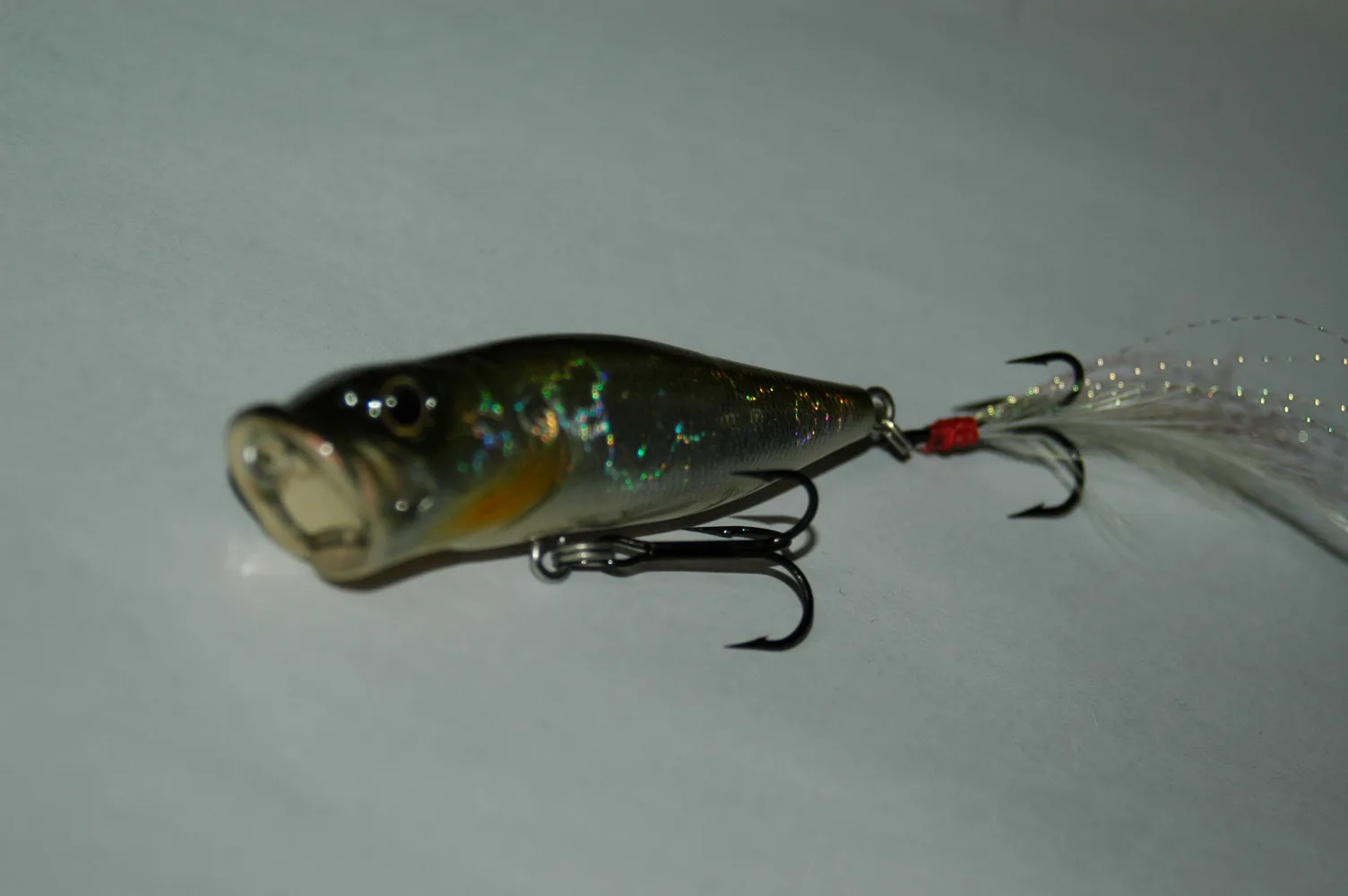
Topwater Lures: Types, When to Throw Them and How Each Works
Topwater lures explained: walking baits, poppers, prop baits, frogs and buzzbaits, the water temperature and light that make them work, and the lure histories.
All articles
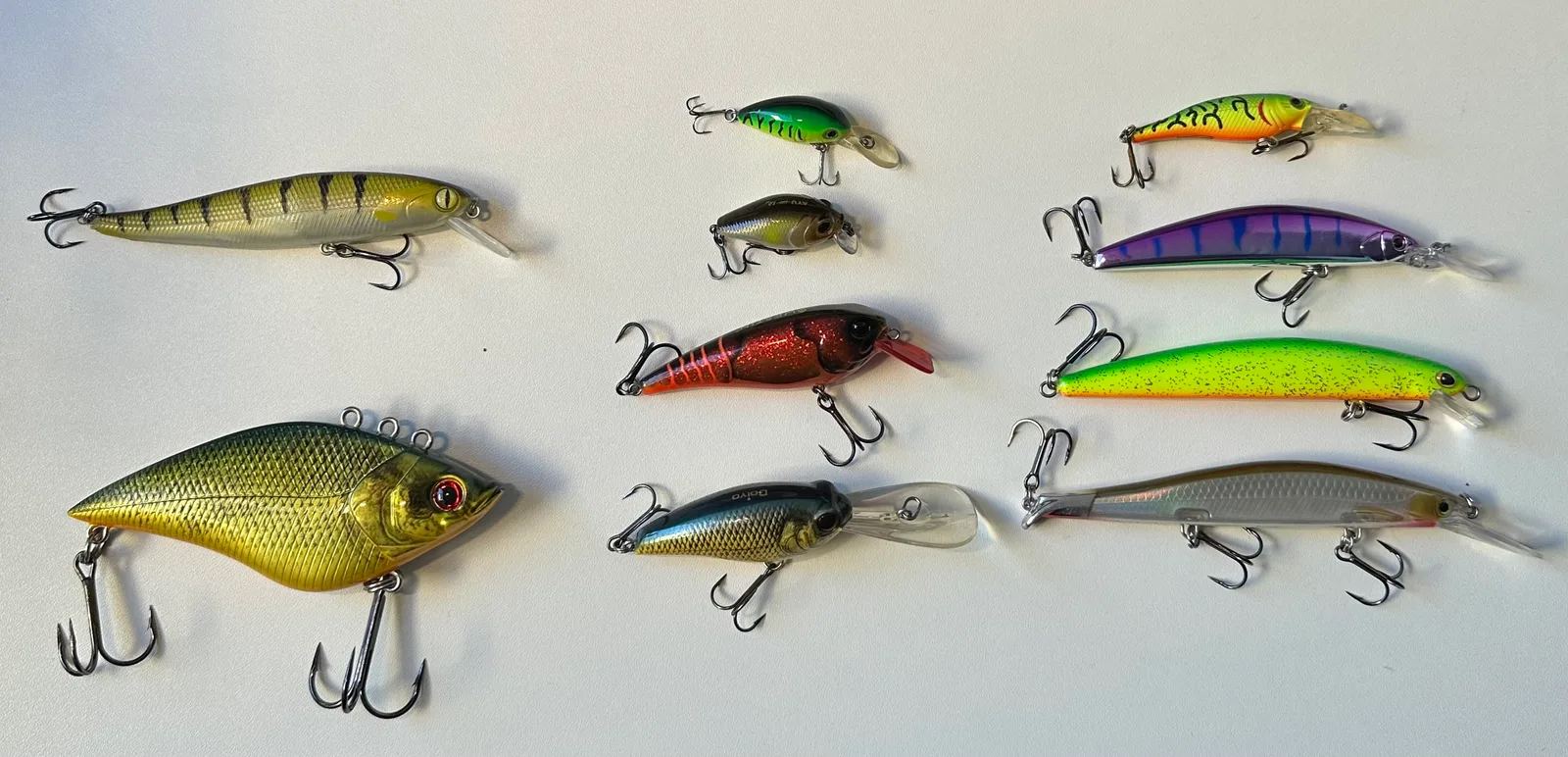 Best Fishing Lures: The Ten to Buy First, by What Each One Does
The best fishing lures for a first box: ten that cover every season and depth, with what the pros threw in 2025, a season table, a species table and colors.
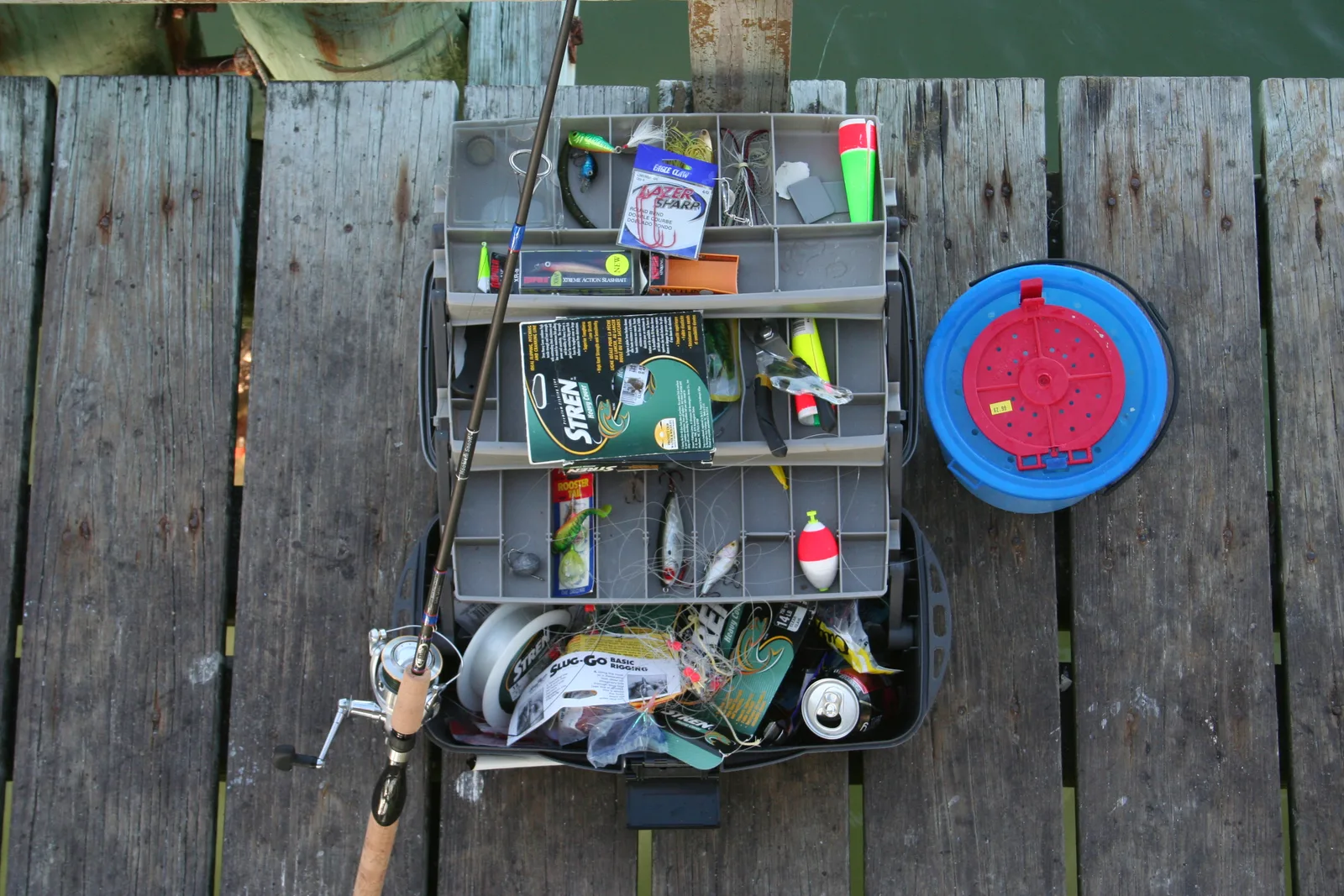 Fishing Advent Calendars 2026: What Is Behind the Doors, Priced Per Door
Fishing advent calendars for 2026 compared door by door: what is inside, price per door, 12 or 24 doors, and when to order before they sell out.
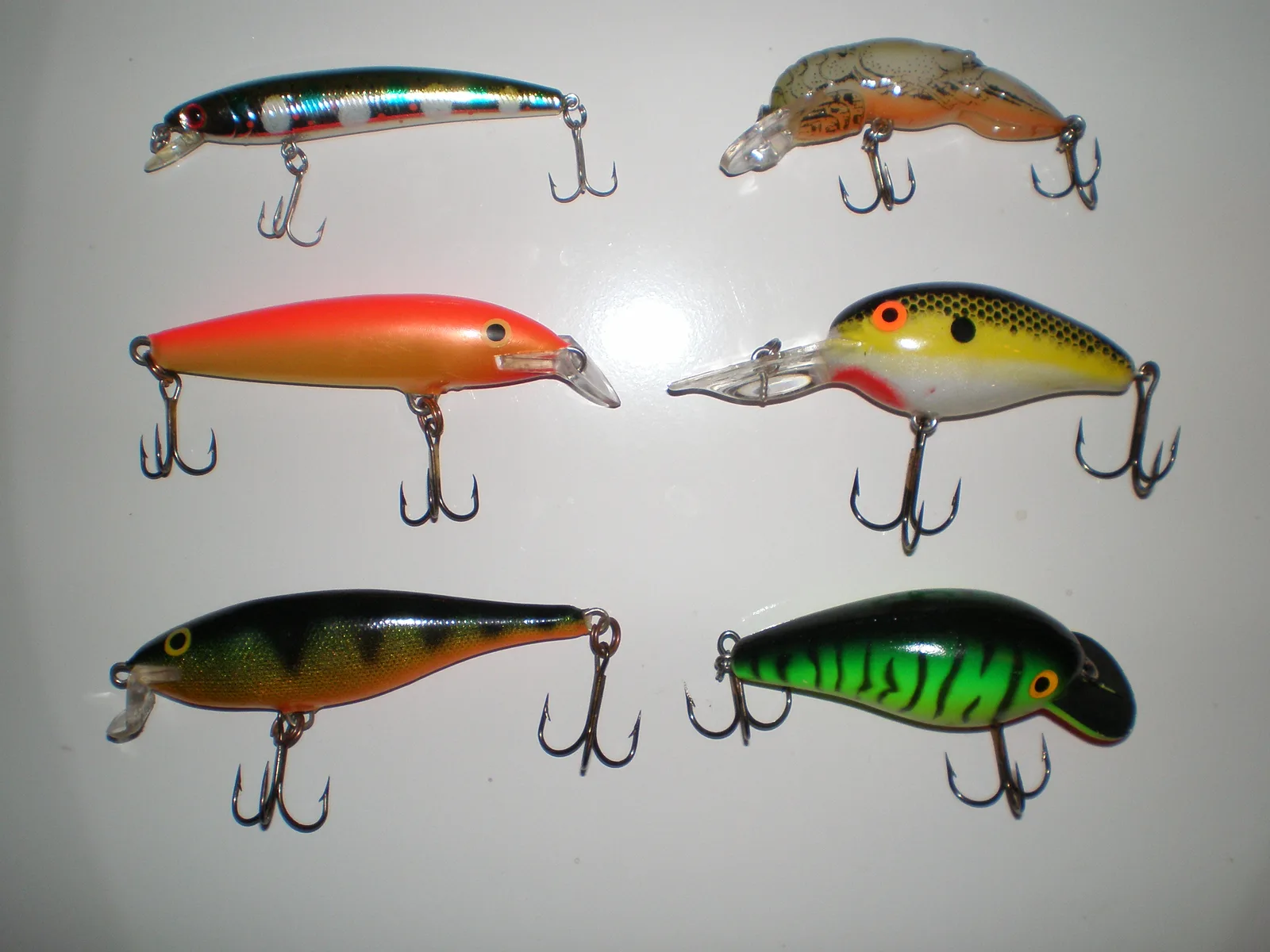 Types of Fishing Lures: The Six Families, What Each Does and When
The types of fishing lures by family: crankbaits, topwater, spinnerbaits, jigs, soft plastics, spoons, swimbaits and flies, with depth, retrieve and season.
Free download
The water temperature card
Read your water temperature and the card tells you who is spawning, who is feeding and what to throw. 26 species, 16 pages, for your phone and the tackle box.
Plus one email a week on what's biting now. No sales pitches. Privacy.
Sources
- Bassmaster, Best of 2025 Elite Series top lures
- Z-Man, History of the ChatterBait
- Texas Parks & Wildlife magazine, Plastic worm inventor changed bass fishing
- Yamamoto Baits, 5 in Senko: count and price
- Bill Lewis Lures, Original Rat-L-Trap: price
- Omnia Fishing, Z-Man ChatterBait JackHammer: weights and price
- Iowa DNR, 4 lures walleye can't resist
- 58 Pa. Code § 65.5, Catch and release artificial lures only