New to fishing? Start here
Fishing for Beginners: Your First Day, From License to First Fish
Fishing for beginners in one day: the kit, the license, where bluegill bite, the bobber rig, the first cast and fish, and a box on taking a child.
fishing.info
Find the fish, choose what to throw and know your gear. Every page is researched from the sources and written for the angler who has to use it on the water.
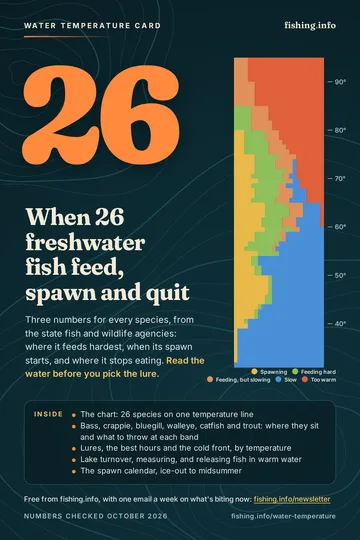
Free card: what 26 species do at your water temperature
Plus one email a week on what's biting now. No sales pitches. Privacy.
New to fishing? Start here
Fishing for beginners in one day: the kit, the license, where bluegill bite, the bobber rig, the first cast and fish, and a box on taking a child.
Species
Every fish worth chasing: how to identify it, where it lives, when it bites.
Techniques
Rigs, knots, casting, and the disciplines from fly to ice to surf.
Lures
Crankbaits to soft plastics: how each one works and when to throw it.
Bait
Live, cut and prepared bait, how to rig it and how to keep it.
Start with Best Catfish Bait.
Gear
Rods, reels, line, hooks and electronics, compared on the numbers.
States
Licenses, seasons and the best water, state by state.
Where the bass are, what the water temperature says, which lures to buy first, and what the words mean.
species
How to fish for bass from the first cast: one rod and reel, five lures, where bass are at each water temperature, and a step-by-step plan for day one.
techniques
The best water temperature for fishing is 65–75 °F for most freshwater fish; trout want 50–65 °F, catfish 75–85 °F. One chart for 26 species.
lures
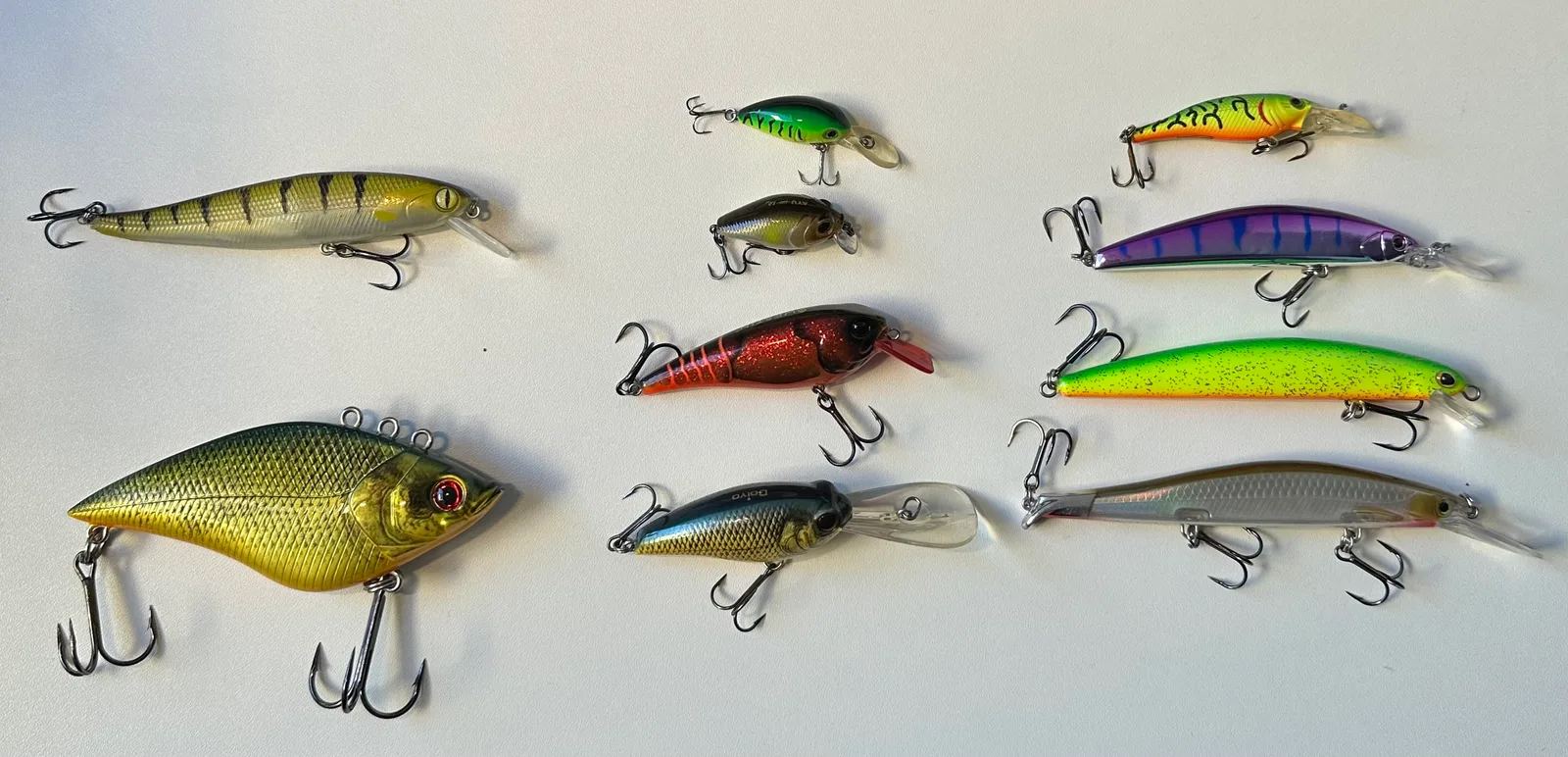
The best fishing lures for a first box: ten that cover every season and depth, what the pros threw in 2025, a season table, a species table and colors.
techniques
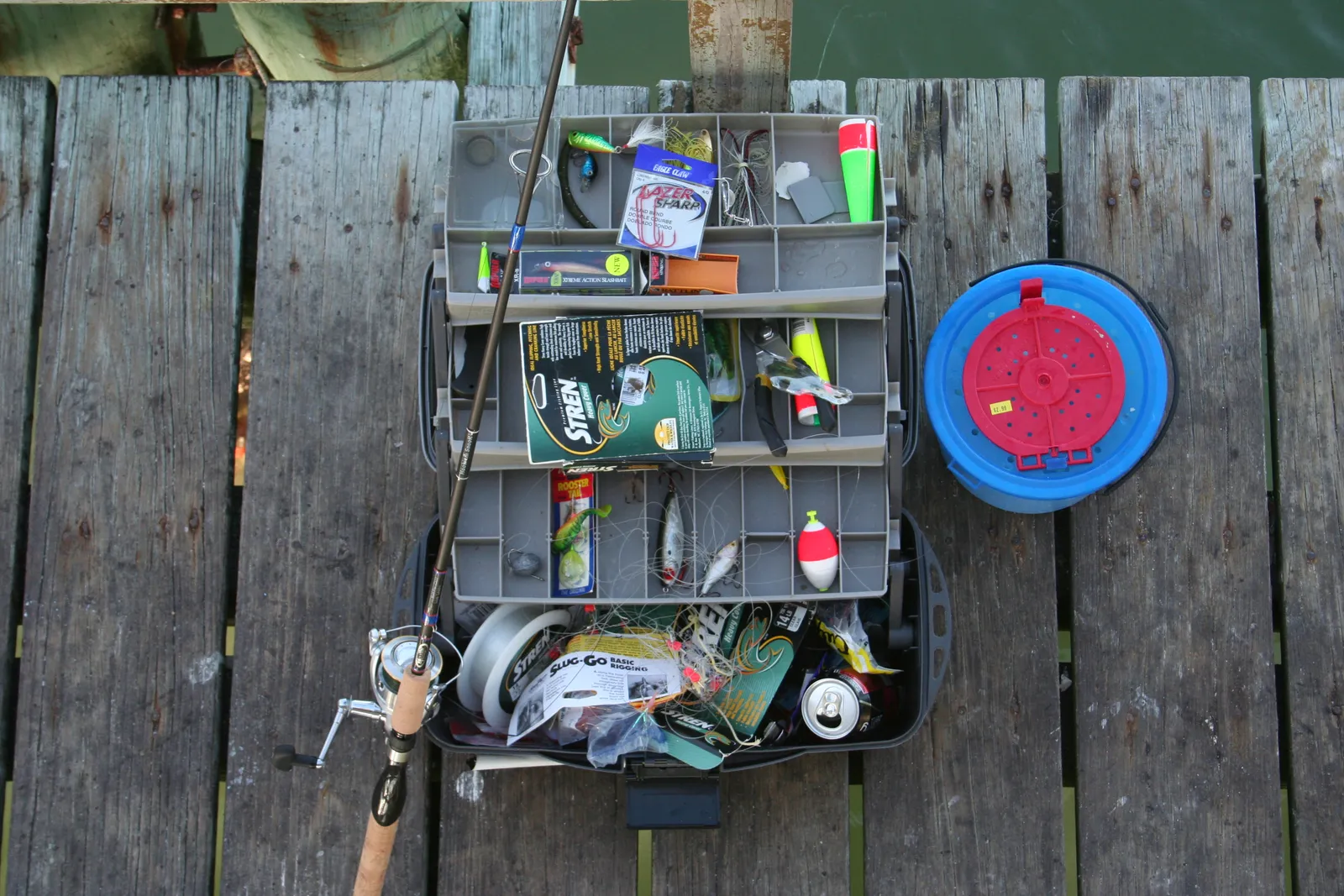
Fishing terms and slang, A to Z: 690+ words in plain English, from bail and drag to hawg, dink and honey hole, plus 32 acronyms anglers use.
gear
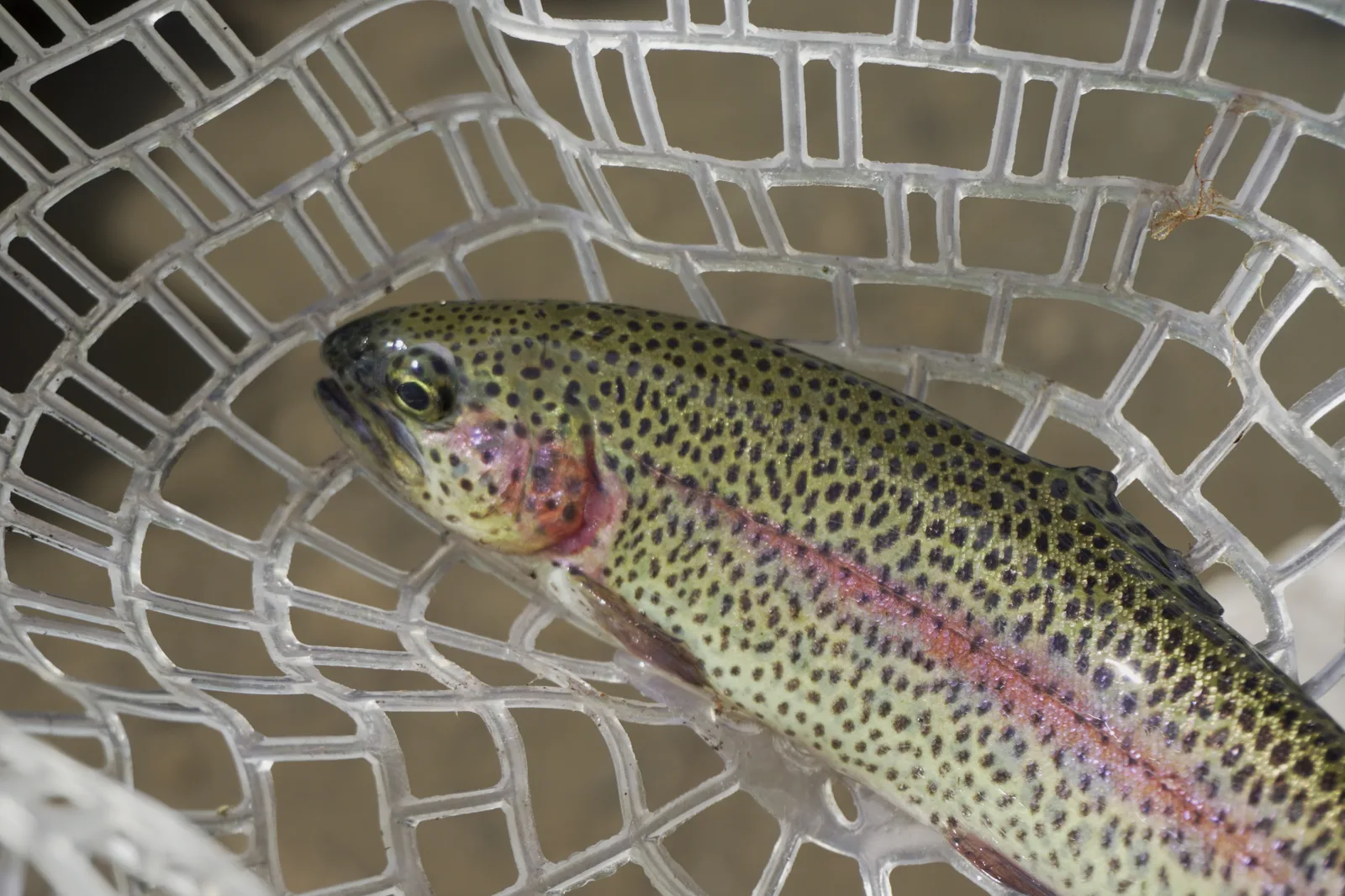
The fishing net most anglers need is a rubber-mesh landing net sized to their fish. What two mesh studies found, hoop sizes by species, and 7 picks.
gear
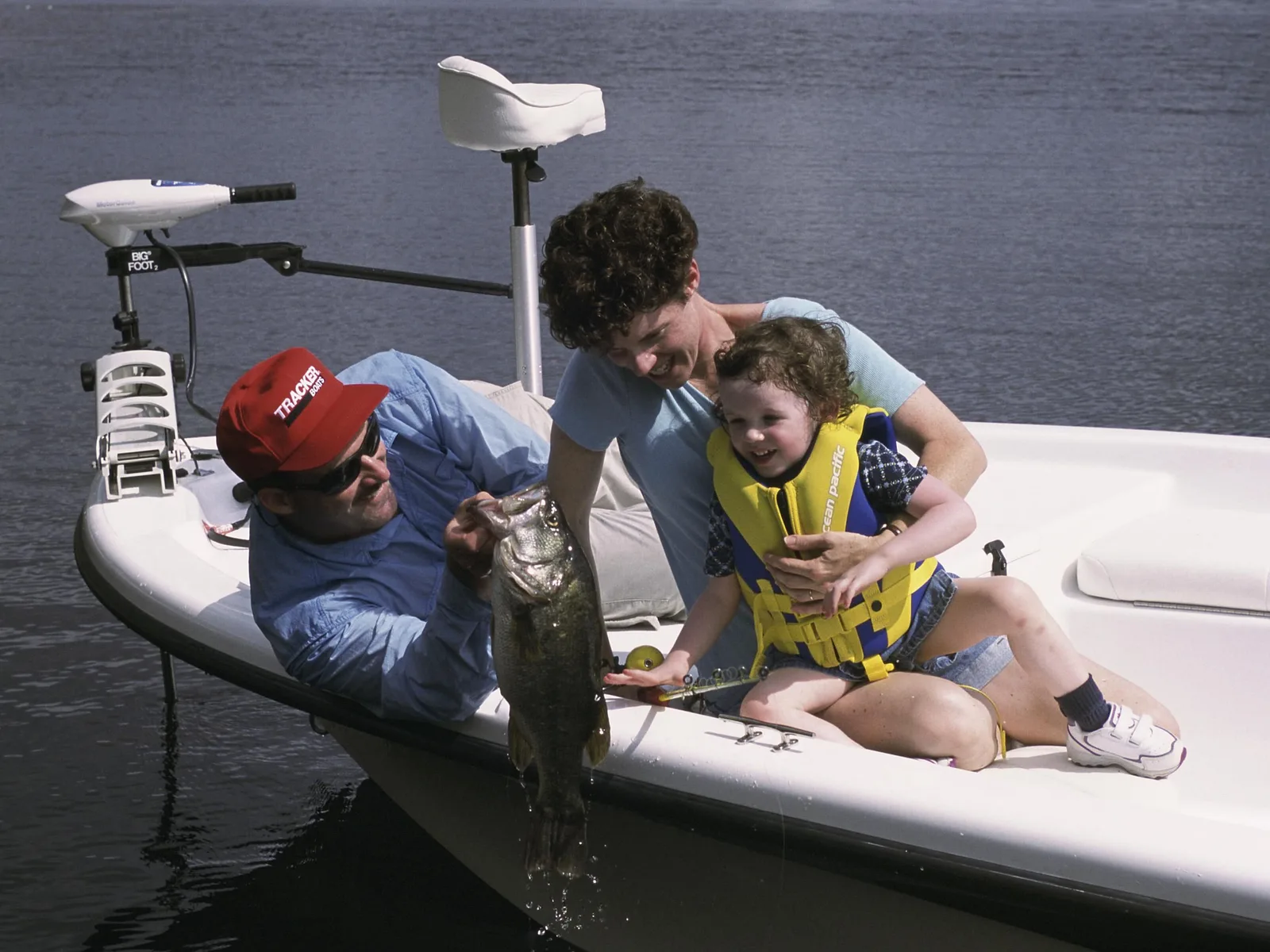
The best fishing line for bass is four setups: 10 lb braid to a 6–8 lb leader for finesse, 12 lb fluoro, mono for topwater, 50–65 lb braid for cover.
gear
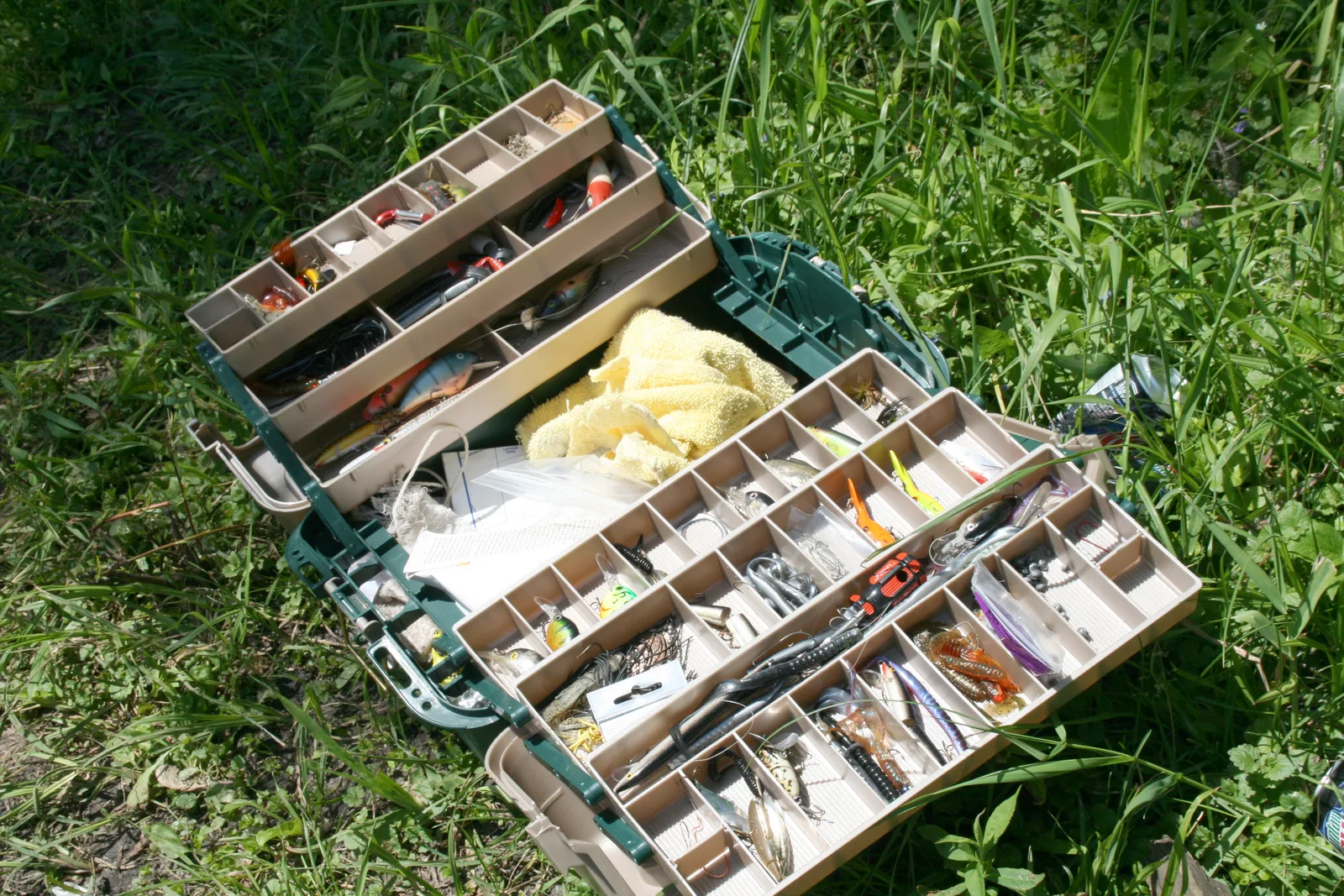
Every Plano tackle box series and size: StowAway, ProLatch and EDGE trays, racks, bags and kits, with Plano's own prices and what each model number means.
lures
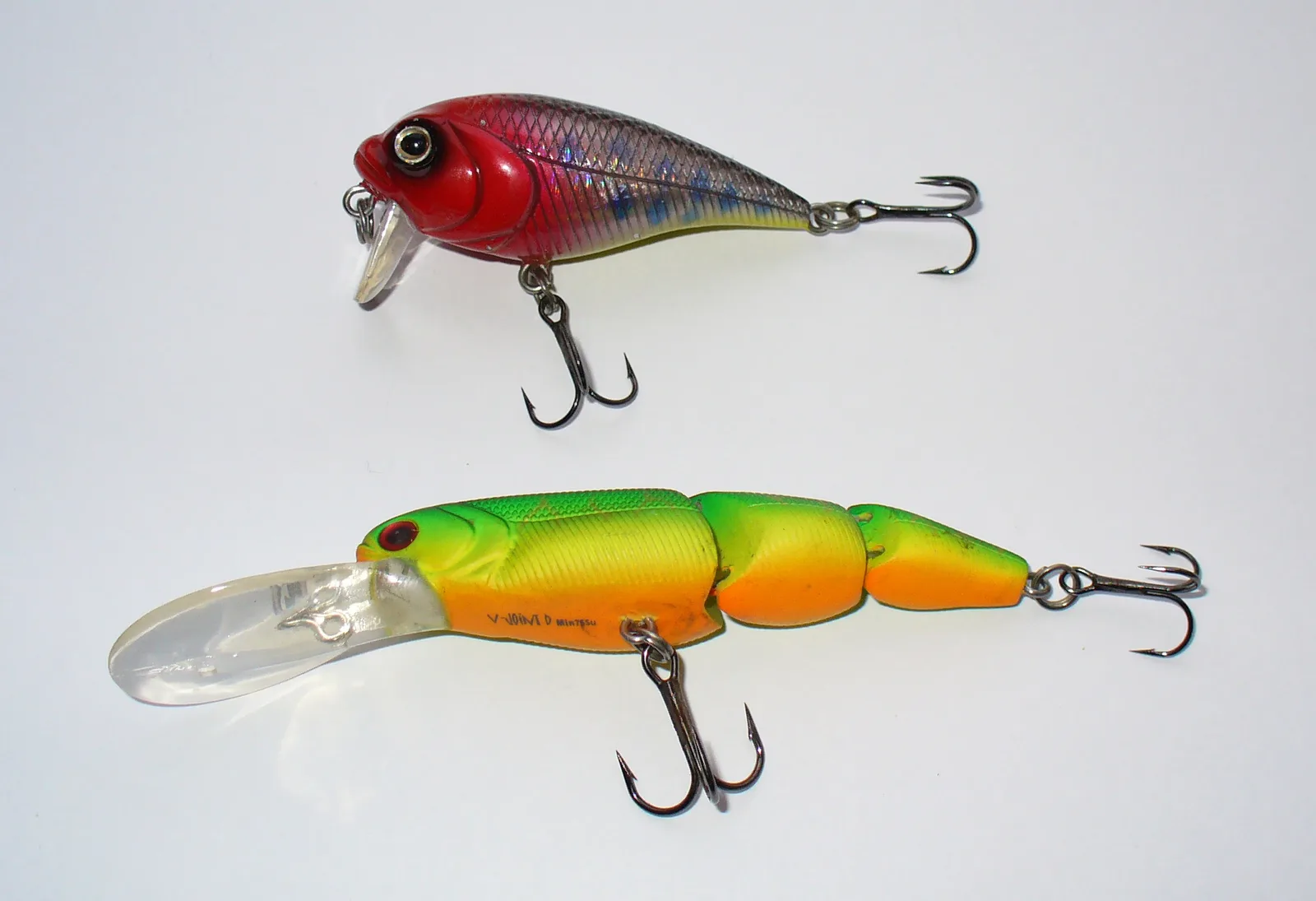
A squarebill crankbait runs 0–6 ft and deflects off wood and rock instead of snagging. Depth by model, the retrieve, rod and line, seasons, colors, sound.
species
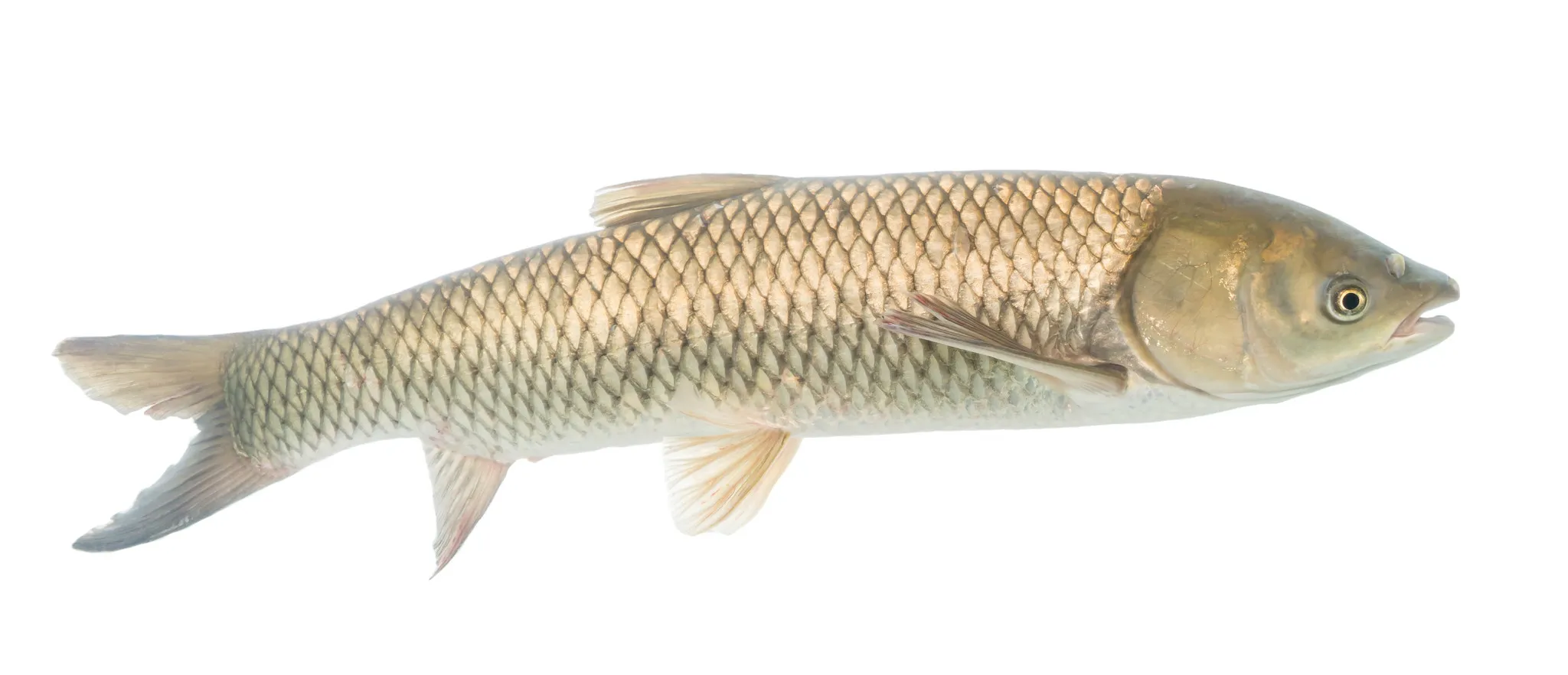
Grass carp (white amur): no barbels, a short back fin, up to 48 in and 50 lb or more. Triploid rules by state, the baits that catch them, and eating one.
species
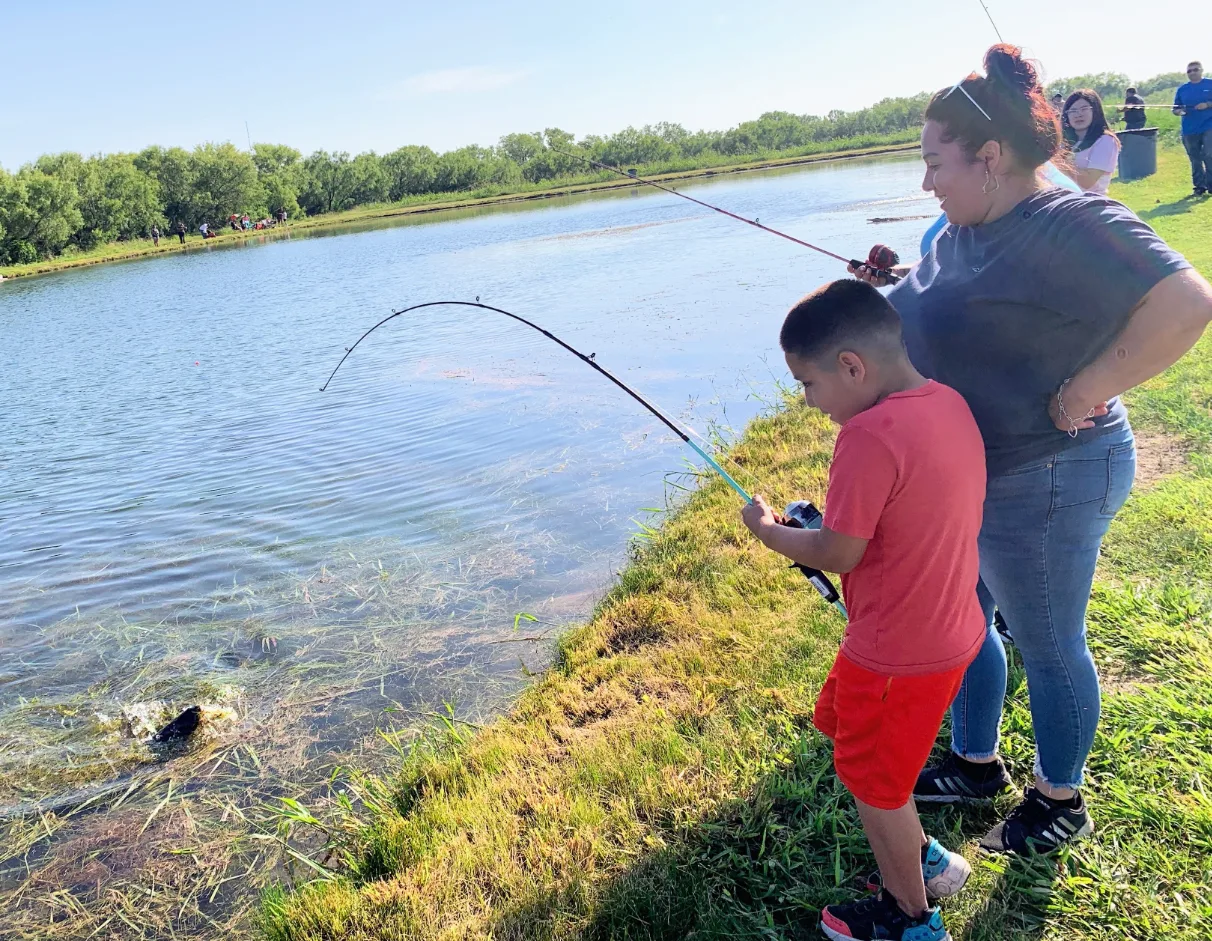
How to catch catfish: the bait, rig, hook and water for channel, blue and flathead catfish, where they are by day and night, and a trip step by step.
species
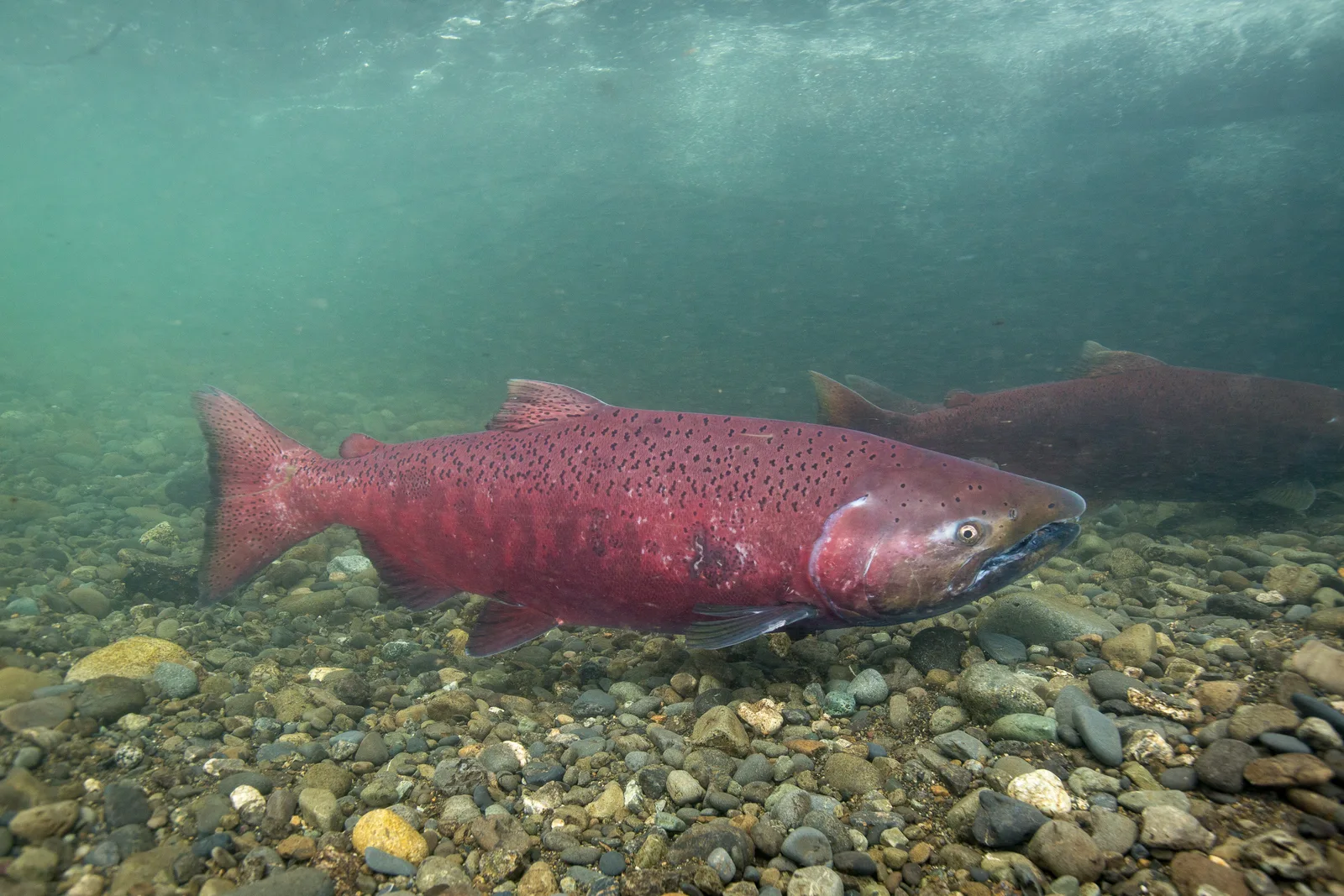
King salmon, or chinook: the black gums that mark a king, how big they get from Alaska to the Great Lakes, when each run starts, and the 97 lb 4 oz record.
species
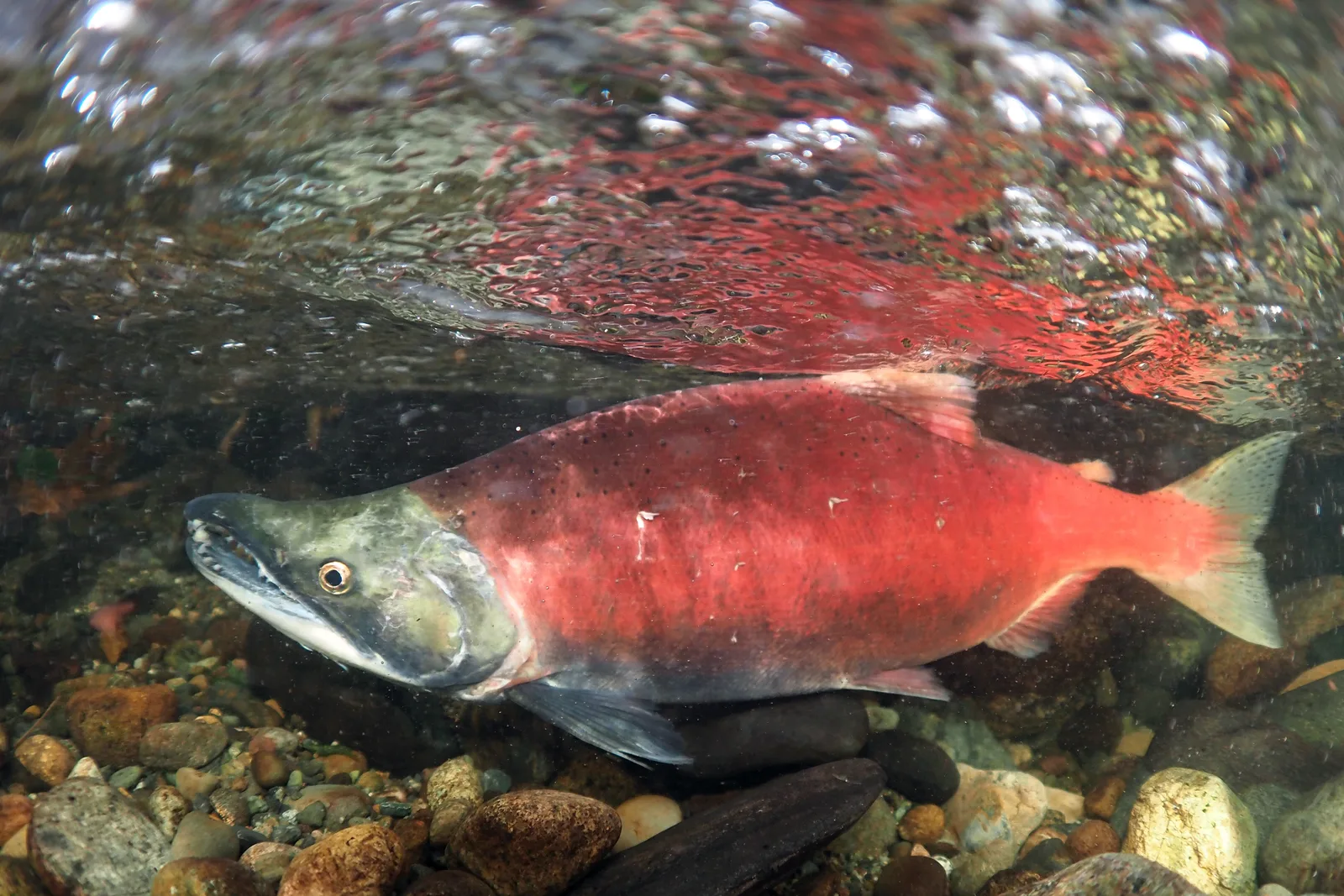
Kokanee salmon are sockeye that never reach the sea. How to tell one, the 50 °F depth they hold at each season, how to troll for them, and the record.