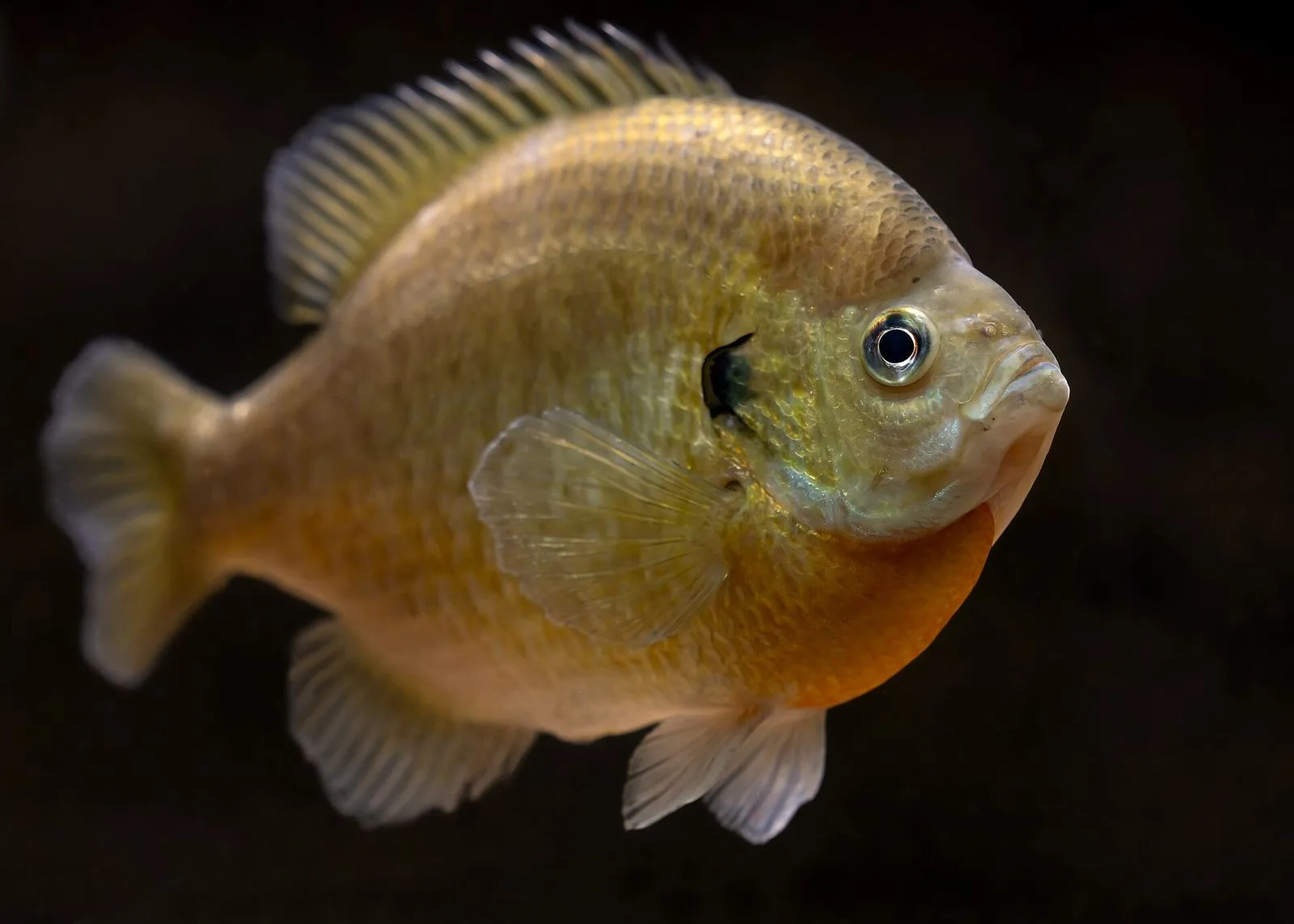
A herring talks to its school by blowing streams of bubbles out of its rear end, and the scientists who proved it won the 2004 Ig Nobel Prize in Biology. There are more than 33,000 kinds of fish, and the questions about them are the same everywhere: do fish sleep, do they feel the hook, can they hear you talking, why does a fish out of water die? Each answer changes something you do when you have a fish on the line, in your hands, and back in the water.
Rainbow trout kept out of the water for 60 seconds survived 28% of the time; trout returned with no air time survived 88%. Ten seconds is the number to teach a child before the first cast.
Start here
Senses and feelings
- Do fish feel pain? — trout have 58 pain receptors on the head and lips, scientists argue about what the fish feels, and hook location decides who swims away.
- Do fish have feelings? — stress hormones, a fish that passed the mirror test, and why a fight is an escape, not anger.
- Do fish have brains? — the three-second memory is a myth; goldfish learned to drive a tank on wheels, and carp remember a hook for days.
- Do fish hear? — no ears you can see, yet a catfish heard a whistle from 213 ft (65 m); your voice barely reaches them, your footsteps do.
- Do fish see water? — no more than you see air; the whole sky squeezes into a 97-degree window above the fish, which is why you crouch.
How a fish works
- Do fish sleep? — yes, without eyelids; a zebrafish sleeps 58% of the night, and a bullhead lies on the bottom tilted like a parked bike.
- Do fish drink water? — freshwater fish almost never do, saltwater fish drink all day, and the difference explains the livewell.
- How do fish breathe? — gills, countercurrent blood flow, and the table of how much oxygen water holds at every temperature.
- Do fish drown? — not the way we do, but they suffocate, and dragging a fish backward to “revive” it is the wrong move.
- How do fish reproduce? — eggs by the thousand, a father bass that guards the nest, and a perch that lays a 7 ft (2 m) ribbon.
- Do fish have bones? — most do, sharks do not, and 16 kinds of Antarctic icefish have blood as clear as water.
- Do fish get cold? — a fish is as cold as its water, some carry antifreeze, and winter bass still swim and nibble.
The odd ones
- Do fish have teeth? — nearly all do, some in the throat; the sheepshead has molars, and pike keep theirs all summer.
- Do fish have tongues? — a bony fold with no taste buds, sometimes with teeth on it, once replaced by a parasite.
- Do fish fart? — herring do, on purpose; most other fish burp their gas out, and a shark gulps air to float.
Which facts are worth repeating at the water?
| Fact | The number | Who measured it |
|---|---|---|
| A zebrafish sleeps | About 58% of the night and 5% of the day; six hours kept awake costs it 30% of its sleep | Yokogawa et al. 2007 |
| Herring talk with bubbles | Sounds of 1.7–22 kHz lasting up to 7.6 seconds, mostly at night; 2004 Ig Nobel Prize | Wilson, Batty and Dill 2004; SAMS |
| A female largemouth bass lays | 2,000–7,000 eggs for every pound (0.45 kg) she weighs; the male guards the nest | NC Wildlife via NCpedia |
| Pike never lose their teeth in summer | A 1935 Michigan study found normal gums; teeth are shed and replaced one at a time, all year | Michigan DNR 1935; Outdoor News 2023 |
| Icefish have clear blood | 16 Antarctic species lost their hemoglobin genes about 8.5 million years ago | Sidell and O’Brien 2006 |
| Some sharks must swim to breathe | Ram ventilation: the mouth stays open and the swimming pushes water over the gills; stop, and the breathing stops | Discover Wildlife 2024 |
| Carp remember the hook | Caught once and released, they were 57–62% harder to catch for 5–7 days | Lovén Wallerius et al. 2020 |
| Anglers start young | 86% of US anglers first fished before age 12 | ASA and RBFF 2026 |
| Air time kills trout | Exhausted rainbow trout survived 88% with no air, 62% after 30 seconds, 28% after 60 seconds | Ferguson and Tufts 1992 |
| Sound moves faster in water | About 4.3 times faster: about 4,900 ft/s (1,500 m/s) against 1,100 ft/s (340 m/s) in air | NOAA Ocean Service |
| Water holds little oxygen | About 8 cm³ per liter (0.27 fl oz per quart) against 210 in air, one twenty-sixth | Wikipedia, Fish gill |
| Gills are very good at their job | They recover more than 80% of the oxygen in the water passing over them | FISHBIO 2016 |
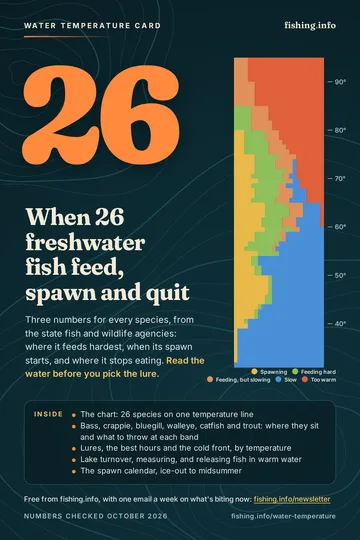
Two rows change how you fish. The oxygen row explains why a bass sits deep on a hot afternoon and why a livewell needs a pump: water at 90 °F (32 °C) holds about half the oxygen of water at 32 °F (0 °C). The water-temperature chart has those numbers for 26 species. The air-time row is the habit good anglers share: unhook the fish in the water when you can, take the photo over the water, and count to ten. A 2015 review of the research lands on about ten seconds as the safe limit, and the catch and release page shows the hold and the ten seconds step by step.
What do you tell a child who asks?
Four of these questions come up in the car, and each has an answer short enough for a red light.
- Does it hurt the fish? The fish has pain receptors and a stress response; whether it suffers the way we do is argued over by scientists (Sneddon 2003 against Rose 2014). What is settled is what helps: a hook in the lip, a short fight, a fast release with wet hands.
- Can the fish hear us? Barely, if you talk. Almost all of a voice bounces off the surface. Feet stamping on a dock and a tackle box dropped in a boat go straight into the water, so the rule is quiet feet, not quiet mouths.
- Why do we put it back? Because it grows, and because it learns. A carp that has been caught avoids the hook for days, which means the fish you release today is the smarter fish you catch next summer.
- Why can’t it breathe up here? Its gills need water flowing through them. Out of the water the thin gill plates stick together and the oxygen stops. That is where the ten-second count comes from.
For the first trip itself, the fishing for beginners guide covers the rod, the bait and the fish to start with.
For the fish under your bobber, the species profiles cover what each one eats and where it lives. For what wind, cloud, rain and the moon do to the bite, read fishing weather.
All articles
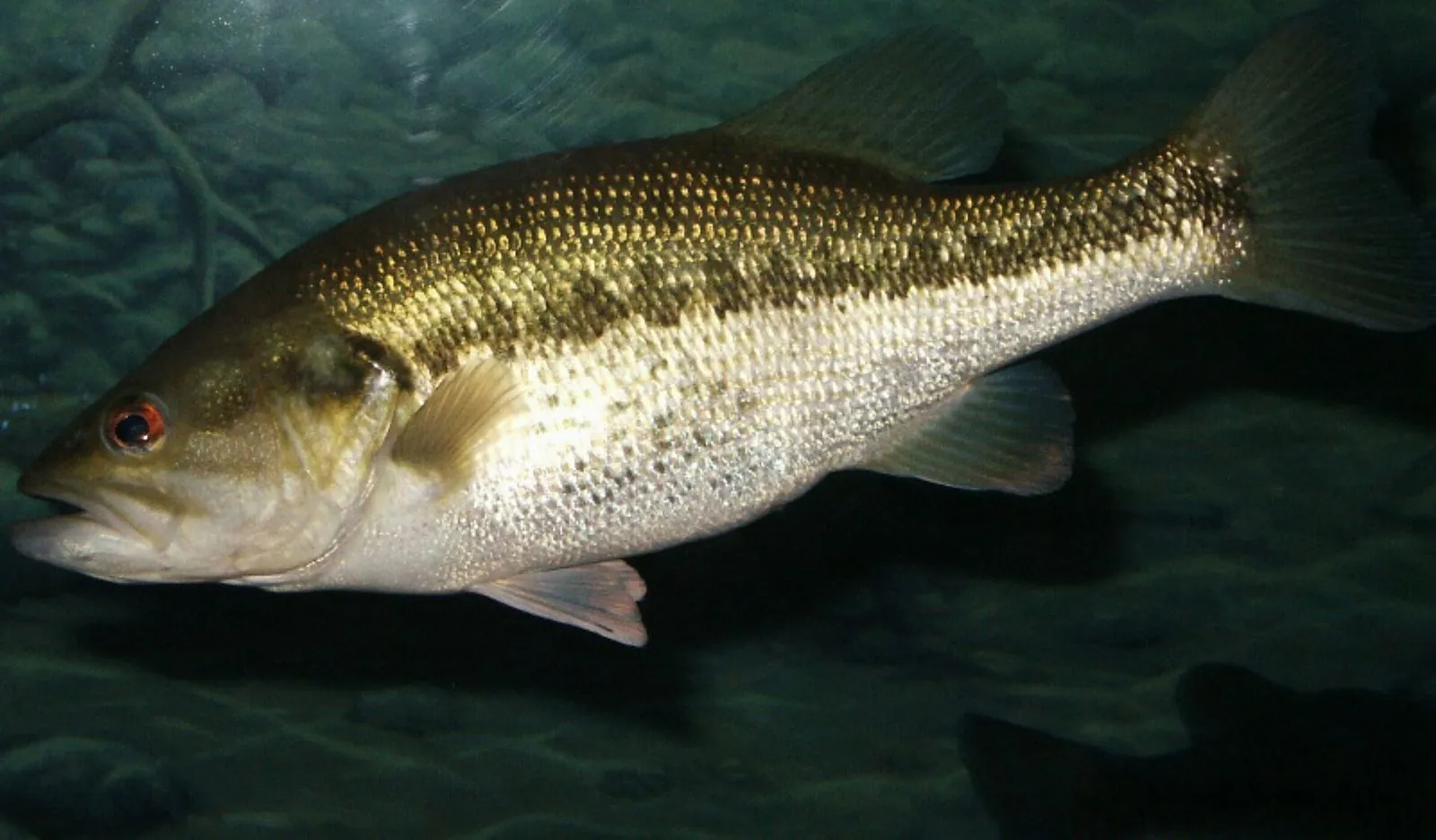 Do Fish Drink Water? Freshwater Fish, Saltwater Fish and Sharks
Do fish drink water? Freshwater fish barely do, saltwater fish drink all day, sharks cheat with urea. The numbers, and what it means for bait and livewells.
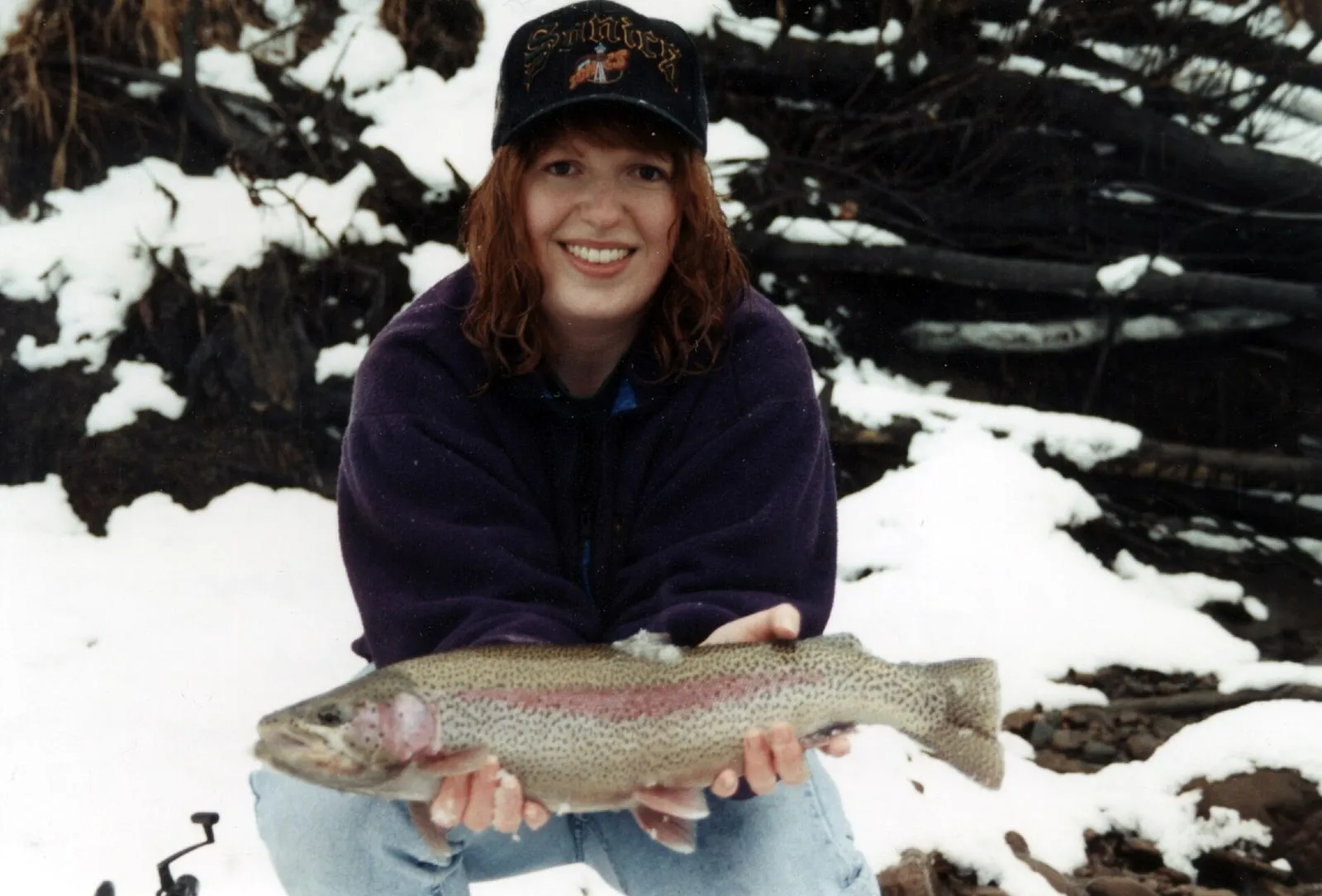 Do Fish Drown? How Fish Suffocate, and How to Revive a Tired One
Do fish drown? Not by the dictionary, but they suffocate three ways: low oxygen, damaged gills, no water flow. How long a fish lasts in air, how to revive one.
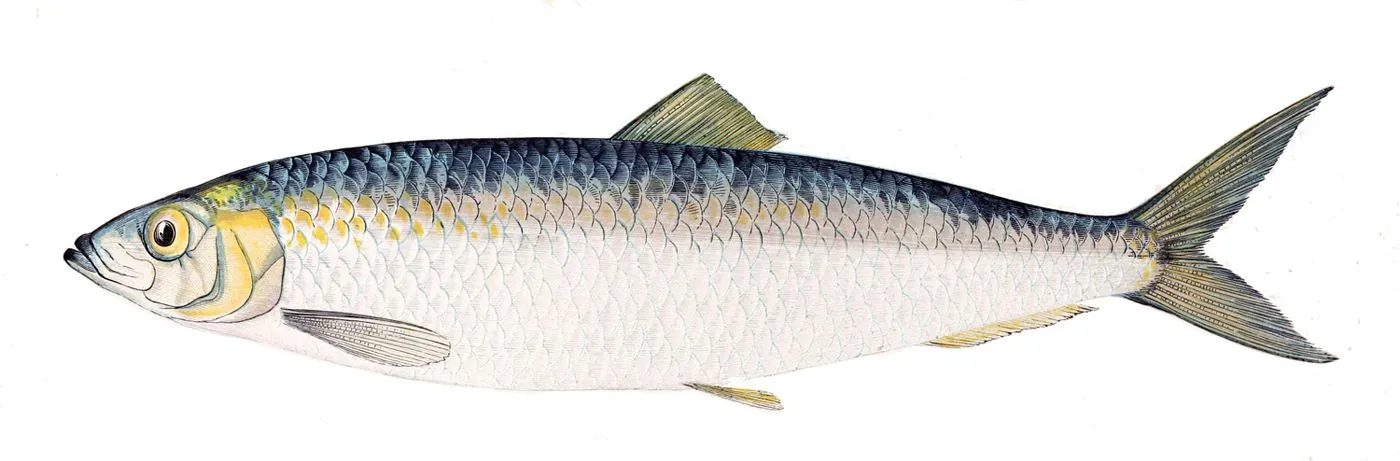 Do Fish Fart? Yes, Herring Do It on Purpose, and a Bloated Bass Needs Help
Do fish fart? Herring do, on purpose, and scientists won a prize for proving it. Which fish pass gas, where it goes, and what to do with a bloated bass.
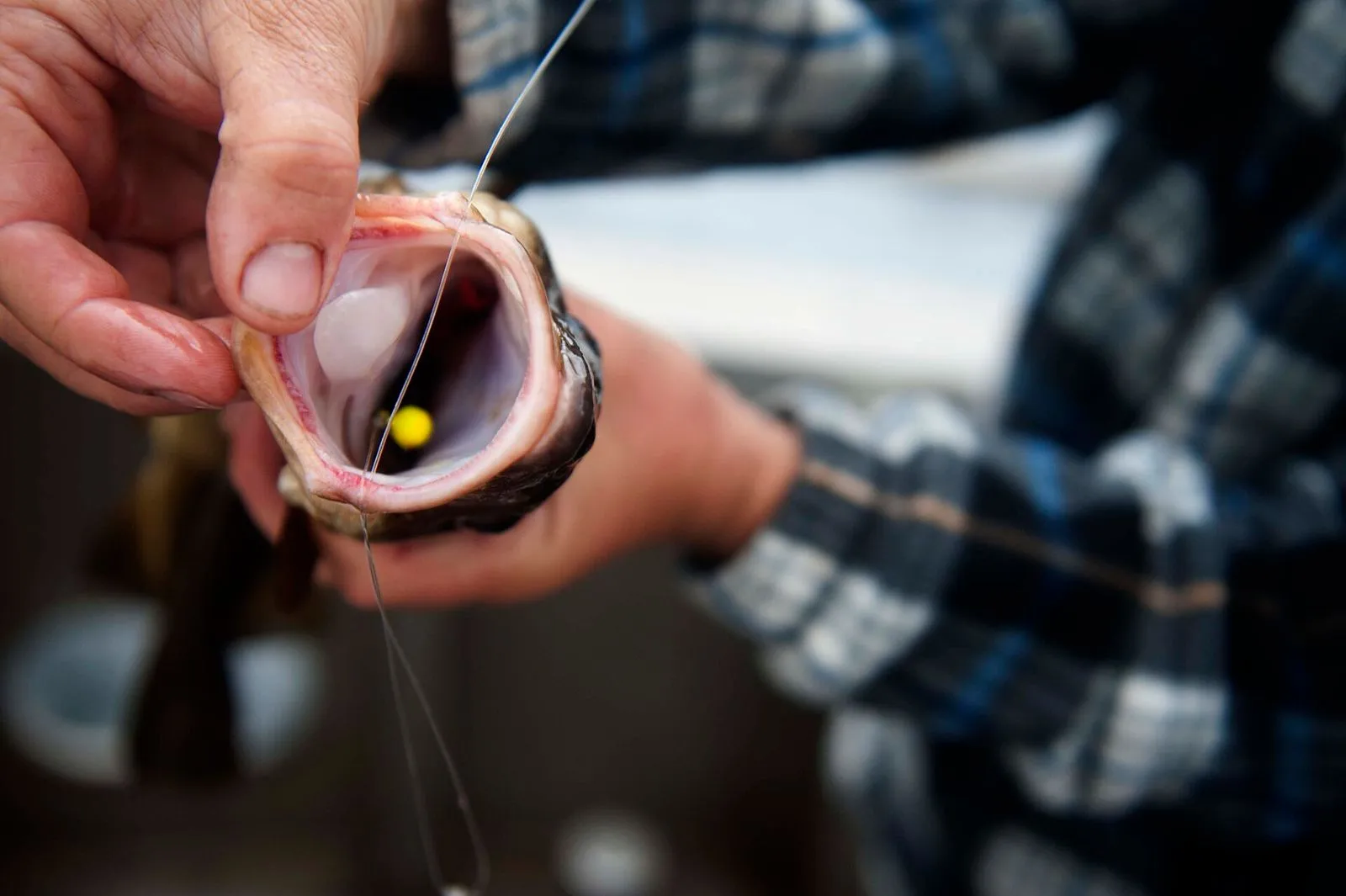 Do Fish Feel Pain? What the Studies Found, and What Decides Whether a Released Fish Lives
Do fish feel pain? They sense damage and react; whether they suffer is contested. The trout study, both camps, and what decides if a released fish lives.
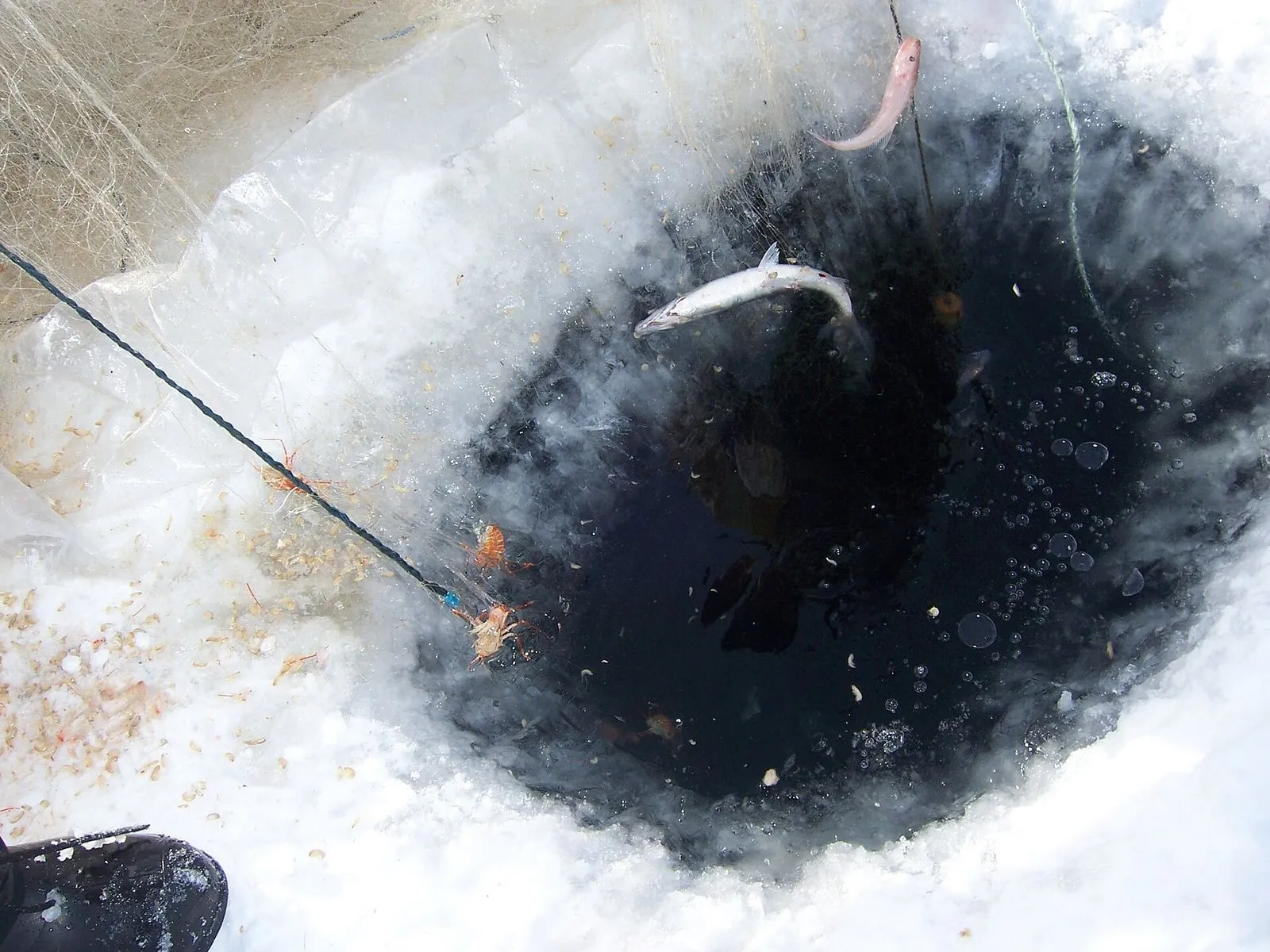 Do Fish Get Cold? What Winter Does to a Fish, and the Ones With Antifreeze in Their Blood
Do fish get cold? Yes: a fish is as cold as its water and feels it as slowness. What fish do in winter, who carries antifreeze, and how to fish cold water.
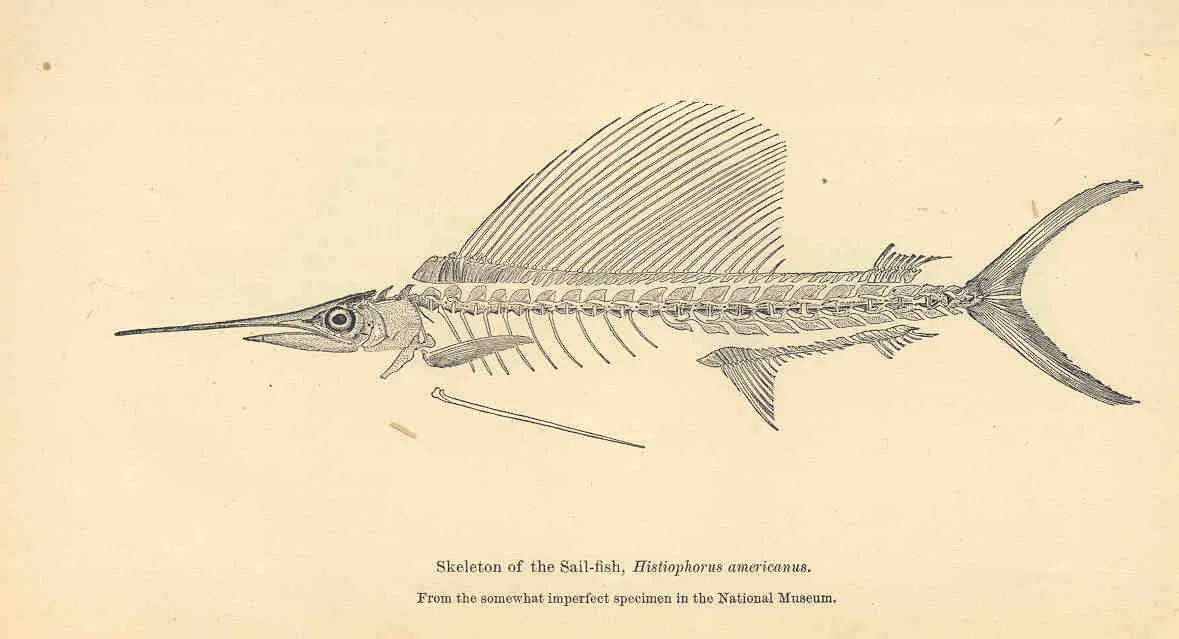 Do Fish Have Bones, Hearts and Blood? What Is Inside a Fish
Do fish have bones? Most do; sharks run on cartilage and 16 icefish have clear blood. How skeleton, heart and blood work, and what it means for your fillets.
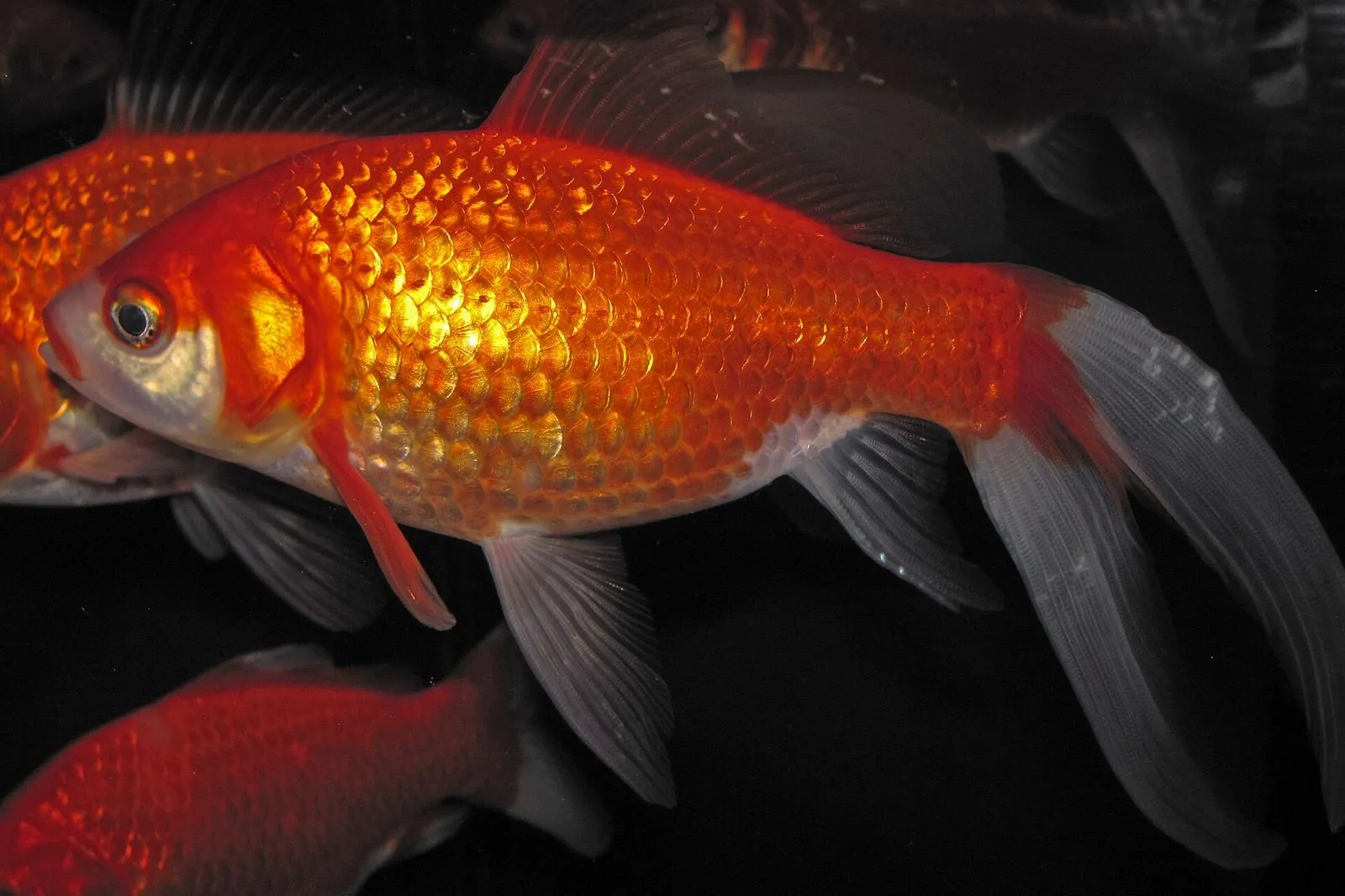 Do Fish Have Brains? Memory, Learning, and Why the 3-Second Myth Is Wrong
Do fish have brains? Yes: a full brain, no neocortex, a memory that lasts months. What goldfish, carp and pike learned, and what it means at the water.
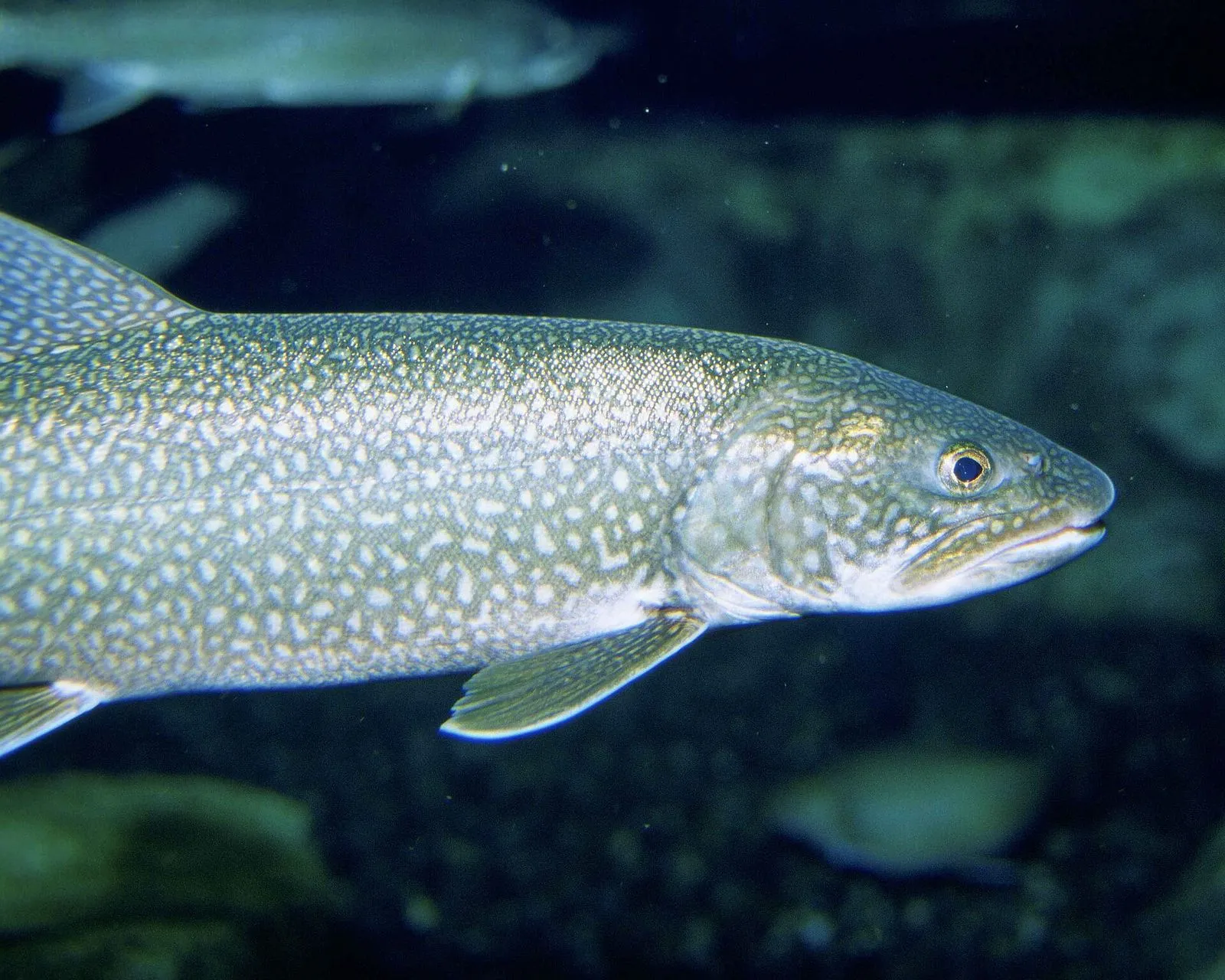 Do Fish Have Feelings? What Science Knows, and What It Means When You Catch One
Do fish have feelings? They get stressed, learn fear by watching, and one fish passes the mirror test. Both camps, and how to release a fish so it recovers.
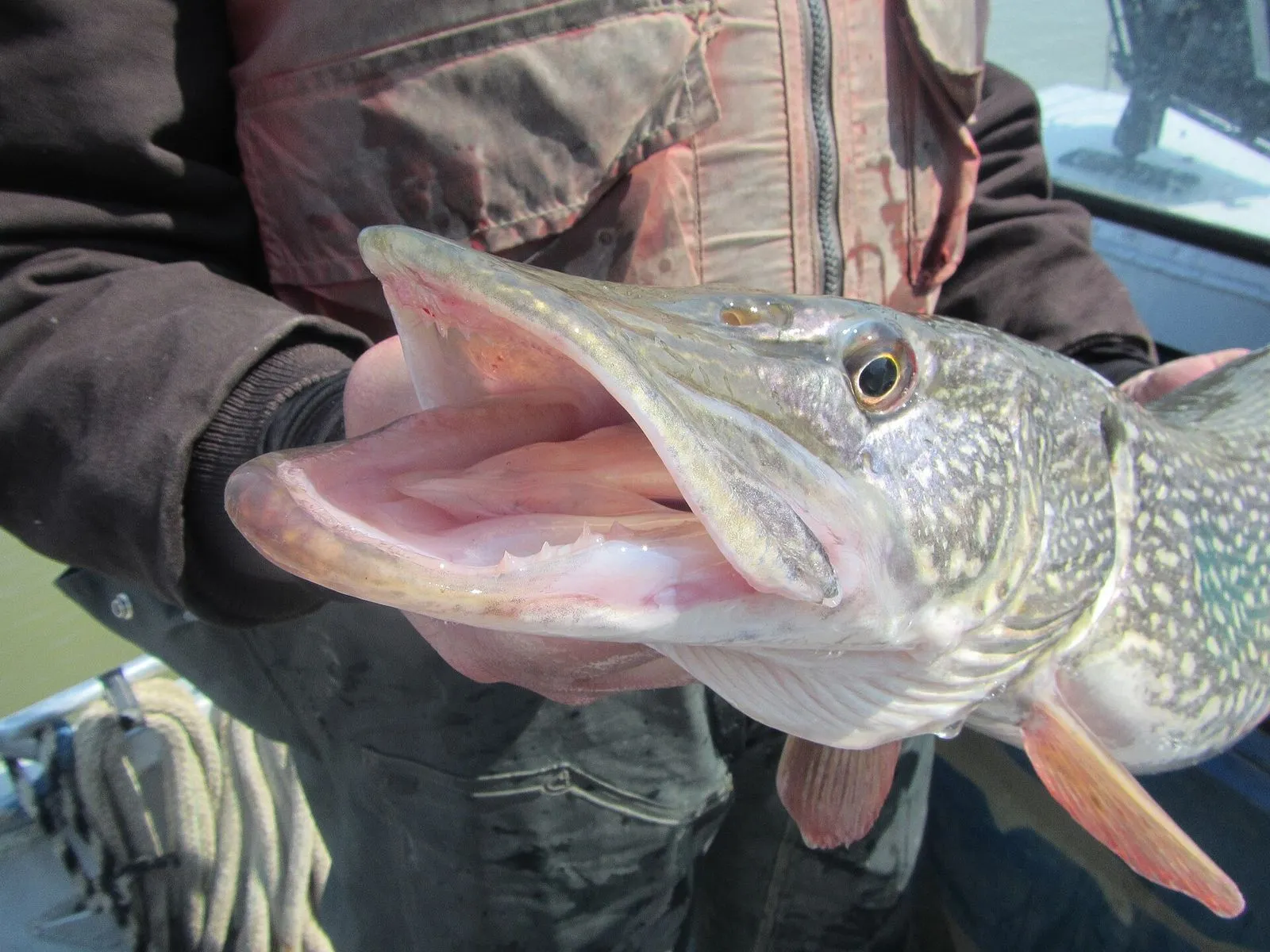 Do Fish Have Teeth? Which Fish Bite, Which You Can Lip, and When You Need a Leader
Do fish have teeth? Nearly all do, grown from scales and replaced for life. Which fish bite hardest, which you can hold by the lip, and when you need a leader.
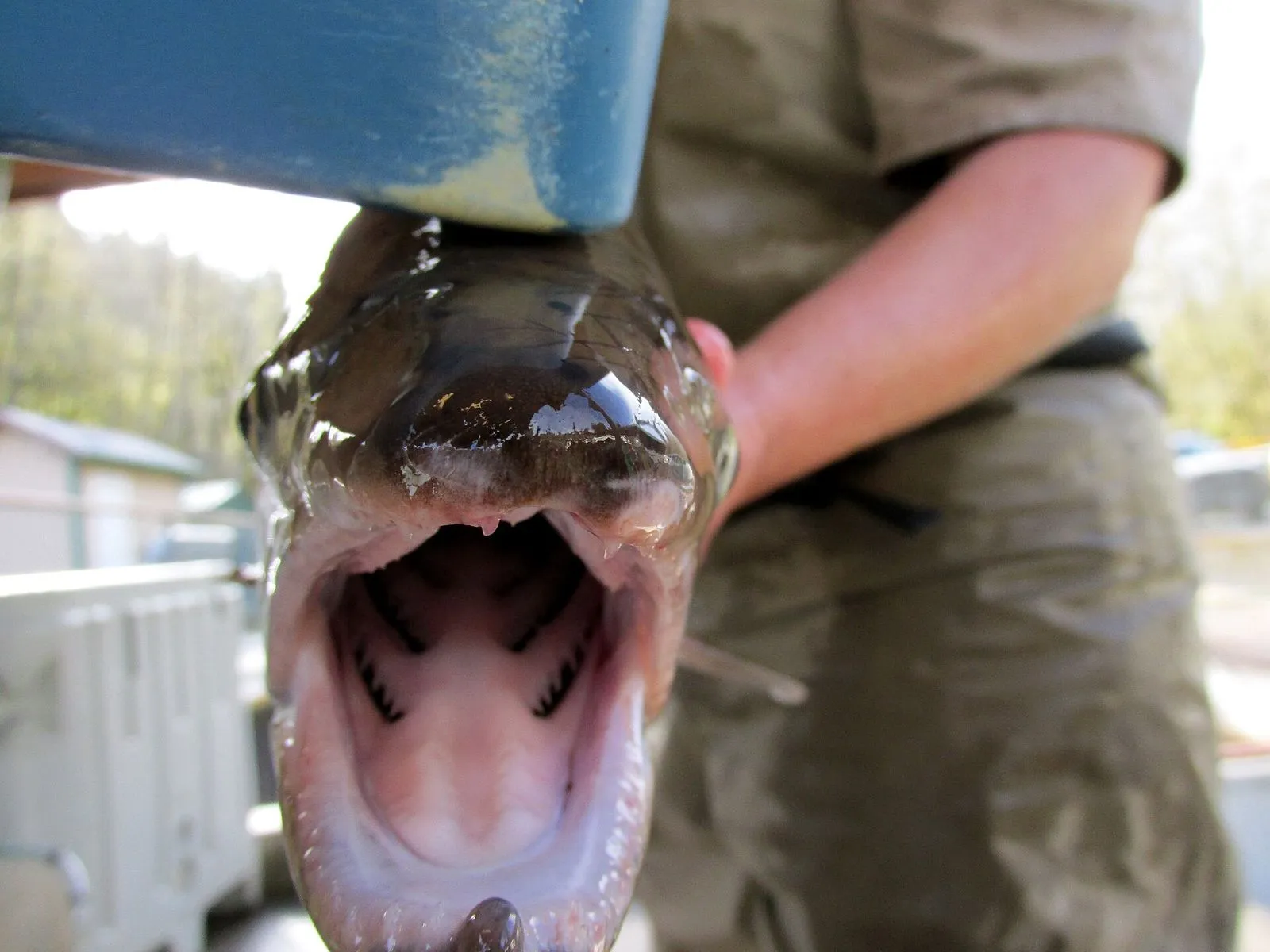 Do Fish Have Tongues? The Bony Basihyal, How Fish Taste, and the Louse That Takes a Tongue's Place
Do fish have tongues? Yes, a bony one with no muscles or taste buds. How fish taste with lips and skin, and the louse that replaces a tongue.
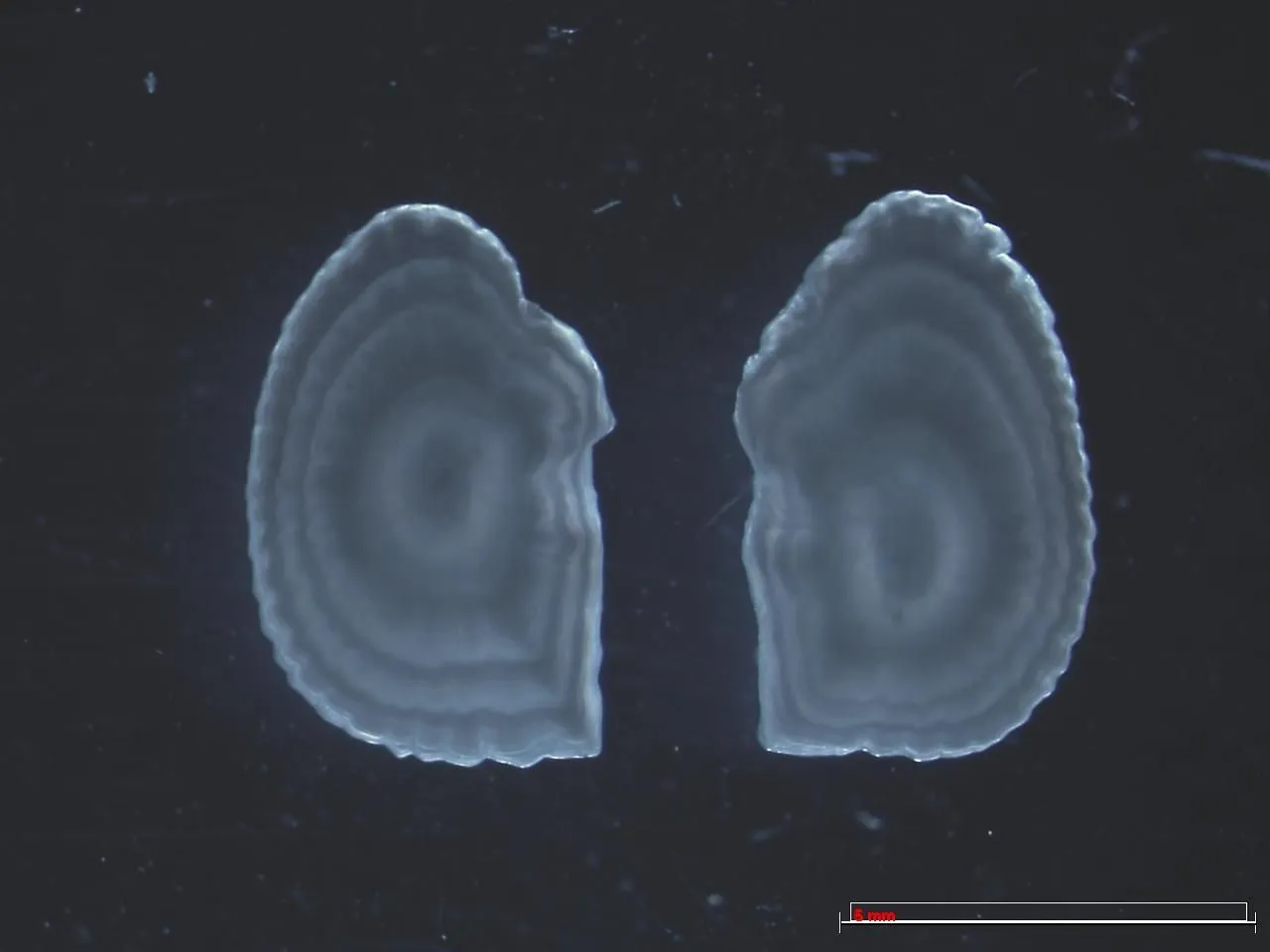 Do Fish Hear? Ears Without Eardrums, the Lateral Line, and What Scares Them
Do fish hear? Yes, with inner ears and no eardrums. How well bass, carp and catfish hear, what your voice does, and which noises to avoid.
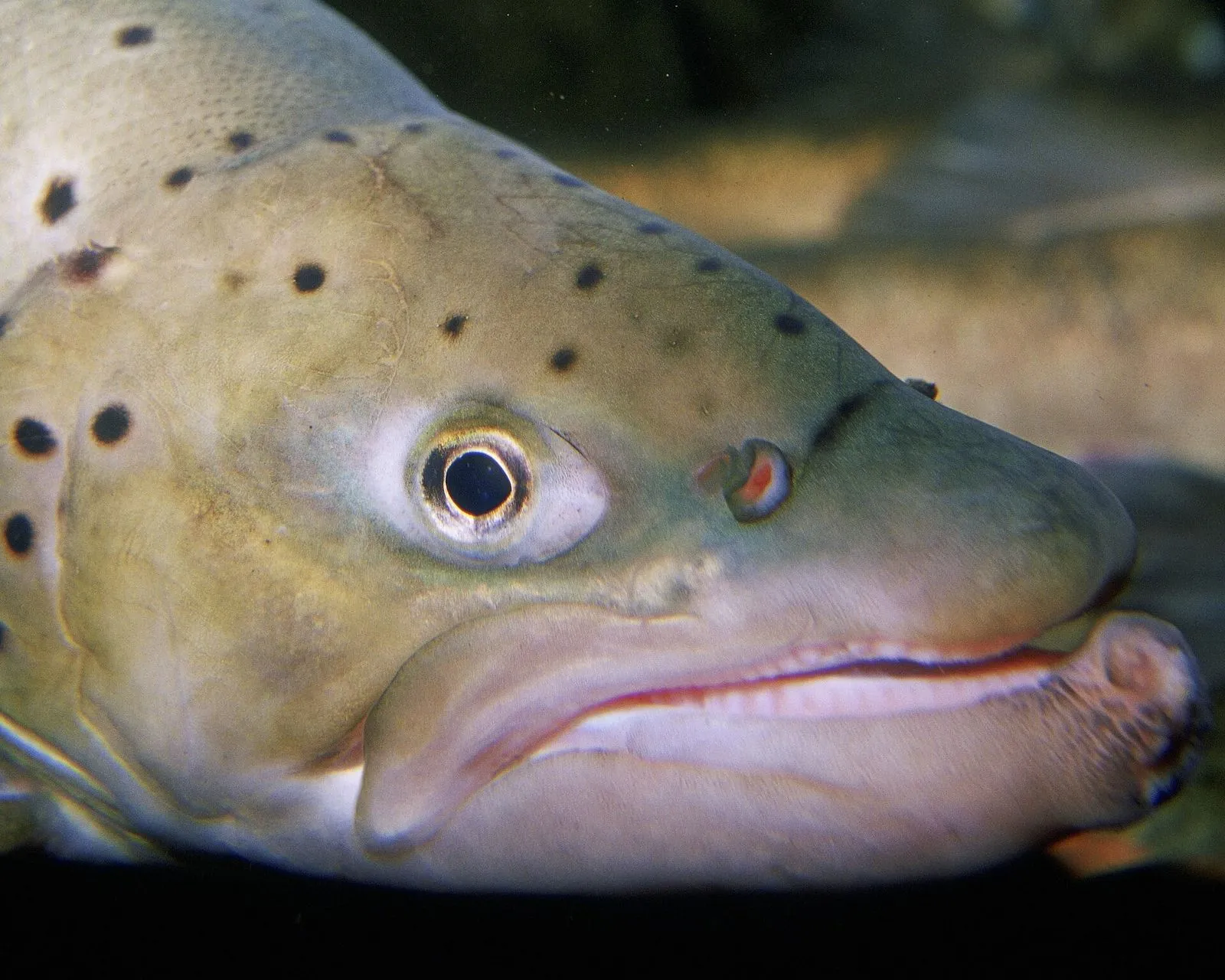 Do Fish See Water? How a Fish Eye Works, What a Bass Sees, and Why You Stay Low
Do fish see water? No, they see through it. How a fish eye works, what a bass sees above the surface and in color, and how to stay unseen.
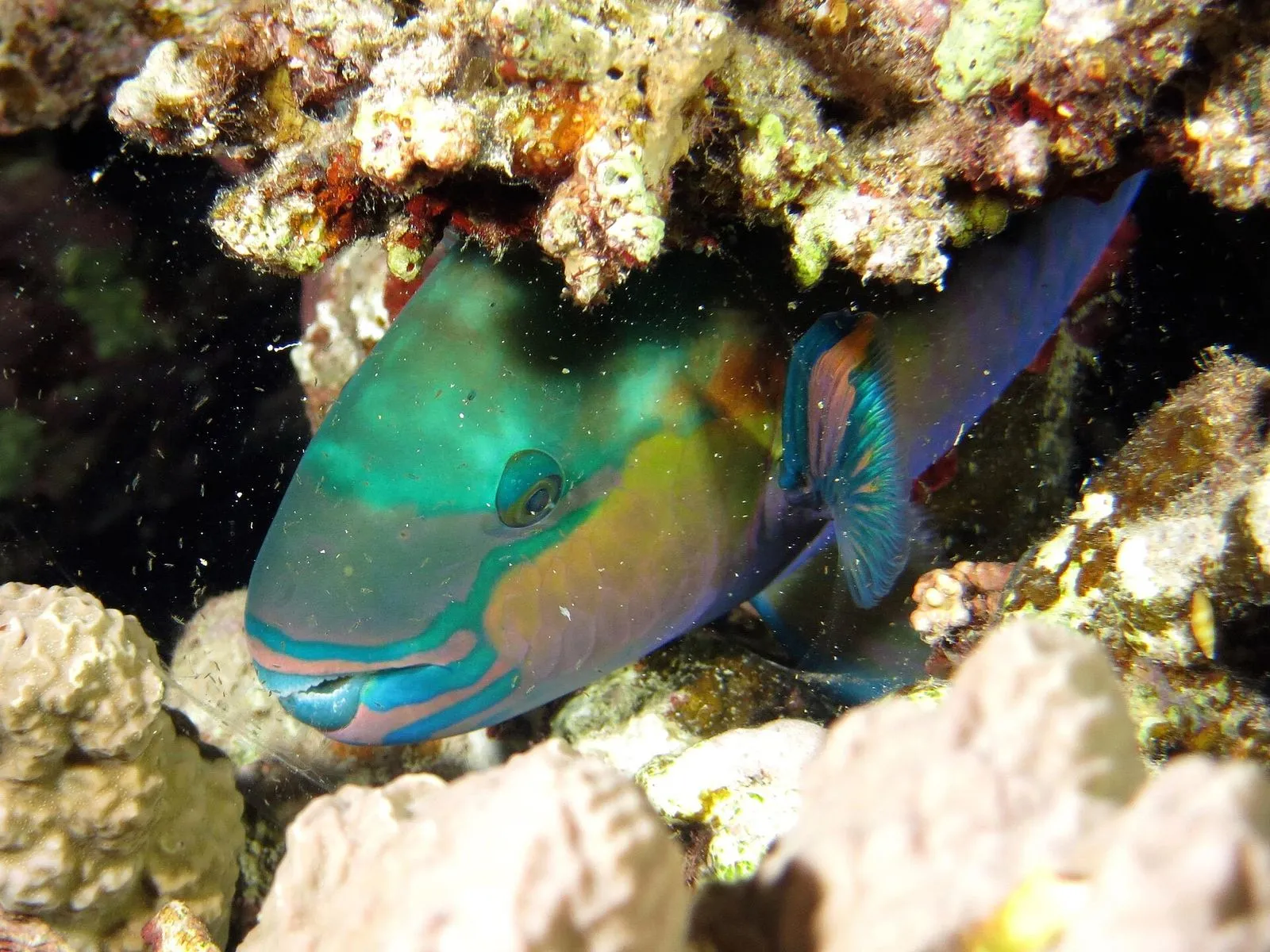 Do Fish Sleep? What Science Found, and When Your Fish Are Resting
Do fish sleep? Yes, in their own way: how fish rest with no eyelids, how to spot a sleeping fish, and which game fish rest or hunt at night.
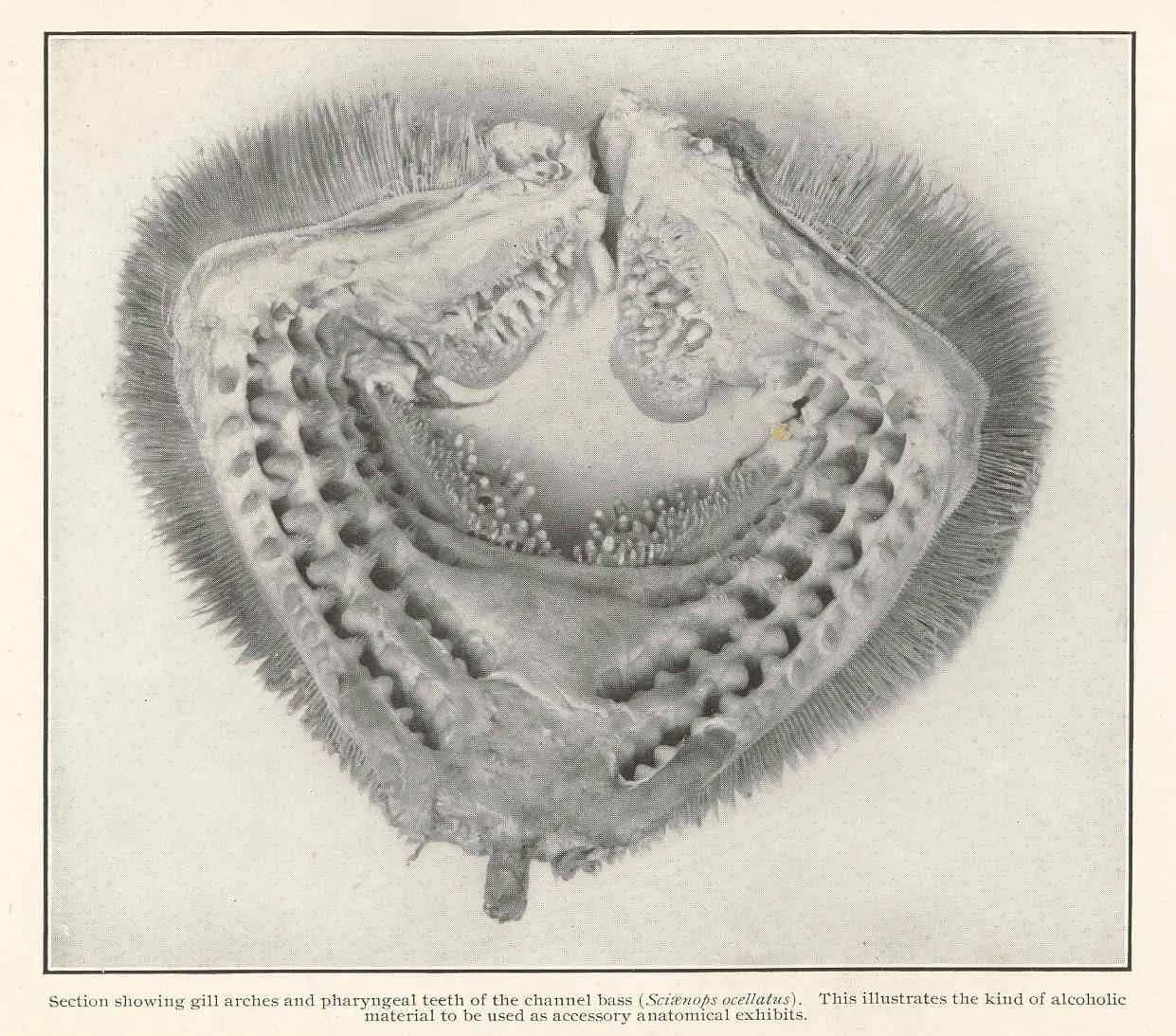 How Do Fish Breathe? Gills, Oxygen in Water, and Why Summer Fish Go Deep
How do fish breathe? With gills, from water that holds 1/26 the oxygen of air. The oxygen-by-temperature table and the livewell numbers.
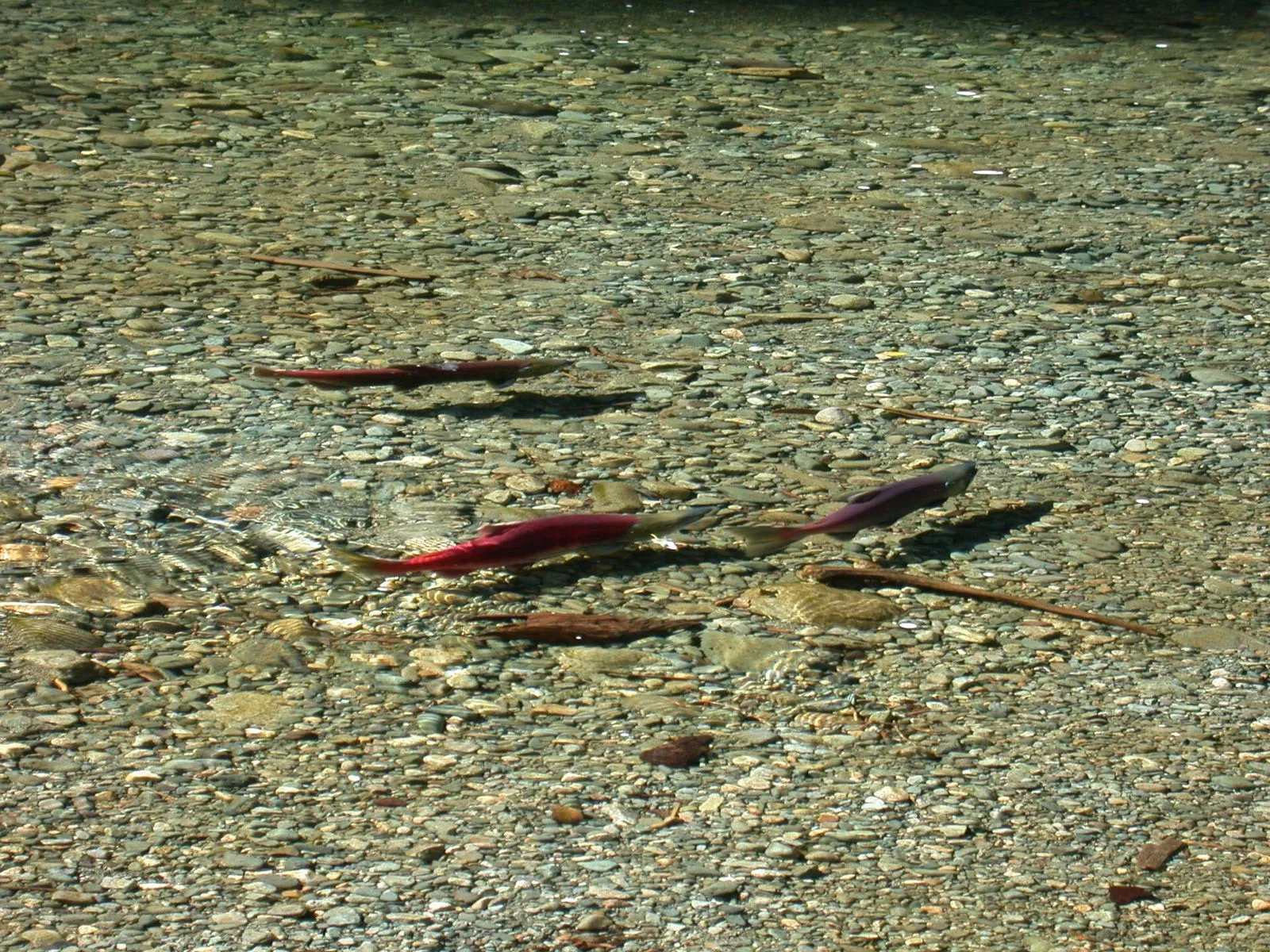 How Do Fish Reproduce? Eggs, Milt, Nests and the Fathers Who Guard Them
How do fish reproduce? Most lay eggs the male fertilizes in the water; sharks and guppies give birth. Egg counts, nest builders, and fishing the spawn.
Free download
The water temperature card
Read your water temperature and the card tells you who is spawning, who is feeding and what to throw. 26 species, 16 pages, for your phone and the tackle box.
Plus one email a week on what's biting now. No sales pitches. Privacy.
Sources
- Wilson, B., Batty, R. S. and Dill, L. M. (2004), Pacific and Atlantic herring produce burst pulse sounds, Proceedings of the Royal Society B
- Scottish Association for Marine Science (2004), Ig Nobel Prize for herring research
- Yokogawa et al. (2007), Characterization of sleep in zebrafish and insomnia in hypocretin receptor mutants, PLOS Biology
- NC Wildlife Resources Commission, largemouth bass, via NCpedia
- Michigan Department of Conservation (1935), Research Report 310, the summer 'sore mouth' of northern pike
- Outdoor News (2023), Ask a fisheries biologist: no, pike don't lose their teeth
- Sidell, B. D. and O'Brien, K. M. (2006), When bad things happen to good fish: the loss of hemoglobin and myoglobin expression in Antarctic icefishes, Journal of Experimental Biology
- Discover Wildlife (2024), Can fish drown?
- Lovén Wallerius, M. et al. (2020), Hook avoidance induced by private and social learning in common carp, Transactions of the American Fisheries Society
- American Sportfishing Association and Recreational Boating & Fishing Foundation (2026), Special Report on Fishing
- Ferguson, R. A. and Tufts, B. L. (1992), Physiological effects of brief air exposure in exhaustively exercised rainbow trout, Canadian Journal of Fisheries and Aquatic Sciences
- NOAA Ocean Service, How far does sound travel in the ocean?
- Wikipedia, Fish gill (oxygen content of water and air)
- FISHBIO (2016), An efficient exchange: countercurrent flow in fish gills
- Cook, K. V., Lennox, R. J., Hinch, S. G. and Cooke, S. J. (2015), Fish out of water: how much air is too much?, Fisheries