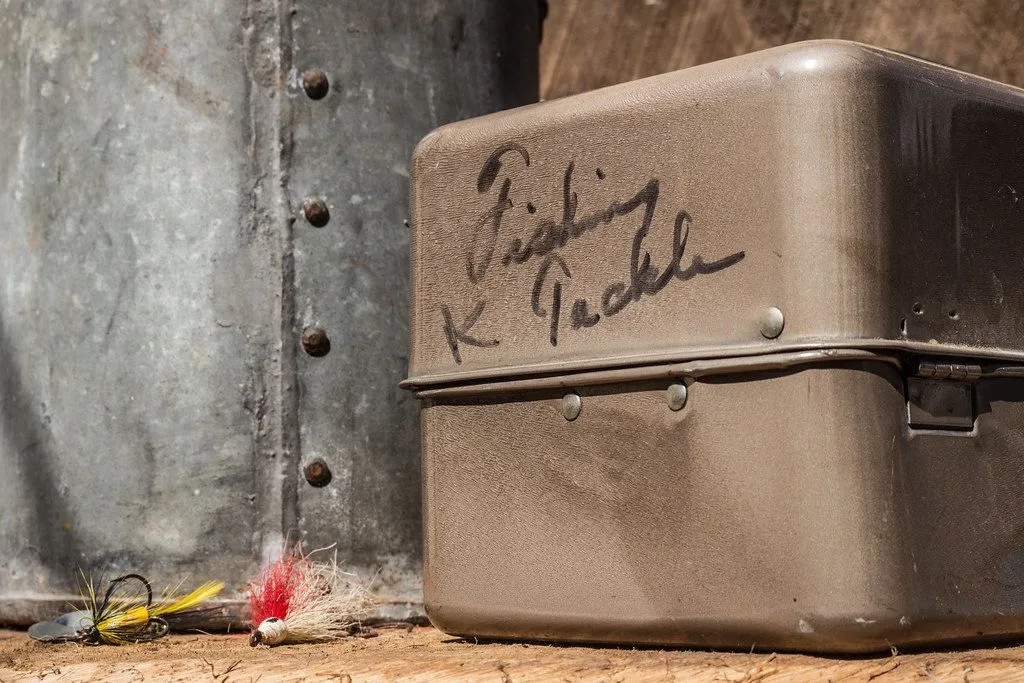
Fishing gear is sold by the aisle but chosen by the number on the box. A rod is a power rating and an action, a reel a size and a gear ratio, a line a diameter and a stretch figure. A hook is a gap and a wire gauge, a fish finder a frequency and a cone angle. Know those numbers and you can read any rod, reel, line, hook or sonar box and see what it is for.
Five numbers decide a tackle box: rod power, reel gear ratio, line diameter, hook gap and sonar frequency. Learn them and you can read any box in the aisle.
Start here
- Fishing rods: power, action and length, and which combination suits which lure.
- Fishing reels: spinning, baitcasting and spincast, sizes and gear ratios.
- Fishing line: monofilament, fluorocarbon and braid, compared on stretch, visibility and diameter.
- Fishing hooks: the aught sizing system, the hook types and the circle-hook rules.
- Fish finders: what the sonar frequencies show, and the Garmin, Humminbird and Lowrance ladders.
- Fishing lures: the six lure families and when each one wins; types of fishing lures defines every kind from spoons to swimbaits.
- Fishing accessories: net, pliers, scale, thermometer and tackle box, with the one spec that matters on each.
Which number matters on each piece?
The defaults below are for the most common starting point: casting lures and bait for bass, walleye, catfish and light inshore fish from a bank, boat or kayak. Other fishing wants other numbers, and the second table says how far they move.
| Gear | The number that matters | Default for lure and bait casting | Why |
|---|---|---|---|
| Rod | Power (stiffness) and action (where it bends) | 7 ft (2.1 m), medium or medium-heavy, fast action | Bassmaster calls the 7 ft (2.1 m) medium fast “one of our most popular rod configurations because it’s so versatile” |
| Reel | Size (spinning) or gear ratio (baitcasting) | 2500–3000 spinning; 6.4:1 baitcaster | The 2500–3000 band covers bass, walleye and light inshore; 6.4:1 is the middle of the ratio range |
| Line | Diameter and stretch | 10–12 lb monofilament, or 15–20 lb braid to a fluorocarbon leader | Mono stretches 25–30%, fluorocarbon 10–15%, braid almost nothing; braid is a third to half the diameter for the same strength |
| Hook | Gap and size number | Sizes 2 to 3/0 for bass and catfish, 6 to 10 for panfish and trout | Sizes run from 32 (smallest) to 1, then 1/0 to 20/0 (largest) |
| Fish finder | Frequency and cone angle | CHIRP 2D with down imaging, 5–7 inch screen | 200 kHz reads about a third of the depth in width; 83 kHz reads about the depth |
When a word on a rod blank or a reel box stops you, rods, reels and line in the fishing terms has it in a sentence.
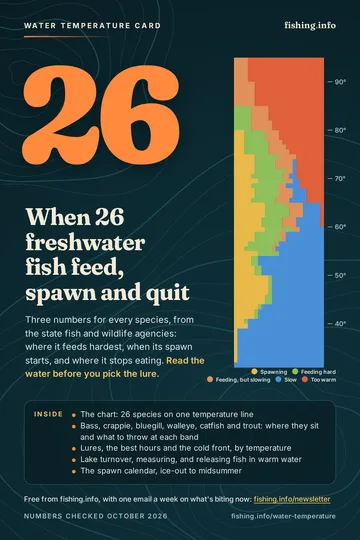
Free card: what 26 species do at your water temperature
Plus one email a week on what's biting now. No sales pitches. Privacy.
What changes for trout, catfish, carp, fly and surf?
| Fishing | Rod | Reel | Line | Hook |
|---|---|---|---|---|
| Bass, walleye, light inshore (the defaults above) | 7 ft (2.1 m) medium-heavy fast | 2500–3000 spinning or 6.4:1 baitcaster | 10–12 lb mono or 15–20 lb braid | 2 to 3/0 |
| Trout and panfish, small water | 6–6.5 ft (1.8–2 m) light or ultralight | 1000–2000 spinning | 4–6 lb mono or fluorocarbon | 6 to 12 |
| Catfish, bottom fishing | 7–10 ft (2.1–3 m) medium-heavy, moderate tip | 4000–6000 spinning or round baitcaster | 20–30 lb mono or 30–65 lb braid | 2/0 to 8/0 circle |
| Carp, European style | 12–13 ft (3.6–4 m), 2.75–3.5 lb test curve | Big-pit or baitrunner 5000–8000 | 12–15 lb mono | 4 to 8 |
| Fly fishing | 9 ft (2.7 m), 5-weight for trout, 8-weight for bass and inshore | Fly reel matched to the line weight | Fly line plus a 9 ft tapered leader | 10 to 18 for trout flies |
| Surf casting | 10–12 ft (3–3.7 m) medium-heavy | 5000–8000 spinning | 30–50 lb braid to a 40–60 lb shock leader | 2/0 to 8/0 circle |
The rods hub carries the full ranges. It explains why a carp rod runs 12–13 ft where a bass rod of the same power runs 7, and why a fly rod is measured in line weight rather than power.
What do you actually need?
The honest list is short: a rod and reel matched to each other, line that suits the water, a small box of hooks, weights and swivels, a license and something to measure a fish with. Everything past that is a specialization. A baitcaster comes in when you start throwing heavier lures into cover. Braid comes in when you fish grass or need casting distance. A fish finder comes in when you fish from a boat or kayak and want to stop guessing at depth and structure.
Does a pricier rod catch more fish?
No. The best fishing rods list reviewer picks from about fifty dollars to several hundred, and the difference is sensitivity, weight and guide quality, not whether the rod catches fish. Reels scale from thirty-dollar spincasts to nine-hundred-dollar flagships, and the best fishing reels sorts them by budget. The mid-tier Shimano and Daiwa models are where the tournament anglers and the review sites converge. Line is cheap enough to replace every season, and mono ages fastest.
What changes in salt water?
Reels need sealed drags and corrosion-resistant bearings, increasingly sold with an IPX water-ingress rating. Rods get longer for surf and pier work. Hooks must be non-stainless circle hooks by law when fishing natural bait for Gulf reef fish. Several Atlantic states require circle hooks for striped bass too.
The rod, reel and line pages say what to match to a chatterbait or a drop shot; the lure section says how to fish it. The species pages close the loop by naming the tackle each fish calls for.
Topics
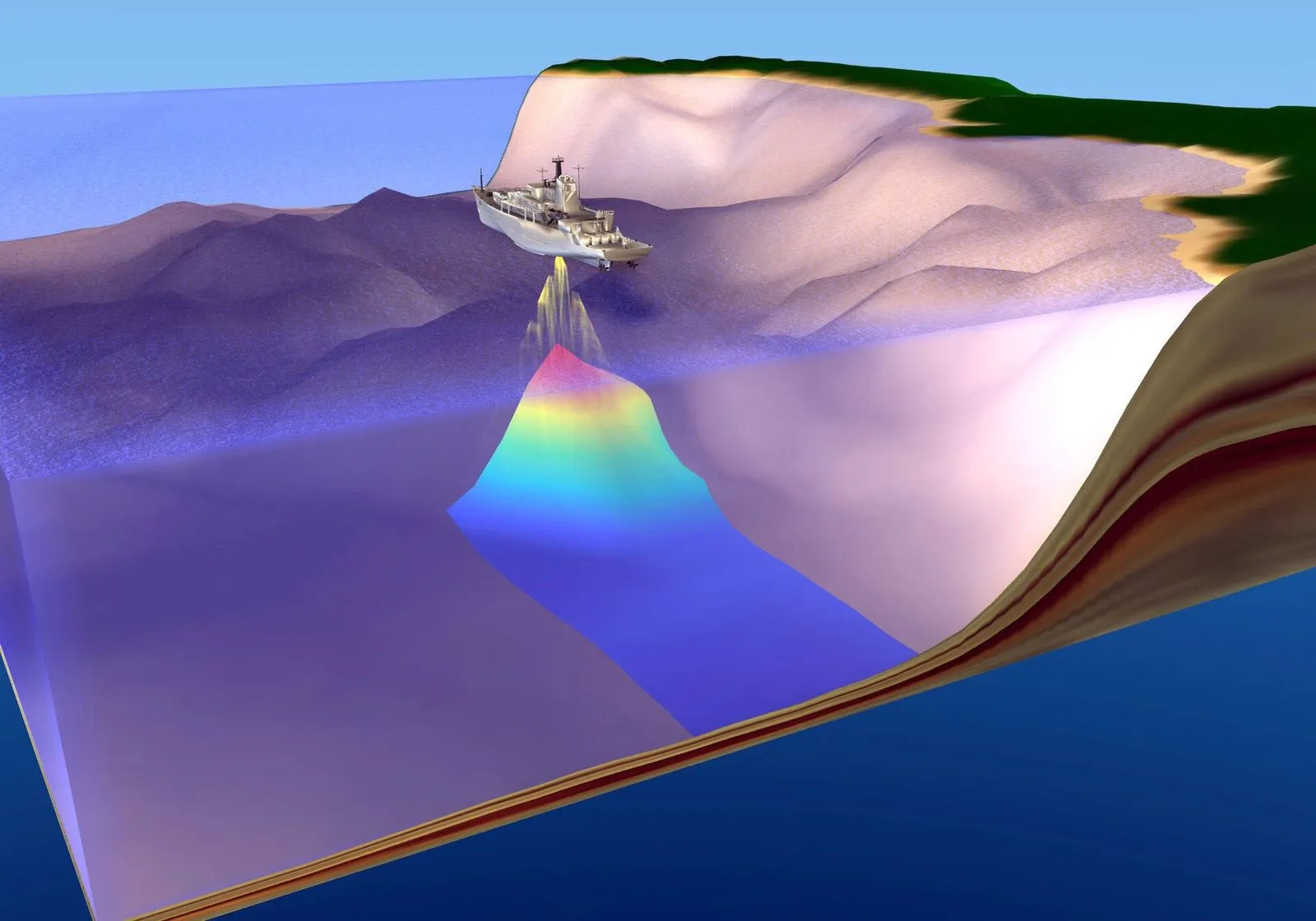
Fish Finders: How Sonar Works and Which Unit to Buy
How a fish finder reads the bottom: frequency, cone angle, CHIRP, down and side imaging and live sonar, plus the Garmin, Humminbird and Lowrance ladders.
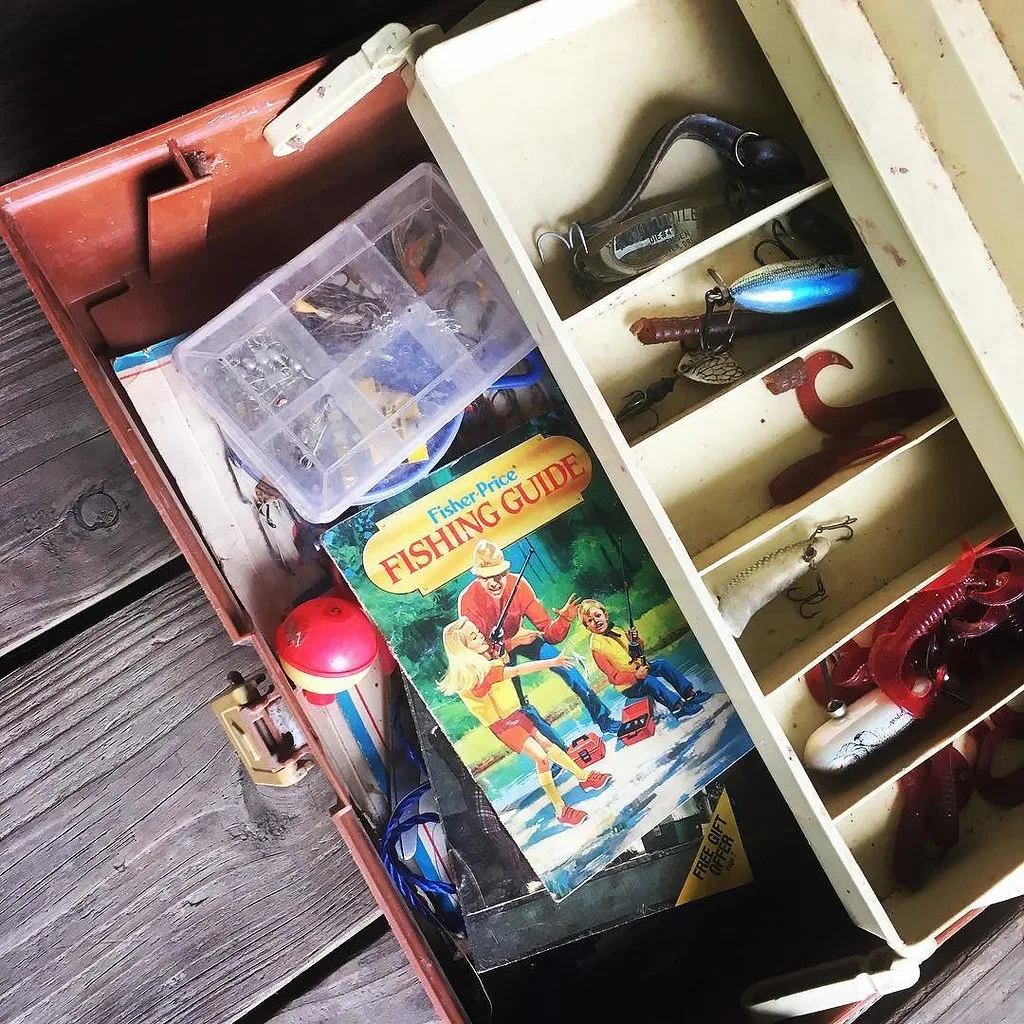
Fishing Accessories: The Small Gear That Decides the Day
The fishing accessories worth carrying: net, pliers, scale, thermometer, tackle box and the rest, with the one spec that matters on each and what it is for.
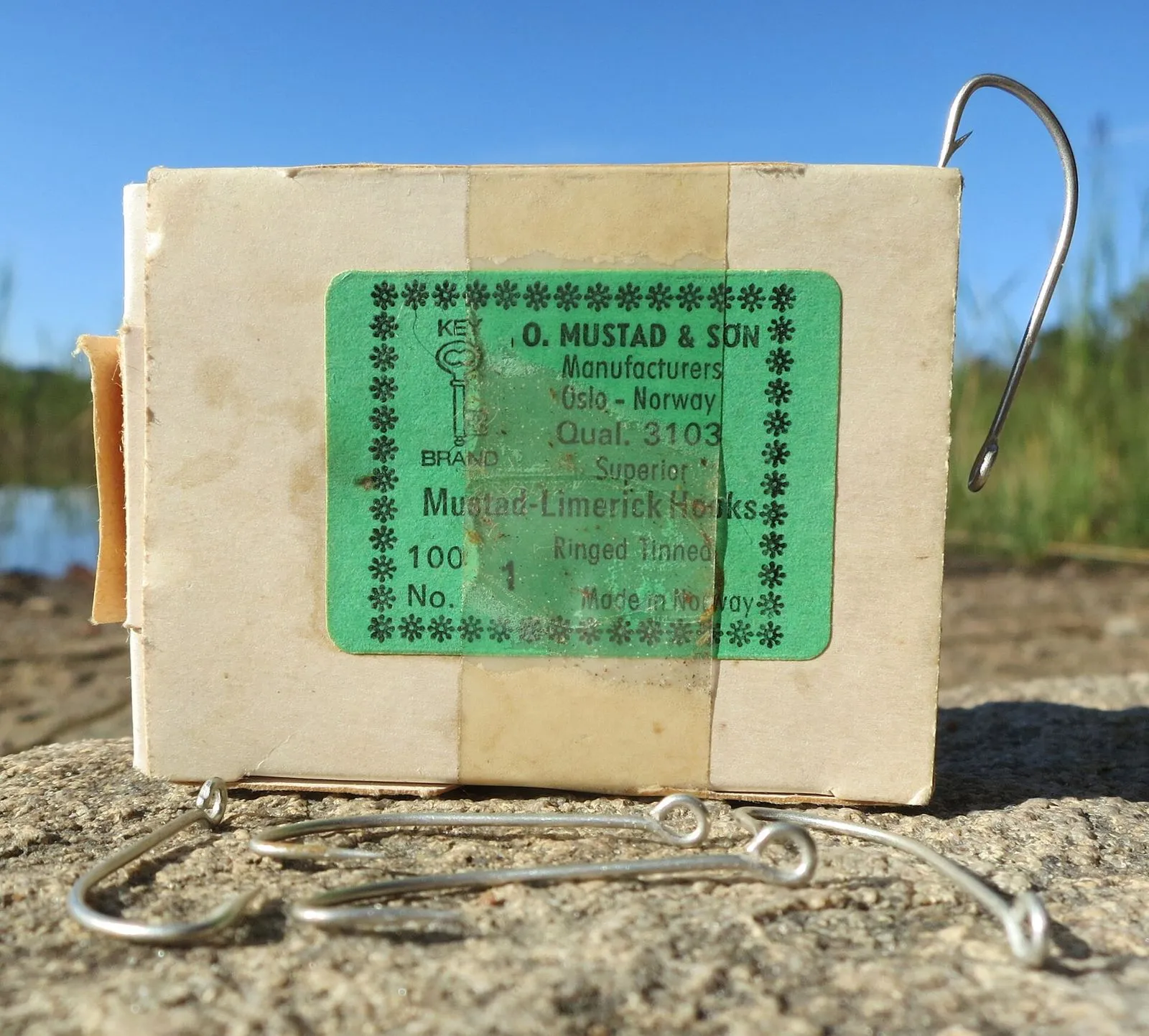
Fishing Hooks: Sizes, Types and Which Hook for Which Fish
How fishing hook sizes work from 32 to 20/0, the parts of a hook, the ten hook types and what each is for, and which hook suits each fish.
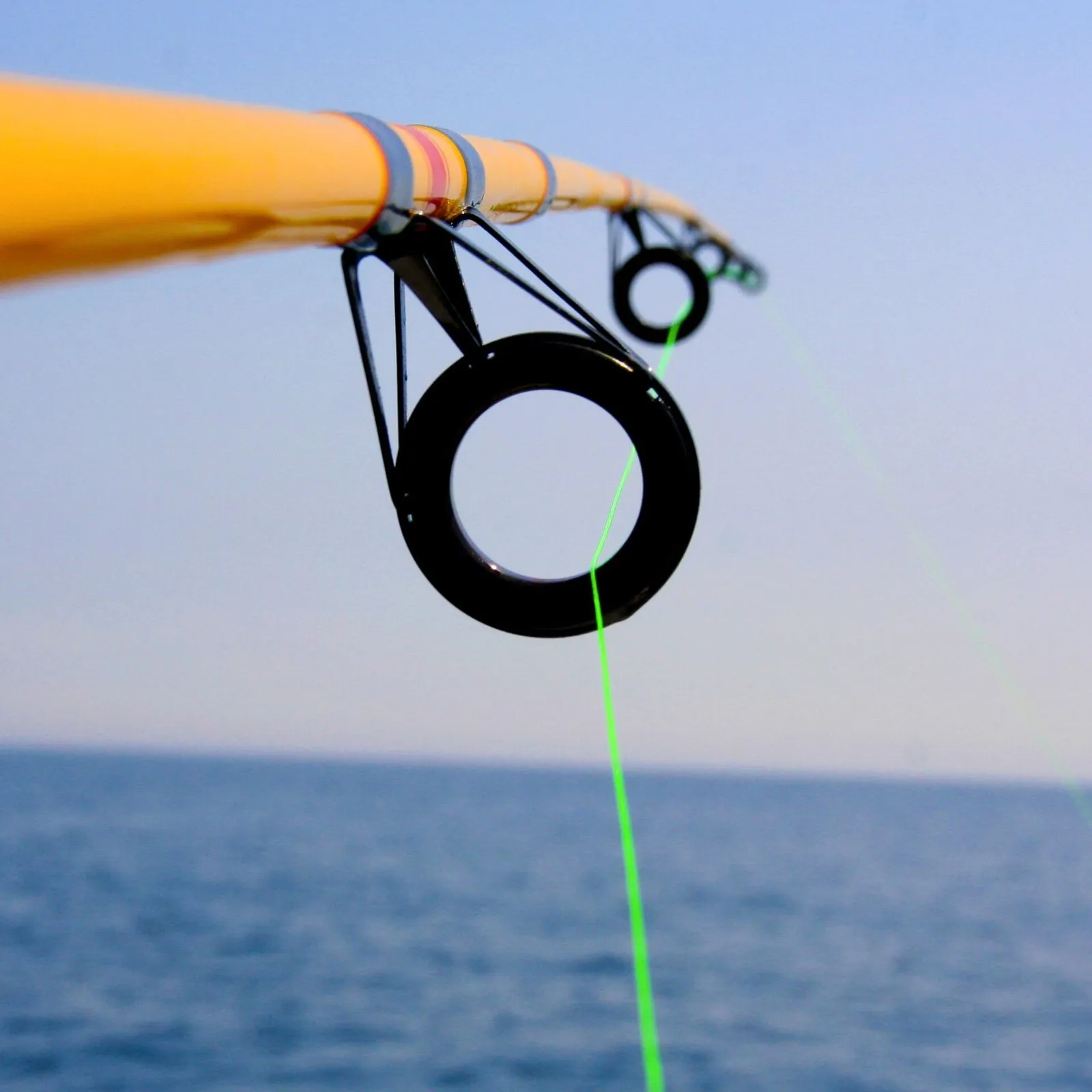
Fishing Line: Monofilament, Fluorocarbon and Braid Compared
The three kinds of fishing line compared on stretch, visibility, diameter, sink rate and life, which line each technique wants, and why braid needs a leader.
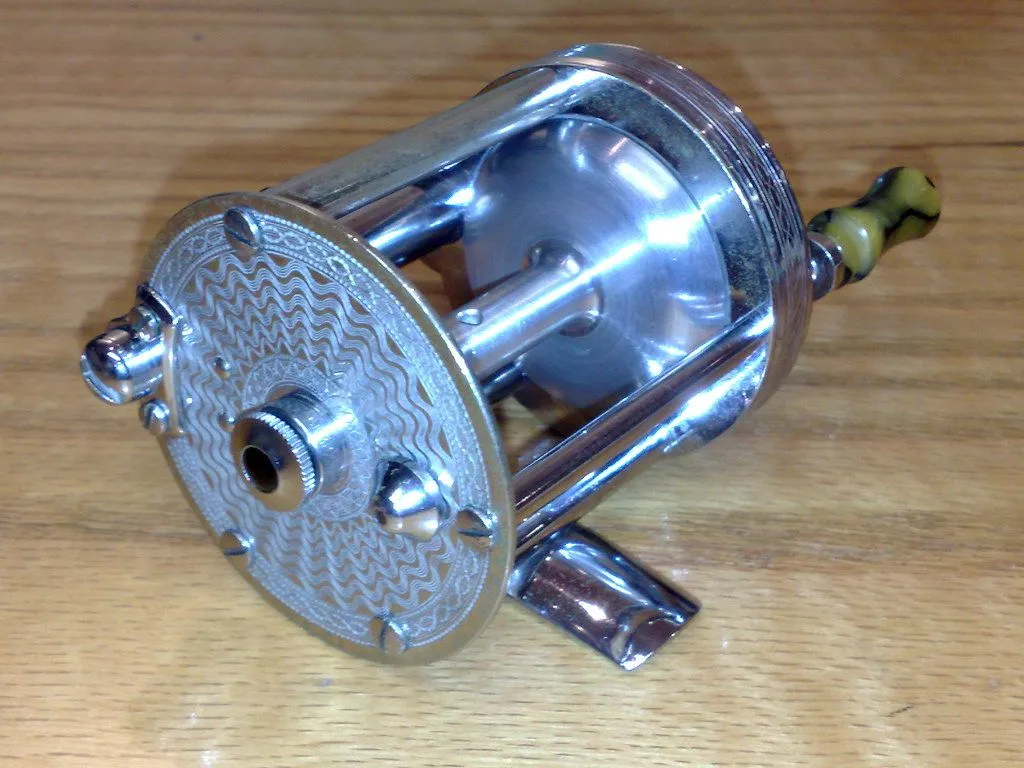
Fishing Reels: Spinning, Baitcasting and Spincast Explained
The three kinds of fishing reels and who each is for, what a 2500 or 4000 size means, what a 6.4:1 gear ratio does, and the Shimano and Daiwa ladders.
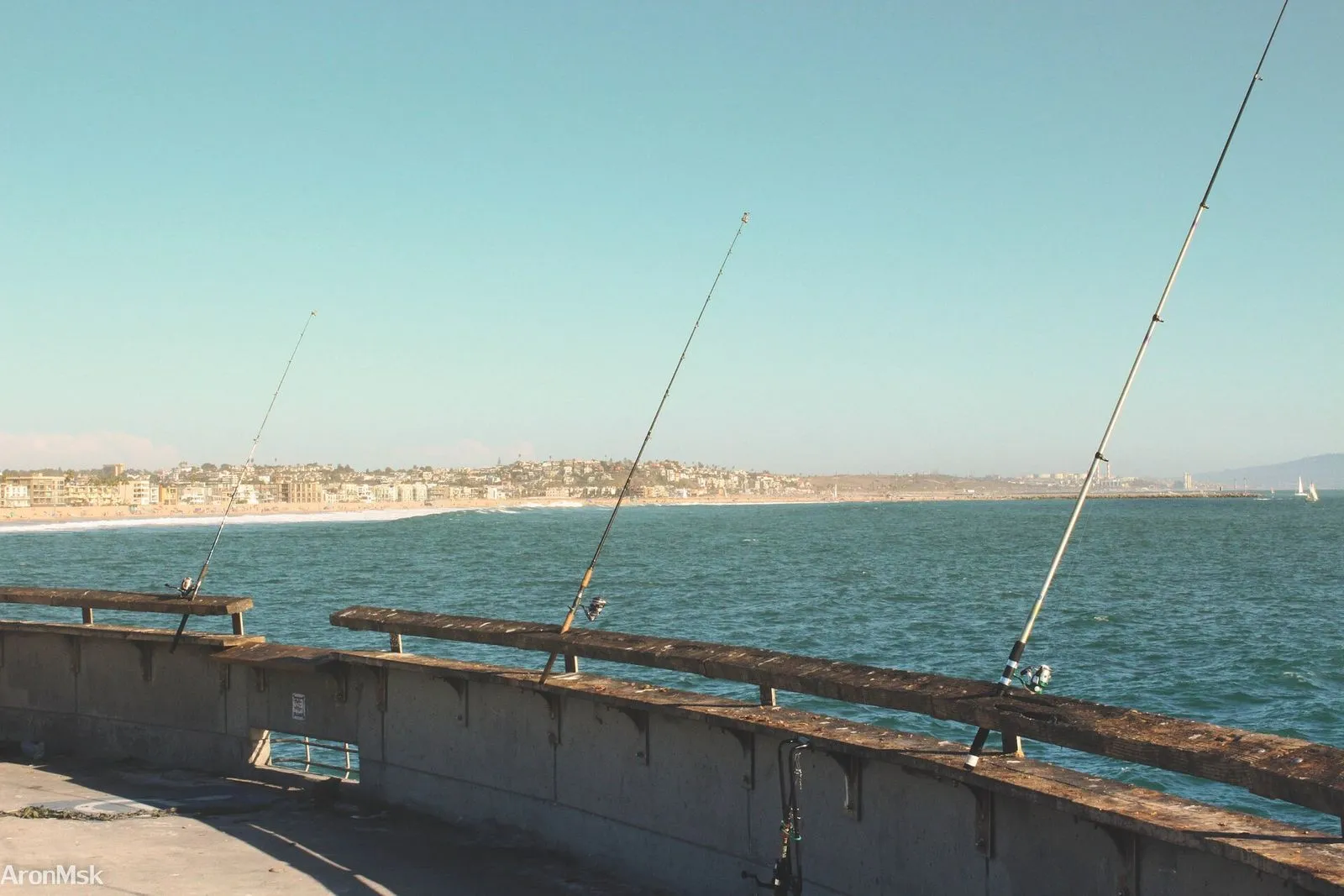
Fishing Rods: Power, Action and Length, and Which Rod for Which Lure
How a fishing rod is rated: power, action and length explained, the line and lure ranges for each power, and the rod each bass and catfish technique wants.
All articles
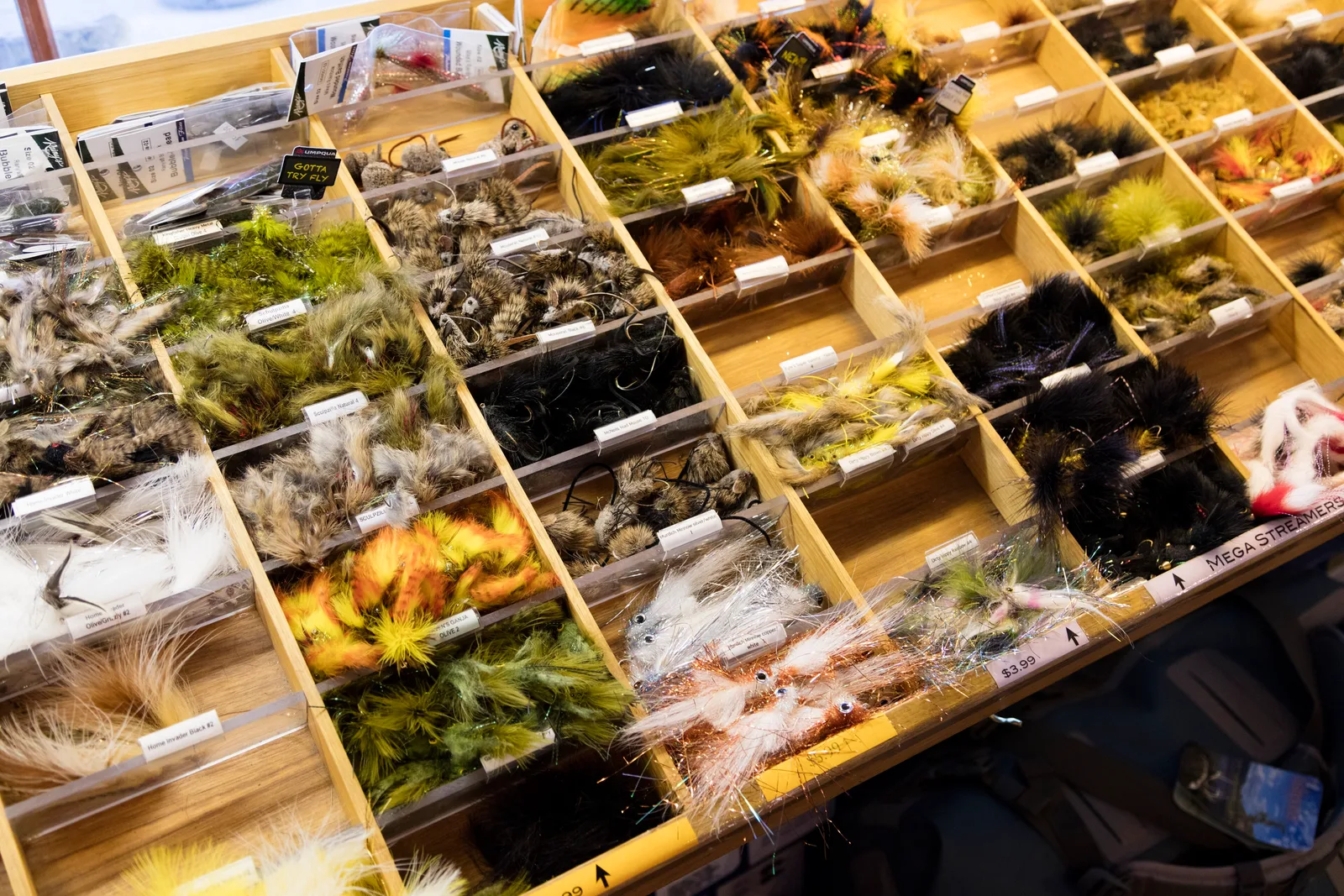 Black Friday Fishing Deals: The Price to Wait For
Last year's Black Friday lows on fish finders, reels, rods, coolers and sunglasses, when the sales start, and how to spot a fake markdown.
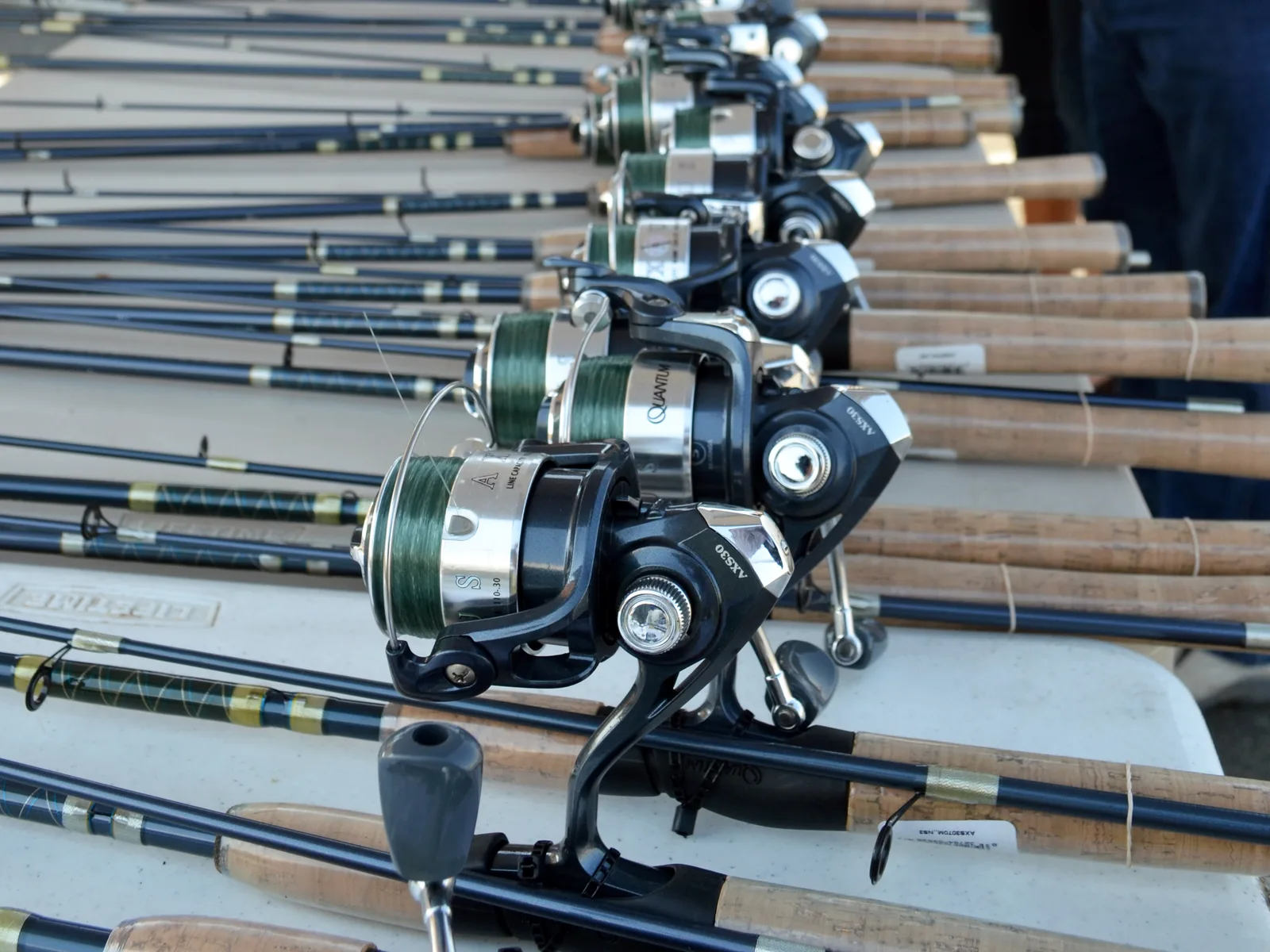 Gifts for Fishermen: What to Buy Blind and What to Ask First
Gifts for fishermen from $15 stocking stuffers to a $200 fillet knife: which are safe to buy blind, and what to ask before a rod or reel.
Free download
The water temperature card
Read your water temperature and the card tells you who is spawning, who is feeding and what to throw. 26 species, 16 pages, for your phone and the tackle box.
Plus one email a week on what's biting now. No sales pitches. Privacy.