 By
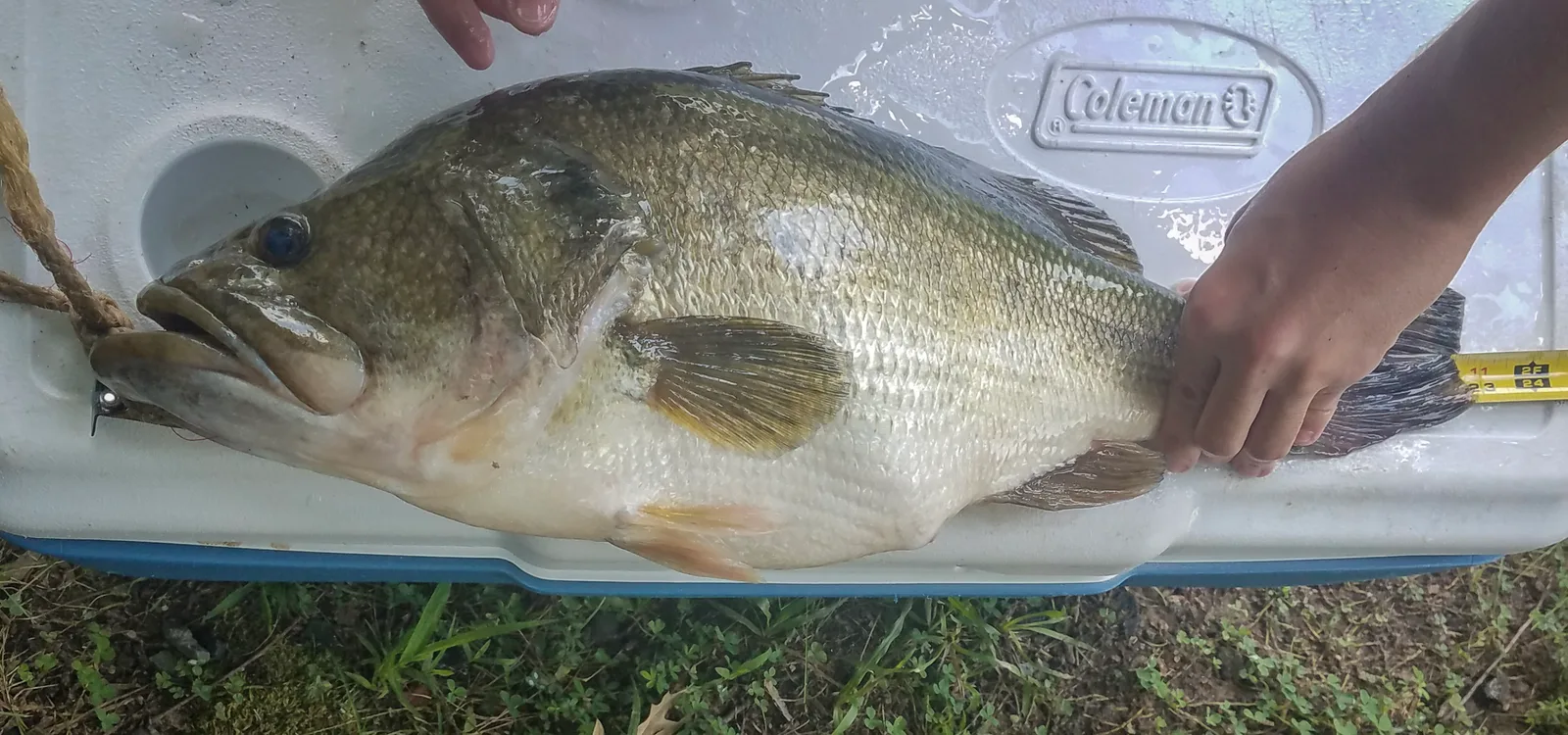
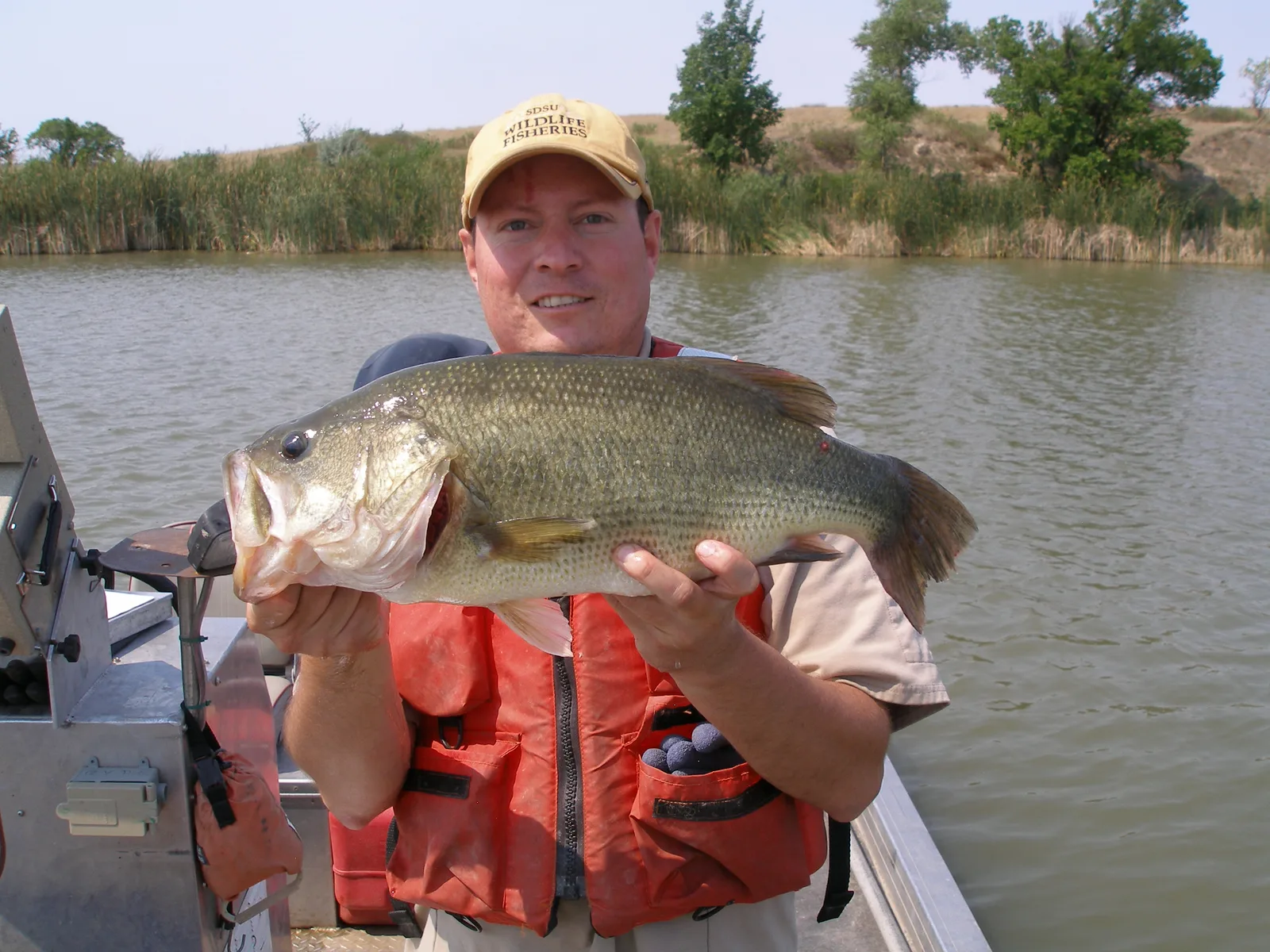
A 10 pound bass is about 25 in (64 cm) long and close to ten years old. It’s rare enough that Florida runs a program to count them. By July 2026 Florida’s TrophyCatch had approved 17,166 bass of 8 lb (3.6 kg) or more since it began in 2012. Only 3,420 of them weighed 10 to 12.9 lb, and 178 weighed 13 lb (5.9 kg) or more. They aren’t only Southern fish, and they don’t keep the hours most anglers fish. If you want one, pick a lake with a trophy history, go in the pre-spawn and stay out past first light.
Don’t pack up after first light. Only 12% of Florida’s first hundred bass of 13 pounds or heavier came at dawn or dusk. Most came at midday or in the afternoon, and 41% ate a plastic worm.
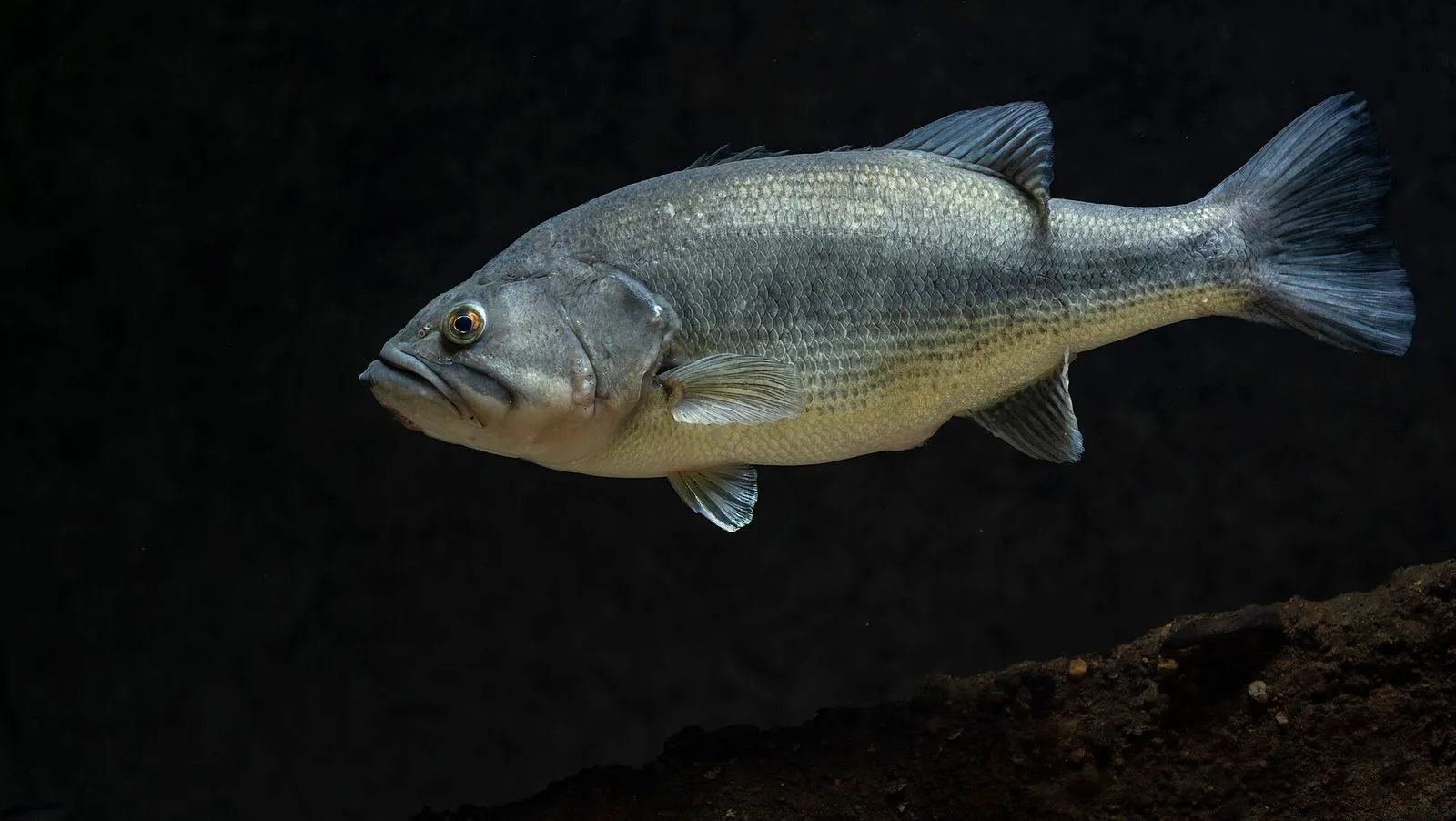
This largemouth from Bear Creek Lake State Park, Virginia, runs nearly 23 in (58 cm). At standard weight a 23 in bass weighs about 7.4 lb. Photo: Virginia State Parks (CC BY 2.0).
How rare is a 10 pound bass?
Rare even where they grow best. Catch a 10-pounder in Florida, get it approved, and it goes in the middle of TrophyCatch’s three clubs. The Lunker Club is 8 to 9.99 lb, the Trophy Club 10 to 12.99 lb and the Hall of Fame Club 13 lb and up. By July 2026 Florida’s wildlife agency, FWC, counted 13,568 Lunker Club fish, 3,420 Trophy Club fish and 178 Hall of Fame fish. Only about one approved trophy bass in five reaches 10 lb at all.
Anglers find these fish faster than the state does. The 91,546 anglers registered with TrophyCatch by January 2026 turn in ten times as many trophy bass a year as FWC’s own electrofishing boats. FWC has tagged 1,879 trophy bass in 176 Florida waters since 2011, and anglers catch about 20 to 25% of them each year. The big ones are there, and they get caught.
Texas counts its big ones through ShareLunker, running since 1986. Your bass makes the Lunker Class at 8 lb or 24 in (61 cm). A double-digit fish earns the Elite Class, and 13 lb and up is the Legend Class. Catch a 13-pounder from January through March, loan it to the state for its breeding program, and it enters the Legacy Class.
Outside those states the bar drops fast. In some parts of the country anything over 4 pounds is big, Hank Parker wrote. Where he says to go for a fair shot at a 10 comes further down.
How long is a 10 pound bass?
About 25 in (64 cm) for a well-fed fish, and 24 in (61 cm) for a heavy one. To see where yours falls, check it against standard weight: what a fast-growing, healthy fish of that length should weigh. The table below comes straight from Henson’s 1991 largemouth equation. Your fish’s relative weight is its actual weight as a percentage of the standard. Under 80 is a badly thin fish. In a balanced pond most sit above 90.
| Length | Standard weight (relative weight 100) | Heavy fish (relative weight 115) |
|---|---|---|
| 18 in (46 cm) | 3.3 lb (1.5 kg) | 3.8 lb (1.7 kg) |
| 20 in (51 cm) | 4.7 lb (2.1 kg) | 5.4 lb (2.4 kg) |
| 22 in (56 cm) | 6.4 lb (2.9 kg) | 7.4 lb (3.3 kg) |
| 23 in (58 cm) | 7.4 lb (3.4 kg) | 8.5 lb (3.9 kg) |
| 24 in (61 cm) | 8.5 lb (3.9 kg) | 9.8 lb (4.4 kg) |
| 25 in (64 cm) | 9.7 lb (4.4 kg) | 11.2 lb (5.1 kg) |
| 26 in (66 cm) | 11.1 lb (5.0 kg) | 12.7 lb (5.8 kg) |
| 28 in (71 cm) | 14.1 lb (6.4 kg) | 16.2 lb (7.4 kg) |
So your 24 in bass weighs about 8.5 lb (3.9 kg) at standard weight, and a fat one can touch 10. The equation puts 10 lb at 25.2 in for a standard fish and 24.1 in for a heavy one. A girth tape tells you which you’ve got.
Massachusetts’ 15 lb 8 oz record was 28 in long with a 23 in girth. That’s about 110% of standard, so it’s a heavy fish, but not an impossible one. The heaviest fish of the year are the pre-spawn females. In Florida, March and February are the two months with the most approved TrophyCatch fish, so that’s when to go.

Free PDF · Water temperature chart When do bass bite?
One reading, and the 16-page chart shows which of 26 fish are spawning, feeding hard or slowing down; for bass, crappie, bluegill and walleye, where they sit and what to throw. Every number sourced.
No card, nothing to buy, and the PDF is yours to keep. Confirm with one click and it's on its way. Then a few short emails and one a week on what's biting. Unsubscribe anytime. Privacy.
How old is a 10 pound bass?
About ten years, on average, but the spread is wide. A Texas largemouth grows 4–6 in (10–15 cm) in its first year, 8–12 in (20–30 cm) by two and 16 in (40 cm) by three. After that it adds length more slowly, and the rest of the pounds come one season at a time.
The best numbers come from Florida. It aged 822 bass of 10 lb or more that anglers had taken to taxidermists, and they averaged 9.7 years. The youngest was 4, and the oldest, probably a north Florida fish, was 16.5. So figure on roughly a pound a year.
Food matters as much as time. Two 6-year-old bass from Lake Kissimmee were worlds apart: one weighed over 8 lb, the other 14 oz.
Up north, bass typically live longer but grow slower and stay smaller. The oldest reported largemouth are about 23. One 6.78 lb fish from Mariaville Lake, New York, was aged at 23 or more by the rings in its ear stones. Texas puts the average lifespan at 16 years.
If you land a 10-pounder, it’s very likely a female. Males stay small. The oldest male Texas biologist Dave Terre had seen in ShareLunker was 12 years old and 6 lb. He called that “huge for a male bass.”
Where are 10 pound bass caught?
Florida, Texas and California. That’s where you’ll find the fast-growing Florida-strain bass and the long growing season. It’s also where Hank Parker says you have to fish “to have a fair shot at 10-pounders.”
Florida narrows it further. In January 2026 the state counted 168 Hall of Fame fish. Alachua County produced 28 and Clay County 23. Add Putnam and Marion, and those four counties hold 51%. Of the lakes anglers named, Orange Lake and Kingsley Lake lead for 13-pounders, so start there.
The North isn’t empty, though. Its state records say a 10 lb bass can come from a pond in New England:
| State | Record | Year and water |
|---|---|---|
| Georgia | 22 lb 4 oz (10.1 kg) | 1932, Montgomery Lake |
| California | 21 lb 12 oz (9.9 kg) | 1991, Castaic Lake |
| Texas | 18.18 lb (8.2 kg) | 1992, Lake Fork |
| Florida | 17.27 lb (7.8 kg) | 1986, a Polk County lake |
| Massachusetts | 15 lb 8 oz (7.0 kg) | 1975, Sampson Pond |
| Indiana | 14 lb 12 oz (6.7 kg) | 1991, Harrison County |
| Connecticut | 12 lb 14 oz (5.8 kg) | 1961, Mashapaug Lake |
| New York | 12 lb 6 oz (5.6 kg) | 2024, Cayuga Lake |
| Vermont | 10 lb 4 oz (4.6 kg) | 1988, Lake Dunmore |
| Minnesota | 8 lb 15 oz (4.1 kg) | 2005, Auburn Lake, Carver County |
The Massachusetts fish is the odd one. Walter Bolonis took it through the ice on February 13, 1975, on a tip-up baited with a golden shiner. No one saw the catch, and the state’s own fisheries website once noted that reliable reports put it in a different pond. It still stands. Land a double-digit bass in Minnesota and you’d beat the state record, which has never reached 10 lb.
New York’s record shows you what a fat Northern summer fish can do. At 25 in and 12 lb 6 oz, it weighed about 127% of standard. James Britenbaugh, a Pennsylvania angler practicing for a tournament, caught it in Cayuga Lake on July 11, 2024. It beat a 37-year-old record from Buckhorn Lake by 1 lb 2 oz.
What is the world record, and why does it now need a DNA test?
The all-tackle record is 22 lb 4 oz (10.1 kg). George Perry caught his in 1932 at Montgomery Lake, Georgia, and Manabu Kurita tied it at Lake Biwa, Japan, in 2009. Florida bass and largemouth are now treated as two species, and since 2024 the IGFA lists Kurita’s fish as the all-tackle Florida bass record. Since June 2024 the IGFA wants a DNA test before it accepts a new all-tackle largemouth record. So if you ever beat that record with a largemouth, plan on the test. The world record largemouth page has both stories and the fish that didn’t count.
How do you fish for one?
To catch a big bass on purpose, you fish differently than you do to catch a lot of bass. Florida’s Hall of Fame records and the pros’ advice come down to six choices.
- Fish where they live. A lake that’s never given up a 10 is a poor bet. Pick a Florida-strain lake with a trophy history, or your state’s record water from the table.
- Fish the pre-spawn. Go when the water’s 48–55 °F (9–13 °C). That’s when bass leave their winter haunts for the flats, Kevin VanDam says. Once stable weather warms it into the low 60s °F (about 16 °C), the push to the beds starts, Parker says. For the dates and degrees in your region, check the when do bass spawn calendar and the bass water temperature chart.
- Fish big baits, or a worm, slowly. Tie on a plastic worm first. In FWC’s survey of the first hundred Hall of Fame bass, 13-pounders and up, worms took 41%. All soft plastics took 71% of the largest catches. Across all 168 by January 2026, bait is close behind: 53% ate artificials and 47% natural bait. Parker watched anglers catch 8- to 12-pounders on shiners while he caught 1- to 2-pounders on lures. So if you can get shiners, fish one. If you fish around San Diego, the big fish come on swimbaits of about a pound, he wrote. Glide baits are the other big-bait family. The best bass lures page has the sizes.
- Don’t bet only on first light. Only 12% of the first hundred Hall of Fame bass came at dawn or dusk. Most came at midday or in the afternoon, so you’re not done when the sun’s up. For a trophy, the best time to fish for bass isn’t always the first hour.
- Use tackle that lands it. Ten-pound line is fine for your everyday bass fishing with small baits, but not for a trophy. If you’re throwing a big bait, use a rod rated for its weight and 20 lb line or heavier. Bring sharp hooks and a net too. The swimbait page has the setup.
- Measure, weigh, photograph, release. TrophyCatch approves your fish on a photo or video and gives you prizes for letting it go. Land a Hall of Fame fish, add a length photo, and you earn a bonus. All of the first hundred Hall of Fame bass went back alive. The catch and release page shows you how to hold a heavy fish without hurting it.
If you want the full biology, the largemouth bass page has it, and the bass hub has the rest of the family.
Gear for bass
Gear guide
Best Bass Lures: What Won the 2025 and 2026 Elite Series, Season by SeasonBest bass lures by season: 18 Elite Series events were won on 10 kinds of bait. The pick for each water temperature, color and cover, plus smallmouth.
Gear guide
Bass Fishing Rods: The Six to Own, in the Order to Buy ThemThe first bass fishing pole is a 7 ft medium-heavy fast casting rod. The five to add after it, the lures each one throws, and a model at $100 and $200.
Gear guide
Best Fishing Line for Bass: The Setup for Every TechniqueThe best fishing line for bass is four setups: 10 lb braid to a 6–8 lb leader for finesse, 12 lb fluoro, mono for topwater, 50–65 lb braid for cover.

Free PDF · 16 pages
Stop guessing. Know what's biting before your first cast
A whole Saturday on the water with nothing to show for it. One reading tells you who's feeding.
The Water Temperature Fishing Chart. Take one water temperature reading, find it on the chart, and see which of 26 freshwater fish are spawning, feeding hard or slowing down.
- Where bass, crappie, bluegill and walleye sit, and what to throw. Trout: the reading where you stop.
- Why a 3 ft drop beats a cold front, and what to throw each day of the front
- The three thermometer mistakes that make a reading lie
The chart's numbers come from state fish and wildlife agencies and fisheries research: 61 sources, each listed on the site.
No card, nothing to buy. Confirm with one click and the PDF is on its way, one version for your phone and one to print, yours to keep. Then a few short emails and one a week on what's biting, with an unsubscribe link in every one. Privacy.
Related
Section guide
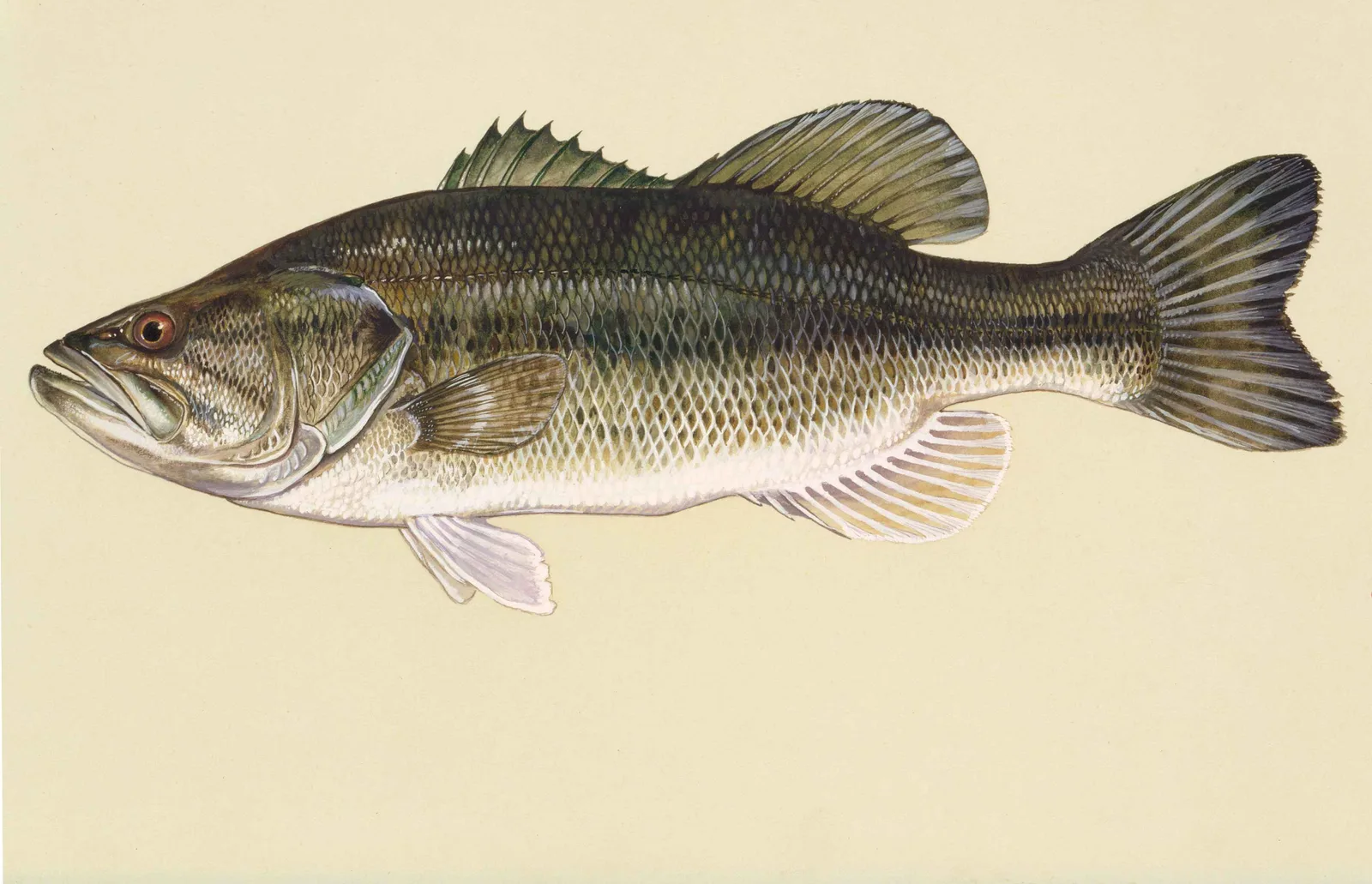
Bass Fishing: Where the Bass Are, What to Throw, and the Three Bass You Will MeetBass fishing by water temperature: where largemouth, smallmouth and spotted bass sit from 48 to 90 °F, what to throw first, and how to tell them apart.
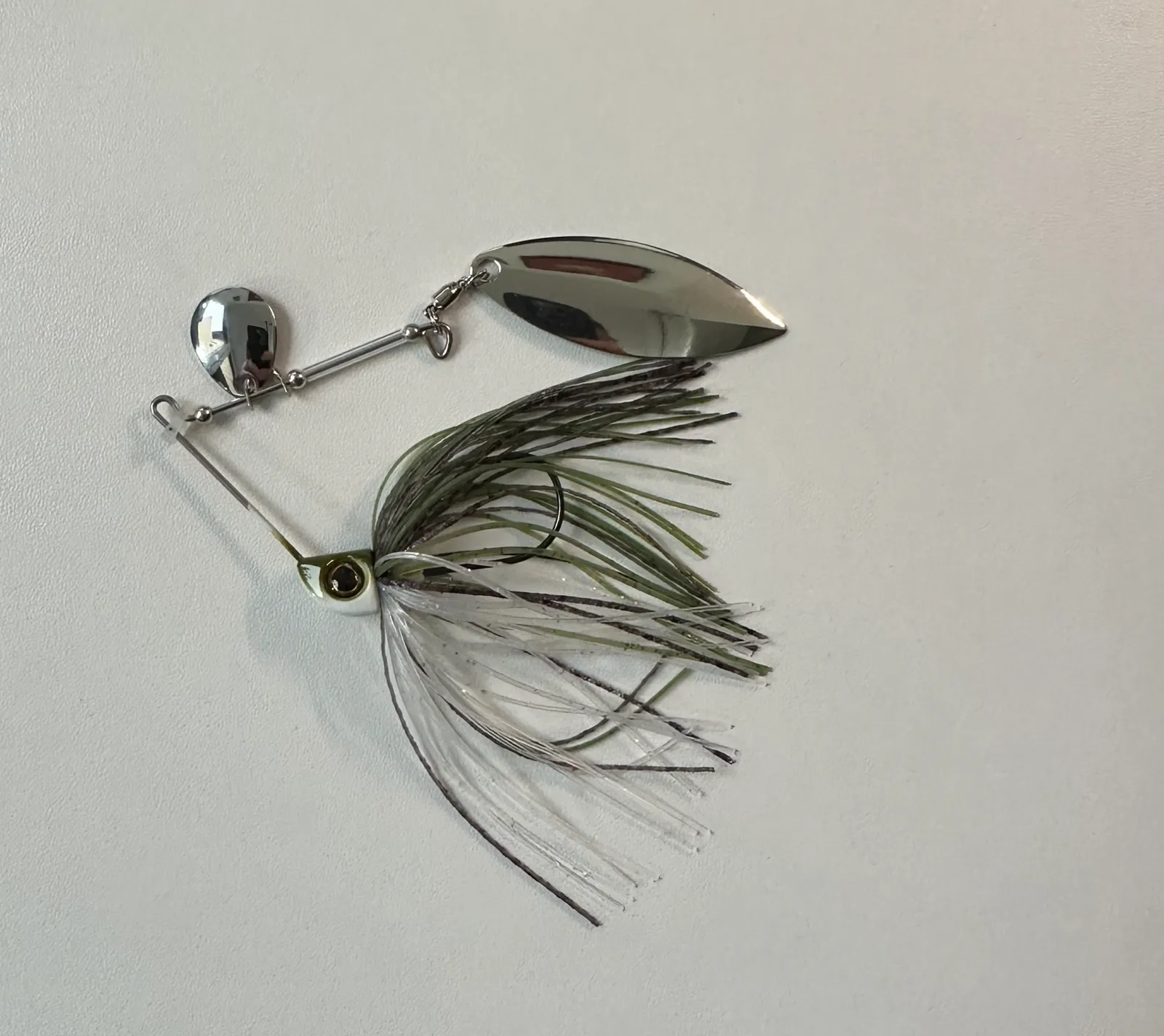 Spinnerbait for Bass: Blades, Weights, Colors and Six Retrieves
How to fish a spinnerbait for bass: Colorado, Indiana or willow blades, the weight for the depth, skirt colors, and six retrieves by water temperature.
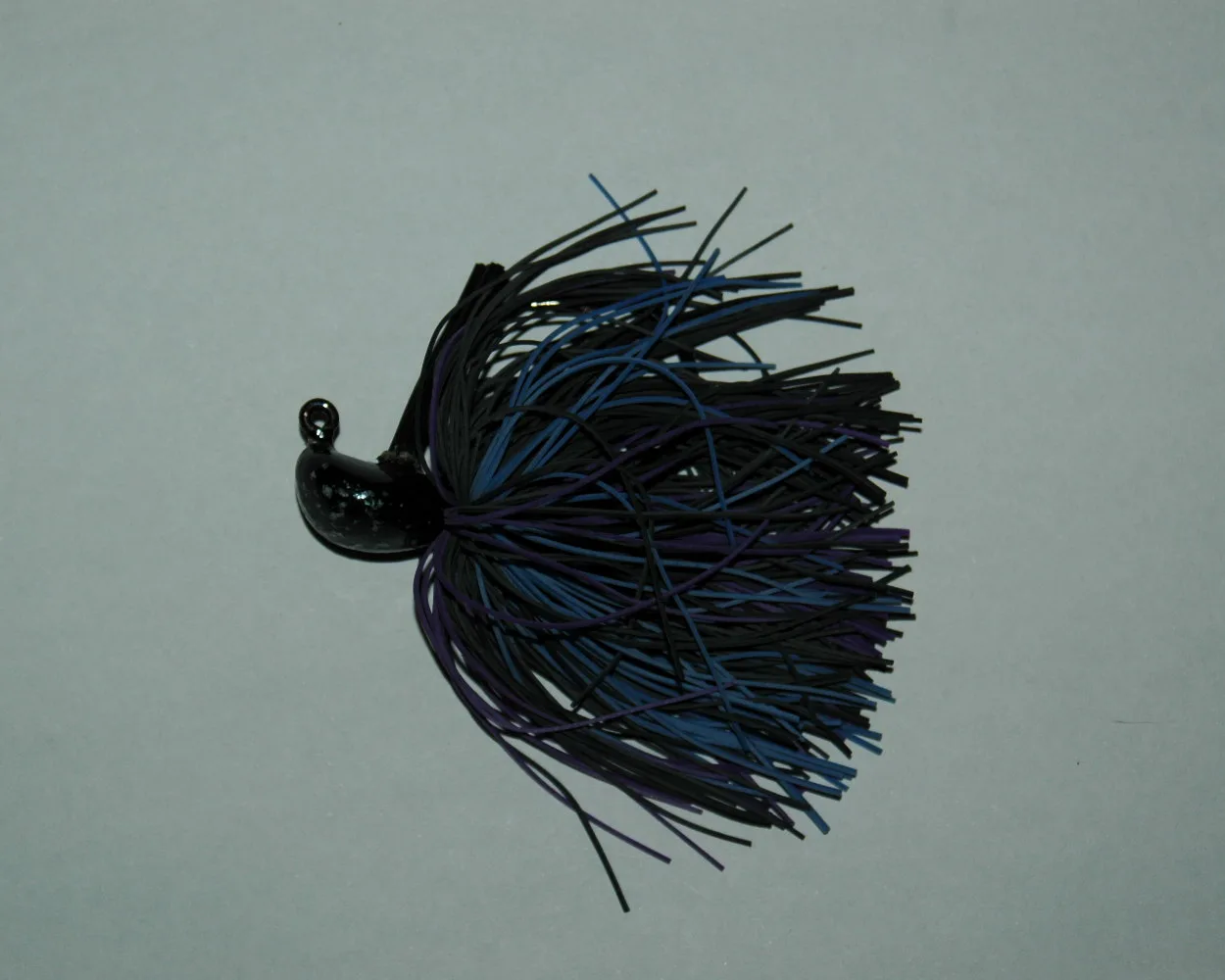 Bass Jigs: The Nine Types, Which Weight and Trailer, How to Fish Them
Bass jigs explained: football, flipping, casting, skipping, swim, grass, finesse, hair and bladed jigs, with weights, trailers and how to fish each.
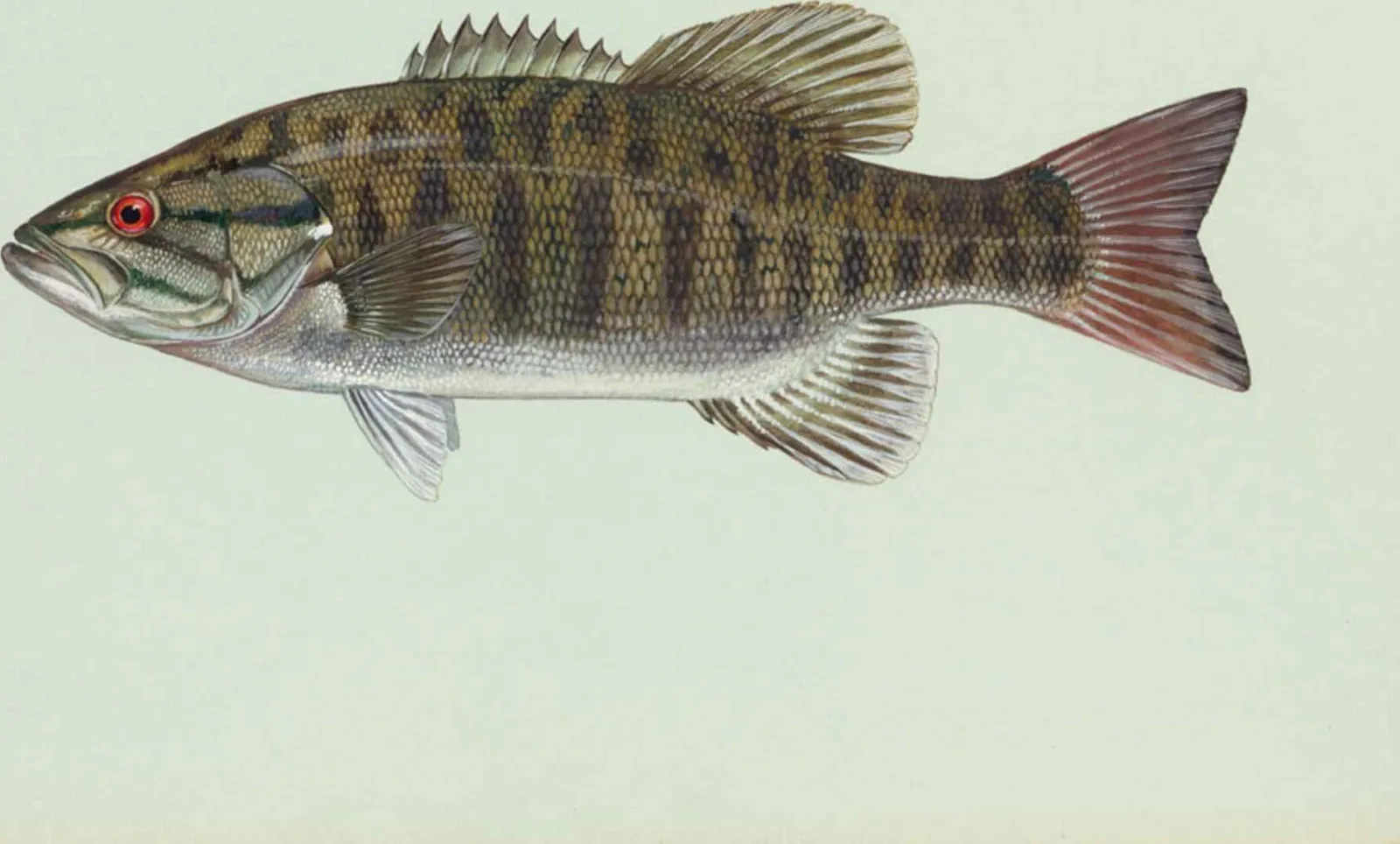 Meanmouth Bass: How to Identify the Hybrid, and the Records
A meanmouth bass is a smallmouth crossed with a spotted or largemouth bass. How to identify one, where they turn up, and the IGFA records.
- Types of Bass: Every Fish Called Bass and How to Tell Them Apart
The types of bass, from largemouth and smallmouth to striped and black sea bass: which family each is, where it lives, its record and how to tell them apart.
 What Do Bass Eat? The Diet by Size, Season and Species
Adult bass eat mostly fish and crayfish: 59% and 38% by weight in an Arkansas study. The diet by size, season and species, from six studies.
 Is Bass Good to Eat? Yes, If You Keep the Small Ones and Check the Water
Yes, bass is good to eat: mild, white and firm. Which bass to keep, what mercury advice says about bass against panfish, and why most go back.
Sources (17)
- Florida Specifier, Lindelien and Cimbaro (FWC), Want fishing tips? Consult the data from TrophyCatch (January 19, 2026)
- FWC, The Florida Freshwater Angler, Issue 45 (July 2026), TrophyCatch totals
- FWC news, TrophyCatch exceeds 100 approved Hall of Fame catches (July 2021)
- TrophyCatch, prizes and club weight tiers
- Bassmaster, Robert Montgomery, Big old bass (2011)
Show all 17 sourcesShow fewer sources
- Texas Parks and Wildlife, largemouth bass species profile
- U.S. Fish & Wildlife Service, largemouth bass
- Texas Parks and Wildlife, ShareLunker program
- In-Fisherman, Rob Neumann, Fish weight estimator: largemouth bass
- Standard weight in fish (Henson 1991 largemouth equation)
- Alabama Cooperative Extension, relative weight
- Field & Stream, the biggest largemouth bass from every state (2026)
- On The Water, Massachusetts' 15.5-pound largemouth record
- BassResource, Hank Parker, How to catch a 10-pound trophy bass (2012)
- Bassmaster, KVD's 6-season bass guide
- NY DEC, 12-pound, 6-ounce largemouth bass breaks 37-year-old state record (July 2024)
- Outdoor Life, IGFA adds seven bass record categories (June 2024)