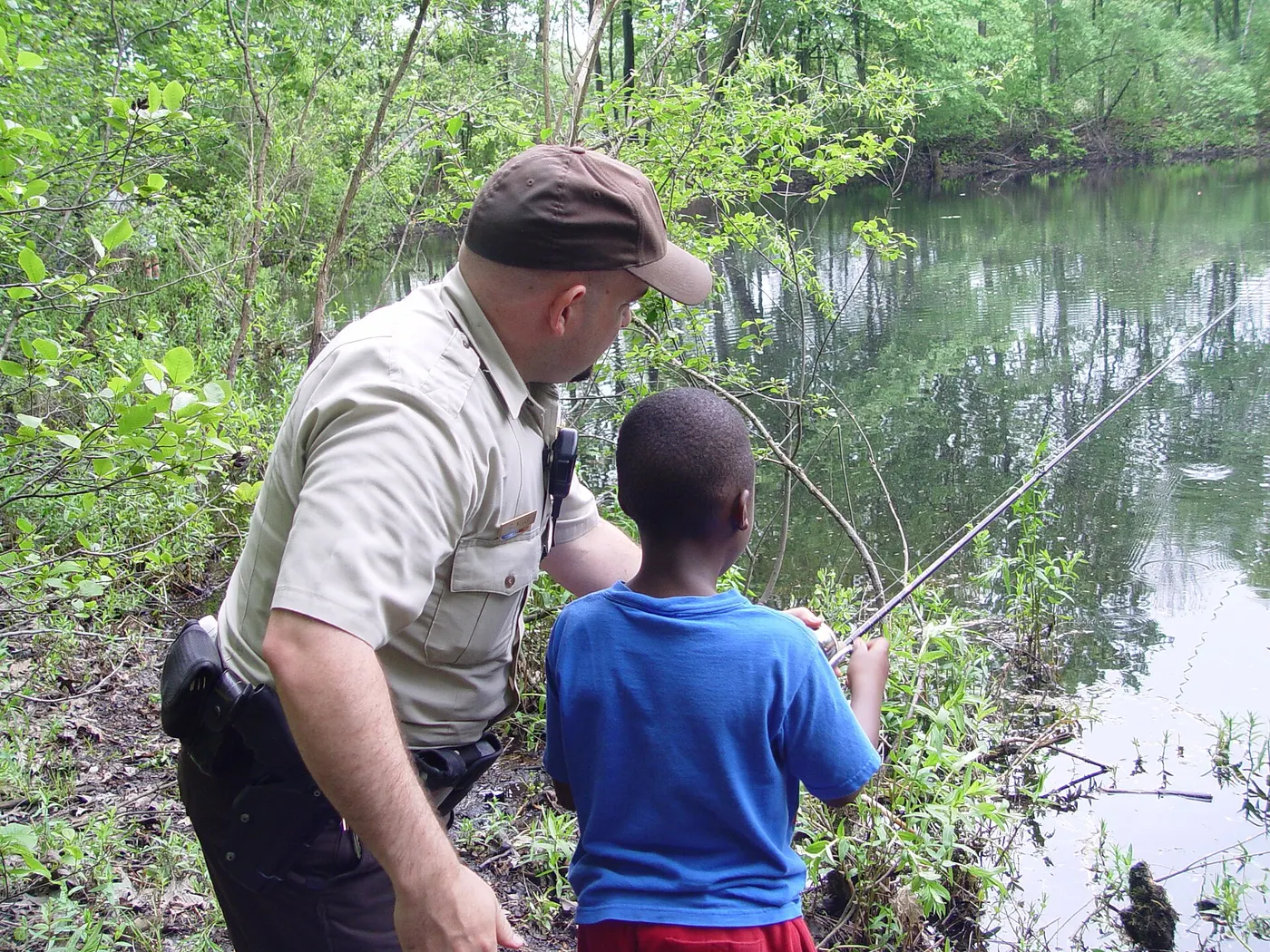
A year of freshwater fishing costs a resident $14 in Missouri and $64.54 in California, and a visitor anywhere from $47 in Florida to $174.14 in California. Every state sells its own license and writes its own rulebook. Seasons, bag limits and length limits change at the state line too. A bluegill that is one of 25 you may keep in Wisconsin is one of 10 on Lake Mendota, and one of as many as you like in Texas.
Missouri sells its residents a year of fishing for $14 and stops charging them at 65; California asks a visitor $174.14 for the same year. The fish do not know the difference. The law does.
Start here
- Wisconsin fishing: the 2026–27 seasons, every license fee, the state fish and the lakes to know.
- Ice fishing the Madison chain: five lakes around the capitol, 171 years of ice records, and the rules that differ from the state’s.
- Panfish: the daily-limit spread from Texas’s none to Minnesota’s 10 crappie, and the evidence behind the lower limits.
- Catch and release: what to do with the fish the limit says you cannot keep.
What does a year of fishing cost?
A resident pays between $14 and $64.54 a year, a visitor between $47 and $174.14. Every fee below was read from the agency’s own page for the 2026 license year; for Minnesota, from the statute that sets it.
| State | Resident annual | Nonresident annual | Agency |
|---|---|---|---|
| Wisconsin | $20 | $55 | DNR |
| Minnesota | $25 | $51 ($46 plus a $5 surcharge) | DNR, by statute 97A.475 |
| Michigan | $26 | $76 | DNR (plus a $1 surcharge) |
| Ohio | $25 | $76.96 | DNR Division of Wildlife |
| New York | $25 | $50 | DEC |
| Missouri | $14 | $57 | Department of Conservation |
| Texas | $30 | $58 | Parks and Wildlife (freshwater package) |
| Florida | $17 | $47 | FWC (freshwater) |
| California | $64.54 | $174.14 | Department of Fish and Wildlife |
The short licenses are where a visitor saves. Wisconsin sells one day for $15, four days for $29 or fifteen for $33. New York sells a day for $10, and Missouri a daily permit for $9. Florida sells three days for $17 or seven for $30, and Ohio three days for $52. California sells two days for $32.40 or ten for $64.54, the price of a resident’s year.
Seniors pay $7 in Wisconsin, $11 in Michigan and $12 in Texas, and $5 in New York from 70. Who needs a license at all varies too. Wisconsin lets kids 15 and under fish free every day; New York and California start at 16, and Minnesota’s adult license at 18. Missouri residents of 65 and older need no permit at all.
Why do the rules change at the state line?
Freshwater fish are managed by the state they swim in. A state agency sells the license, sets the opening days and prints the guide: a Department of Natural Resources, a Fish and Wildlife commission or a Department of Conservation. It decides how many walleye you may keep and how long a pike has to be.
Wisconsin’s guide runs to more than 90 pages, because a single county table can set a lake apart. Lake Mendota in Madison allows 10 panfish a day where the state allows 25, and one northern pike where the southern zone allows two. Its walleye must be 18 in (46 cm), where most Wisconsin waters take 15 in (38 cm). The glossary’s rules section defines the words a guide uses, from bag limit to slot limit to possession limit.
Rivers that form a border get a table of their own. Wisconsin’s guide has separate sections for its boundary waters with Minnesota, Iowa and Michigan, with limits that differ from both states’ inland rules. On the Mississippi or the Menominee, the question is not only which license you hold but which table applies.
Which rules come from Washington?
Three sets of rules reach into every state. The Endangered Species Act protects fish listed as threatened or endangered wherever they live. Wisconsin’s own list adds species it is illegal to take, transport or possess. Its season page adds that a closed season closes catch-and-release fishing for that species too. The endangered and threatened freshwater fish on the federal list have their own page under the species hub.
The Coast Guard writes the boating rules a state warden also enforces: life jackets aboard, registration numbers on the hull. And the ocean beyond 3 nautical miles (9 off Texas and Florida’s Gulf coast) is federal water. There NOAA Fisheries and the regional councils set seasons for red snapper, grouper and tuna, and the state license is still required to launch.
When can you fish without a license?
Every one of these states sets aside days when no license is needed. Wisconsin sets aside two weekends: the first consecutive Saturday and Sunday in June, and the full weekend before the third Monday in January. In 2026 the June weekend fell on June 6–7, and the next January one is January 16–17, 2027. Residents and visitors fish free, with no trout stamp needed, and every other rule still applies: length limit, bag limit and season. For the January weekend the DNR lends ice fishing gear at 19 loaner sites, everything but the auger.
Until your state has a page here, its agency’s guide is the source, and the fishing terms will help you read it.
Topics
Wisconsin Fishing: Seasons, Licenses and the Lakes to Know
Wisconsin fishing in one place: the 2026–27 season dates, every license fee, the state fish, the panfish rule and the Madison chain in winter.
Sources
- Wisconsin DNR, fishing licenses and fees
- Wisconsin DNR, 2026–2027 fishing season dates
- Wisconsin DNR, Guide to Wisconsin Hook and Line Fishing Regulations 2026–2027 (PDF)
- Minnesota Statutes 97A.475, fishing license fees
- Michigan DNR, fishing license information
- Ohio DNR Division of Wildlife, 2026–27 Ohio fishing regulations (PDF; fees effective March 1, 2026)
- New York DEC, fishing licenses
- Missouri Department of Conservation, fishing permits
- Texas Parks and Wildlife, fishing licenses and packages
- Florida Fish and Wildlife Conservation Commission, recreational freshwater licenses
- California Department of Fish and Wildlife, sport fishing licenses
- NOAA Fisheries, recreational fishing in federal waters