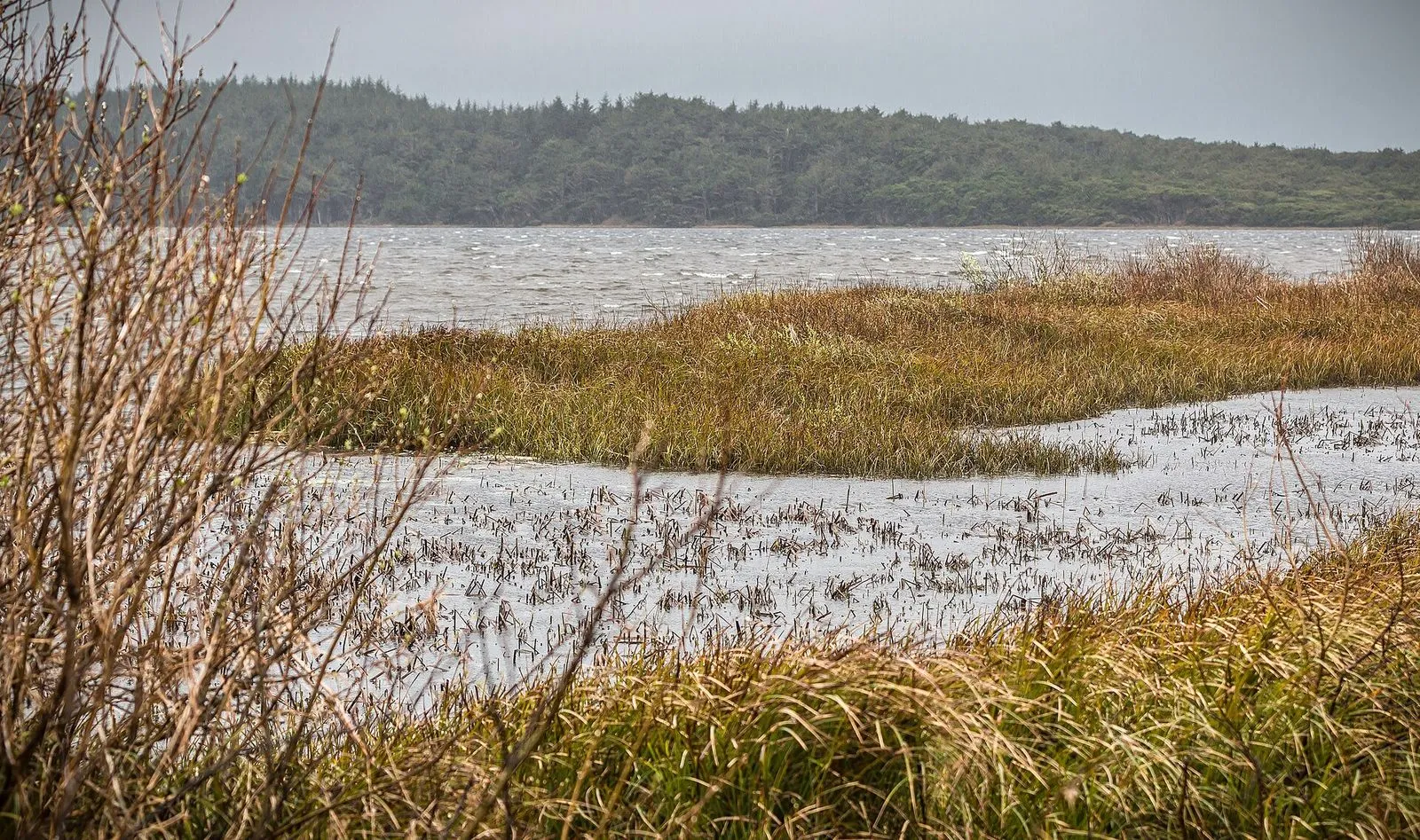
The best weather for fishing is a stable, mild spell with a 10–15 mph (16–24 km/h) breeze and a soft, cloudy sky, fished at dawn and dusk. Anglers tend to rank the drivers pressure first, then moon, then weather, then time of day; the studies rank them the other way around. Light and the hour have the strongest support, then water temperature and its trend, then wind and cloud. The moon has a small effect on a few species, and no study has ever shown the barometer directly changing feeding.
Thirteen years of compulsory creel records at Escanaba Lake, Wisconsin, found no significant link between barometric pressure and walleye success. Sunshine did: the brighter the day, the fewer trips caught one.
Start here
- Barometric pressure — the bands everyone repeats, what they are worth, and why depth beats the sky.
- Moon phase — what the solunar tables claim, what 361 trout trips found, and where the moon really matters.
- Best time of day — a species table for dawn, midday, dusk and night, with the eyes and the temperature behind each.
- Fishing in the rain — before, during and after, which benefits are real, plus the lightning rule.
- Cold fronts and wind — a day-by-day timeline from pre-front to day three after, and the windward-bank rule.
What should you change for each condition?
“Change” means depth, light side, hour or lure, never “stay home”.
| Condition | What the evidence says | What to change |
|---|---|---|
| Stable, mild spell, light wind | The best-supported good day: at Escanaba Lake, less sun and cooler air raised walleye success. | Fish normally; put the effort into dawn and dusk. |
| Bright, calm, high sun (“bluebird”) | Sun cut walleye and muskie trip success at Escanaba. It is not sore eyes: largemouth strike success stays above 95% from daylight down to moonlight. | Shade lines, deeper edges, the first and last hour of light. |
| Wind 10–15+ mph (16–24+ km/h) | Pike catch rates rise with wind. Alwine’s 40,000-catch bass logbook claims rates more than double above 15 mph (unpublished). Muskie catch fell with wind at Escanaba: it depends on the species. | The windward bank, where the wind stacks plankton and baitfish. |
| Cloud and drizzle | No study links rain itself to feeding. The benefit is cloud, cooling, washed-in insects and turbidity (John McMillan, Trout Unlimited). | Topwater and moving baits, longer into the day. |
| Falling pressure ahead of a front | The one window most sources agree on. The mechanism is the weather that comes with it (wind, cloud, warmth), not the needle. | Fish it hard; plan for the slowdown that follows. |
| Day 1–2 after a cold front | Real in catch logs, where Schramm counts “under 5 bass an hour”; unproven as a pressure effect. Comes with bright sky, a wind shift and surface drops of 8–10 °F (4–6 °C). | Slow down, deeper, tighter to cover, smaller baits, the warm water of the afternoon. |
| Water temperature trend | The strongest driver of all: temperature, light, current and prey density change catchability up to tenfold. | Read the water-temperature chart first; every other row corrects it. |
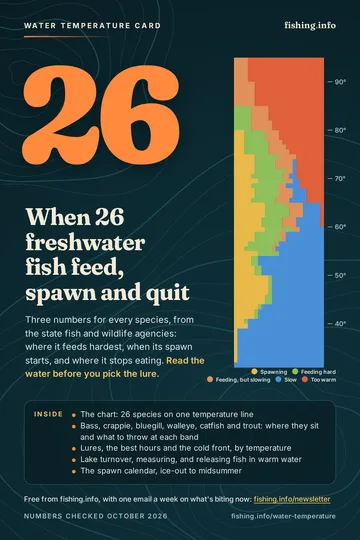
Free card: what 26 species do at your water temperature
Plus one email a week on what's biting now. No sales pitches. Privacy.
Which four forecast numbers matter?
A weather app shows twenty numbers. Four decide the day.
- Wind. Speed and direction. 10–15 mph (16–24 km/h) is a gift; find the bank it blows onto. Above 25 mph (40 km/h) it is a boat problem, not a fish problem.
- Cloud. Overcast stretches the low-light bite across the day; a clear sky squeezes it into dawn and dusk and pushes fish to shade and depth.
- Front timing. The day before a front is the day to fish; the two days after are for slowing down and going small.
- Temperature trend. Three days of warming in spring, or a cooling run in late summer, beats any single reading. Air temperature was the only significant predictor in a 361-trip trout study that tested the solunar tables against the catch.
How much do the moon and the barometer really matter?
The moon: a little, for some fish. Across 341,959 muskie catches, full and new moon added about 5% by day and 28% at night. A whole-lake acoustic study of largemouth found no repeatable lunar pattern at all. And peaks at both full and new moon sink the moonlight-feeding story; the moon phase page has the numbers.
The barometer: a fish senses pressure through its swim bladder, but depth swamps the sky. The whole swing of a cold front, 29.2 to 30.4 inHg (990 to 1030 hPa), equals 16 in (41 cm) of water. A bass that rises 3 ft (1 m) changes its pressure more than any hurricane. Read the barometer as a weather forecast, not as a fish switch.
What is the 80/20 rule in fishing?
Eighty percent of the fish live in 20% of the water. The adage holds on every lake: the fish are on the points, weed edges, creek channels, shade and current; the rest is empty. Conditions do not move the 20%. They decide how the fish in it behave: how deep they hold, which side of the cover they sit on, how far they will chase a lure.
So find the 20% first, then let wind, light and temperature trend say where in it to cast and how fast. A bluebird day after a front does not empty a point; it pushes the bass deeper and tighter to the wood.
Each fish’s own light and temperature preferences are on its species profile, and the techniques section has the basics: knots, rigs, ice, surf and kayak.
All articles
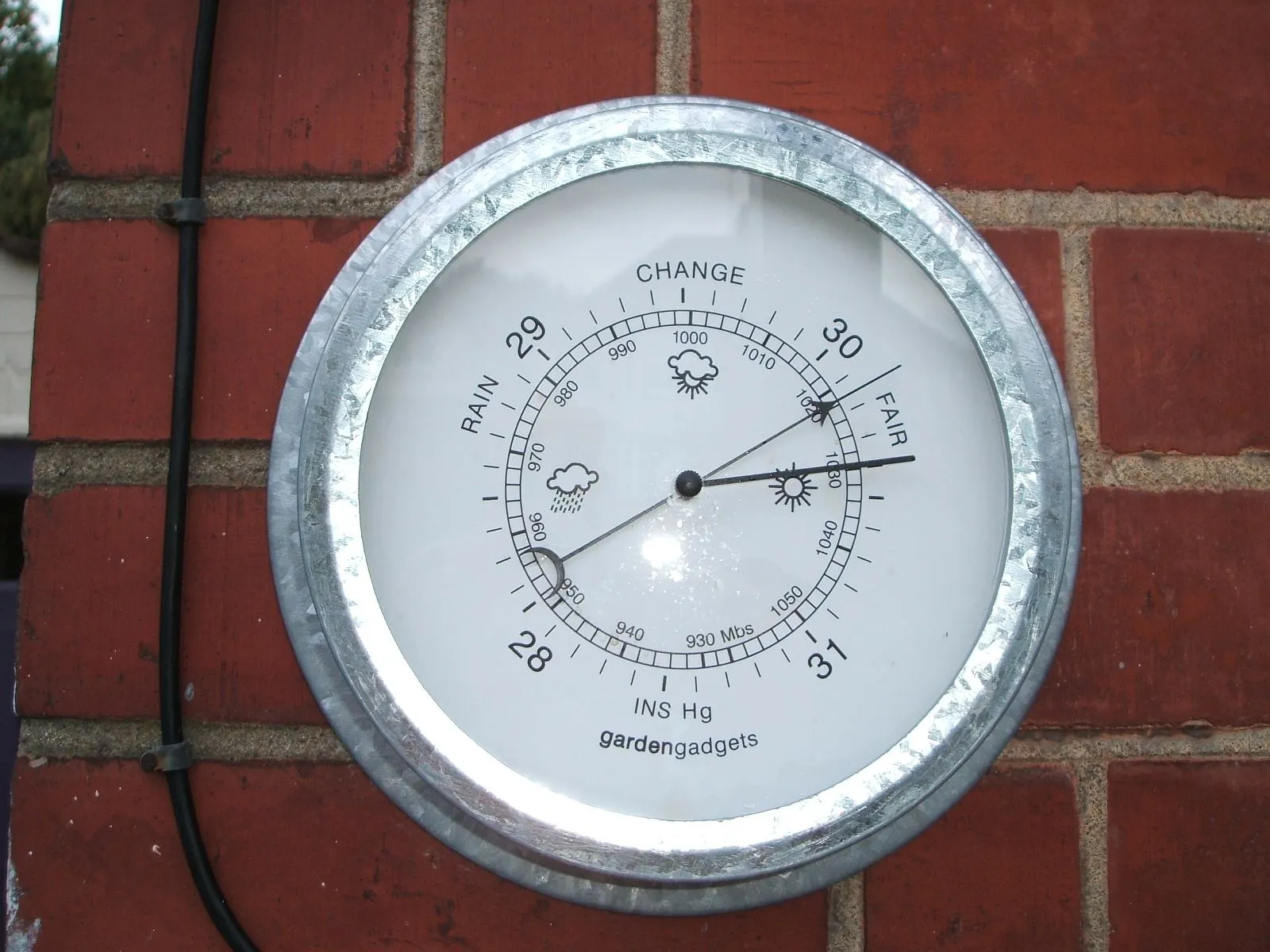 Best Barometric Pressure for Fishing: The Chart Everyone Shares, and What the Studies Say
The chart says 29.70–30.40 inHg is the best barometric pressure for fishing. A whole cold front equals 16 in of water and no study finds a feeding effect.
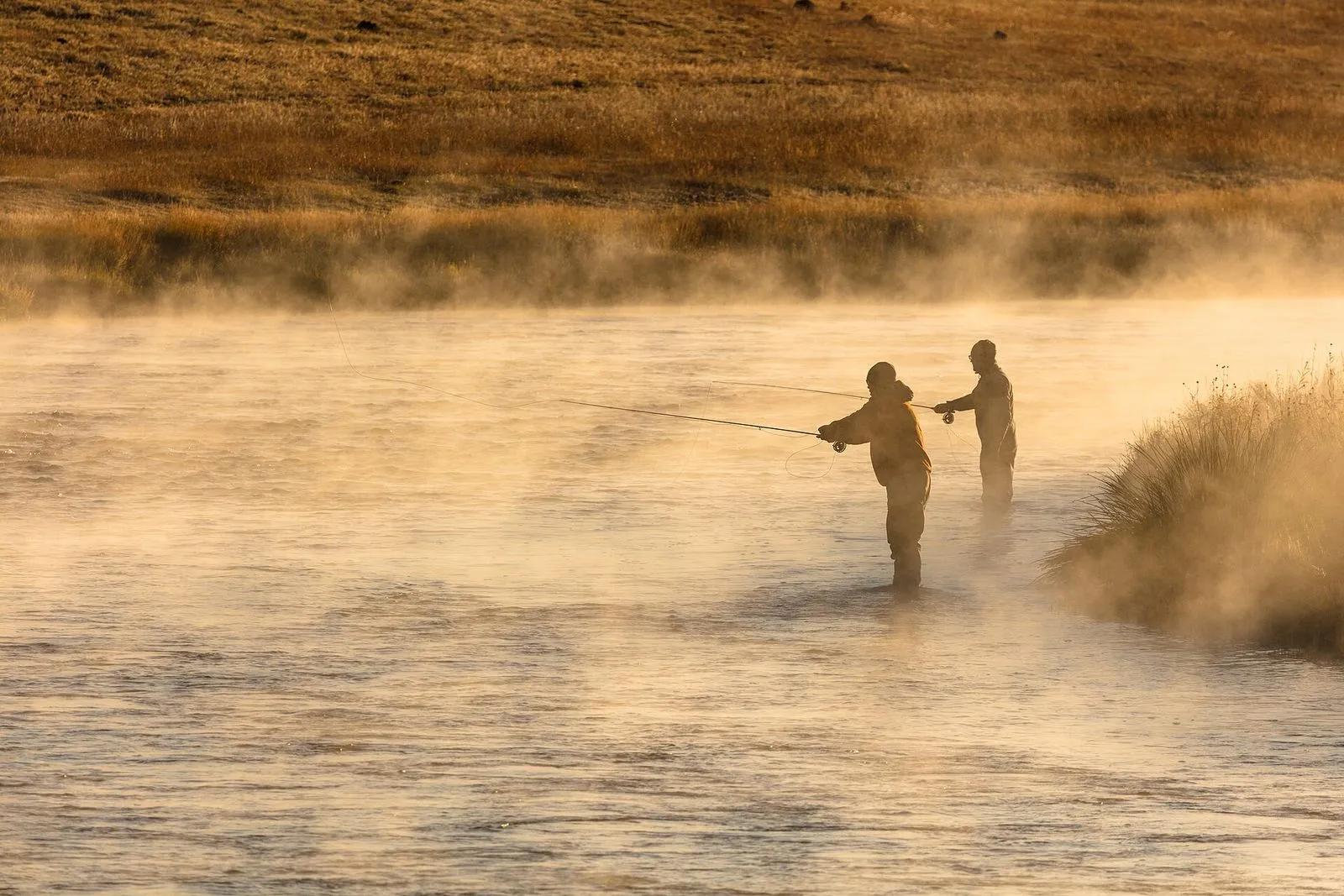 Best Time of Day to Fish: Dawn, Dusk, Midday and Night, Species by Species
Dawn and dusk beat midday for most fish, and catfish, walleye and big brown trout bite after dark. A species-by-species table of when to go.
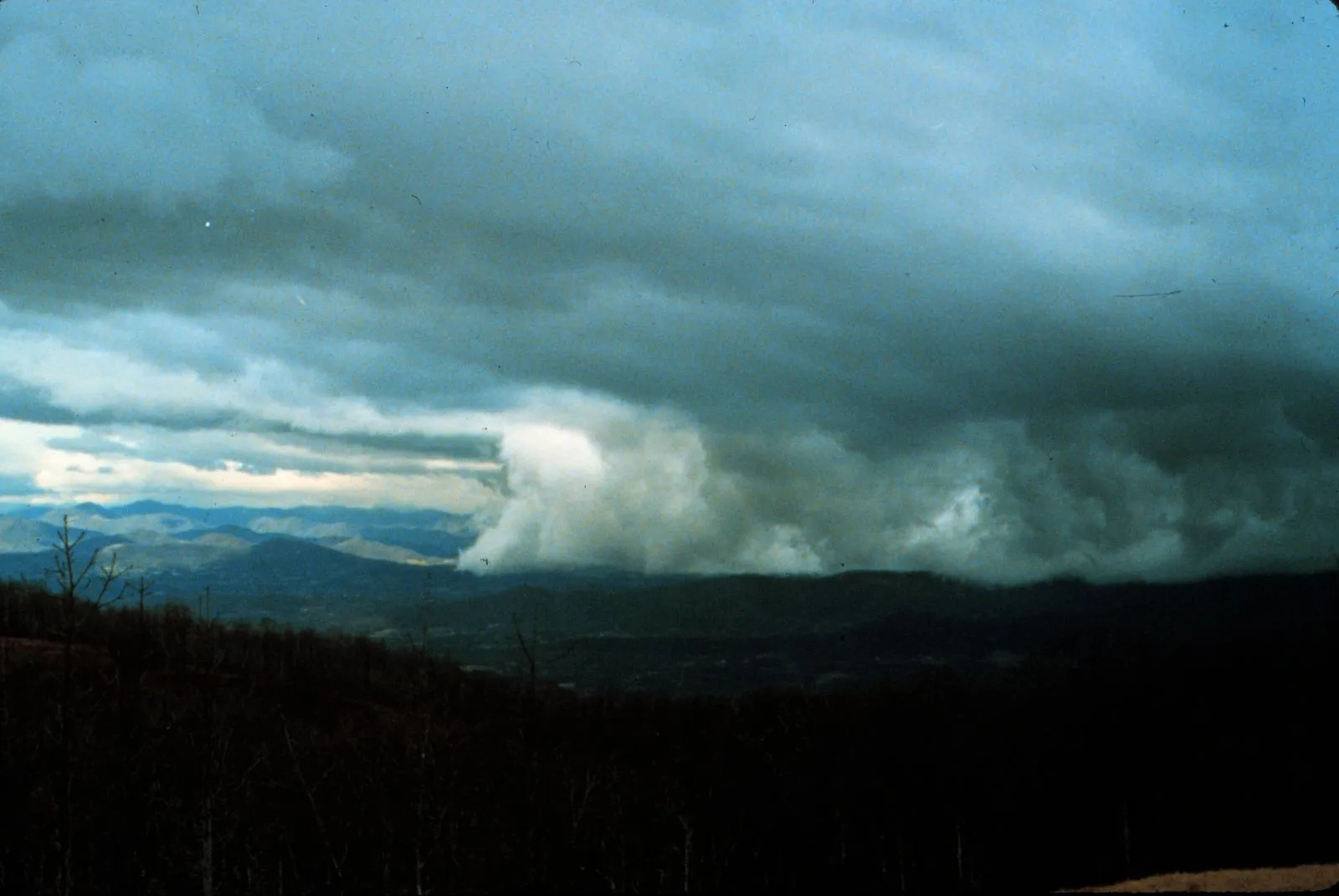 Cold Front Fishing: A Day-by-Day Plan for the Front, the Bluebird Days After, and the Wind
Cold front fishing day by day: the pre-front window, why days 1–2 after run slow, what to change, and when wind helps the bite.
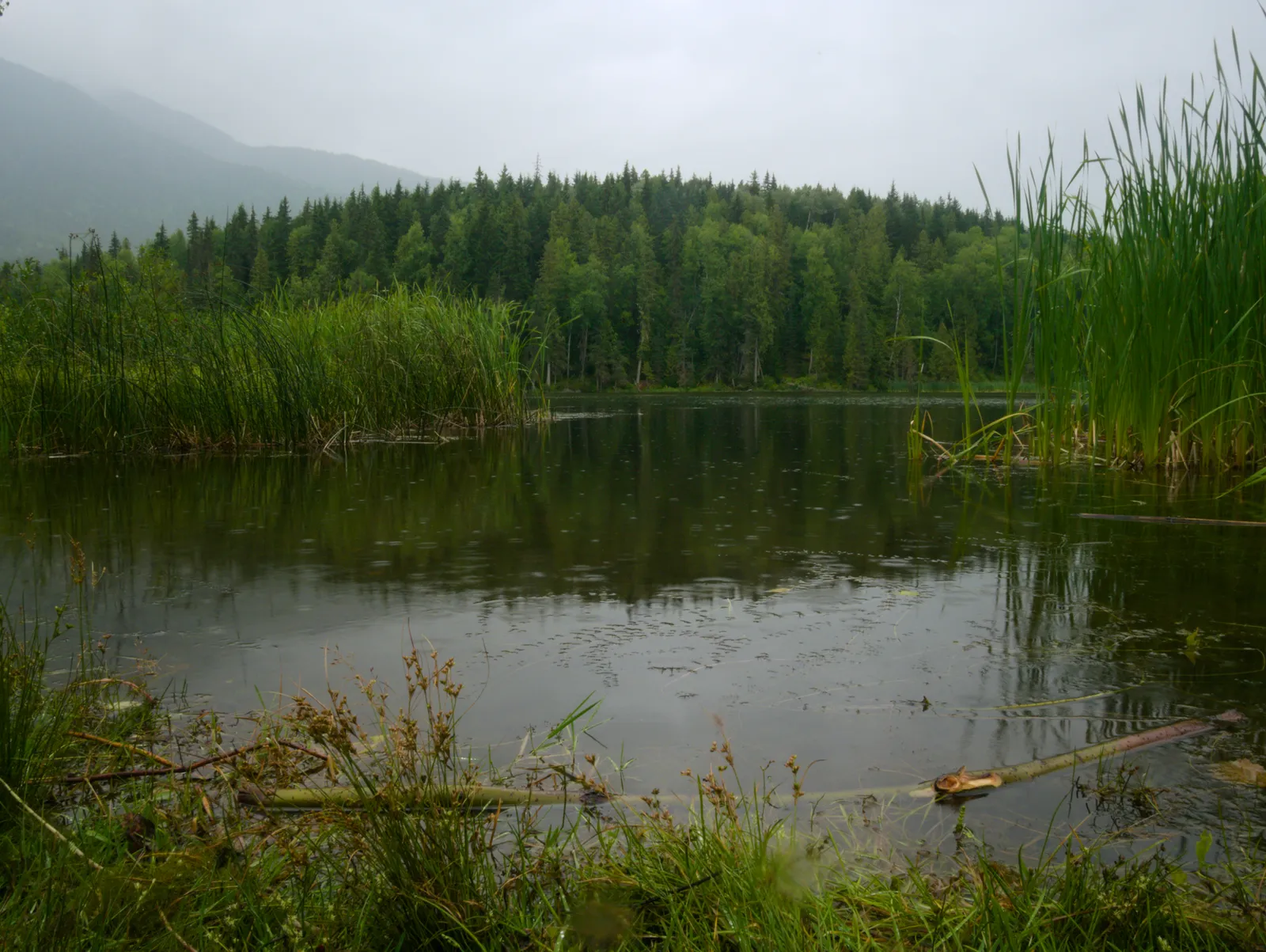 Fishing in the Rain: What Really Improves the Bite Before, During and After a Shower
Fishing in the rain works because of cloud, cooling and runoff, not the drops. Before, during and after a shower, by species, plus the lightning rule.
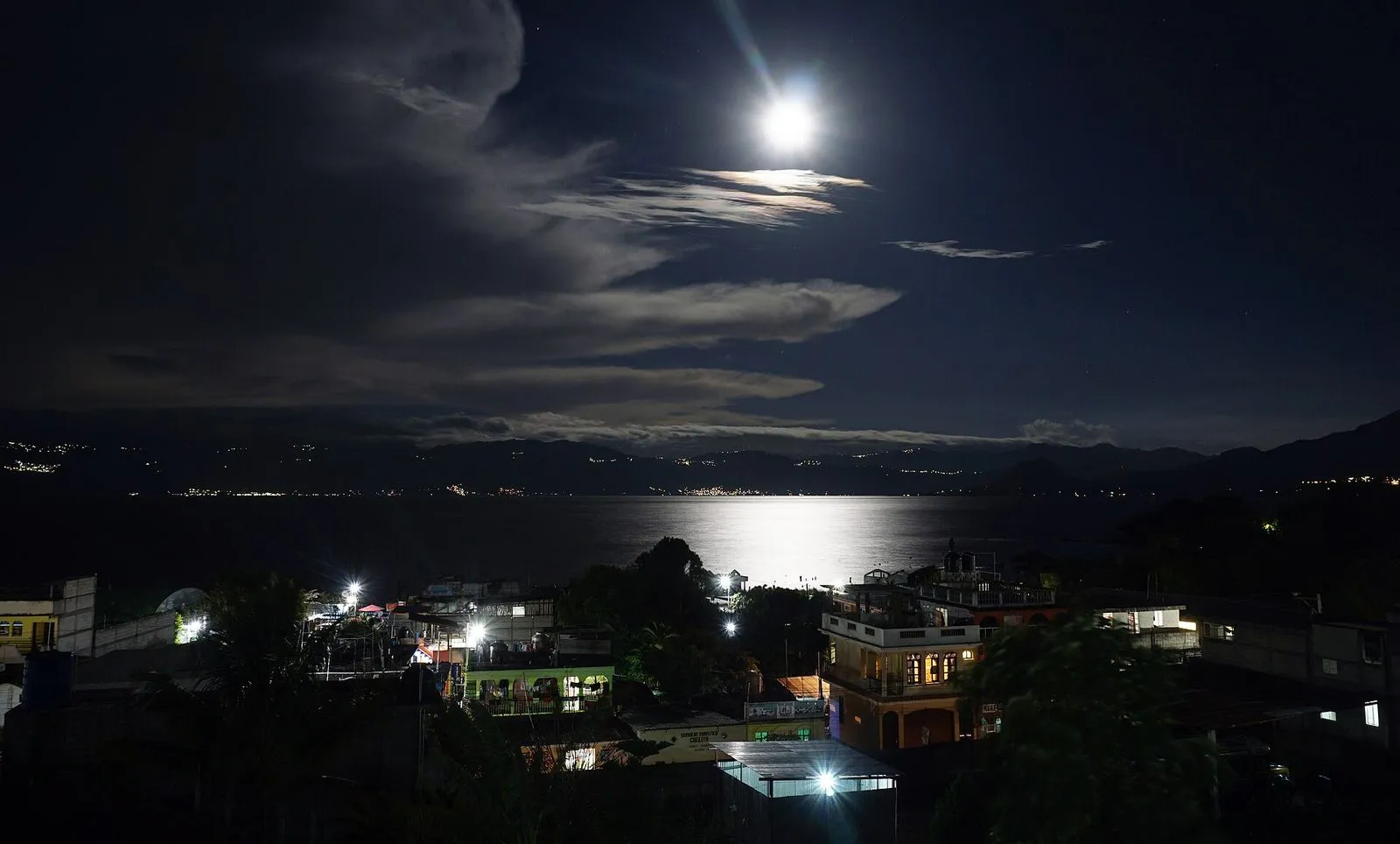 Moon Phase Fishing: The Solunar Theory, the Studies That Tested It, and a Verdict for Each Phase
No moon phase reliably out-fishes another: a 1,355-hour trout test found no solunar effect. Where the moon does matter, and a verdict per phase.
Free download
The water temperature card
Read your water temperature and the card tells you who is spawning, who is feeding and what to throw. 26 species, 16 pages, for your phone and the tackle box.
Plus one email a week on what's biting now. No sales pitches. Privacy.
Sources
- Shaw, S. L., Renik, K. M. and Sass, G. G. (2021), Angler and environmental influences on walleye and muskellunge catch at Escanaba Lake, Wisconsin, PLOS ONE
- McMahon, T. E. and Holanov, S. H. (1995), Foraging success of largemouth bass at different light intensities, Journal of Fish Biology
- Kuparinen, A., Klefoth, T. and Arlinghaus, R. (2010), Abiotic and fishing-related correlates of angling catch rates in pike, Fisheries Research
- Lungren, S. (2020), Fact checker: is fishing better when it's raining? (John McMillan, Trout Unlimited), MeatEater
- Schramm, H. (2017), The effects of cold fronts on bass, In-Fisherman
- Manns, R. (2017), Barometric pressure and bass, In-Fisherman
- Taylor, G. K. et al. (2010), Swim-bladder volume and depth sensing in fish, Journal of the Royal Society Interface
- Ross, D. (2010), The pressure myth (Woods Hole Oceanographic Institution), MidCurrent
- Stoner, A. W. (2004), Effects of environmental variables on fish feeding ecology: implications for catchability, Journal of Fish Biology
- Quigley, K. R., Gonzalez Murcia, J. and Kauwe, J. S. K. (2023), Solunar tables fail to predict trout fishing success, SN Applied Sciences
- Vinson, M. R. and Angradi, T. R. (2014), Muskie lunacy: does the lunar cycle influence angler catch of muskellunge?, PLOS ONE
- Hanson, K. C. et al. (2008), Lunar cycles and largemouth bass activity, Fisheries Management and Ecology
- Alwine, D., High Percentage Fishing wind data, via BassForecast
- National Weather Service, lightning safety (the 30-30 rule)