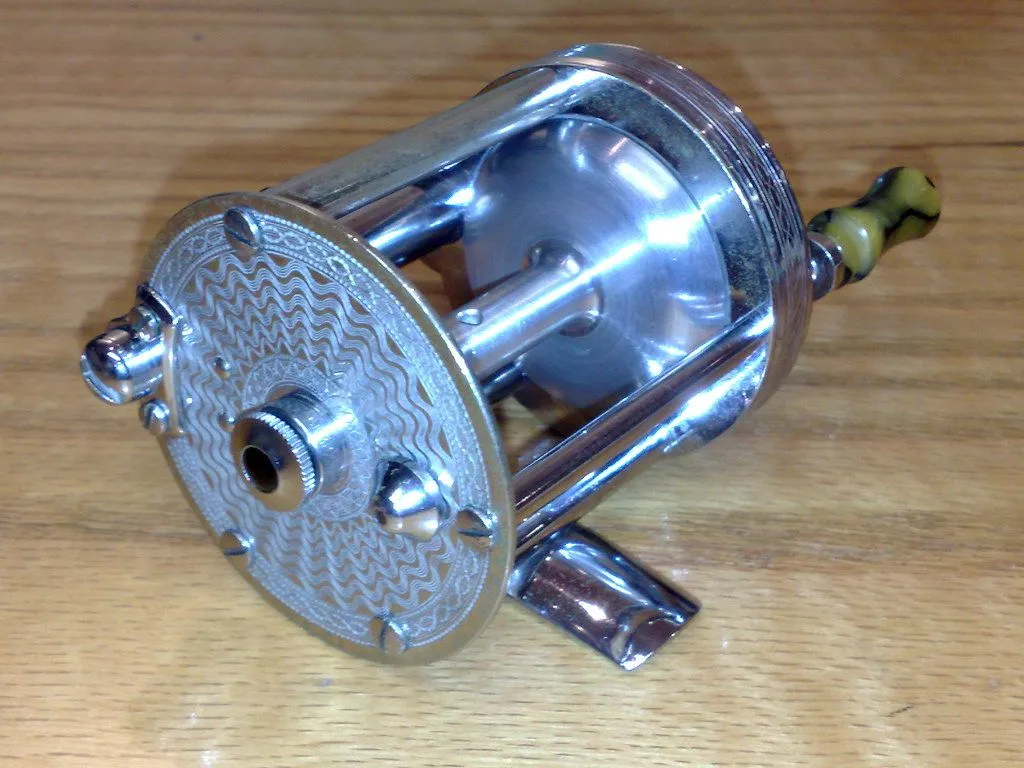
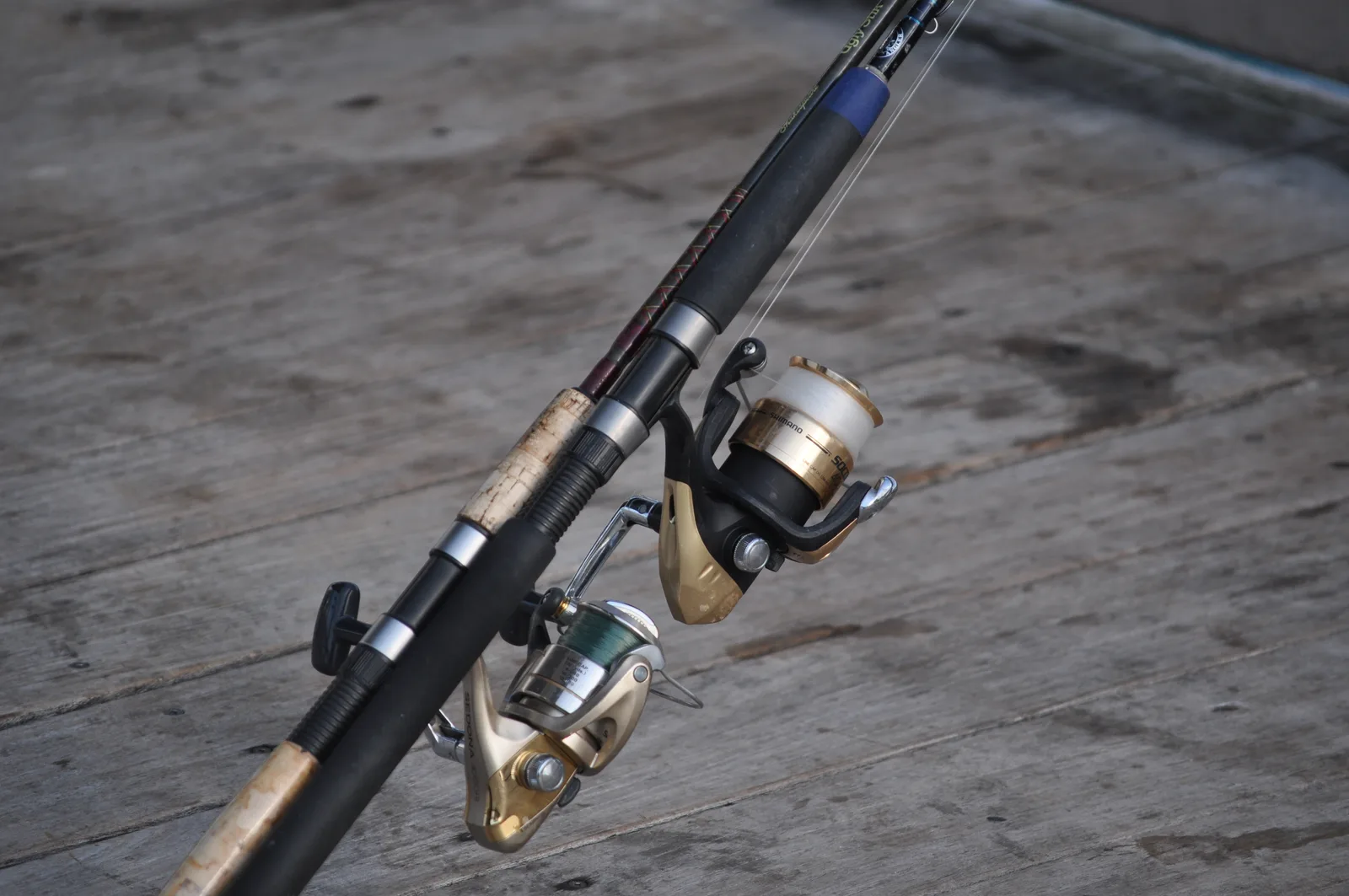
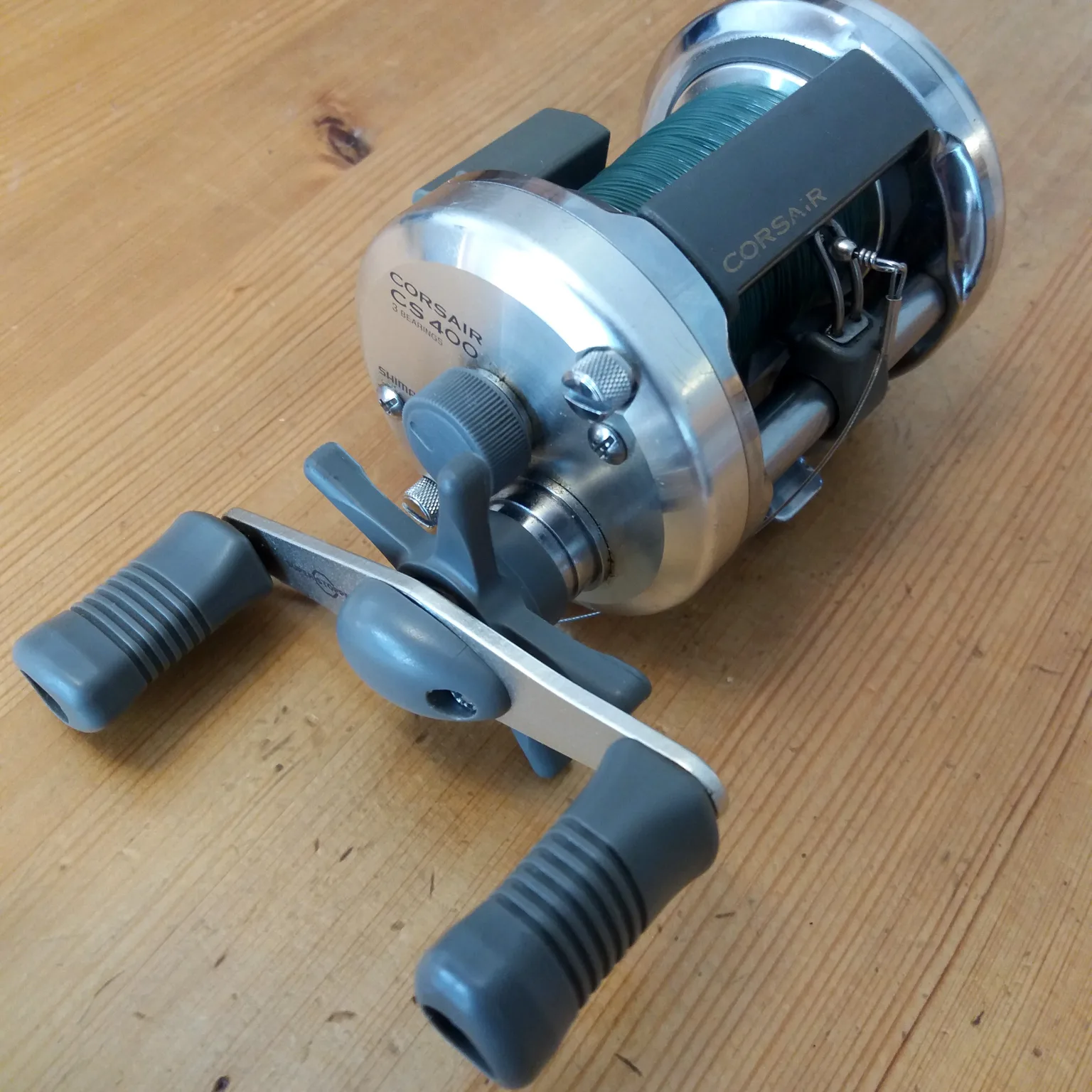
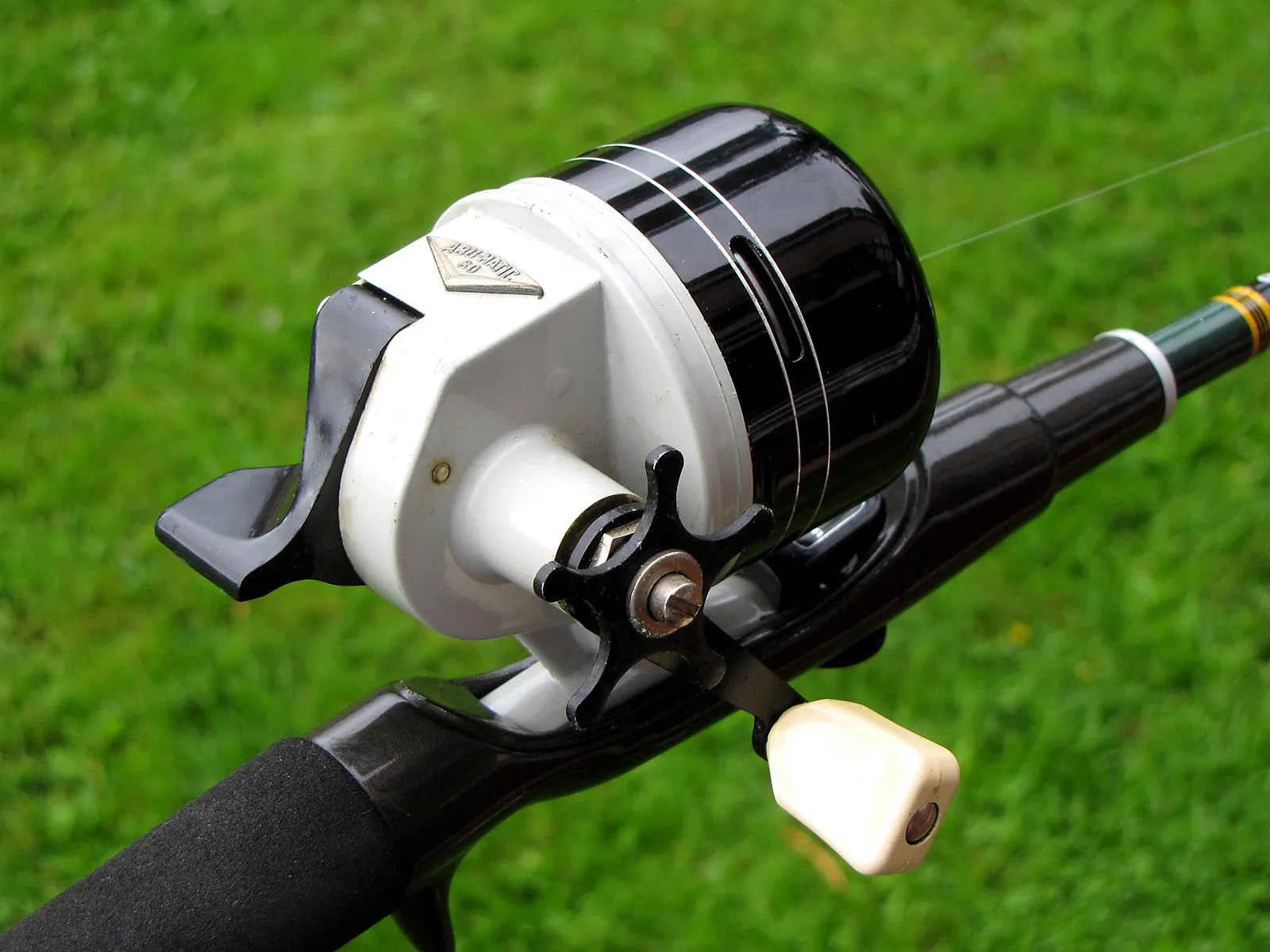
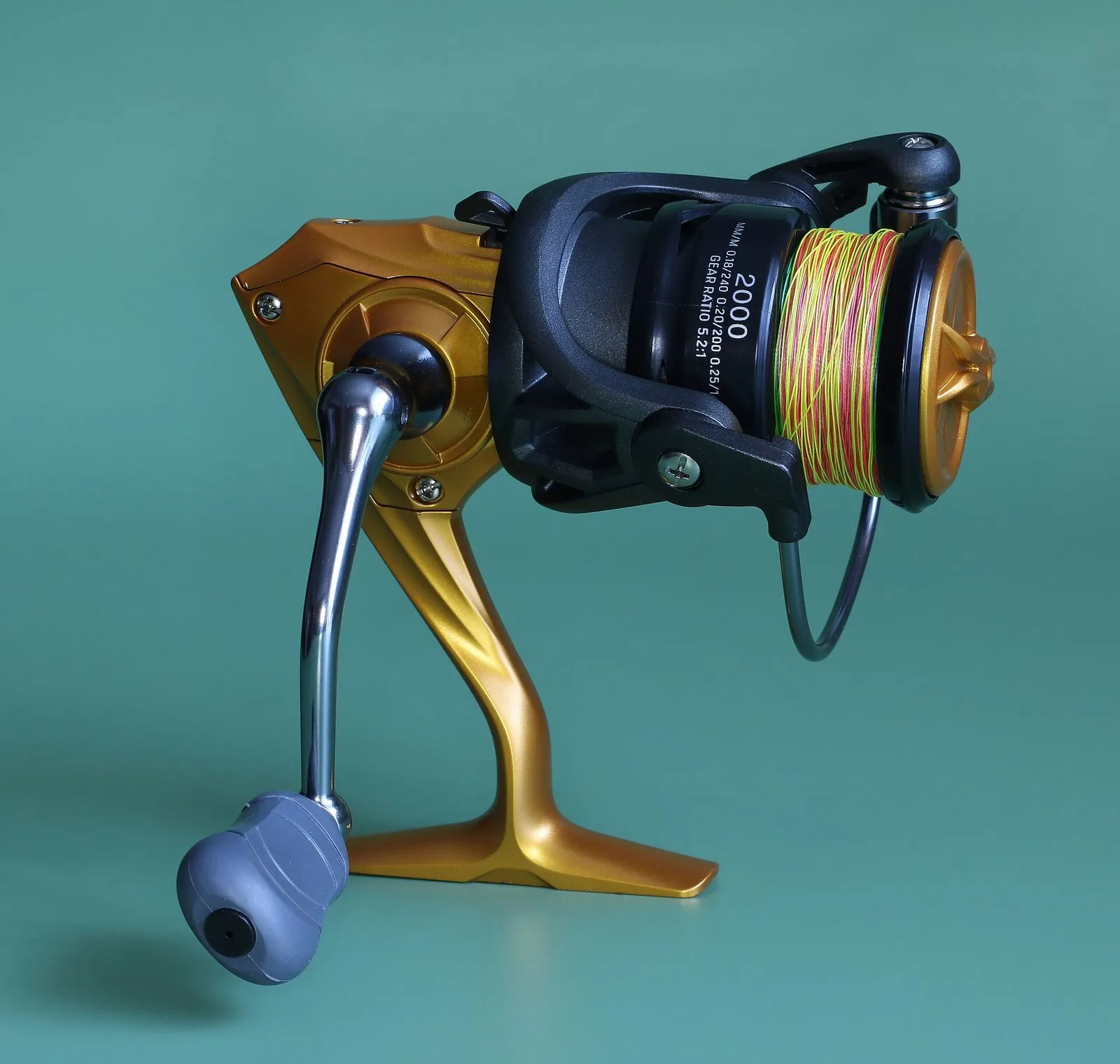
Fishing reels come in three designs: the spinning reel is the default, the baitcaster adds power and accuracy for heavier lures and cover, and the spincast is for beginners and kids. A spinning reel hangs under the rod with a fixed spool and a bail; a baitcaster sits on top with a spool that turns; a spincast hides a fixed spool inside a nose cone behind a push button. Pick the design for the job, then read the two numbers on the box: size and gear ratio.
A 2500 spinning reel holds 30 lb braid in the same yardage it holds 8 lb mono. The size question and the braid question have the same answer.
Start here
- Best fishing reels: the reviewers’ picks by type and budget.
- Spinning reel sizes: the size table by species, 1000 to 6000.
- Baitcaster explained: how it works, who needs one, and how to set the brakes.
- Spincast reel: how it works and who it is for.
- Saltwater spinning reels: what sealed means and which size.
- How to put line on a reel: spooling without twist, and the mono backing braid needs.
Spinning, baitcaster or spincast?
| Reel | How it works | Best for | Drawbacks |
|---|---|---|---|
| Spinning | Fixed spool; the bail wraps line on as the rotor turns; line comes off over the lip on the cast | Lures from 1/16 to about 1 oz (28 g), 4–12 lb line, finesse, beginners, most saltwater | Line twist; less cranking power; heavy lures overrun the spool lip |
| Baitcasting | Rotating spool driven by the lure’s momentum; brakes and thumb stop it | Lures from 3/8 oz (11 g) up, 10–25 lb line, flipping, pitching, heavy cover, big fish | Backlash until the brakes and thumb are learned |
| Spincast | Fixed spool inside a cone; a button releases the line | Children, beginners, light bait fishing | Low capacity, weak drag, short casts |
Bass Pro’s rule for the baitcaster: choose it if you plan to flip, pitch, work heavy cover, chase large gamefish or throw heavy lures. Whichever you pick, the rod has to match. A spinning reel needs a spinning rod, because the guides and the reel seat differ; the rods hub explains the pairing.
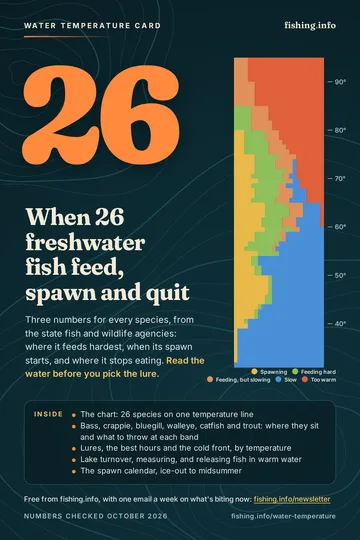
Free card: what 26 species do at your water temperature
Plus one email a week on what's biting now. No sales pitches. Privacy.
What does the size number mean?
Shimano and Daiwa number spinning reels in thousands, Penn and others in tens. Neither is a standard, so the table is a convention.
| Size | Mono | Braid | Lure weight | Use |
|---|---|---|---|---|
| 1000 | 4–6 lb | 6–10 lb | 1/32–1/8 oz (1–4 g) | Panfish, trout, ultralight |
| 2000 | 6–8 lb | 10 lb | 1/16–1/4 oz (2–7 g) | Trout, crappie, light bass |
| 2500 | 6–10 lb | 10–15 lb | 1/8–3/8 oz (4–11 g) | The all-purpose freshwater size |
| 3000 | 8–12 lb | 15–20 lb | 1/4–3/4 oz (7–21 g) | Bass, walleye, pike, light inshore |
| 4000 | 10–17 lb | 20–30 lb | 3/8–1½ oz (11–43 g) | Pike, salmon, stripers, redfish, snook |
| 5000–6000 | 17–20 lb | 30–50 lb | 1 oz (28 g)+ | Catfish, surf, heavy inshore |
Is a 2500 or a 3000 right, and does 30 lb braid fit a 2500? The answer to both is on the spool. Braid is a third to half the diameter of mono of the same test, so a 2500 holds 30 lb braid in the yardage it would hold 8 lb mono. Capacity is quoted in yards of a given test, and the line hub explains how braid changes the math.
What does the gear ratio do?
The ratio is how many times the spool turns for one turn of the handle: 6.4:1 means 6.4 spool turns per crank. What the lure feels is inches per turn, which depends on the spool’s diameter and how full it is. Lew’s and Abu Garcia sort reels into four bands:
- Low, 5.1–5.4:1, about 20–24 in per turn: deep crankbaits, big swimbaits and slow-rolled spinnerbaits.
- Medium, 6.1–6.5:1: squarebills, spinnerbaits and jerkbaits.
- High, 7.1–8.1:1: jigs, Texas rigs, topwater and frogs.
- 9–10:1, 34 in or more per turn: fast topwater and taking up slack.
Each lure hub lists the gear ratio its lures want. On a baitcaster, the brakes tame the backlash: centrifugal shoes that push out with spool speed, or magnets set by a dial. The baitcaster page walks through the set-up.
What does the drag do, and where do you set it?
The drag is the brake inside the reel. It sets how hard a fish must pull before line slips off the spool, so a hard run takes line instead of snapping it. Whisker Seeker, a reel maker, sets it at about 25–30% of the line’s strength: 5–6 lb of drag on 20 lb mono. To check it, tie the line to a handheld scale and pull until the drag slips. The maximum drag printed on the box is headroom above that setting, not the setting itself.
How do the Shimano and Daiwa ladders run?
Shimano’s spinning ladder starts with Sienna and Sedona and moves through Sahara, Nasci and Ultegra in the middle. Stradic and Vanford are the performance tier, and Twin Power, Vanquish and Stella sit at the top. At September 2026 retail prices that runs from about $35 to $895. Daiwa’s ladder runs Crossfire, Revros, Legalis and Fuego up through the BG, Tatula, Certate and Saltiga. Three more makers have their own ladders: Penn’s spinning reels run from the $59.99 Wrath II to the Authority at $609.95 and up. Abu Garcia’s baitcasters start at the $64.99 Max X, and Lew’s casting reels at the $74.99 Classic.
What makes a reel saltwater-ready?
Sealing. A saltwater reel adds a sealed carbon drag, sealed or shielded bearings and an anodized aluminum body. More and more carry an IPX5 to IPX8 water-ingress rating as well.
Where the spincast came from
R. D. Hull’s backlash-free reel was built by the Zero Hour Bomb Company of Tulsa, a maker of oil-well time bombs, and sold as the Standard in May 1949. The Model 33 followed in 1954. In 1956 the firm renamed itself Zebco, after a reel sent to President Eisenhower set off a bomb scare. For the rest of the outfit, the fishing gear hub sets out the five gear decisions, from hooks to fish finders.
All articles
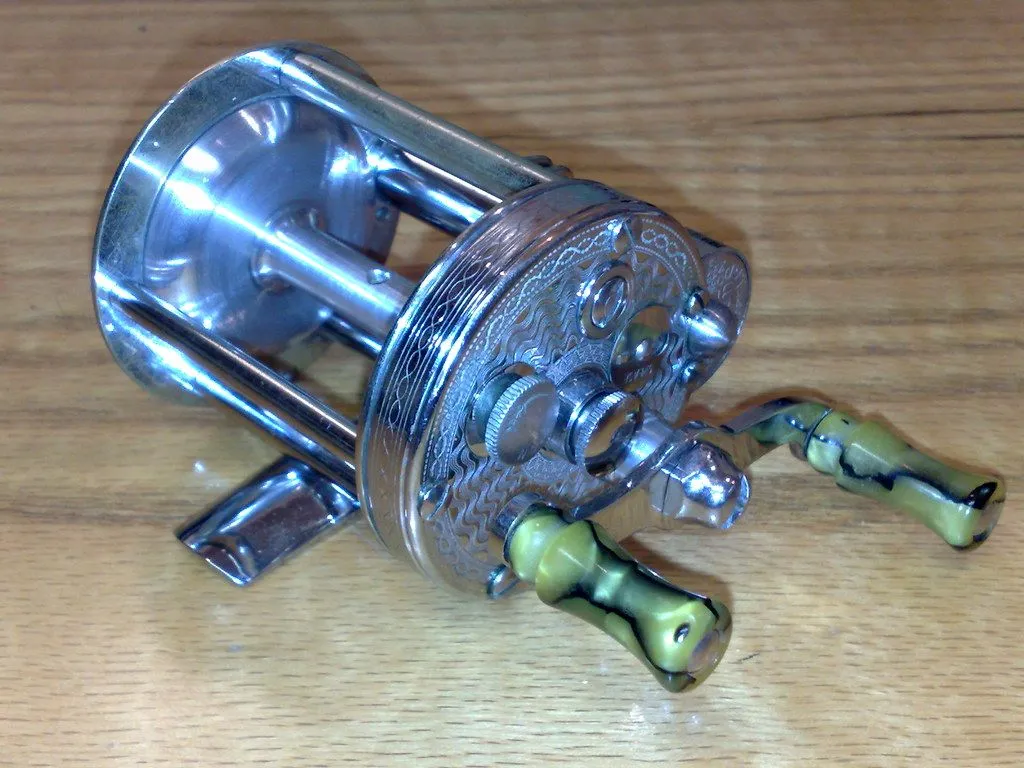 Baitcaster Explained: How It Works, Who Needs One and How to Set It Up
What a baitcaster is, why it backlashes, how to set tension and brakes so it does not, what gear ratio means, and when a spinning reel is the better choice.
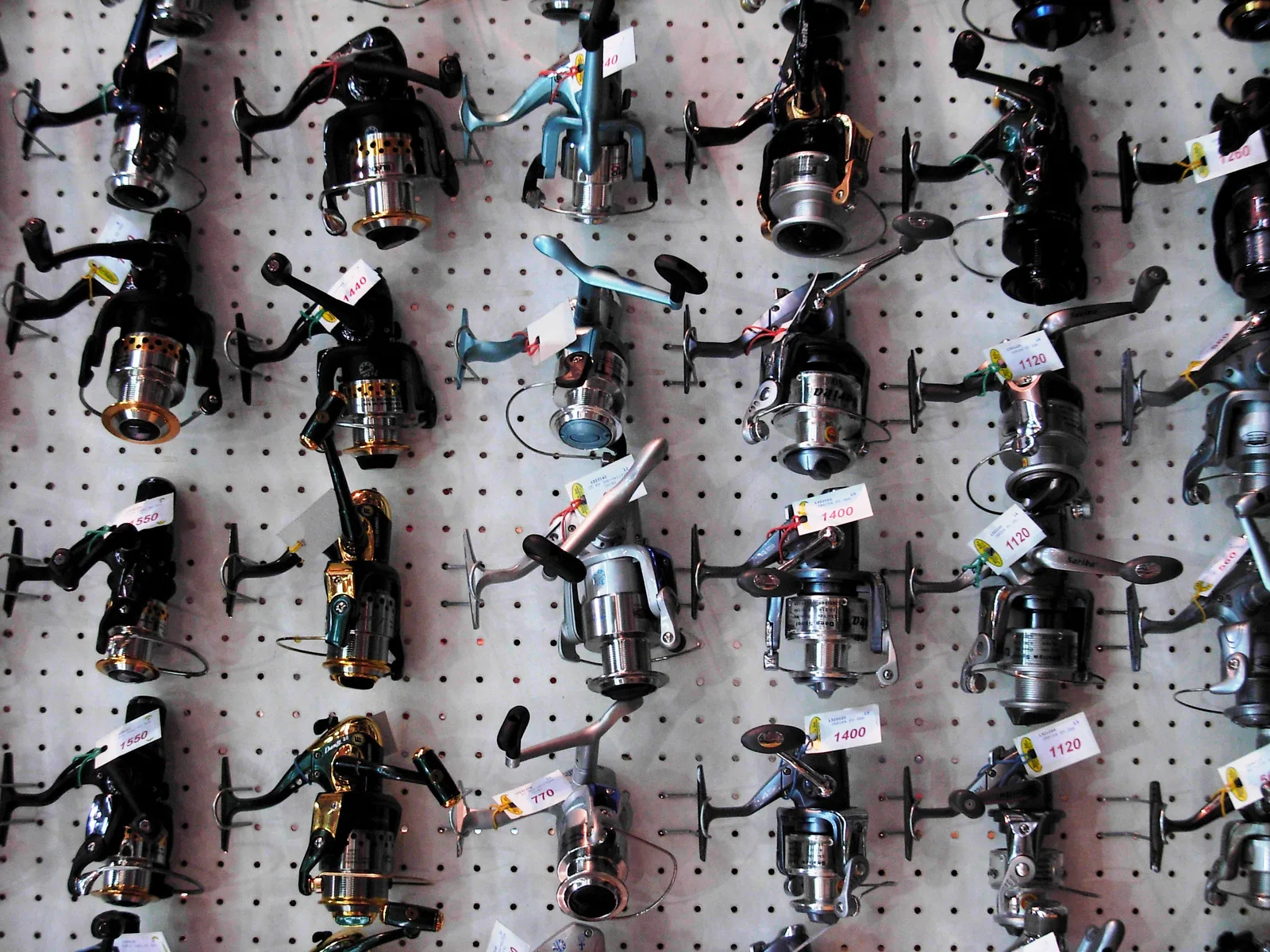 Best Fishing Reels: The Reviewers' Picks by Type and Budget
The best fishing reels by type and budget: spinning, baitcasting and spincast picks with weight, drag and price from the makers' spec sheets.
 Saltwater Spinning Reels: What Sealed Means, Which Size, and the Picks
Saltwater spinning reels compared: IPX5 vs IPX8 sealing, eight reels by drag, weight and price, the size for inshore, surf and offshore, and how to rinse one.
 Shimano Reels: Every Spinning and Casting Reel, Sienna to Stella
Every Shimano spinning reel and baitcaster on one price ladder, $35 to $895: what each step buys, which size fits your fishing, and the reel to buy.
 Spincast Reel: How It Works, Who It Is For, and Why Pros Skip It
A spincast reel hides a fixed spool under a nose cone and casts with a thumb button: no backlash, short casts. How it works, nine reels compared, spooling, care
 Spinning Reel Sizes Explained: 1000 to 6000 and Which One You Need
What the size number on a spinning reel means, a 1000-to-6000 table with line, lure and species, the gear ratio and drag to look for, and 2500 versus 3000.
Free download
The water temperature card
Read your water temperature and the card tells you who is spawning, who is feeding and what to throw. 26 species, 16 pages, for your phone and the tackle box.
Plus one email a week on what's biting now. No sales pitches. Privacy.
Sources
- Bass Pro Shops, A guide to choosing baitcast reels
- Lew's, Understanding gear ratios in casting reels (archived copy)
- Ardent, Fishing reel sizes explained
- Oklahoma Historical Society, Zebco
- Whisker Seeker Tackle, How to set up your baitrunner spinning reel (drag at 25–30% of line strength)
- Penn, Spinning reels: series and prices
- Abu Garcia, Max X low profile reel: price
- Tackle Warehouse, Lew's Classic casting reel: price