 By
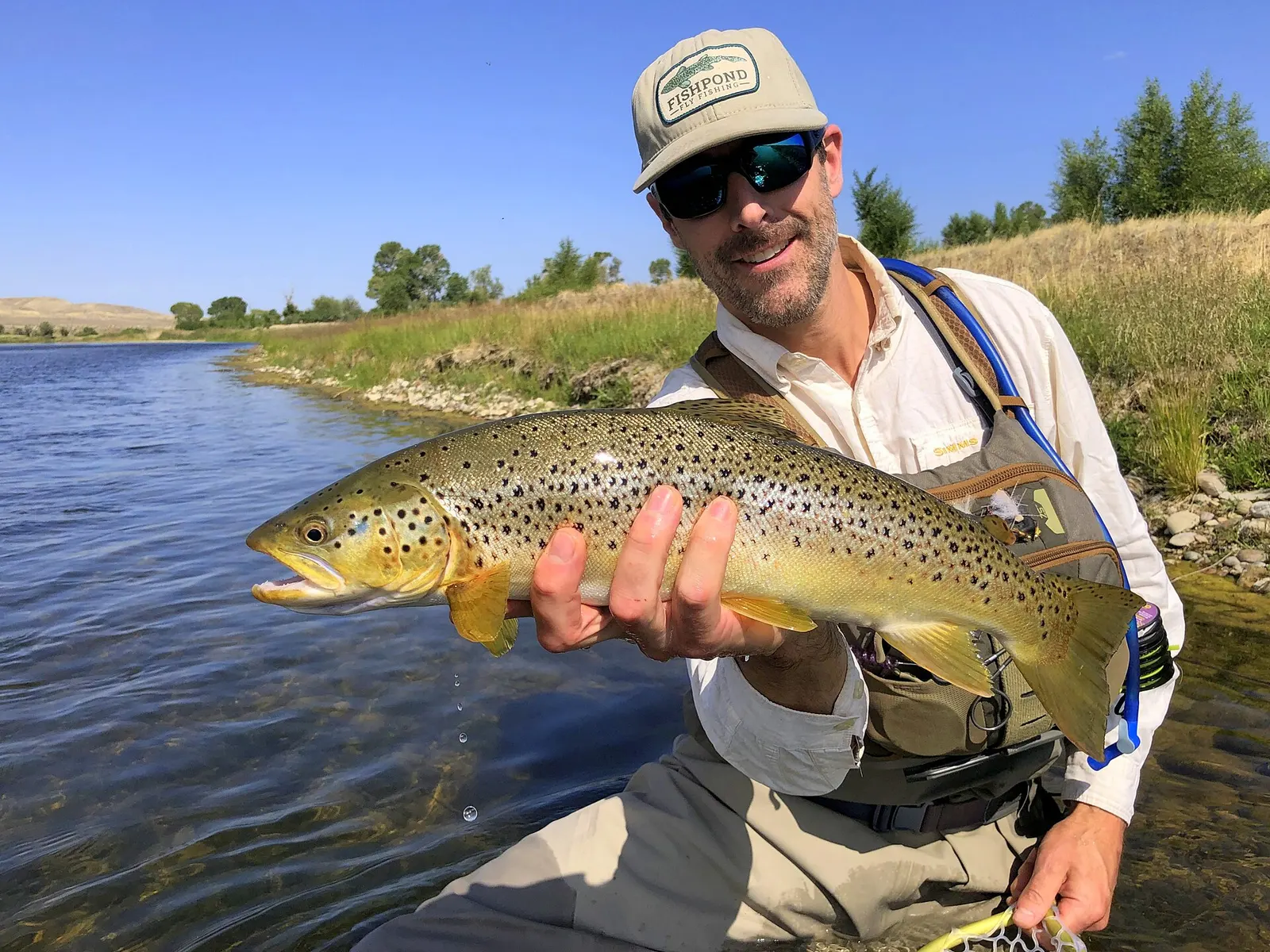
What to wear fishing comes down to two things: the sun and the water temperature. For sun, wear a hat with a brim of at least 3 inches all the way around, a long-sleeve shirt rated UPF 50 (the sun rating on the label) and polarized glasses. In water of 70°F (21°C) or colder, add warm layers with no cotton, a life jacket, and waders with a snug belt if you wade. Start with the hat and the shirt: the sun gets you on every daylight trip, cloudy or not, and cold water only on some.
A white T-shirt is only about UPF 7. Get it wet and it drops to about UPF 3, the Skin Cancer Foundation says.
Start here
- Fishing hats: bucket, boonie, cap or sun hood, how much each one shades, and four UPF 50+ hats from the makers’ own specs.
- Ice fishing clothing: bibs, float suits and boots for standing on the ice. It’s its own kit.
What to wear, by season and water
Pick the row for the trip you have coming. The sun rules from the health agencies apply to every row with daylight.
| Trip | Head and eyes | Body | Legs and feet |
|---|---|---|---|
| Summer flats and saltwater shallows | Wide brim, or a cap with a neck cape; green or brown polarized lenses | UPF 50 long sleeves or a hooded sun shirt | Long pants, shoes you can get wet |
| Offshore, bright open water | Wide brim with a chin cord, or a cap with a neck cape; blue lenses | UPF 50 long sleeves, life jacket | Long pants, closed shoes with grip |
| Spring and fall rivers, water 70°F (21°C) or less | Wide brim, or a warm hat on a cold day; brown lenses | Wicking base layer, an insulating mid-layer, no cotton | Waders, belt snug at the waist, life jacket over the top |
| Summer trout streams | Wide brim; brown lenses, or rose in low light | UPF 50 long sleeves | Waders with a snug belt. Check the water against the 70°F line |
| Bank and pier, freshwater | Wide brim or cap plus neck cover, brown lenses | UPF 50 long sleeves | Long pants, ordinary closed shoes with grip |
| On the ice | See the ice fishing clothing page | Bibs or a float suit | Insulated ice boots and cleats |
The lens colors come from Smith. It calls blue “ideal for offshore, deepwater fishing” and green “a favorite of inshore anglers.” Brown is its everyday lens. Rose is for “dawn, dusk, and overcast conditions.”
Free PDF · Water temperature chart Which fish are biting at today's water temperature?
One reading, and the 16-page chart shows which of 26 fish are spawning, feeding hard or slowing down; for bass, crappie, bluegill and walleye, where they sit and what to throw. Every number sourced.
No card, nothing to buy, and the PDF is yours to keep. It's in your inbox a minute later. Then a few short emails and one a week on what's biting. Unsubscribe anytime. Privacy.
Sun: the numbers on the label
UPF tells you how much sun gets through the fabric. A UPF 50 fabric blocks 98 percent and lets 2 percent through, one fiftieth. It counts both kinds of UV, UVA and UVB, while SPF on a sunscreen bottle counts only UVB. Your shirt loses some of that protection when it’s stretched tight or wet, so buy it loose.
The most common skin cancers often show up on the head and neck, the Skin Cancer Foundation says. The CDC says UV reflects off surfaces like water, sand and snow. In the continental U.S. it is strongest from 10 a.m. to 4 p.m. daylight saving time (9 a.m. to 3 p.m. standard time). On the water it comes at you from above and from below. The Skin Cancer Foundation’s line is a brim of at least three inches. With a baseball cap, the CDC says to cover your ears and the back of your neck some other way. A neck gaiter does it, and one is on the list of gifts for fishermen. The fishing hat guide measures real hats against that line.
For your eyes, buy glasses that block both UVA and UVB, and read the label. Dark lenses aren’t proof of UV protection, the American Academy of Dermatology warns. Wrap-around frames work best, the CDC says, because they stop UV sneaking in from the side. On a boat, some of that UV comes up off the water. Polarized sunglasses are a different job. They cut the glare off the surface so you can see below the waterline, where the fish, weeds and rocks are.
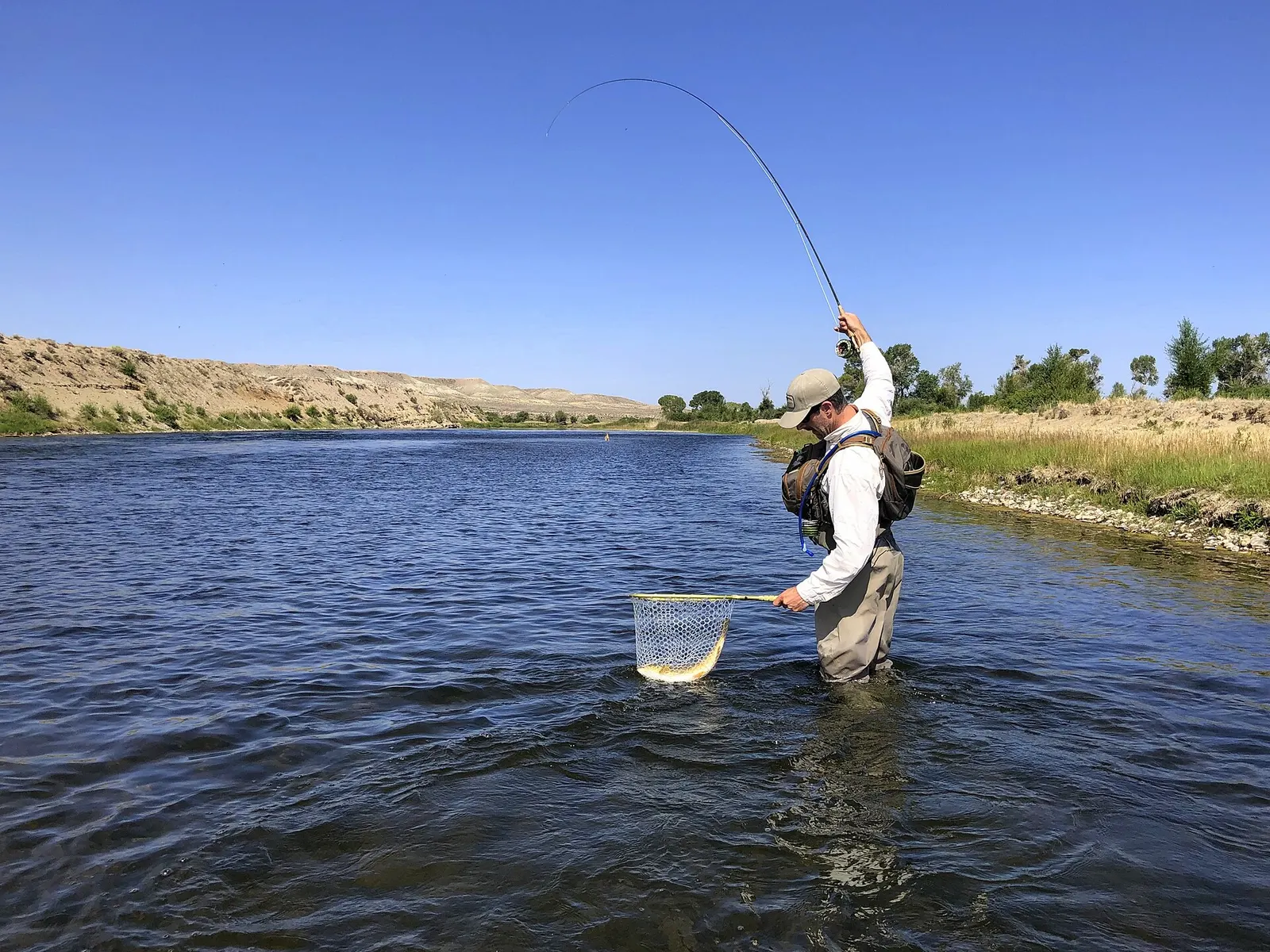
Cap, sunglasses, long sleeves and waders on a Wyoming trout river in July. Photo: Tom Koerner, U.S. Fish and Wildlife Service, Wikimedia Commons (public domain).
Cold water: dress for the water, not the air
The National Weather Service calls any water at 70°F (21°C) or lower cold water, and says to dress for the water temperature, not the air. A spring river on a warm afternoon is still cold water. A fishing thermometer tells you which side of the line you’re on. Cold shock from water of 50 to 60°F (10 to 15°C) can be as dangerous as water at 35°F (2°C). Within 10 minutes you can lose muscle control.
Here’s what to wear when you’re standing in it:
- No cotton underneath. Frogg Toggs says to use moisture-wicking base layers and insulating mid-layers instead.
- Waders with a belt. Waders are the waterproof overalls you stand in the river with. The belt goes snugly at the waist, not loose around the hips. It limits how much water gets in if you fall.
- A life jacket over the waders. Waders can act as an anchor if you fall in, the Coast Guard warns. An approved life jacket goes right over them.
- The right soles. Felt grips slick rock, but not below freezing, Orvis says: felt holds water, freezes and collects snow and ice. Minnesota DNR counted six states plus Yellowstone with felt-sole bans in 2024, so check your state’s rules before you buy felt.
If this is your first season, start with the beginner’s guide to fishing. The rest of the kit, rod to net, is on the fishing gear page.
All articles
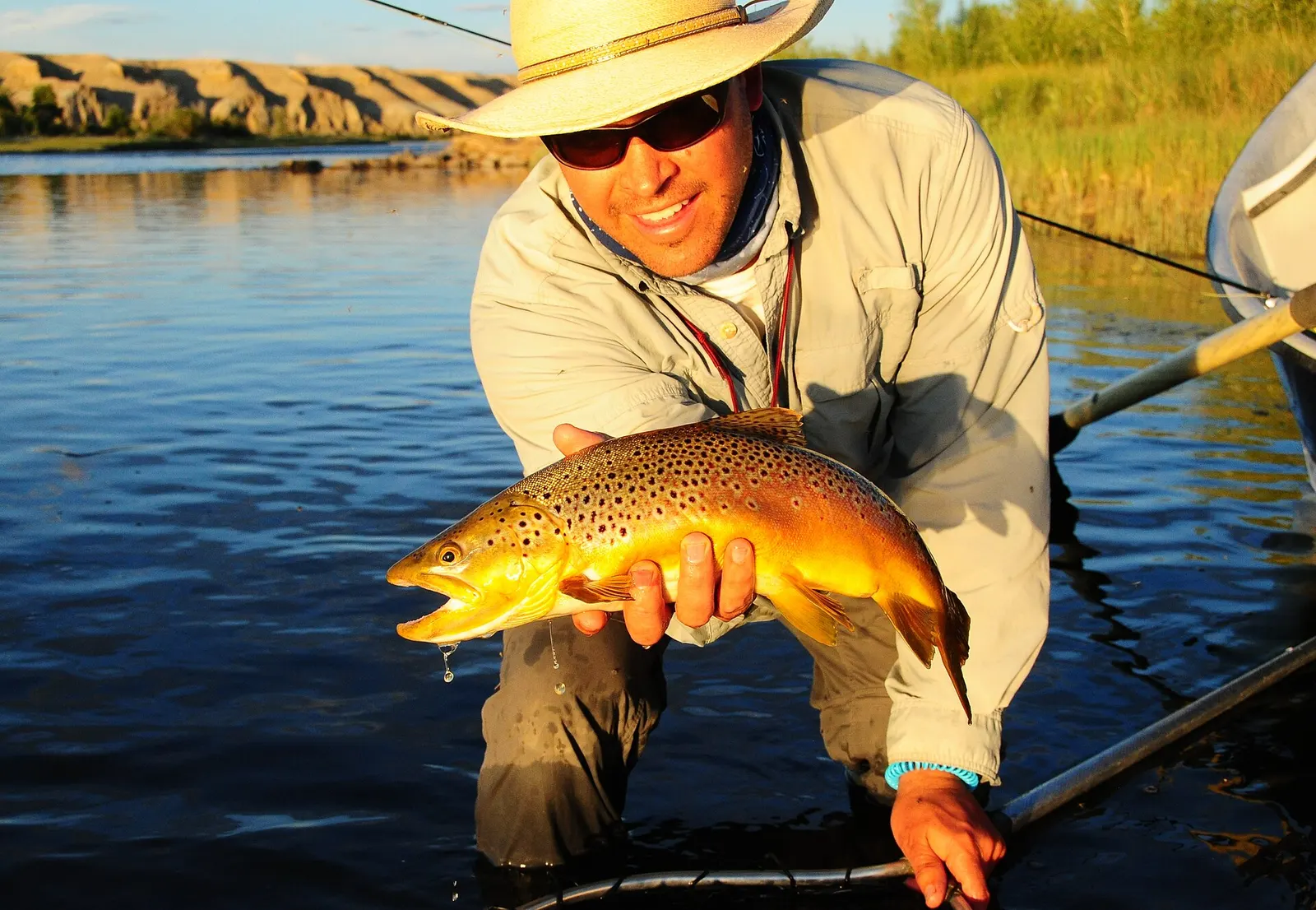 Fishing Hat Guide: Bucket, Boonie, Cap or Sun Hood, and 4 Picks
The best fishing hat shades your face, ears and neck: a 3 in brim all around and UPF 50. Bucket, boonie and cap compared, with 4 hats from maker specs.

Free PDF · 16 pages
Stop guessing. Know what's biting before your first cast
A whole Saturday on the water with nothing to show for it. One reading tells you who's feeding.
The Water Temperature Fishing Chart. Take one water temperature reading, find it on the chart, and see which of 26 freshwater fish are spawning, feeding hard or slowing down.
- Where bass, crappie, bluegill and walleye sit, and what to throw. Trout: the reading where you stop.
- Why a 3 ft drop beats a cold front, and what to throw each day of the front
- The three thermometer mistakes that make a reading lie
The chart's numbers come from state fish and wildlife agencies and fisheries research: 64 sources, each listed on the site.
No card, nothing to buy. The PDF is in your inbox a minute later, one version for your phone and one to print, yours to keep. Then a few short emails and one a week on what's biting, with an unsubscribe link in every one. Privacy.
Sources (10)
- Skin Cancer Foundation, Sun-Protective Clothing
- CDC, Sun Safety Facts (June 17, 2026)
- American Academy of Dermatology, What to wear to protect your skin from the sun
- National Weather Service Gray/Portland, Hazard of Cold Water Activities
- National Weather Service, Cold Water Safety
Show all 10 sourcesShow fewer sources
- U.S. Coast Guard 5th District, Waders will not save your life. Life jackets will. (Nov 22, 2021)
- Frogg Toggs, Wading Safety Tips for Cold Water Fishing (Apr 14, 2026)
- Smith Optics, Your Guide to the Best Polarized Sunglasses for Fishing
- Orvis, How Do I Pick a Pair of Wading Boots?
- Minnesota DNR, Recommendations for Reducing Aquatic Invasive Species Contamination in Minnesota Trout Streams (Jan 15, 2024)