 By
The best fishing knot depends on the job, so you pick it by the line you’re tying. Tie a Palomar or Trilene knot to a lure on mono, a Palomar on fluorocarbon and a uni on braid. To join braid to a leader, use an FG. To join two mono lines, use a blood knot. New to all of it? Learn the Palomar first. Salt Strong ranks it first for tying mono or fluorocarbon to a hook or lure.
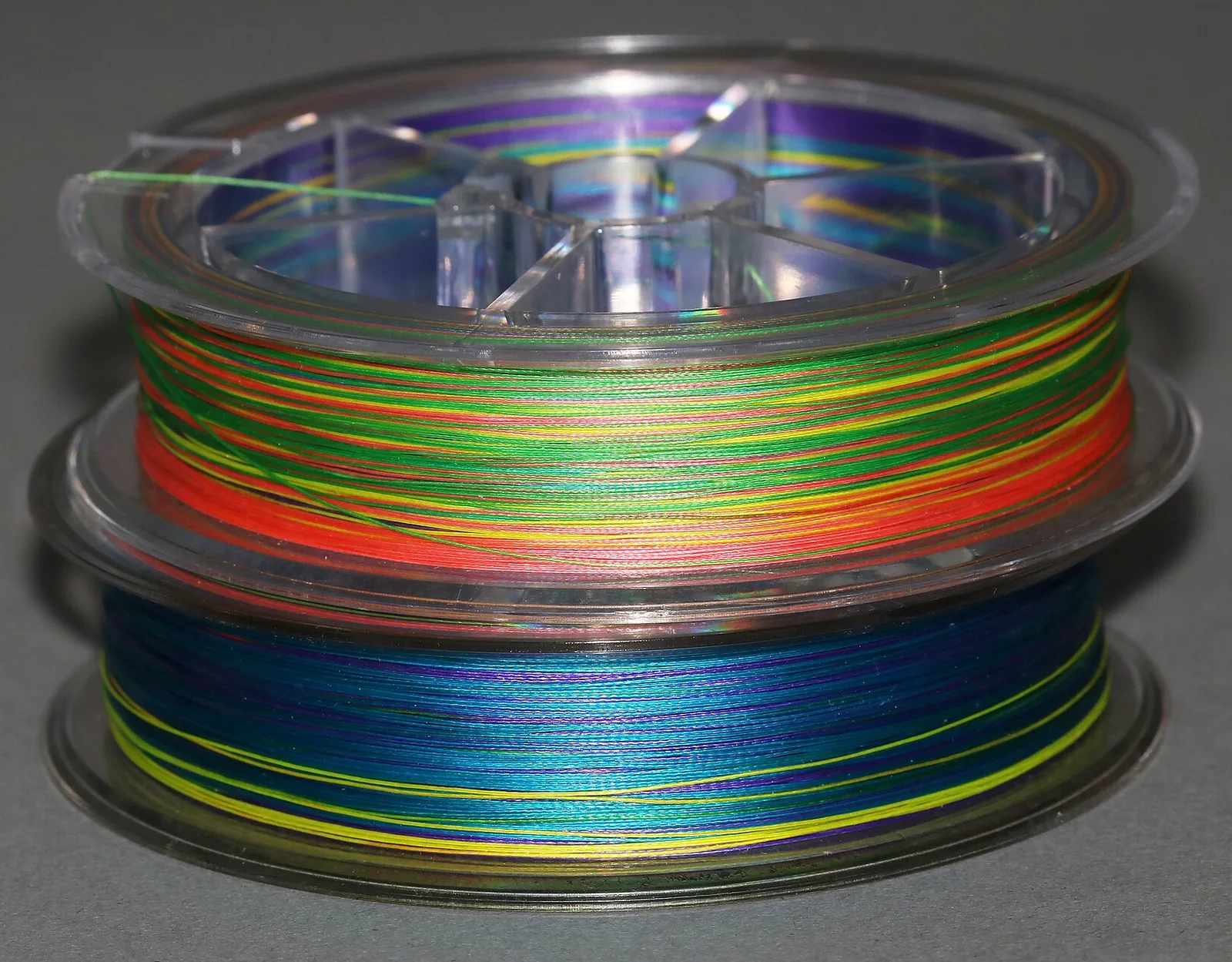
Mono, fluorocarbon and braid are three kinds of line. Mono is plain nylon line, the kind a store combo usually comes spooled with. Fluorocarbon is a clear line that’s harder for fish to see. Braid is woven from thin fibers, very strong for its thickness and slick, so knots slide on it. The “lb” on the spool is the pull the line is rated to hold.
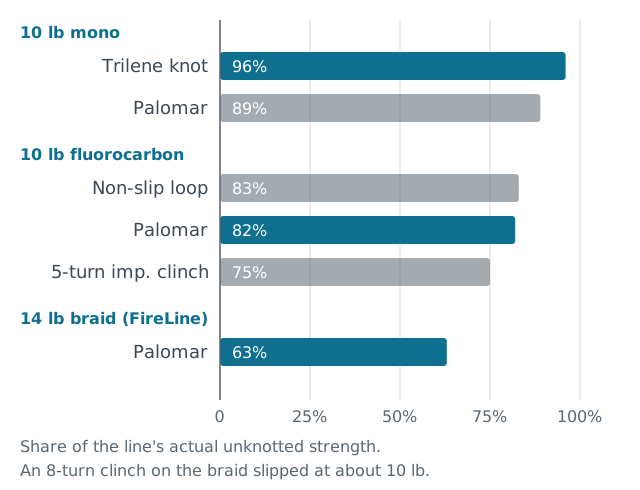
In Field & Stream’s tests a Trilene knot kept 96 percent of 10 lb mono. A Palomar tied to the same kind of lure kept 63 percent of 14 lb braid. Three testers have named the lines they used and shown how they scored each knot. They agree on most jobs and disagree on one, mono to a lure.
In Field & Stream’s test a clinch knot kept 96 percent of the line, but only when it was tied with extreme care. The knot you tie well beats the knot that tested best.
Which knot for which job?
- Mono to a hook or lure: the Palomar knot or the Trilene knot. Salt Strong ranks the Palomar first of eight snug knots for mono and fluorocarbon, and the Trilene third. Snug knots pull tight against the eye, the little ring on the hook or lure. Loop knots don’t. Field & Stream measured it the other way round on 10 lb mono: Trilene 96 percent, Palomar 89. You’re fine with either. Pick the Trilene knot when your lure is too big to pass through a Palomar loop.
- Fluorocarbon to a hook or lure: the Palomar. Both testers agree on this one. It beat the Toit knot on fluorocarbon in Salt Strong’s test, by a margin they didn’t give. For Field & Stream it kept 82 percent of 10 lb fluorocarbon, ahead of a five-turn improved clinch at 75.
- Braid to a hook, swivel or lure: the uni knot. A swivel is the small metal connector that spins so your line doesn’t twist. Salt Strong ranks the uni first for braid, ahead of the San Diego jam and the Palomar. Its uni knots also out-pulled a Palomar on 10 lb braid. Never tie a plain clinch on braid.
- Braid to a leader: the FG knot. A leader is a few feet of separate line, often heavier or clearer, tied between your main line and the hook. The FG beat the Alberto five times out of five in Salt Strong’s contest. On the IGFA’s machine it placed third of 26 entries, behind a PR bobbin knot and an improved FG. When you need the leader on fast, tie the double uni. A charter captain in Sport Fishing’s survey calls it quick and says it works every time.
- Line to line in mono or fluorocarbon: the blood knot, for two lines of similar size. Salt Strong ranks it first of five mono joins, and Field & Stream measured a five-turn blood knot at 83 percent. When you’re in a hurry, the surgeon’s knot is the fast one.
- A lure that should swing: a loop knot. It leaves a small open loop at the eye, so your lure moves freely. Salt Strong ranks the Rapala loop first and Lefty Kreh’s non-slip loop second. Field & Stream measured the non-slip loop at 83 percent of 10 lb fluorocarbon, a point ahead of the Palomar.
You’ll find every knot matched to its line and job on the knots hub, with a page for each one.
Who tested the knots, and how?
Salt Strong. Luke Simonds has run knot contests since at least 2015. Most are head-to-head bouts. He ties two knots on one strand and pulls until the weaker one breaks, so each figure is where the losing knot gave way. The 2020 braid test used what he calls his knot strength testing machine. The 2015 line-to-line contest read the loser’s break on a scale. His 2018 ranking covers 10–20 lb PowerPro braid tied to 20–30 lb Ande mono and Seaguar fluorocarbon. It puts the knots in order and gives no pound figures.
Field & Stream. John Merwin tested lure knots and splices, knots that join two lines, on what he called expensive equipment. He gave each result as a percentage of the line’s actual unknotted strength, not of the label. That matters to you, because a line can break well above the pound test printed on the spool. The article doesn’t say how many times each knot was pulled.
Sport Fishing. Doug Olander’s challenge invited entrants, charter captains among them, to send in three tied copies of their best braid-to-leader knot. Each one was pulled on the IGFA’s Instron 5543 tension tester, a machine that pulls until something breaks. The figure is the average of the three breaks, as a percentage of the braid’s own measured break.
None of the three is a lab standard, and no standard for fishing knots exists. Take Me Fishing says its five beginner knots were “tested and proven” to keep at least 90 percent of line strength. It names no test.
Free PDF · Hook size chart What size is that hook? Lay it on the chart.
Print the free chart, lay any hook on it and read its size: 14 hooks from 9/0 to #8 at actual size, a gap ladder from #32 to 12/0, and the size for 17 fish and 16 baits on the back.
No card, nothing to buy, and the PDF is yours to keep. Confirm with one click and it's on its way. Then a few short emails and one a week on what's biting. Unsubscribe anytime. Privacy.
How do the tests compare?
Knots to a hook, swivel or lure:
| Line | Knot | Salt Strong | Field & Stream |
|---|---|---|---|
| Mono | Trilene knot | 3rd of 8 snug knots | 96% |
| Palomar | 1st of 8 | 89% | |
| Clinch, improved clinch | Clinch 4th; clinch beat the uni on 20 lb mono | 96%, only with extreme care | |
| Fluorocarbon | Palomar | Beat the Toit knot, margin not given | 82% |
| Non-slip loop | 2nd of 5 loop knots | 83% | |
| Improved clinch, 5 turns | — | 75% | |
| Braid | Uni | 20.21 lb average, 10 lb braid to a swivel | — |
| Palomar | Broke at 18.36 lb, same test | 63% on 14 lb FireLine | |
| Clinch | “Completely tanked” on 10 lb PowerPro | 8 turns slipped at about 10 lb (4.5 kg) |
Salt Strong’s lines were 20–30 lb Ande mono, Seaguar fluorocarbon and 10–20 lb braid. Field & Stream used 10 lb Trilene Big Game mono, 10 lb Seaguar InvizX fluorocarbon and 14 lb FireLine fused line, each tied to a Rapala.
Joins between two lines:
| Join and lines | Knot | Result | Test |
|---|---|---|---|
| Braid to leader: 10 lb PowerPro, 30 lb Ande fluoro | FG vs Alberto | FG won 5 of 5; Alberto broke at 8.7–14.6 lb (3.9–6.6 kg) | Salt Strong 2020 |
| Alberto vs Albright | Albright failed first in 3 of 5 bouts; Salt Strong gave the Alberto the higher average | Salt Strong 2020 | |
| Braid to leader: 15 lb Spiderwire, 30 lb fluoro | PR bobbin, improved FG, FG | 84.3%, 80.9%, 73.4% | Sport Fishing, IGFA machine |
| Double uni, 5 wraps / 4 wraps | 55.8% / 40.1% | Sport Fishing, IGFA machine | |
| Mono to mono: 10 lb Trilene XL, 30 lb Big Game | Surgeon’s, 3 turns | 13–15 lb (5.9–6.8 kg) | Salt Strong 2015 |
| Double uni | 7–12 lb (3.2–5.4 kg) | Salt Strong 2015 | |
| Albright | 6–8 lb (2.7–3.6 kg), unraveled twice | Salt Strong 2015 | |
| Fluoro to mono, both 10 lb | Blood knot, 5 turns | 83% | Field & Stream |
| Surgeon’s, 3 turns | 65% | Field & Stream | |
| Fluoro, 10 lb, to 30 lb FireLine braid | Surgeon’s, 4 turns | 80% | Field & Stream |
| Back-to-back uni, 5 turns | 75% | Field & Stream |
Read Sport Fishing’s percentages against the braid’s real break, not its label. The “15 lb” Spiderwire averaged 34.4 lb (15.6 kg), so the best plain FG held about 25 lb (11.4 kg).
Salt Strong’s 2018 ranking has no figures. It puts the blood knot first of five mono joins, the double uni second and the three-turn surgeon’s third. For braid to leader it ranks the PR bobbin knot first, the FG second and a six-turn surgeon’s third.
Why do the testers disagree?
The one real disagreement is mono to a lure. Salt Strong puts the Palomar ahead of the Trilene knot. Field & Stream measured the Trilene knot seven points higher on 10 lb Trilene Big Game. Three things can explain it.
- The lines differ. Salt Strong ranks mono and fluorocarbon as one list, and says its hook-knot tests focused on fluorocarbon. Field & Stream tested them apart and never tied the Trilene knot on fluorocarbon, so its Trilene score is a mono number only. On fluorocarbon its Palomar beat the one other snug knot it tried, a five-turn improved clinch. Fluorocarbon and monofilament are different enough materials that the same knot tests differently in each.
- The methods differ. A head-to-head bout tells you which knot broke first. A percentage tells you how much of the line a knot kept.
- The tying counts. Merwin’s clinch held 96 percent only when the knot was tied with extreme care.
The other disagreement, line to line, only looks like one. It comes down to turns, the number of times you wrap the line. In Salt Strong’s 2015 contest a three-turn surgeon’s knot beat the double uni, and Simonds called it the pick when speed matters. In Field & Stream’s tests the three-turn surgeon’s kept 65 percent, where a five-turn blood knot kept 83. Yet a four-turn surgeon’s kept 80 on a fluorocarbon-to-braid splice. Add turns and, in strength terms, you often get a different knot. The IGFA results say the same about the double uni: five wraps a side kept 55.8 percent, four wraps 40.1. So count your wraps every time you tie one.
Uni or Palomar?
On braid, tie the uni. Salt Strong tied 10 lb braid to a swivel at each end. In the bout with a Palomar on one end, the Palomar broke at 18.36 lb, the weaker of the two. With a uni at both ends, the uni averaged 20.21 lb over a few more pulls. Neither knot pulled out. Simonds called that 8 percent stronger, and his own figures make it nearer 10. His 2018 braid ranking agrees: the uni first, the Palomar third. The braided line page explains why braid needs its own knots.
On mono and fluorocarbon, tie the Palomar. In the same 2018 ranking it’s first of eight snug knots, and the uni is fifth. Both are good knots, so the choice rarely costs you a fish. Picking by line is just a free gain.
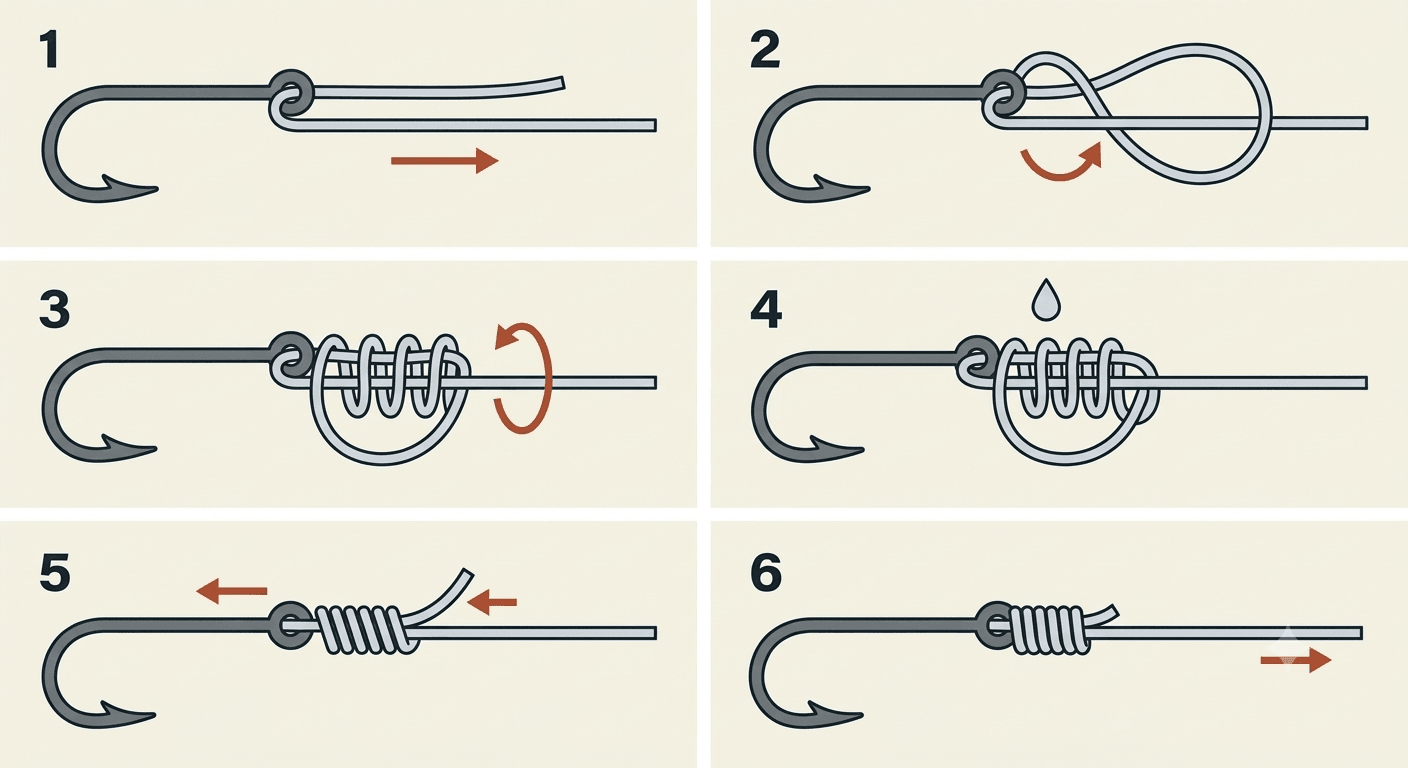
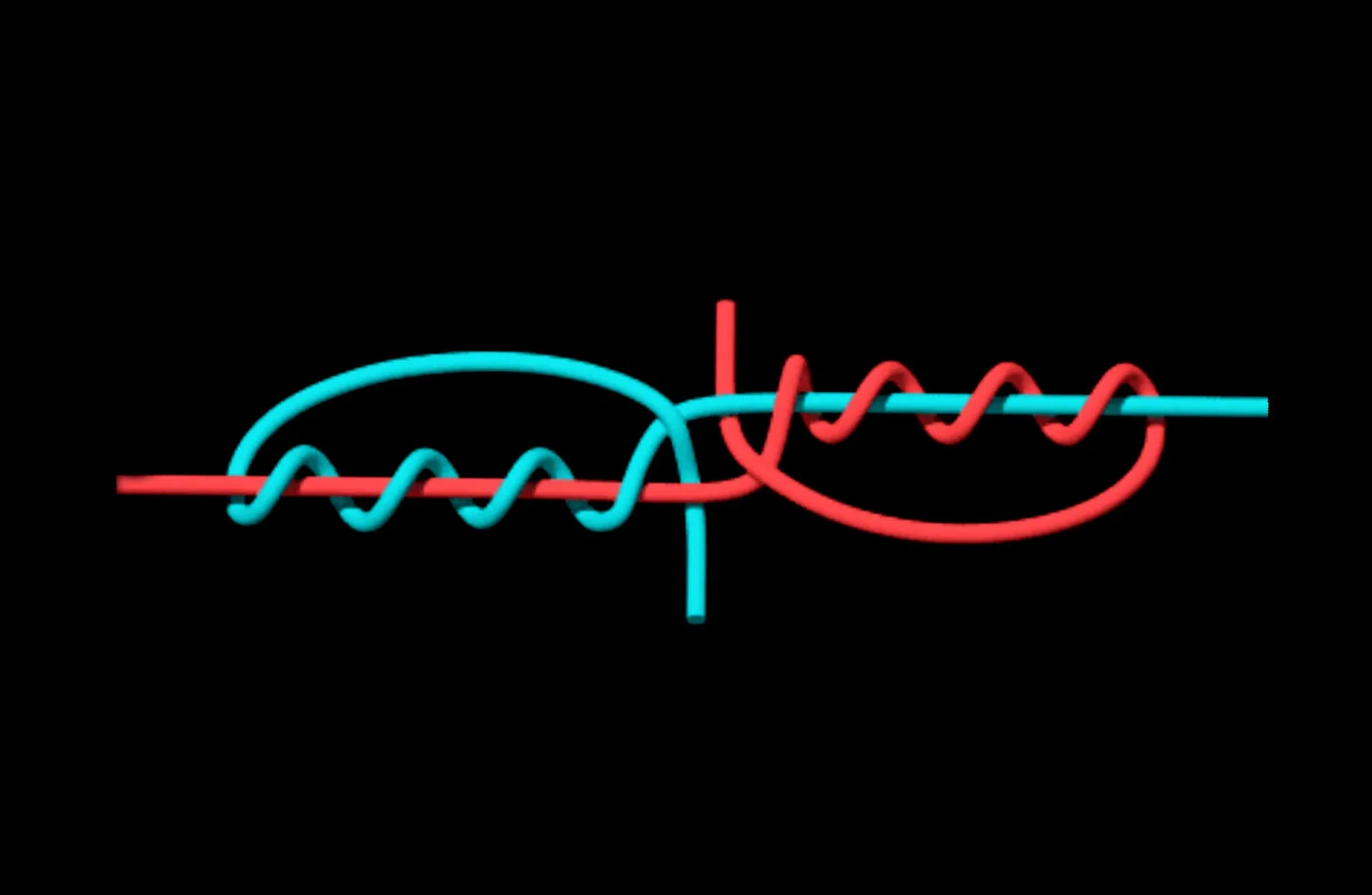
Drawing: fishing.info, generated with Gemini and checked step by step.
How do you read a knot test?
Three things tell you whether a knot test means anything. First, the line has to be named, by maker and pound test. The two IGFA braids had labels of 15 and 50, yet broke at 34.4 and 62.8 lb on the machine. So a knot that “held 18 lb” says little until you know the spool.
Second, every knot in the comparison needs the same method: the same swivel or hook, the same pull, and wet or dry stated. Salt Strong’s Palomar-versus-Toit test, for example, cinched half the knots dry and half wet with saliva.
Third, the test has to say how many pulls, because knots vary from tie to tie far more than lines do. Salt Strong’s Alberto broke anywhere from 8.7 to 14.6 lb across five bouts on the same spools. Sport Fishing found the same knot far apart when different entrants tied it. Four FGs in the 15 lb class scored 73.4, 62.5, 58.2 and 49.1 percent. One pull proves little, and a percentage with no test behind it proves nothing.
The braid-to-mono knot comparison reads every leader join the same way. The Albright tests low with braid, but it still joins mono to wire.
What do the numbers not tell you?
Don’t worry when your braid breaks far above its label. That’s normal. It’s why the useful comparison is between knots on the same line, not against the number on the box. Each figure also comes from a knot tied with care. Field & Stream’s clinch held its top score only when tied with extreme care, and broke “much lower” otherwise. Salt Strong says a curly tag end, the short loose end of the knot, after a break-off means a bad knot, or a good knot tied badly. So wet your knot, pull it tight with one slow pull and trim it close.
The tests measure a straight pull until something breaks. They don’t measure wear on the knot from a hundred casts, a knot nicked by a rock, or a leader chewed by a fish. That’s why every knot page here ends on the same rule: retie after a fish, a snag or an hour of casting.

Free PDF · 2 pages
Stop guessing hook sizes. Lay any hook on this page and read it
A jar of loose hooks and no packet in sight. Guess wrong and you find out with a fish on.
The True-Size Hook Chart. Print it at actual size, lay a hook on the outlines, and the one its bend fills is its size. One sheet, front and back, for the tackle box.
- 14 hooks from 9/0 to #8 at true size, plus a ladder from #32 to 12/0
- The size for 17 fish and 16 baits, from bluegill to tuna
- A 2/0 circle that gapes less than a #4: why a 2/0 is not always a 2/0
Every outline drawn from Mustad's published dimensions; every size from the 25 sources on the page, Maryland DNR and Idaho Fish and Game among them.
No card, nothing to buy. Confirm with one click and the PDF is on its way, one version for your phone and one to print, yours to keep. Then a few short emails and one a week on what's biting, with an unsubscribe link in every one. Privacy.
Related
Section guide
Fishing Knots: Which Knot for Which Line and JobFishing knots by job and line: the five to learn first (Palomar, uni, FG, surgeon's, loop), the knot for braid, and what three pull tests measured.
 Braid to Mono Knot: Which One to Tie, and What the Pull Tests Show
The FG is the strongest braid to mono knot you tie by hand: 73.4%, and 80.9% improved, on IGFA's tester. Six knots ranked by two pull tests.
 Blood Knot: How to Tie It, Turns by Line Size, and Strength
Blood knot: joins two mono or fluoro lines within .002 in of each other. How to tie it, turns by line size, why it slips, and how its strength tests.
 Alberto Knot: How to Tie It, and What the Pull Tests Show
The Alberto knot is an Albright with seven braid wraps up the leader loop and seven back. How to tie it, and how it did in two pull tests against the FG.
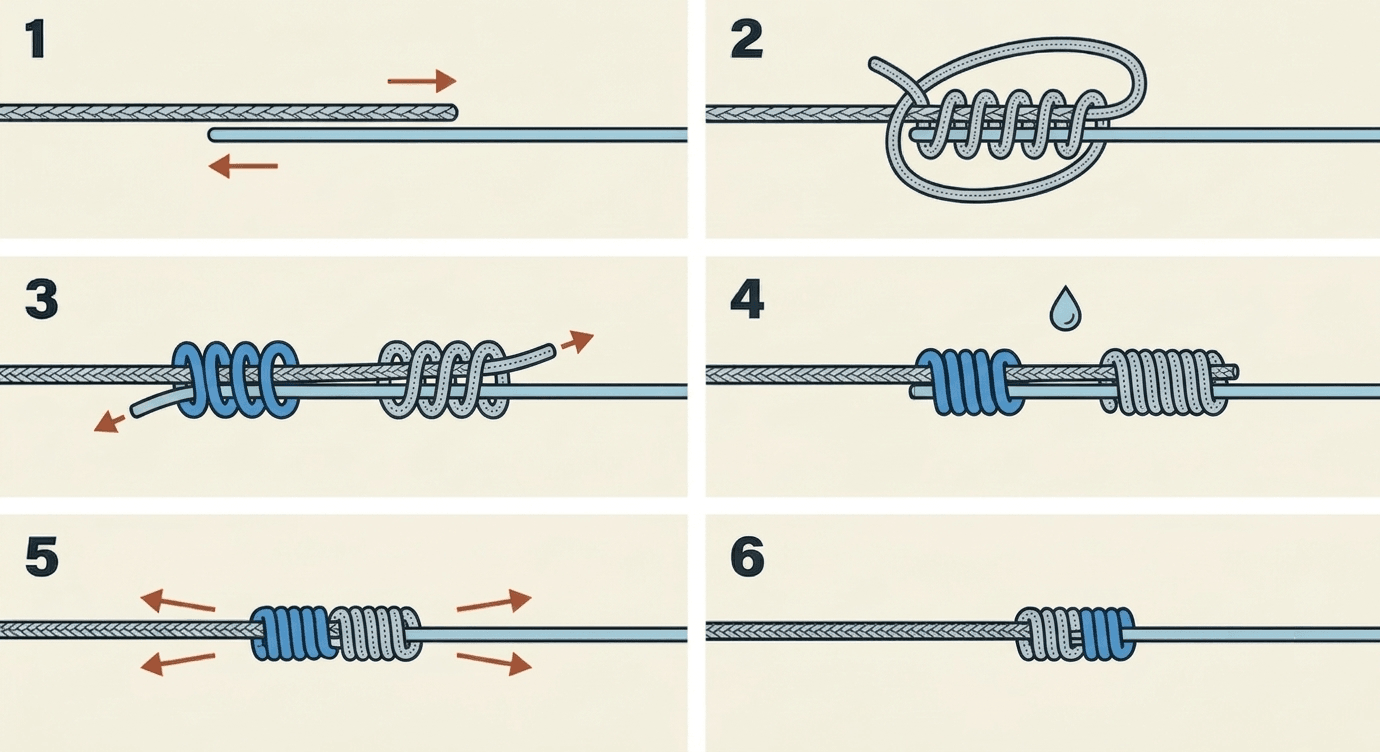 Double Uni Knot: How to Tie It, How Many Wraps, How Strong
Double uni knot: how to tie it, how many wraps braid and mono need, and what four published pull tests measured against the FG, surgeon's and blood knot.
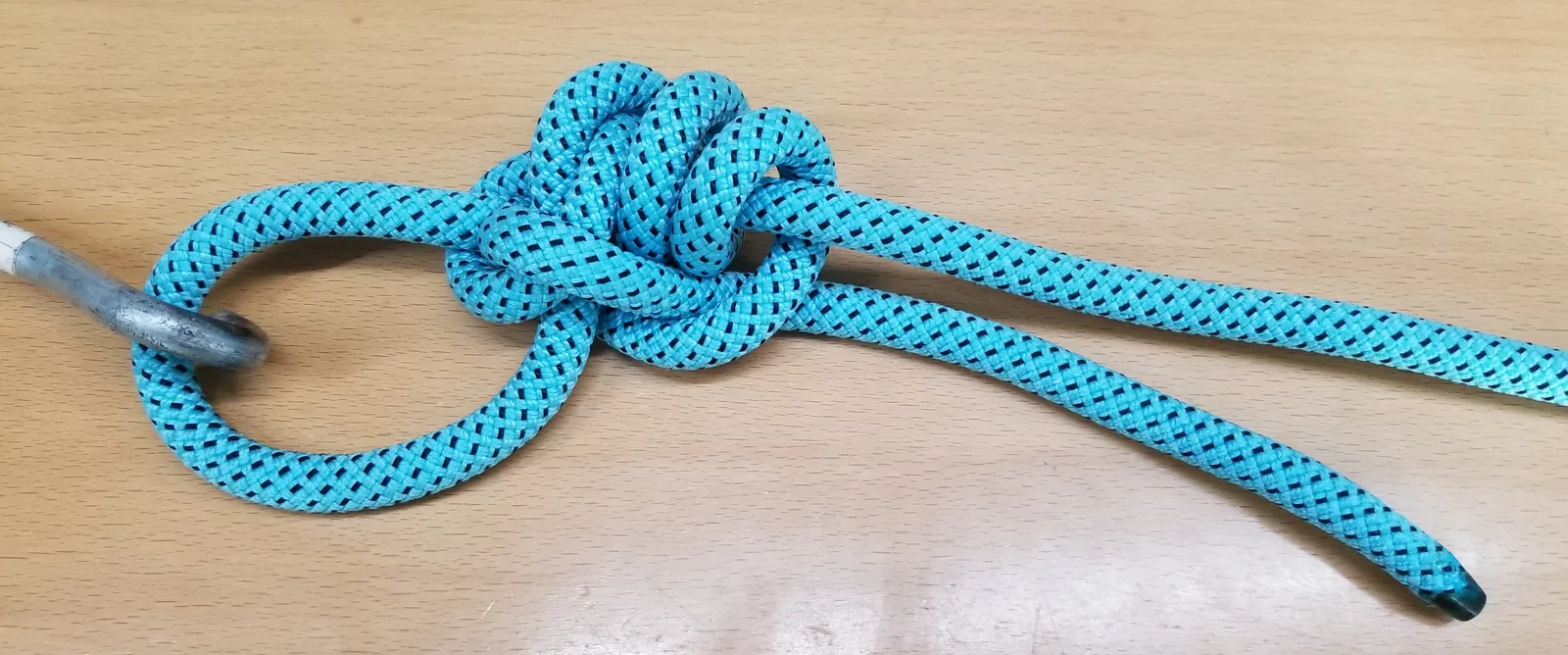 Loop Knot: How to Tie the Non-Slip Loop and the Rapala Knot
A loop knot leaves a small fixed loop so the lure swings free. How to tie Kreh's non-slip loop (83% in a pull test) and the Rapala knot, and which wins.
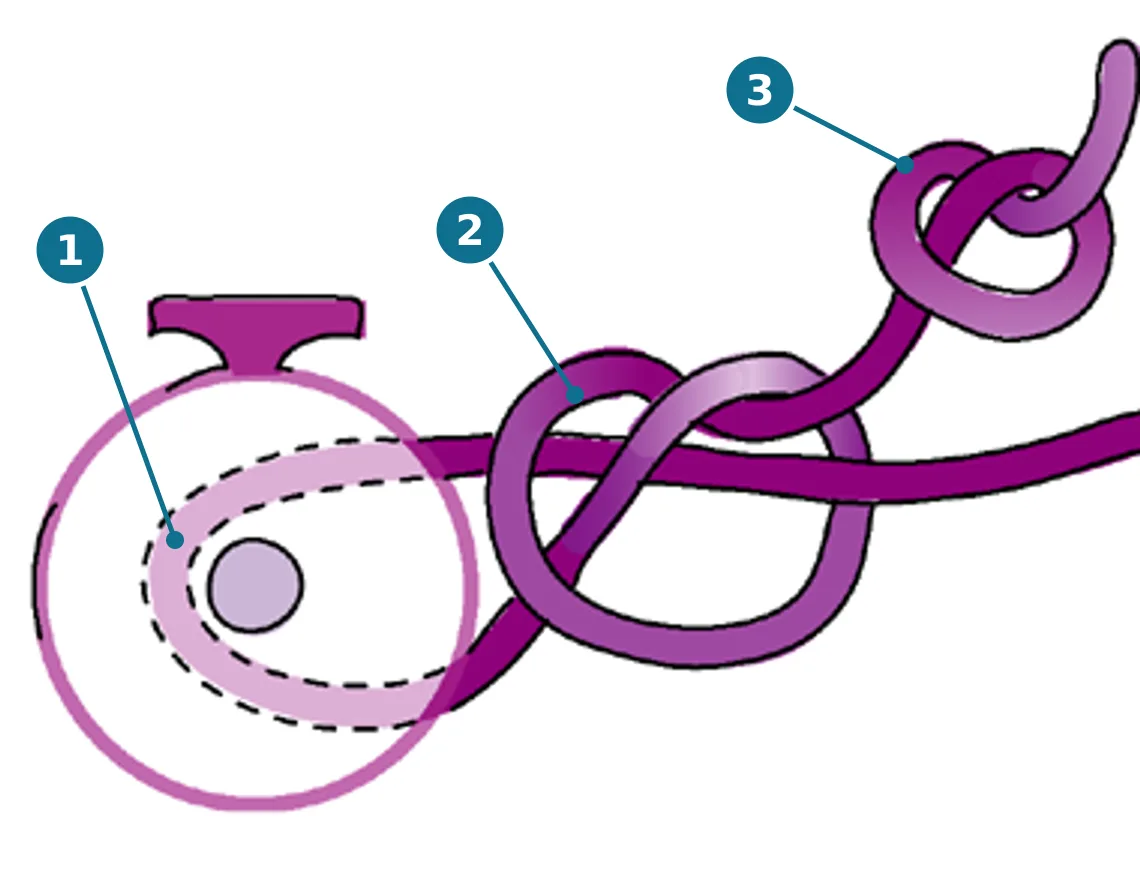 Arbor Knot: How to Tie Line to a Reel Spool (and Why Braid Slips)
How to tie the arbor knot on a spinning, baitcast, spincast or fly reel, why it slips on braid, and the backing or tape that stops it.
Sources (9)
- Luke Simonds, The best fishing knots of all time, ranked strongest to weakest, Salt Strong (2018)
- Luke Simonds, Palomar knot vs uni knot with braided line (strength test), Salt Strong (2020)
- Luke Simonds, The Albright vs the Alberto vs the FG knot (strength contest), Salt Strong (2020)
- Luke Simonds, The strongest line-to-line fishing knot (mono-to-mono contest), Salt Strong (2015)
- Luke Simonds, Uni knot vs clinch knot (strength test), Salt Strong (2021)
Show all 9 sourcesShow fewer sources
- Luke Simonds, Palomar knot vs Toit knot, Salt Strong (2026)
- John Merwin, The strongest fishing knots you can tie, Field & Stream via Popular Science (2021)
- Doug Olander, Strongest fishing knots connecting braid to leader (IGFA Instron 5543), Sport Fishing (updated 2024)
- Take Me Fishing, Best fishing knots