 By
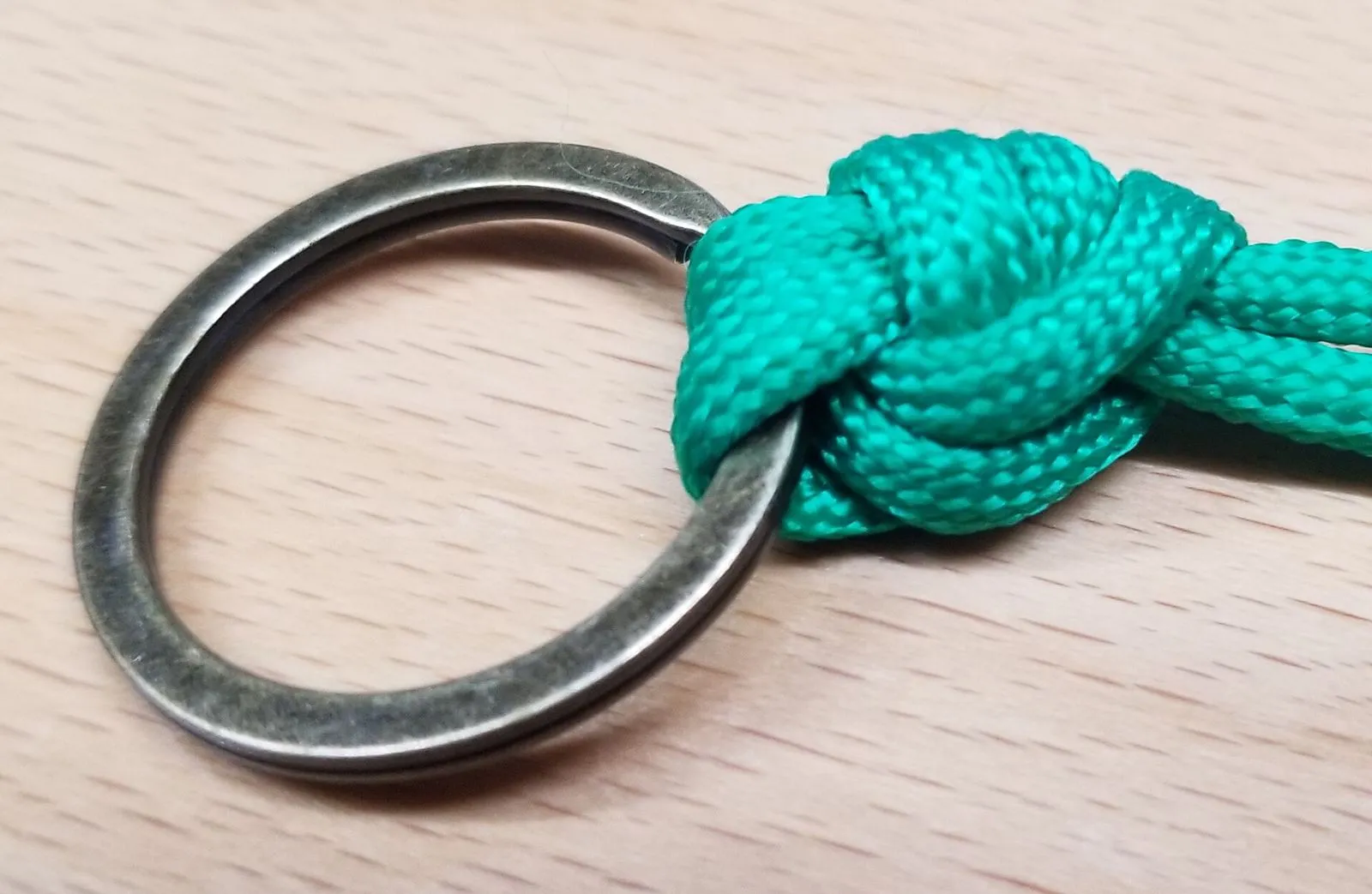
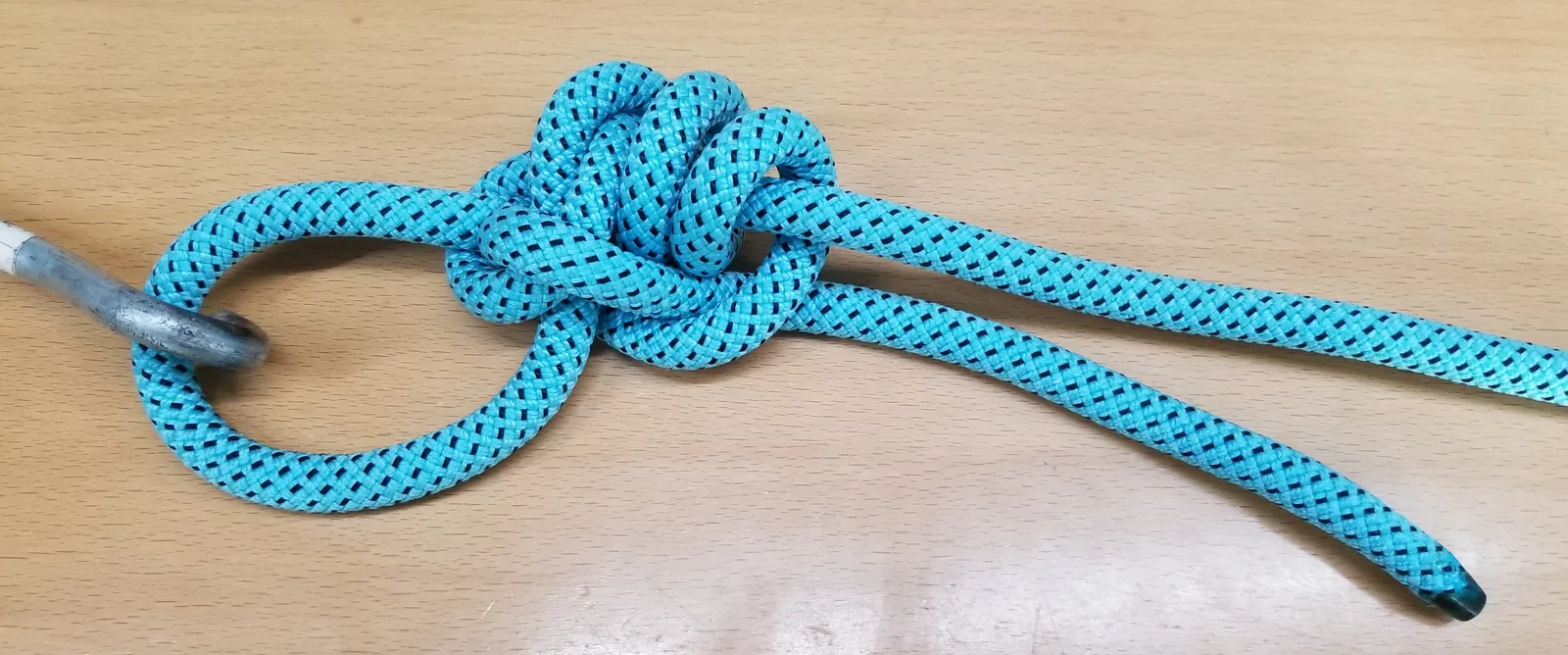
Use the Alberto knot to tie braid, the thin woven main line on your reel, to a heavier leader. That’s a short piece of mono, the plain single-strand kind, or fluorocarbon, which is harder to see under water. It goes between the braid and your hook. You wrap the braid seven times along a doubled loop of leader, away from the loop, then seven times back over those wraps. It starts and ends like the Albright, a knot with one layer of wraps, so those return wraps are the whole difference. In a 2020 pull test the fishing site Salt Strong used 10 lb braid to 30 lb fluorocarbon. The lb number is the pull a line is sold to take. Each bout put two knots on one line until the weaker broke, and the Alberto beat the Albright three bouts to two. It lost all five to the FG, a slimmer knot.
“Crazy” Alberto Knie, who built this knot, has taken nine striped bass over 50 lb from the surf. He says the idea came from a Chinese finger trap toy.
Is the Alberto just an Albright?
Almost. Both start and end the same way, and only the wraps in the middle differ. In an Albright the lighter line wraps one way along the doubled leader, ten times in most tutorials. In the Alberto it wraps out and then back over itself. The second layer squeezes the first, like a Chinese finger trap, the woven toy tube that grips harder the more you pull. Wired2Fish calls it a slightly modified Albright special that cinches, or tightens, twice in a very small knot.
It’s popular because you can tie it to almost any line, no matter how different the two thicknesses are, Salt Strong says. And unlike the FG, you don’t have to hold the braid tight while you tie.
What you need
- Braided main line. Salt Strong’s test used 10 lb PowerPro, a brand of braid. The braided line page covers why braid needs a leader at all.
- A leader that tests heavier than the braid, which means it takes a harder pull to break. If you don’t know what to pair, use what Salt Strong tested: 10 lb (4.5 kg) braid to 30 lb (13.6 kg) fluorocarbon. Knie goes up to 80 lb leader for big striped bass, usually fluorocarbon because it takes rubbing on rocks better.
- About 10 in (25 cm) of braid to work with at the end of your line. You’ll push about half of it through the loop and tie with that.
- Water and clippers. You don’t need a bobbin, a small tool some anglers tie knots with. You don’t need to keep the braid tight the way the FG does either, in your teeth or around a finger.
One tip is worth stealing. Before you tie, rub the last ten inches of braid with your thumbnail to scrape off the slick coating. The braid then grips the leader and the knot doesn’t slip.
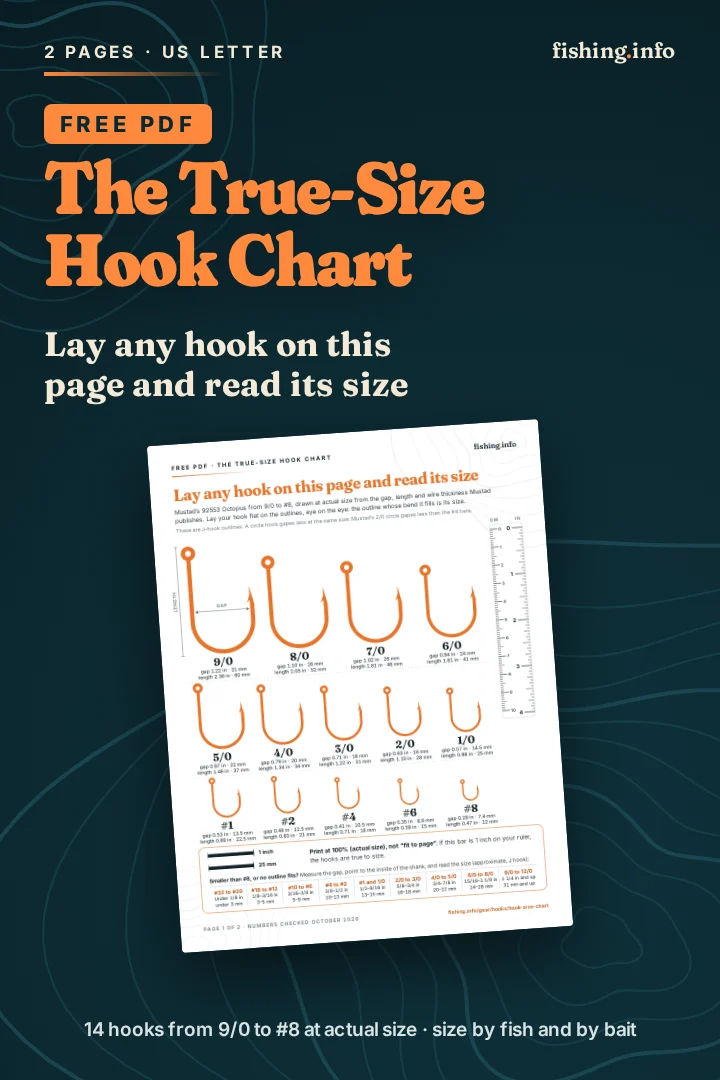
Free PDF · Hook size chart What size is that hook? Lay it on the chart.
Print the free chart, lay any hook on it and read its size: 14 hooks from 9/0 to #8 at actual size, a gap ladder from #32 to 12/0, and the size for 17 fish and 16 baits on the back.
No card, nothing to buy, and the PDF is yours to keep. Confirm with one click and it's on its way. Then a few short emails and one a week on what's biting. Unsubscribe anytime. Privacy.
How to tie the Alberto knot, step by step
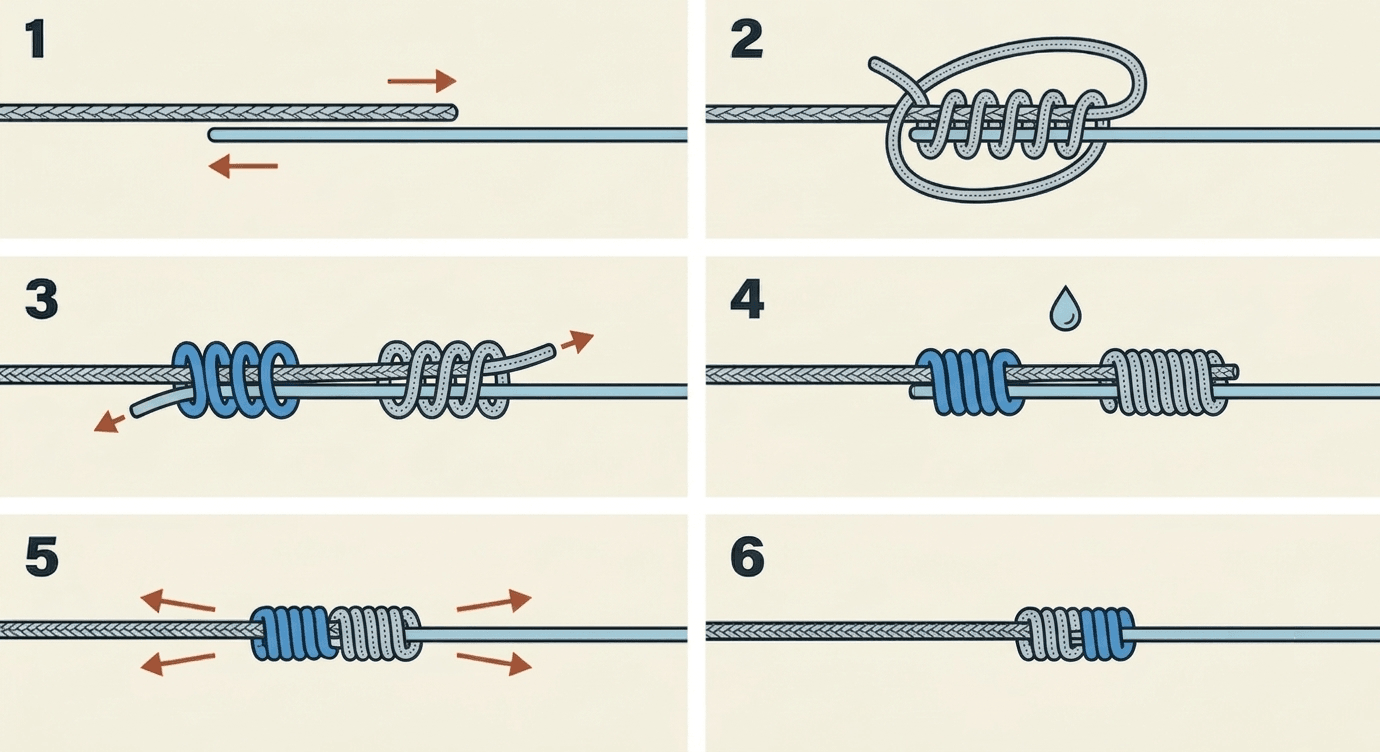
The Alberto starts and ends like the Albright. So this Albright diagram shows you two of its three moves: the start (steps 1 and 2 below) and the exit (step 5).
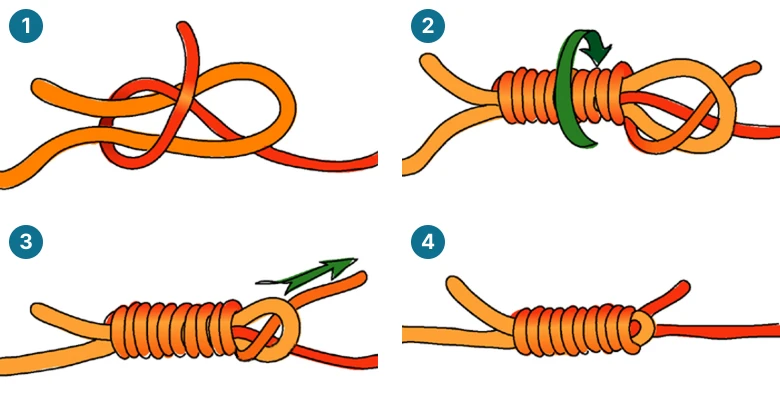 The Albright, not the Alberto. Panels 1 and 3 match Alberto steps 1–2 and 5. Panel 2 shows one layer of wraps. You add a second layer of seven wraps back over the first (steps 3 and 4). So your finished knot has two layers where panel 4 shows one. Diagram: LadyofHats (Mariana Ruiz), retouched by Dfred, Wikimedia Commons, public domain. Numbers added by fishing.info.
-
Make a loop in the leader. Hold the leader in your left hand and the braid in your right. Fold the last few inches of leader back on itself into a loop about 1.5 in (4 cm) long. Pinch the two leader strands just below the loop between your thumb and index finger, with the loop’s closed end pointing toward the braid.
-
Pass the braid through the loop. Push 4 to 5 in (10 to 13 cm) of braid through the loop from the top, Salt Strong’s measure. That’s enough for all fourteen wraps and the trip back through the loop. If it feels short, push more: extra only costs a snip. The tag, the part now through the loop, lies along the doubled leader, pointing toward your pinching fingers.
-
Wrap seven times away from the loop. Bring the braid tag over the front of the loop and wrap it around both leader strands. Work away from the loop’s closed end, toward the leader’s own short free end. Lay each wrap tight against the last, with no overlaps, and pinch the seventh wrap to hold it.
-
Wrap seven times back toward the loop. Reverse direction: bring the tag over the front again and make seven wraps back toward the loop, laid over the first layer. The seventh wrap ends at the loop’s closed end. Pinch it.
-
Exit the way you came in. Pass the braid tag back through the leader loop from the same side it first entered. It comes out right next to the braid’s main line. Both braid ends now leave the loop on one side, both leader ends on the other.
-
Wet it and seat it in two pulls. Seating a knot means pulling it down tight. Hold the braid’s main line and tag in your right hand and the leader’s long end and tag in your left. Pull all four lines in opposite directions until the knot is about 90 percent tight. If the braid wraps bunch, push them along with your fingertips. Wet the knot with water or spit. Then pull only the braid’s main line against the leader to set the knot firmly.
-
Test, then trim. Pull on it hard and check it doesn’t slip before you cut anything. Then trim both tags close.
Seven and seven, or eight and ten?
Tie seven up and seven down. That’s Knie’s own recipe, and Salt Strong’s test used the same 7 plus 7. Wired2Fish’s Jason Sealock teaches eight wraps down and ten back up, so leave yourself a little more tag if you tie his version. Neither source tested one count against the other. Whichever you tie, tie it the same way every time.
After a few ties it goes fast, Sealock says. The trick is learning which fingers hold the lines and which do the wrapping.
How strong is the Alberto knot?
It’s a middle-of-the-road knot, in the same band as the Albright and the double uni (two simple knots back to back). All three sit well under the best FGs. Two pull tests put numbers on it.
Luke Simonds of Salt Strong used the same spools of line throughout: 10 lb PowerPro braid to 30 lb Ande fluorocarbon. He raised the Albright from the usual ten wraps to fourteen to match the Alberto’s 7 plus 7. Each bout ran under steady pressure, so every Salt Strong figure is the losing knot’s break.
Sport Fishing magazine’s knot challenge broke readers’ knots, three of each, on the Instron 5543 machine, which pulls until a knot gives. It belongs to the IGFA, the group that keeps world fishing records. The magazine gives the average as a percentage of what the braid itself broke at. Yes, braid can break well above its label: 34.4 lb for the 15 lb Spiderwire, 62.8 lb for the 50 lb.
| Test | Result | Where it broke | What it means |
|---|---|---|---|
| Salt Strong, Alberto vs Albright, five bouts | Alberto 3, Albright 2 | Albright 7.2 (pulled out), 11.3, 9.4 lb; Alberto 15.6, 9.2 lb | Alberto slightly ahead, not a rout |
| Salt Strong, FG vs Alberto, five bouts | FG 5, Alberto 0 | Alberto 10.4, 14.6, 13.9, 9.3, 8.7 lb (3.9–6.6 kg) | FG “well over 30%” stronger |
| Sport Fishing, 15 lb braid to 30 lb fluorocarbon, average of 3 breaks | Alberto 42.2% with 8 wraps up and 8 down; 36.0% with 6 down and 7 up | About 14.5 and 12.4 lb (6.6 and 5.6 kg) | 42.2% between the Albrights (46.2 and 38.3%), 36.0% below both. Both below a five-wrap double uni (55.8%) and every FG (49.1–73.4%) |
| Sport Fishing, 50 lb braid to 80 lb fluorocarbon | Alberto 43.6% with 8 up and 8 down | About 27.4 lb (12.4 kg) | Albrights 59.4 and 48.1%, double uni 46.6%, FG 54.8–76.4% |
The Alberto edged the Albright in Salt Strong’s bouts, three to two, and that’s a small edge. Salt Strong found the two “pretty much identical” in tying time and knot size, and says the Alberto had the higher average break.
On light braid the FG is the stronger knot. Its own breaks weren’t listed, but Simonds said in the comments that it typically holds to at least 17 lbs with those lines. It’s also the slimmest of the three, because the leader never doubles over.
Look at the spread too. Tied by one person on the same spools, the Alberto broke anywhere from 8.7 to 15.6 lb (3.9 to 7.1 kg). That’s a range of nearly two to one. Sport Fishing’s two entries on the lighter braid, tied by different hands with different wrap counts, landed six points apart. So tie it and seat it with care every time.
And Alberto or Albright isn’t settled. On the IGFA’s machine the best Albright beat the best Alberto on both the 15 lb and the 50 lb braid. On the lighter one a five-wrap double uni beat every Albright and Alberto. The same knot tied by different people tested far differently, Sport Fishing says, so don’t take either test as the last word.
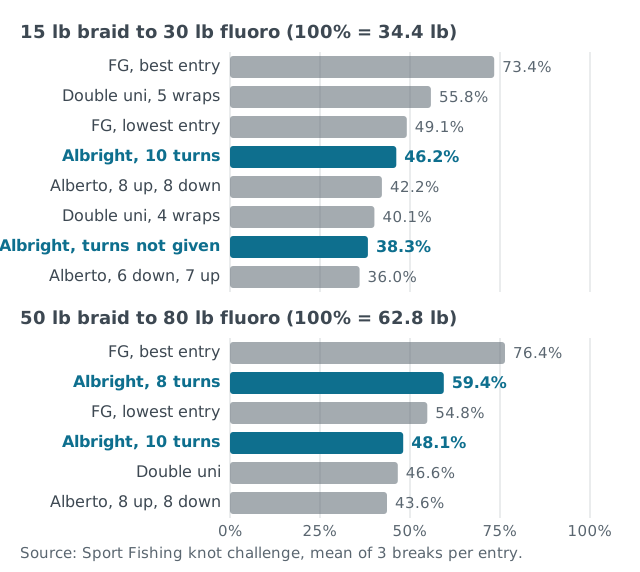 Chart: fishing.info, from Sport Fishing’s knot challenge on the IGFA’s Instron 5543 (average of three breaks per entry).
Salt Strong’s wider 2018 braid-to-leader list puts the Alberto in the middle too. It ranks below the FG, a six-turn surgeon’s knot and a doubled-over double uni, and above the improved Albright and the GT knot. Of those, the FG and the double uni are the only two you need to know yet. Slim and strong, the list says, but up to 30% weaker than the FG knot. The Fisherman magazine says it tests at virtually 100 percent of the unknotted line, but names no test behind that figure. You could also see different results with other brands and sizes of line, as Simonds himself warns.
Alberto, FG, double uni or Albright?
Learn the Alberto first if you don’t want to hold the braid tight while you tie. It’s about as quick as an Albright and, by Bear Essentials’ ranking, slimmer than a double uni. When every pound counts, learn the FG next. It beat the Alberto in five of five bouts, but it takes slightly longer and the braid has to stay tight while you wrap.
| You want | Tie | Why |
|---|---|---|
| The strongest, slimmest braid-to-leader knot, with time to keep the braid tight | FG | Beat the Alberto in five of five bouts. The leader never doubles |
| A slim knot you tie by headlamp, with no need to keep the braid tight | Alberto | A small knot to pull through the guides, the rings on your rod. Knie ties it in the dark |
| Nothing new to learn | Double uni | Two uni knots back to back. With five wraps a side it out-tested both Albertos in IGFA’s 15 lb class |
| Wire, or fly line to backing, the extra line under a fly line | Albright | Its classic jobs: wire bite leaders that stop sharp teeth, Monel (metal trolling line) and fly backing |
Mistakes that cost strength
- Crossed return wraps. If the second set of wraps loosens and criss-crosses while you pull the knot tight, retie it.
- Exiting the loop the wrong way. Both braid ends should leave the loop on one side and both leader ends on the other. If they don’t, pull the tag out and pass it through again.
- Seating it in one hard yank. Pull all four lines first, then the braid’s main line against the leader.
- Leaving the braid’s coating on. Rub the tag with your thumbnail first. Slick braid is the reason this knot exists.
- Trimming before you test. Pull hard and check it doesn’t slip while you still have tags to retie with.
Where did the Alberto come from?
Alberto Knie is a Northeast surfcaster, an angler who casts from the beach, and the founder and president of Tactical Anglers. The “Crazy” nickname comes from how hard he chases fish from the shore. He has nine surf-caught striped bass over 50 lb (23 kg) and two over 60. He also set the IGFA men’s 8 lb line-class record for striped bass, the biggest one on line that light. It weighed 45.5 lb (20.6 kg) and came from the surf at Shinnecock, New York, on May 15, 2004. The IGFA now lists Jesse Wynn’s 47 lb 11 oz (21.6 kg) fish from Ambrose Channel, New York, taken in 2017, as that record.
He got to try out the first braid on the market, Iron Thread, and knew at once it would change fishing. But braid brought problems of its own, so he built a braid-to-leader knot to go with it. “The entire knot concept started when I thought about a Chinese finger trap toy,” he told Outdoor Life. It’s also easy to tie in the dark, he says. For a man casting plugs, hard lures, for striped bass from the beach at night, that matters as much as strength.
When to use something else
Reach for the FG knot when every pound counts and you have a minute. Tie the double uni when you’d rather not learn anything new. The Albright still belongs on wire and on fly backing, and the knots hub matches every knot to its line and job.

Free PDF · 2 pages
Stop guessing hook sizes. Lay any hook on this page and read it
A jar of loose hooks and no packet in sight. Guess wrong and you find out with a fish on.
The True-Size Hook Chart. Print it at actual size, lay a hook on the outlines, and the one its bend fills is its size. One sheet, front and back, for the tackle box.
- 14 hooks from 9/0 to #8 at true size, plus a ladder from #32 to 12/0
- The size for 17 fish and 16 baits, from bluegill to tuna
- A 2/0 circle that gapes less than a #4: why a 2/0 is not always a 2/0
Every outline drawn from Mustad's published dimensions; every size from the 25 sources on the page, Maryland DNR and Idaho Fish and Game among them.
No card, nothing to buy. Confirm with one click and the PDF is on its way, one version for your phone and one to print, yours to keep. Then a few short emails and one a week on what's biting, with an unsubscribe link in every one. Privacy.
Related
Section guide
Fishing Knots: Which Knot for Which Line and JobFishing knots by job and line: the five to learn first (Palomar, uni, FG, surgeon's, loop), the knot for braid, and what three pull tests measured.
 Double Uni Knot: How to Tie It, How Many Wraps, How Strong
Double uni knot: how to tie it, how many wraps braid and mono need, and what four published pull tests measured against the FG, surgeon's and blood knot.
 Loop Knot: How to Tie the Non-Slip Loop and the Rapala Knot
A loop knot leaves a small fixed loop so the lure swings free. How to tie Kreh's non-slip loop (83% in a pull test) and the Rapala knot, and which wins.
 Arbor Knot: How to Tie Line to a Reel Spool (and Why Braid Slips)
How to tie the arbor knot on a spinning, baitcast, spincast or fly reel, why it slips on braid, and the backing or tape that stops it.
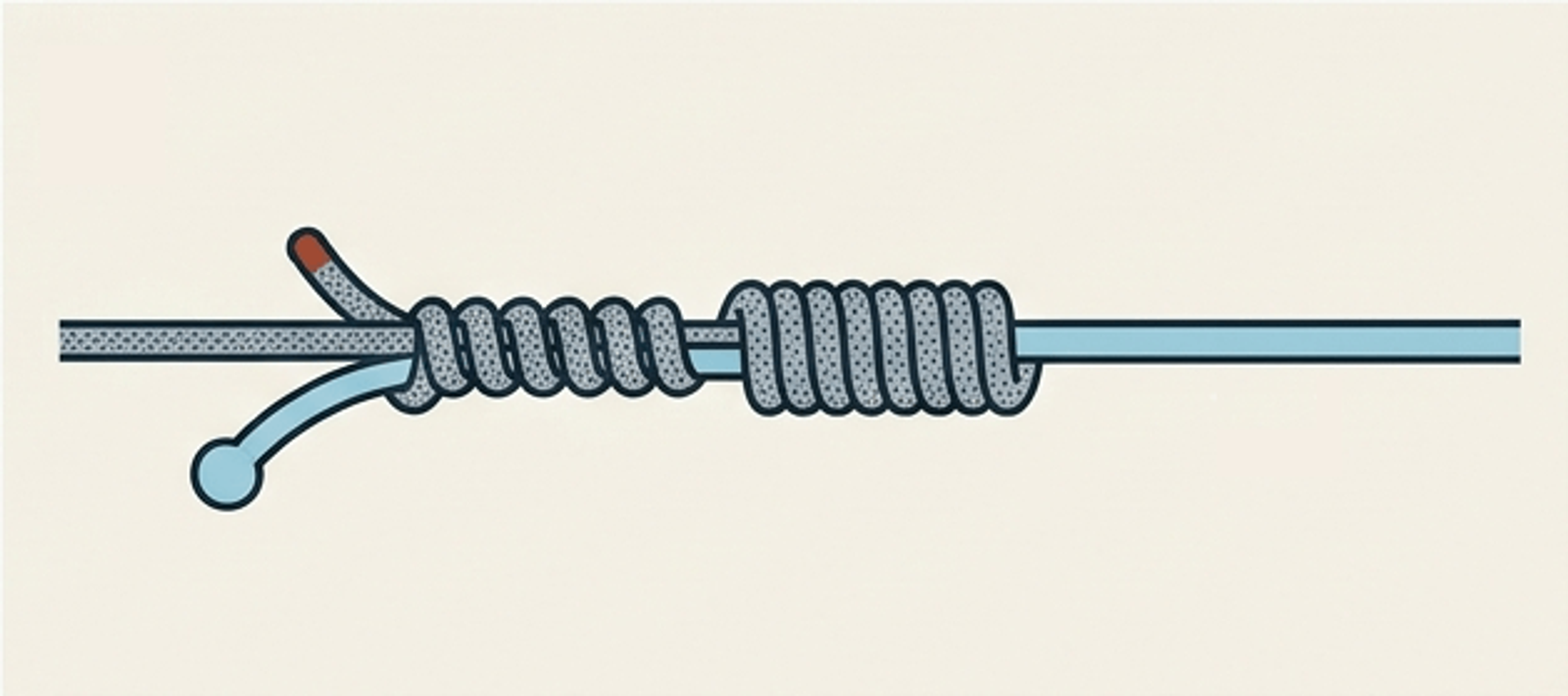 FG Knot: How to Tie It, and What the Pull Tests Show
The FG knot step by step: 12–15 pairs of wraps on a tight braid, the hitches, the setting pull, and what four named pull tests measured.
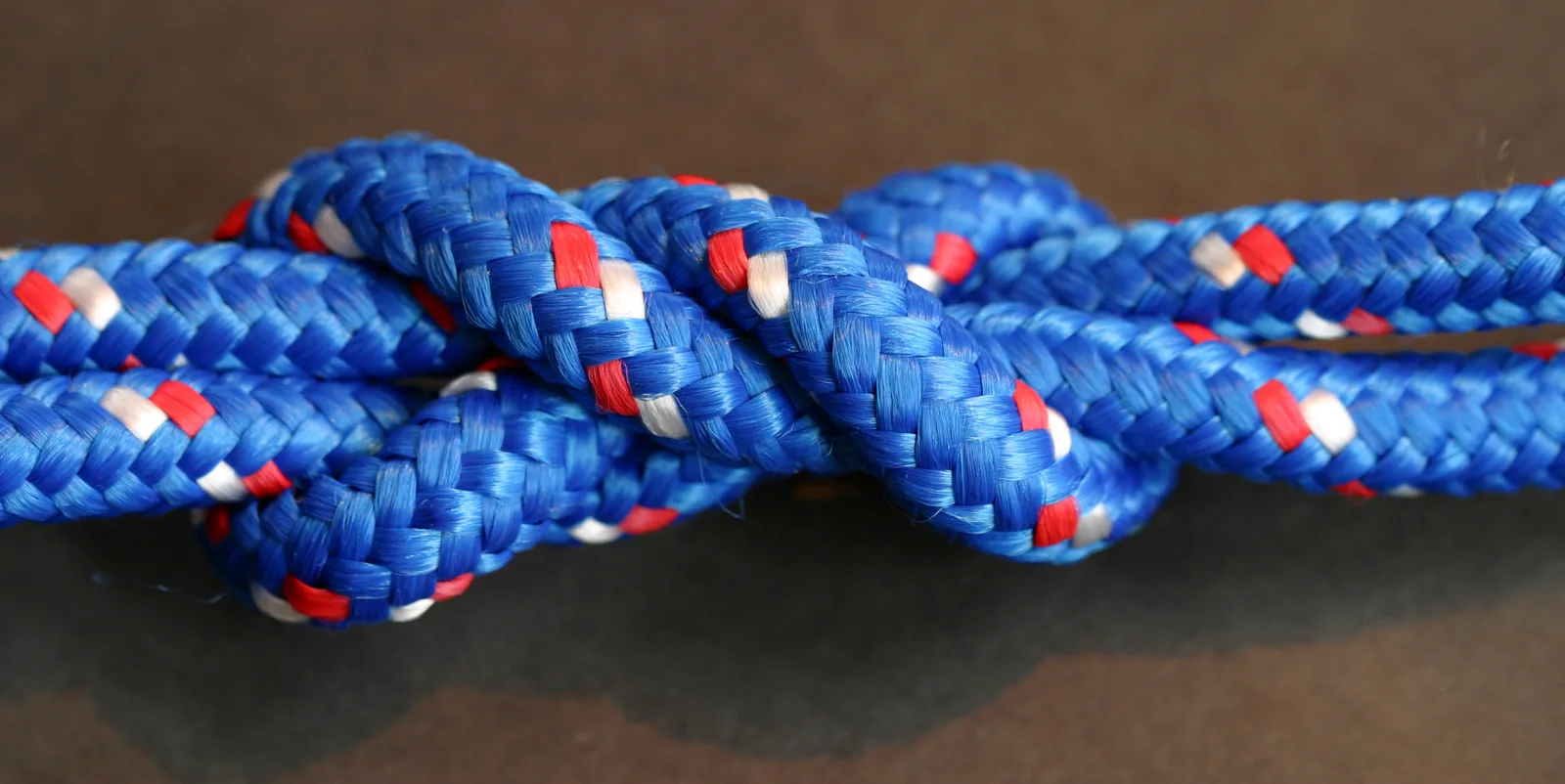 Surgeon's Knot for Fishing: How to Tie It, and How Strong It Is
The fishing surgeon's knot in five steps, from 4–6 in of overlap to all four ends pulled, and what three pull tests measured: up to 64.6% of 50 lb braid.
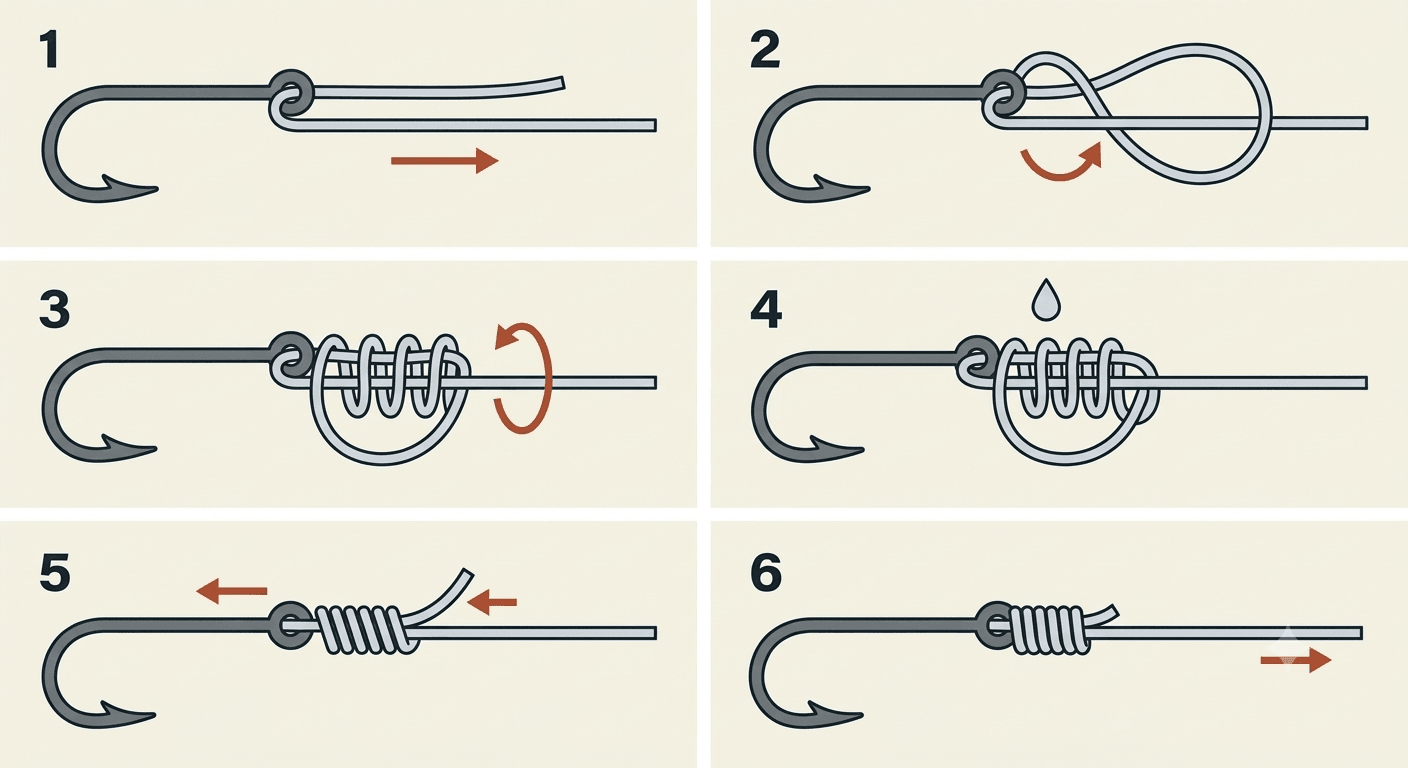 Uni Knot: One Knot for Hooks, Leaders, Snells and Loops
How to tie the uni knot in six steps, the turns for mono, fluorocarbon and braid, its six uses from hook to reel spool, and the pull tests.
Sources (13)
- Luke Simonds, The Albright vs the Alberto vs the FG knot (strength contest, 10 lb PowerPro to 30 lb Ande fluorocarbon), Salt Strong (2020)
- Luke Simonds, Best fishing knots: braid-to-leader ranking, Salt Strong (2018)
- The Fisherman, Alberto's knot (Knie's steps, braid preparation, seating)
- Outdoor Life, How to catch a 50-pound striper from the surf (interview with Alberto Knie: his IGFA 8 lb record, Iron Thread, the finger-trap idea, 2020)
- On The Water, New St. Croix Legend Surf rod tested and approved by Crazy Alberto Knie (2016)
Show all 13 sourcesShow fewer sources
- Jason Sealock, How to tie the Alberto knot, Wired2Fish
- Salt Strong, How to tie the Crazy Alberto knot (step-by-step, wetting the knot) (2018)
- The Fisherman, Albright knot (uses: wire leader, Monel trolling line, Dacron backing)
- Animated Knots, Albright knot (fly line to backing)
- Salt Strong, How to tie the FG knot (braid under tension: teeth or pinky methods)
- IGFA world records, Bass, striped (line-class records: men's 8 lb, Jesse L. Wynn, 2017)
- Bear Essentials Outdoors, The complete guide to braid to leader knots (slimness ranking of the four knots)
- Doug Olander, Strongest fishing knots connecting braid to leader (53 knots on the IGFA's Instron 5543), Sport Fishing