 By
A trotline is one long main line with short drop lines and baited hooks hanging from it every few feet. You tie one end to a tree or rock on the bank, weight the other end to the bottom, and leave it to fish for catfish overnight. Set it near dusk and run it early the next morning, which Missouri’s conservation magazine calls often the most productive. Before the first hook goes in, check your state. All six in the table below want a tag. Five cap the hooks statewide, and five set how often you must check the line.
The longer a line goes unattended, the greater the chance of losing fish. That’s from Missouri, where trotliners may fish 33 hooks per person.
What is a trotline, and how does it catch catfish?
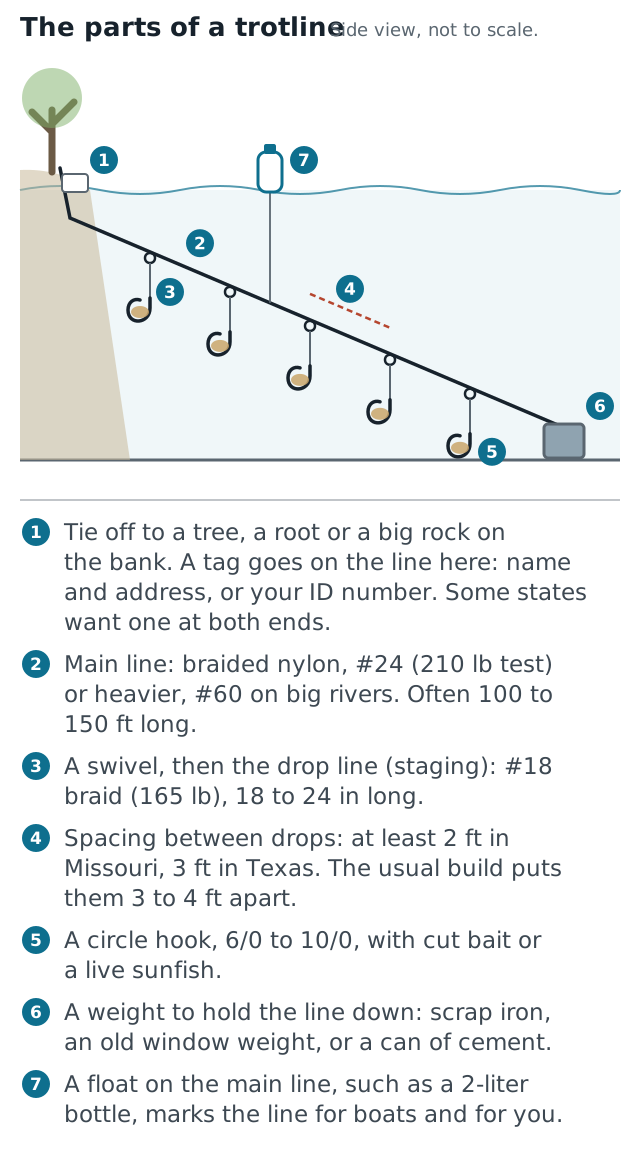
It’s a set line. The main line runs across the water, and the drops, which Missouri calls stagings, hang down from it with a hook on each. One or both ends are tied to something solid, Missouri’s conservation department says. Tie it between two trees, or from a tree or big rock on the bank to a weight out in the water. Limb lines and jug lines are its cousins, and the fishing terms page explains all three.
You don’t hold a rod and you don’t set the hook. A circle hook turns and hooks the fish when it swims off with the bait, Missouri says, so the line does the work while you sleep. That’s the appeal. One line puts a lot of baits on the bottom along a channel edge, all night.
It’s a catfish tool. In Texas, the fish you may take on a trotline are nongame fish and channel, blue and flathead catfish. If you want to cast and fight a fish on a rod, the catfish rigs page has the five rigs for that.
What do you need to make a trotline?
It’s cheap. Wilkins, an Arkansas trotliner MeatEater talked to, says you can buy a premium trotline for 15 bucks. If you build your own, use braided nylon. It works best and won’t unravel like other lines.
You don’t always need a boat, either. Rivers and creeks are great for anglers without one, MeatEater says, while a deeper lake may take a canoe or a kayak.
| Part | What to use | Why |
|---|---|---|
| Main line | Braided nylon, #24 (210 lb test); #60 works on big rivers; often 100–150 ft (30–46 m) | Holds more than one big catfish at a time |
| Drop lines (stagings) | #18 braided nylon (165 lb test), 18–24 in (46–61 cm) | Lighter than the main line, heavy enough for a big fish |
| Swivels | A heavy barrel swivel where each drop meets the main line, or a spring clip | Some catfish, blues most of all, twist and roll once hooked |
| Hooks | Circle hooks, 6/0 to 10/0 | Big enough that a big fish can’t straighten them |
| Weights | Scrap iron, old window weights, rocks, a coffee can of cement | Hold the line on the bottom |
| Marker and tag | A 2-liter bottle on the main line; a durable tag with your name and address or ID | Boats see it, and the law asks for the tag |
| Extras | A broomstick with a big hook on the end, gloves, needle-nose pliers, a big dip net, a sharp knife | To reach the line, handle it and get fish in |
The sizes come from Missouri’s two how-to pieces. One gives #24 and #18 as heavy enough for several large catfish. The other, written for the Missouri and Mississippi, says #60 nylon braid works well.
Free PDF · 5-rig catfish cheat sheet When do catfish bite, and what do they want on the hook?
One reading, and the 16-page cheat sheet tells you which catfish is feeding, where it sits and what to put on the hook. Five rigs drawn, a trip step by step.
No card, nothing to buy, and the PDF is yours to keep. Confirm with one click and it's on its way. Then a few short emails and one a week on what's biting. Unsubscribe anytime. Privacy.
How do you make a trotline?
Build it at home, so you only tie off and bait at the water. Keep it on a winder, a piece of PVC pipe or a block of styrofoam, so it can’t tangle on the way out, as MeatEater suggests.
- Cut the main line long enough to span the water you want to fish, tree to tree or bank to the weight.
- Mark the drop spots. Space them at least as far apart as your state’s minimum, and farther if you can. Missouri says drops closer than 2 ft turn two fish next to each other into a real tangled mess.
- Tie a heavy barrel swivel onto the main line at each mark. If you’d rather take the drops off for storage, tie a spring clip to the top of each drop instead and clip it on at the water.
- Cut the drops to 18–24 in and tie one end to the swivel.
- Tie a circle hook to the other end of each drop. Missouri’s big-river guide puts another big barrel swivel above the hook too, against line twist.
- Tie on your tag at the bank end, with your name and address or ID number on durable material. Kentucky and Texas want one at both ends. Duct tape wrapped around the line and a waterproof marker work, Missouri says.
- Wind it up on the winder, and you’re ready for the water.
How far apart should the hooks be?
Far enough that two hooked fish can’t reach each other, and never closer than your state allows. Here’s the law next to what the builders use.
| Source | Drop spacing | Drop length |
|---|---|---|
| Kentucky (law, minimum) | 18 in (46 cm) | – |
| Missouri, Oklahoma, Arkansas (law, minimum) | 24 in (61 cm) | – |
| Texas (law, minimum) | 3 ft (0.9 m) | – |
| MeatEater’s Arkansas trotliner | 24 in (61 cm), 4/0 circle hooks | 12 in (30 cm) |
| Missouri Conservationist, big rivers | 3–4 ft (0.9–1.2 m) | 18–24 in (46–61 cm) |
| Mossy Oak | 6 ft (1.8 m) | 24 in (61 cm) |
Start at 3 to 4 ft with 18–24 in drops, the usual Missouri build. That clears every legal minimum in the table, Texas included.
Where should you set a trotline?
Set it where catfish travel to feed, and where you can reach it again. On rivers, Missouri says to set trotlines near wing dikes, or in the brush piles in the slack water downstream of them, against the bank. Lines on the bottom off dike tips, along the current seam, are often very productive, its big-river guide adds.
On lakes, look where the old stream channel meets standing timber. That’s a great place to run a trotline from an old tree toward the channel. For flathead catfish, old fencerows and standing timber along creek channels are great places to start. Once the water cools, set lines in deeper holes.
Keep it clear of snags. Wilkins, MeatEater’s Arkansas trotliner, warns that a big fish thrashing around can tangle your line in submerged branches. Keep it away from boat channels, docks, swimming areas and launch ramps too.
When? Channel and flathead catfish can be good any time the water is in the 50s °F or higher, and blue catfish nearly year round, Missouri says. Spawning catfish are harder to catch on a trotline, Mossy Oak says, since they stay close to the bed. Kentucky catfish tend to spawn in June. Some of the best catfishermen there may stop at Memorial Day and set lines again around the Fourth of July.
What is the best trotline bait?
Fresh and tough. Baits that stay on the hook longer catch more fish. Then match the bait to the catfish you want.
| Catfish | First pick | Also works |
|---|---|---|
| Flathead | Live green sunfish, bluegill, bullheads or crayfish | A live sunfish or goldfish hooked through the back, in deep holes |
| Blue | Fresh cut skipjack herring, Missouri’s preferred blue bait | Cut gizzard shad, silver carp or sunfish; live bait |
| Channel | Fresh cut shad, silver carp or sunfish | Live bait |
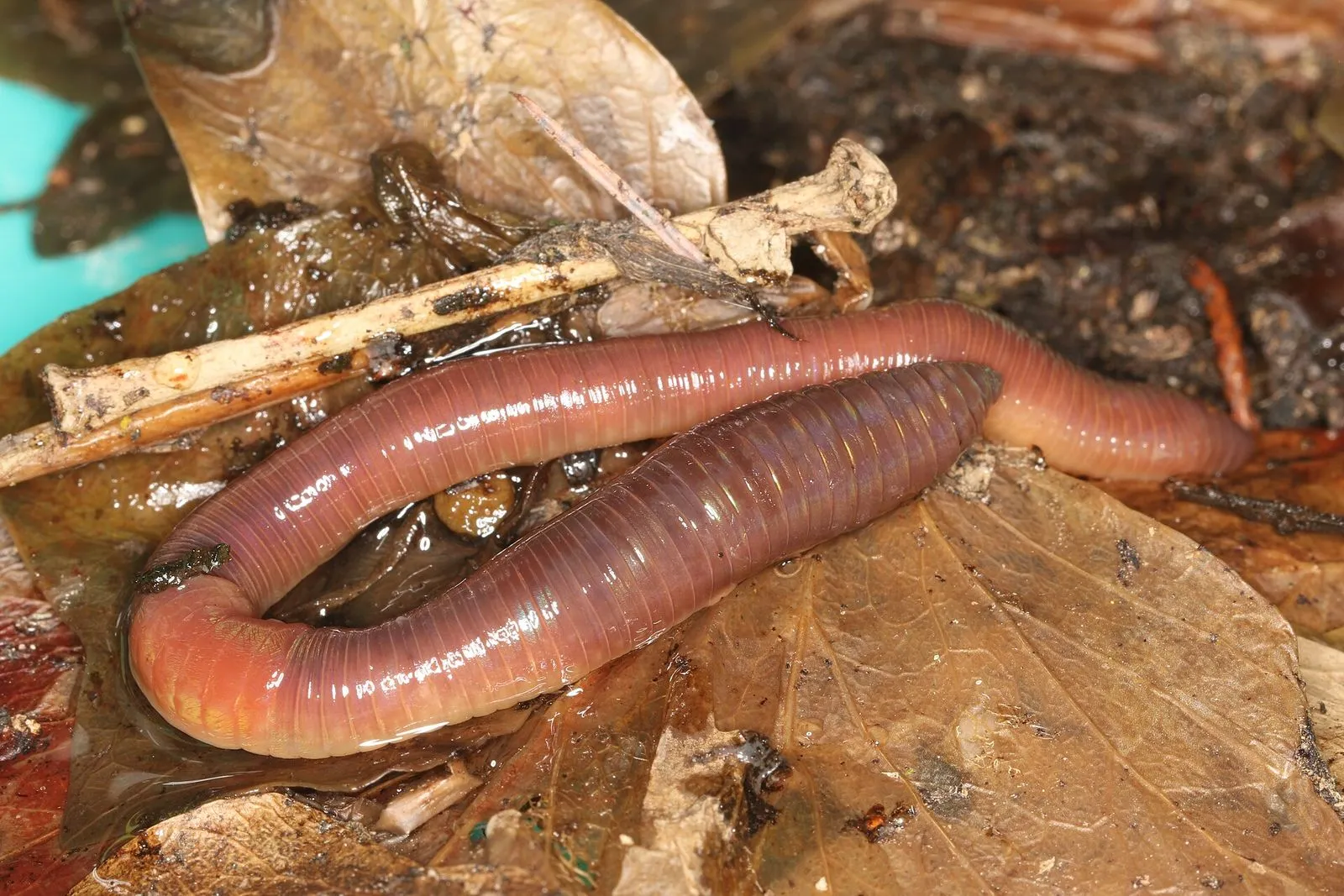
| Any, on small waters | Worms, chicken livers or gizzards | Prepared baits |
Cut it small. On a river, thread small pieces of cut bait onto the hook. That helps keep the bait from spinning in the current and wrapping the drop around the main line, Missouri’s big-river guide says. Bighead and silver carp can’t be used as live bait in Missouri, but you can cut them up.
Want a cheap all-night bait? Wilkins uses Zote, a cold-press soap from Mexico with a lot of fat in it. He cuts it into half-inch cubes, gets about 15 hooks from one bar, and says it stays on the hook all night. More choices are on the best catfish bait page.
Live bait caught more on Virginia’s New River. Trotlines baited with live fish caught more catfish than cut bait, flatheads above all. They hooked few smallmouth bass, muskellunge or walleye, though more than cut bait did.
How do you set a trotline?
Set it in the last light. Two people make it easier, one on the motor or paddle, one on the line. On a river, never set it alone.
- Tie off the bank end to a solid tree, root or rock.
- Bait as you go. Unroll the line off the winder from the bank out, baiting each hook as it comes off.
- Add weight. Missouri’s guide puts one weight at the far end and sometimes one in the middle. Mossy Oak hangs a heavy one in the middle and several more on either side. Every pound you add, you lift on every check.
- Drop the far weight and pull the line snug. Tension depends on the depth and the weight.
- Mark it. Tie a bottle or float to the main line so boats see it, and you find it at first light.
- Check the depth rule. Kentucky wants the whole line at least 3 ft (0.9 m) under the surface. Oklahoma wants it no closer than 3 ft to the surface beyond 6 ft from either tie.
How do you run a trotline?
Running it means checking each hook, taking off fish and rebaiting. Do it at first light, and at least as often as your state demands. Wilkins runs his at least every 24 hours, if not 12. Arkansas now asks for 24.
Rule of thumb: On a river, two people run the line. One holds the boat, one works the line, and the knife stays within reach.
Never run a river line alone, Missouri’s big-river guide says. One person holds the boat so there’s no tension on the main line while the other works it. A sudden change in current or in the boat’s position can slide the line through your hand and bury a hook in it. Keep a sharp knife within reach to cut the line fast.
Reach the line with a broomstick with a big hook on the end, or a notched paddle. Gloves feel like a nuisance, but they make the line and the fish much easier to handle. A large dip net gets big cats in the boat, and needle-nose pliers make hook removal easier.
Circle hooks also help the fish you put back. On the New River, 67% of game fish caught on J hooks had the hook in the stomach or throat, against 18% on circle hooks. Circle hooks also caught more channel catfish.
When you’re done, take it out. Arkansas says every trotline must come out when you’re no longer fishing it.
Trotline rules by state
Every state sets its own rules, and some lakes ban trotlines outright. This table is copied from six agencies’ rules, read in November 2026. Check your state’s current regulations before you set a line.
| State | Hooks | Spacing | Tag | Check |
|---|---|---|---|---|
| Missouri | 33 per person on all lines and poles; 50 on the Mississippi | 2 ft | Name and address or Conservation Number | Every 24 hours |
| Texas | 50 per trotline (fresh water); main line up to 600 ft | 3 ft | Gear tag within 3 ft of the first hook at each end | Tag valid 6 days after you set it |
| Oklahoma | 3 lines and 100 hooks per person | 24 in | Owner’s customer ID | Every 24 hours |
| Arkansas | 100 between the Mississippi River levees | 24 in | Name and address, driver’s license, plate number or AGFC customer ID, at the bank end | Run the line and remove the catch every 24 hours |
| Kentucky | 2 trotlines, 50 hooks each | 18 in | Customer ID at both ends | Every 24 hours; bait all hooks, remove all fish |
| Iowa | 5 lines, 15 hooks in total | None given | Name and address on each line | Every 24 hours |
A few rules catch people out. Texas wants floats of any color but orange, at least 6 in long and 3 in wide. It bans trotlines on community fishing lakes and in waters lying wholly inside a state park. Oklahoma bans glass or metal floats and metal posts. In Iowa, trotlines go in rivers and streams, never in a stocked lake or within 300 ft of a dam or spillway. Nine northeast counties allow them only on a few named stretches. One end must be set from the shore, and the line can’t cross the whole stream. In Oklahoma you must release every fish on the line, except those in your daily limit, before you leave it. Jug lines and limb lines have their own limits, and the catfish rigs page lists them for Missouri, Texas and Oklahoma.
Mistakes to avoid
- Drops too close together. Two fish side by side make a tangled mess. Space them 3 to 4 ft, never under your state’s minimum.
- Big chunks of bait in current. Thread small pieces. They’re less likely to spin and wrap the drop around the main line.
- Leaving it too long. You lose fish, and the law may say you lose the line. Kentucky confiscates a line not checked or baited within 24 hours.
- No tag. Every state in the table wants one. Iowa says any conservation officer can remove an untagged line.
- Running a river line alone. Bring a second person, and keep the knife where you can reach it.
- Too much weight. Mossy Oak’s warning: you pull up every pound on every check.
When does something else win?
A trotline needs a spot you can get back to and a state that allows it. Without one, fish a rod. A slip-sinker rig from the catfish rigs page in the same channel edge, with the same bait, covers one spot well. Blues out on a wide-open lake flat? Missouri says to drift or anchor jug lines there instead. And if you’ve never caught a cat on a rod, start with how to catch catfish. It’ll show you where they hold, which is half of setting a good line. Every species has its own page under catfish.
Gear for catfish
Gear guide
Best Catfish Bait: What Channel, Blue and Flathead Catfish EatThe best catfish bait by species: cut shad for blues, punch and dip baits for channels, live bluegill for flatheads, and which prepared baits to buy.
Gear guide
Catfish Rods: Length, Power, the Soft Tip, and the Reviewers' PicksCatfish rods explained: 7–10 ft, medium-heavy, a soft glass tip on a strong butt, sinker ratings by species, and the reviewers' picks with maker specs.

Free PDF · 16 pages
Know what the catfish want tonight before you leave the house
A whole night next to a rod that never moves. One reading tells you which catfish is feeding, and where.
The 5-Rig Catfish Cheat Sheet. Take one water temperature, find your season on the two-page sheet, and it tells you which catfish is feeding, where it sits and what goes on the hook.
- The temperature that shuts channel cats down while blue cats keep biting all winter
- Five rigs drawn, three tied step by step, and why you never strike with a circle hook
- The bait and hook for each catfish, from punch bait to a live bluegill
Every line from the catfish pages on fishing.info and the 154 sources behind them, Missouri and Texas wildlife agencies among them.
No card, nothing to buy. Confirm with one click and the PDF is on its way, one version for your phone and one to print, yours to keep. Then a few short emails and one a week on what's biting, with an unsubscribe link in every one. Privacy.
Related
Section guide
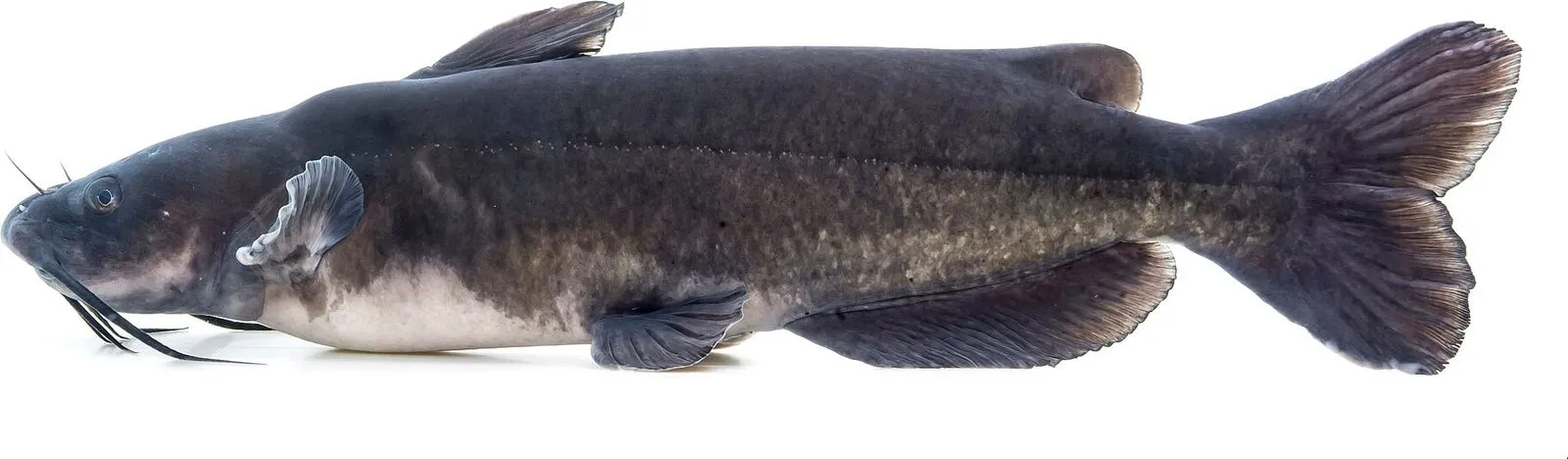
Catfish: Species Identification, Baits, Seasons and RecordsThe catfish species anglers catch most, channel, blue and flathead first: how to tell them apart by the anal fin, when they spawn, what bait each wants.
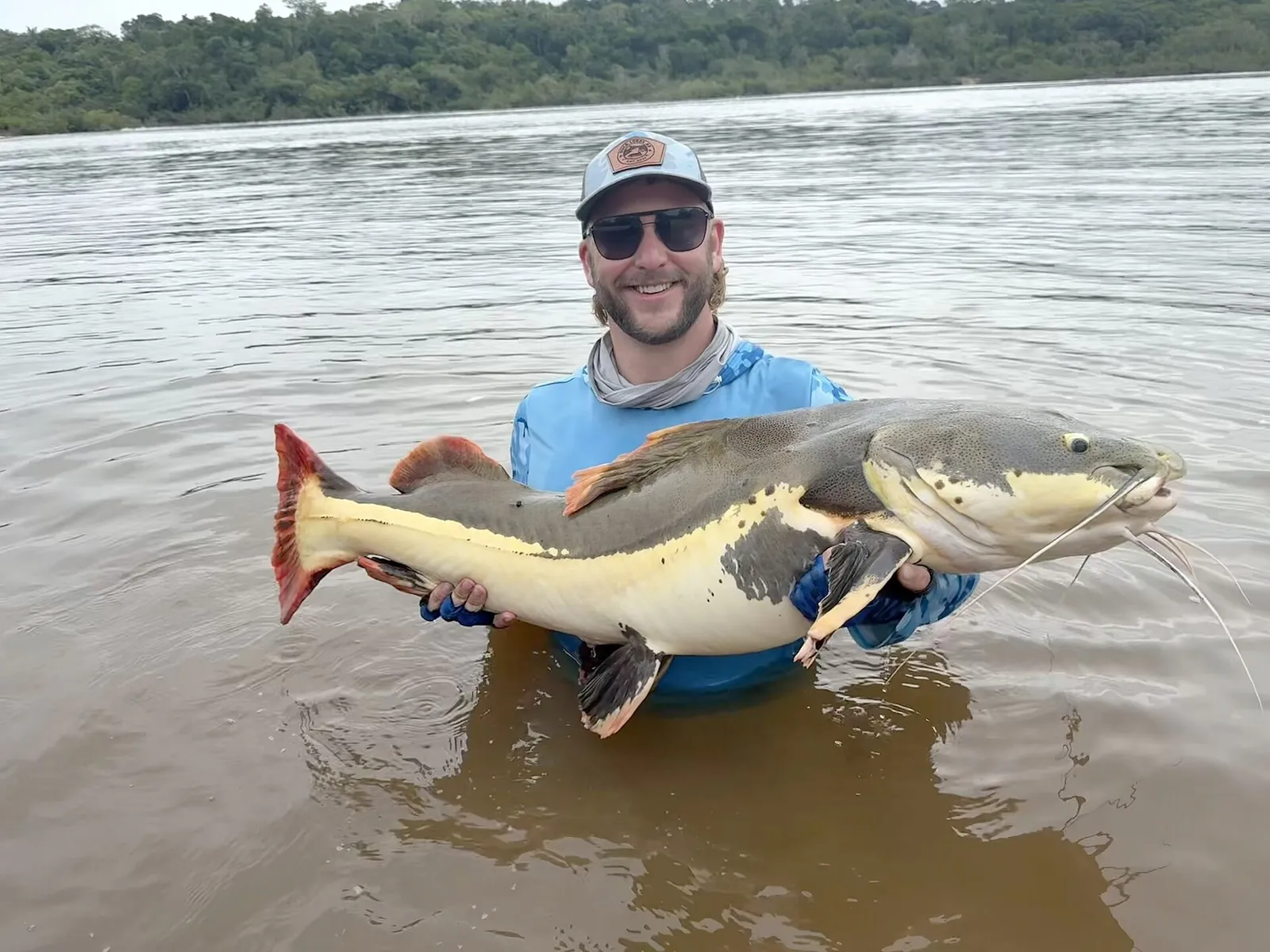 Redtail Catfish: The Amazon Giant, Its 123 lb Record and the Ones Loose in the US
Redtail catfish: how to spot one, how big it gets, the 123 lb world record, where anglers catch them, and why dumped pets keep turning up in US water.
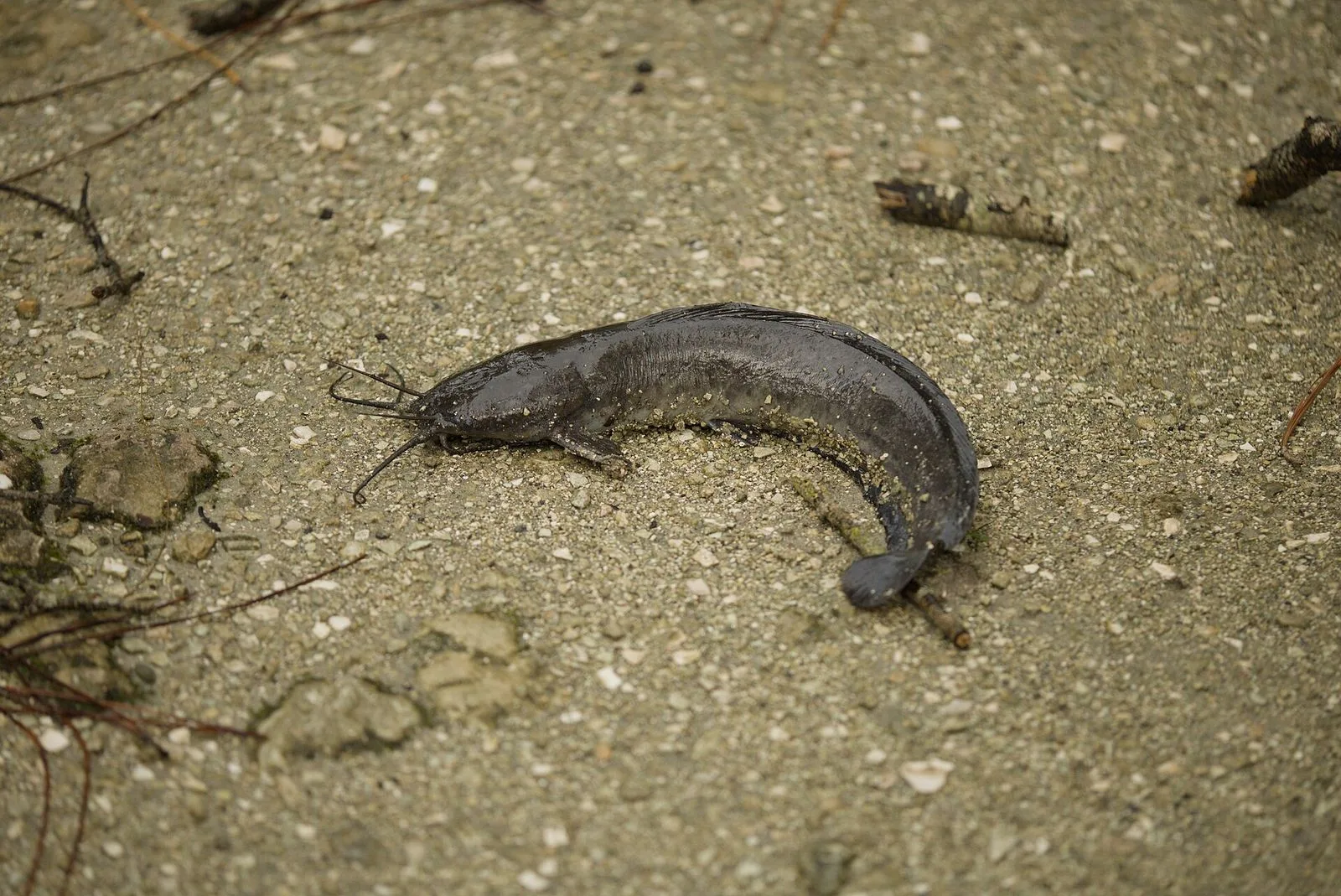 Walking Catfish: The Florida Invader That Crosses Land, and the Law on It
Walking catfish: an air-breathing Asian catfish loose in Florida since the 1960s. How it crosses land, its 2 lb 10 oz record, and why live ones are banned.
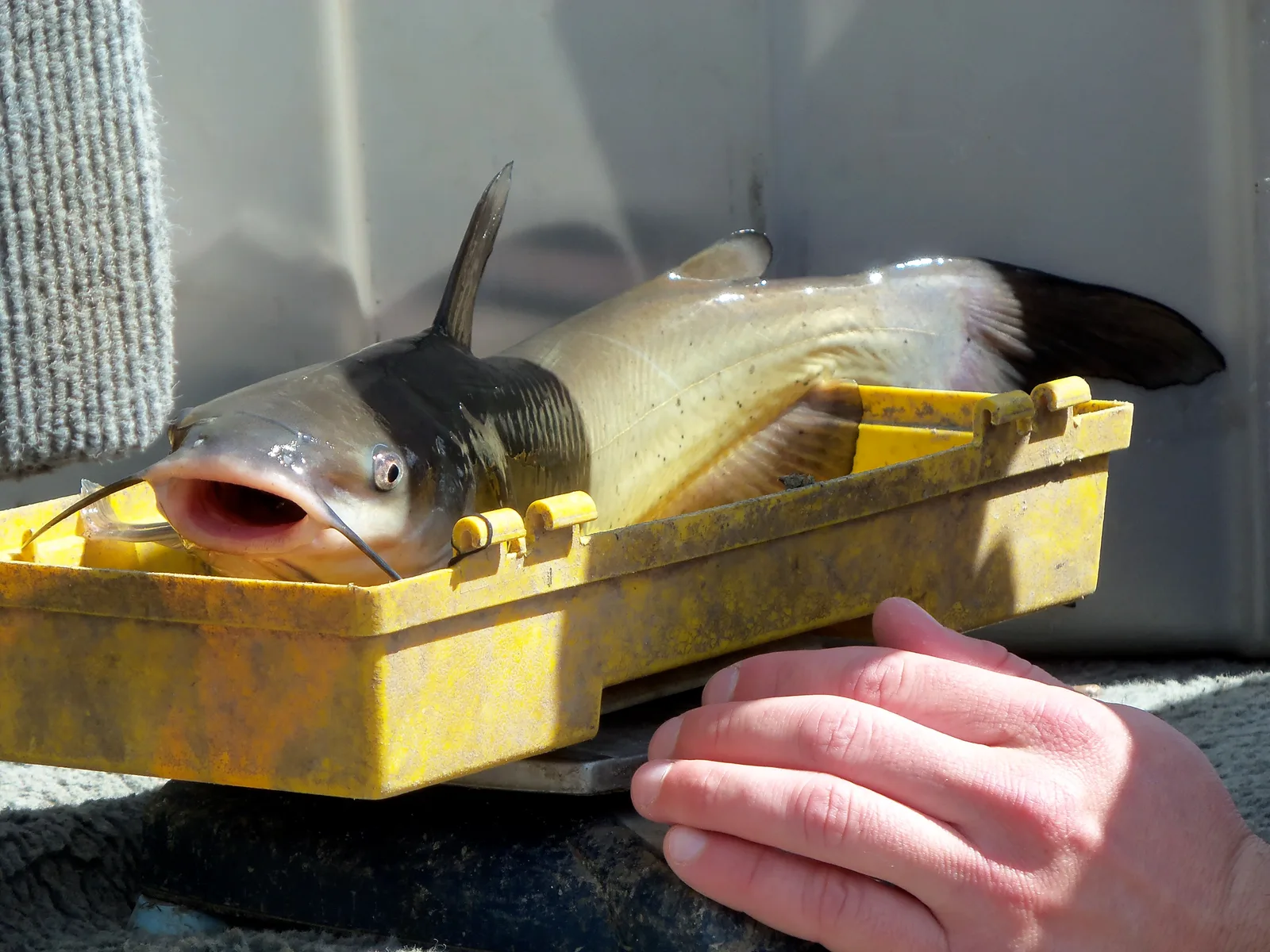 What Do Catfish Like? What They Eat, Smell and Avoid, by Species
What catfish like, by species: anything for channels, cut fish for blues, live fish for flatheads. The diet data, the senses and the baits.
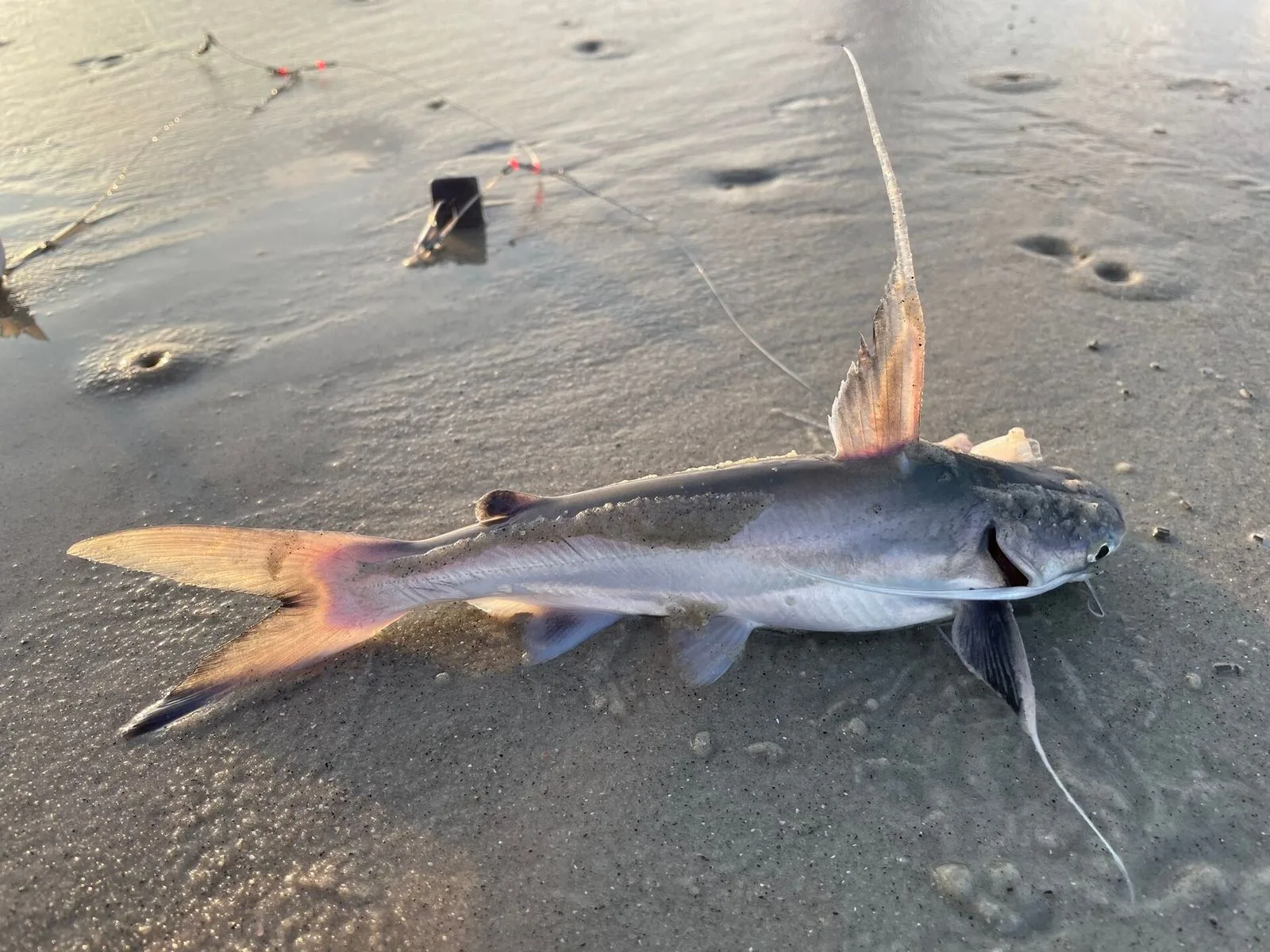 Saltwater Catfish: Hardhead vs Gafftopsail, the Sting, the Eating
The two saltwater catfish: how to tell a hardhead from a gafftopsail, sizes and records, the sting and its first aid, and which one to eat.
- How to Catch Catfish: Bait, Rigs, Where and When, by Species
How to catch catfish: the bait, rig, hook and water for channel, blue and flathead catfish, where they are by day and night, and a trip step by step.
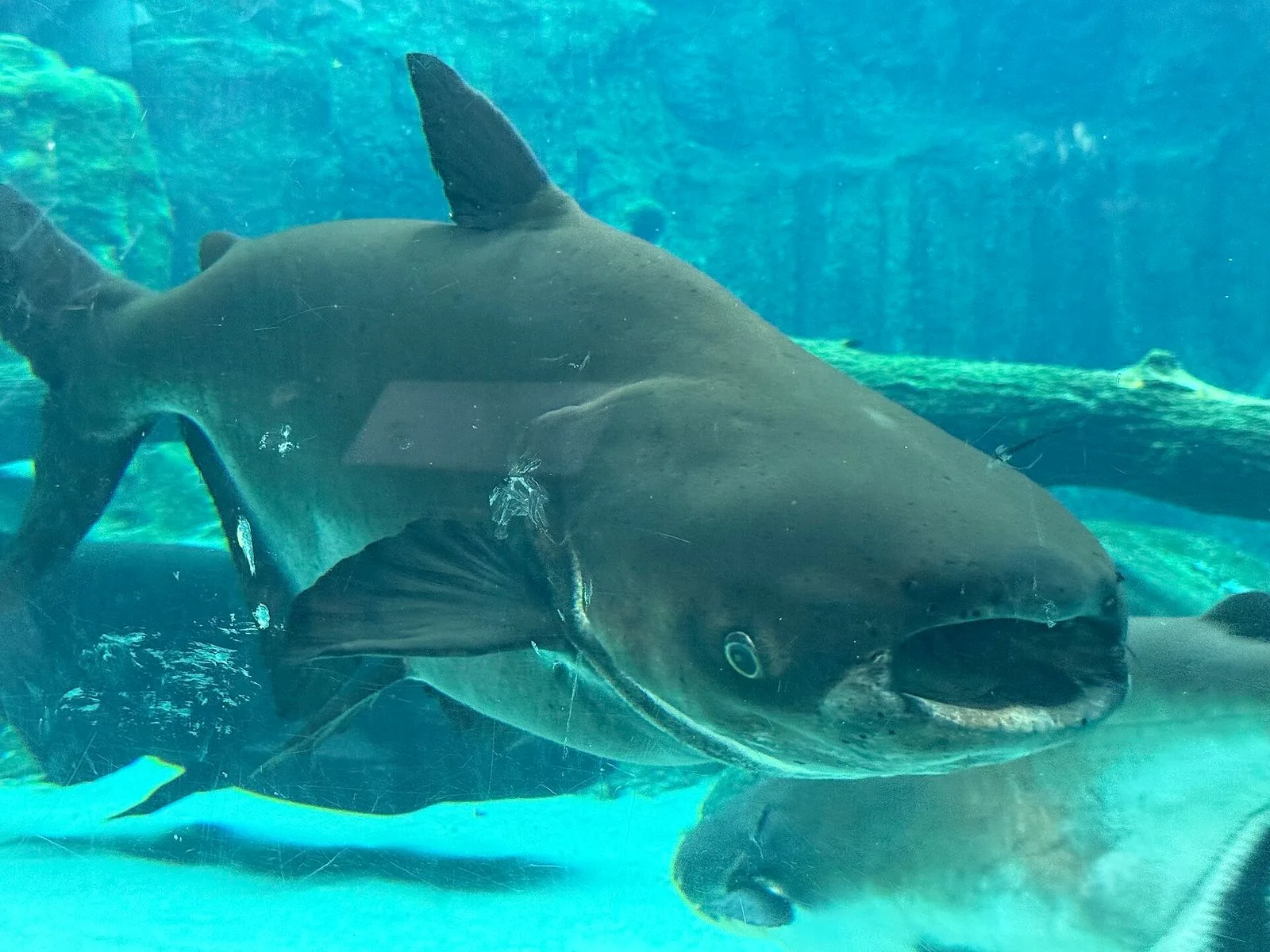 Mekong Giant Catfish: The 646 lb Record, and Where You Can Legally Catch One
The Mekong giant catfish: how to recognize the toothless giant, the 646 lb fish of 2005, how many are left, and the one legal way an angler catches one.
Sources (13)
- Missouri Department of Conservation, Catfishing Without Pole and Line
- Missouri Conservationist, Catfishing Missouri's Big Rivers (2014)
- Missouri Conservationist, Catfishing (July 2026)
- Missouri Department of Conservation, General Fishing Rules and Methods
- Texas Parks and Wildlife, Legal Devices, Methods and Restrictions
Show all 13 sourcesShow fewer sources
- Oklahoma Department of Wildlife Conservation, Methods of Take
- Arkansas Game and Fish Commission, 2026-27 Fishing Guidebook (Trotline and Limbline Fishing Requirements, p. 21)
- Kentucky Administrative Regulations, 301 KAR 1:410
- Iowa DNR, General Fishing Regulations (Iowa Fishing Regulations digest)
- Iowa Code 2026, section 481A.73, Trotlines and tagged lines
- MeatEater, How to Set a Trotline
- Mossy Oak, Trotline Fishing: Building and Setting Trotlines
- Dickinson, McMullin, Orth and Copeland (2018), Variation in Trotline Catfish Catch and Bycatch Rates by Hook and Bait Type in the New River, Virginia