 By
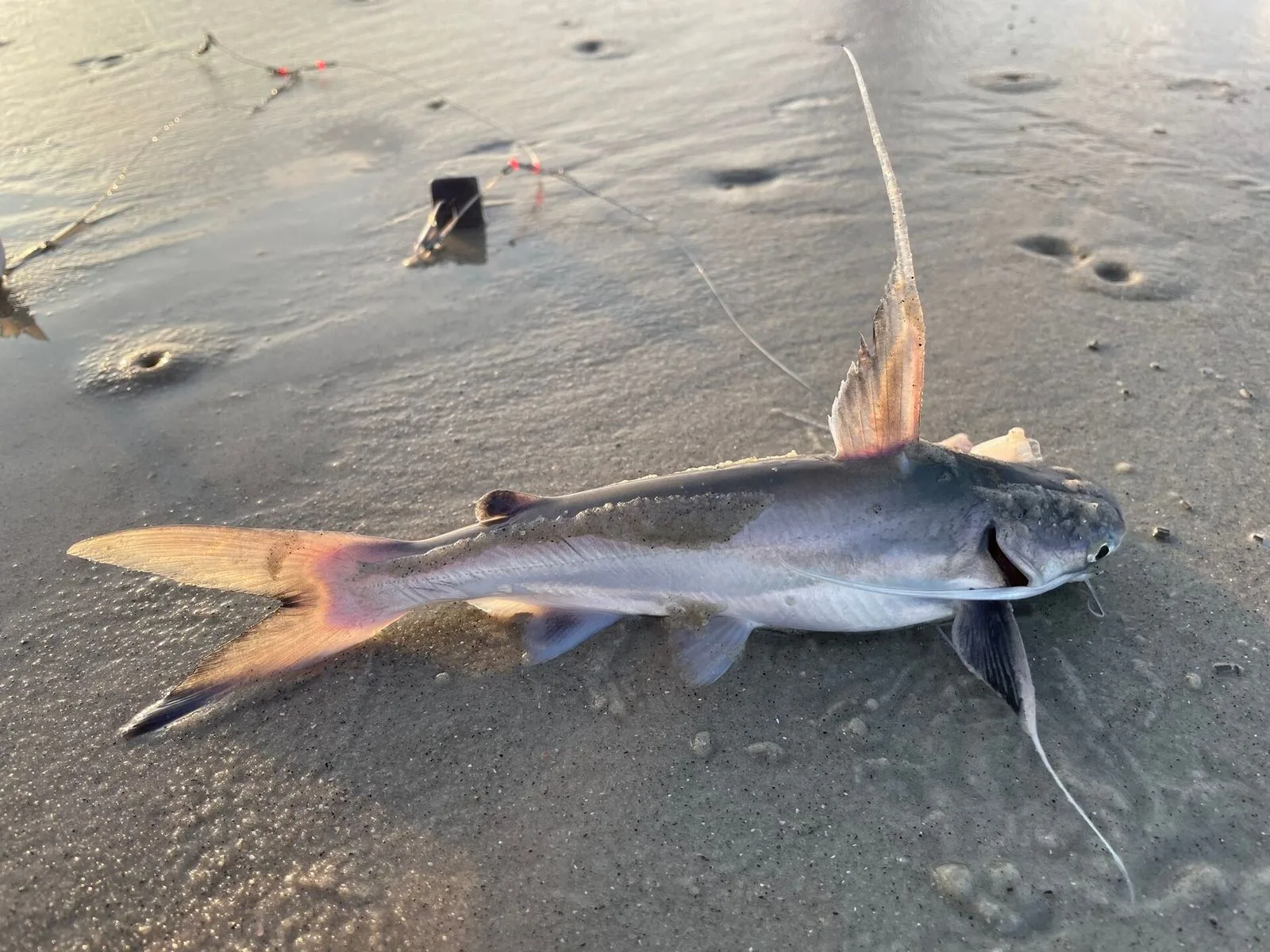
Saltwater catfish on American coasts means two fish. The hardhead is the gray, slimy pest that steals shrimp from piers from the Carolinas to Texas and beyond. The gafftopsail is its bigger cousin, to 27 in (69 cm) and 10 lb (4.5 kg), with a dorsal spine drawn out into a long sail; the hardhead averages 10 in and half a pound. Both sting, and only the gafftopsail is worth keeping for the table.
A male gafftopsail carries up to 55 eggs, each about an inch across, in his mouth until they hatch, and he does not eat the whole time.
Hardhead or gafftopsail?
Look at the dorsal fin and the corners of the mouth. A catfish with a long streamer trailing from the dorsal spine and flat, ribbon-like barbels at the mouth corners is a gafftopsail. A plain gray catfish with short, round whiskers is a hardhead. The hardhead takes its name from a hard, bony plate that runs from the top of its head back toward the dorsal fin; you can feel it with a finger.
| Hardhead catfish | Gafftopsail catfish | |
|---|---|---|
| Chin barbels | Four, plus two at the mouth corners, all short and round | Two; the mouth-corner barbels are “flattened and very elongated” |
| Spines | Three, no filaments | Three, each with a long, fleshy filament; the dorsal one is the “sail” |
| Color | Brownish to gray-green back, white to yellowish belly | Bluish-green back, fading to a silver-white belly |
| Size | About 10 in (25 cm) and ½ lb (0.2 kg) on average; to about 24 in (61 cm) | About 17 in (43 cm) when mature; to 27 in (69 cm) and 10 lb (4.5 kg) |
| Records | IGFA all-tackle 5 lb 15 oz (2.7 kg), Louisiana, 2025; Florida 4 lb 8 oz (2 kg); Texas 3.3 lb (1.5 kg), 1997 | IGFA all-tackle 10 lb 0 oz (4.5 kg), Florida, 2007; Florida 8 lb 14 oz (4 kg) |
| Spawning | Spring into summer (about May–September); male mouthbroods | Over inshore mudflats, May–August; male mouthbroods |
| Diet | Crabs, fish and shrimp; “will take any type of natural bait” | About 95% crustaceans: crabs, shrimp, prawns |
| Range | Massachusetts to the Gulf of Mexico; most common along the Southeast coast, the Keys and the Gulf | Cape Cod to Brazil |
| On the table | Edible, but “isn’t very tasty” and hard to clean | “A good food-fish” |
Figures and quoted phrases from the Florida FWC and Texas Parks and Wildlife profiles; spawning, diet and range from the species accounts in the sources.
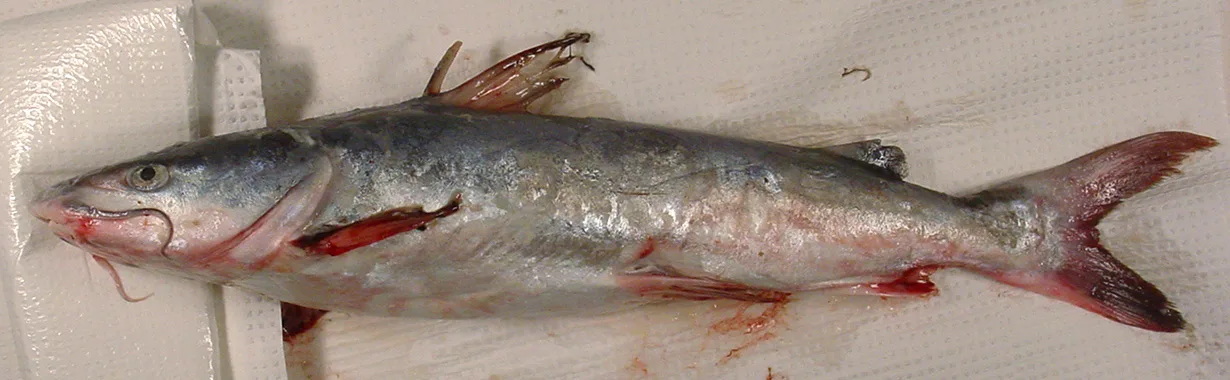
Hardhead catfish, a reference specimen from the FDA’s seafood identification library. Photo: U.S. Food and Drug Administration, Wikimedia Commons (public domain)
One freshwater fish turns up beside these two in brackish water: the channel catfish. Adults tolerate salinity from near 0 to 11 parts per thousand, though they prefer under 4.
How bad is the sting, and what do you do?
Both species carry three sharp, slime-covered, barbed spines: one at the front of the dorsal fin and one at the front of each pectoral fin. The dorsal spine is normally held erect when the fish is excited, and the slime is mildly toxic. Texas Parks and Wildlife’s warning is plain: “A puncture will be followed by severe pain and swelling.”
The medical record backs that up. A 2016 Brazilian study looked at 127 catfish injuries on the Brazilian coast. Every patient soaked the limb in hot water, and it eased the symptoms. In five, X-rays found pieces of spine still in the wound, and their pain and swelling lasted beyond 24 hours. The study’s advice: when pain and swelling last past a day, suspect a piece of spine left in the wound; a simple X-ray is enough to find it.
Can you touch a saltwater catfish? You can, but you should not have to. The safe routine:
- Do not grab it. Leave the fish hanging on the line, or lay it on the deck or the pier planks.
- Unhook it with a tool. Use a hook remover or long-nosed pliers and turn the hook out while the line holds the fish. A circle hook sits in the corner of the mouth, where a tool reaches it easily.
- If you must hold it, use the belly grip from how to hold a catfish: fingers behind the pectoral spines, palm under the belly, clear of the dorsal spine, and a glove.
- Do not kick it off the pier. A dead hardhead’s spine is still sharp and still barbed; put unwanted fish back in the water, not on the planks.
- If stung, use heat, never ice. A 2012 clinical report treated catfish stings with “nonscalding hot water (45 °C/113 °F) for 30–90 min” and states that “cryotherapy is contraindicated.”
- Get any fragment out. Pull visible pieces with tweezers and wash the wound. Catfish barbs “are often radiopaque,” the same report notes, so an X-ray shows a piece you cannot see.
- See a doctor if the pain does not ease in the hot water, the redness spreads, or the hand still swells the next day. A retained spine fragment or an infection is what sends people to the hospital.
Free PDF · Catfish cheat sheet When do catfish bite, and what do they want on the hook?
One reading, and the 16-page cheat sheet tells you which catfish is feeding, where it sits and what to put on the hook; with the five rigs drawn and a trip step by step.
Enter your email, confirm it with one click, and the PDF is in your inbox. Plus one email a week on what's biting. Unsubscribe anytime. Privacy.
How do you catch gafftopsails on purpose?
Gafftopsails are worth targeting. They run to several pounds, they outgrow the hardhead, and they are good eating. Their diet sets the bait. About 95% of what they eat is crustaceans, so shrimp and crab come first, with cut bait as a backup.
Timing matters too. Gafftopsails move to deeper, warmer water in winter and return to the bays and estuaries in early summer to spawn, so summer is when the bays hold them.
Unlike most catfish, the gafftopsail feeds throughout the water column. That is why a shrimp under a popping cork catches them as well as a bait on the bottom. For bottom fishing in bays and passes, the slip-sinker rig on the catfish rigs page works unchanged in salt water. Use a circle hook, so the fish hooks itself in the jaw where you can reach it with pliers.
Before you keep one, measure it. Texas sets a 14 in (36 cm) minimum length for gafftopsail, no maximum, and no daily bag limit. Other states set their own rules or none, so read the state’s saltwater regulations, not a forum post.
How do you catch fewer hardheads?
Hardheads are, in Texas Parks and Wildlife’s words, “notorious bait thieves.” They are voracious feeders that will take any natural bait, and they find crabs, fish and shrimp in muddy bays. Three things follow from that:
- An artificial lure does not smell like food, so it draws fewer of them than natural bait does.
- A bait suspended under a cork, off the bottom, sits above the fish that feed in the mud.
- Moving water over clean sand or grass is less hardhead country than the mud around pier pilings.
A hardhead is not worthless, though. Salt Strong fishes saltwater catfish, hardheads among them, as bait for tarpon and cobia. Their method:
- Clip the spines off with wire cutters before the fish goes in the water, and wear gloves.
- Fish the tail section or the whole fish. Hook a tail through the thin end; hook a whole fish through the lips or behind the bony head plate.
- Under a big cork when anchored; free-lined near the bottom when drifting.
- A 7–8 ft (2.1–2.4 m) medium-heavy spinning rod, 20–30 lb braid, a 60–80 lb mono leader and a heavy circle hook up to 14/0.
What works on the freshwater species, from cut shad to chicken liver, is in best catfish bait.
Are saltwater catfish good to eat?
The gafftopsail, yes. The Florida FWC calls it “a good food-fish that is usually less common than the hardhead catfish.” Skin it as you would any catfish: cut around the head, grip the skin with pliers, and pull it back toward the tail. Then fillet the white meat and fry, blacken or grill it. Some anglers also cut out the dark red strip along the lateral line before cooking.
The hardhead, not really. Texas Parks and Wildlife puts it plainly: “While the flesh is edible, it isn’t very tasty and the fish is difficult to clean.” A half-pound fish gives two small fillets for a lot of slime and three spines. Most anglers put hardheads back or use them as bait.
Whichever you keep, check the state’s fish consumption advisory for the bay you fish. Advisories are set water by water.
How big do they get?
Most hardheads are small: about 10 in and half a pound on average, and adults may reach 2 lb or more. Florida’s FWC lists a maximum of about 24 in and 12 lb (5.4 kg), twice the heaviest hardhead in the record book. The IGFA all-tackle record is 5 lb 15 oz (2.68 kg), from Lake Mechant near Houma, Louisiana, in January 2025; the state records are 4 lb 8 oz in Florida and 3.3 lb in Texas. The hardhead also lives a long time for a small fish, with individuals older than 24 years on record.
The gafftopsail is the bigger fish. Mature ones run about 17 in (43 cm), and most caught weigh 1–2 lb. The top end is 27 in and 10 lb. The IGFA all-tackle record is exactly 10 lb 0 oz (4.5 kg), caught off Boca Raton, Florida, in February 2007. The freshwater records, from the 143 lb blue down to the bullheads, are on the world record catfish page.
Why do the males starve?
Both are sea catfish, the hardhead Ariopsis felis and the gafftopsail Bagre marinus, and sea catfish raise their young in their mouths. The female lays a few very large eggs, and the male takes them in. He carries them until they hatch and the young can care for themselves.
The numbers are striking. A female hardhead lays only 20 to 65 eggs per spawning, and the male incubates them for about 8 to 11 weeks. The gafftopsail spawns over inshore mudflats in a window of about ten days between May and August. The male carries up to 55 eggs of about 1 in (2.5 cm) each. Brooding males of both species do not feed. Both sexes of the hardhead mature before age two.
That fast has a fishing consequence: in late spring and summer, part of the adult male population is not eating at all. How other fish handle spawning, from nest guarders to egg scatterers, is in how do fish reproduce.
The freshwater catfish, channel, blue, flathead and the bullheads, are on the catfish hub.
Gear for catfish
Gear guide
Best Catfish Bait: What Channel, Blue and Flathead Catfish EatThe best catfish bait by species: cut shad for blues, punch and dip baits for channels, live bluegill for flatheads, and which prepared baits to buy.
Gear guide
Catfish Rods: Length, Power, the Soft Tip, and the Reviewers' PicksCatfish rods explained: 7–10 ft, medium-heavy, a soft glass tip on a strong butt, sinker ratings by species, and the reviewers' picks with maker specs.
Free PDF · 16 pages
Know what the catfish want tonight before you leave the house
The Catfish Cheat Sheet. A 16-page PDF. Take one water temperature reading, find your season on the sheet, and it tells you which catfish is feeding, where it sits and what goes on the hook. The sheet is two pages; the fourteen behind it are the depth.
- The temperature that shuts channel cats down while blue cats keep biting all winter
- Five rigs drawn, three tied step by step, and the one mistake that loses more catfish than any other
- The bait and hook for each catfish, from punch bait on a #4 treble to a live bluegill on a 7/0 circle, and which states let you use that bluegill
- A catfish trip in nine steps, with the night checklist and what a bite feels like on a tight line
Every line from the catfish pages on fishing.info and the 151 sources behind them, Missouri and Texas wildlife agencies among them.
Enter your email, confirm it with one click, and the PDF is in your inbox. Plus one email a week on what's biting. Unsubscribe anytime. Privacy.
Related
Section guide
Catfish: Species Identification, Baits, Seasons and RecordsThe catfish species anglers catch most, channel, blue and flathead first: how to tell them apart by the anal fin, when they spawn, what bait each wants.
- How to Catch Catfish: Bait, Rigs, Where and When, by Species
How to catch catfish: the bait, rig, hook and water for channel, blue and flathead catfish, where they are by day and night, and a trip step by step.
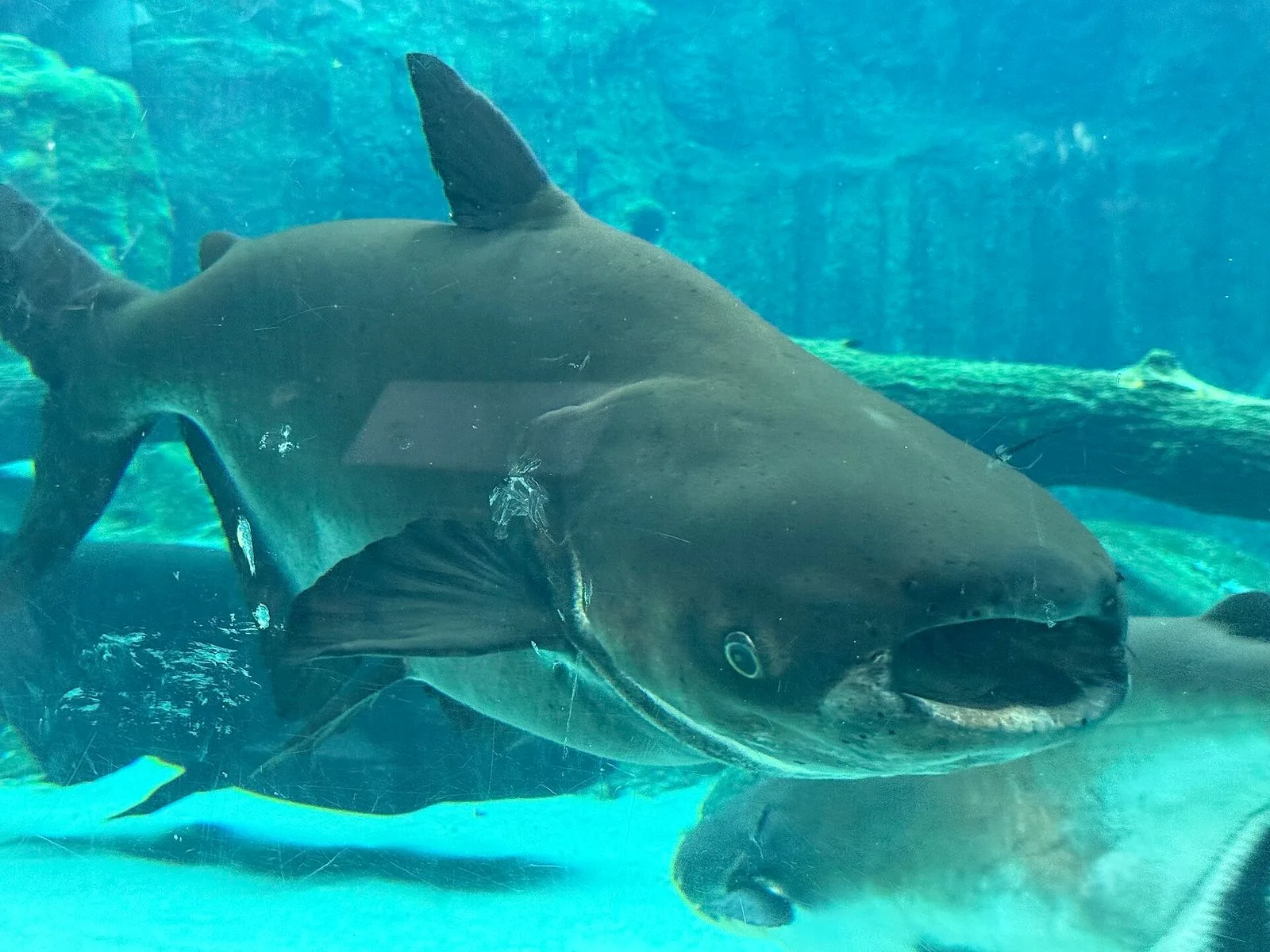 Mekong Giant Catfish: The 646 lb Record, and Where You Can Legally Catch One
The Mekong giant catfish: how to recognize the toothless giant, the 646 lb fish of 2005, how many are left, and the one legal way an angler catches one.
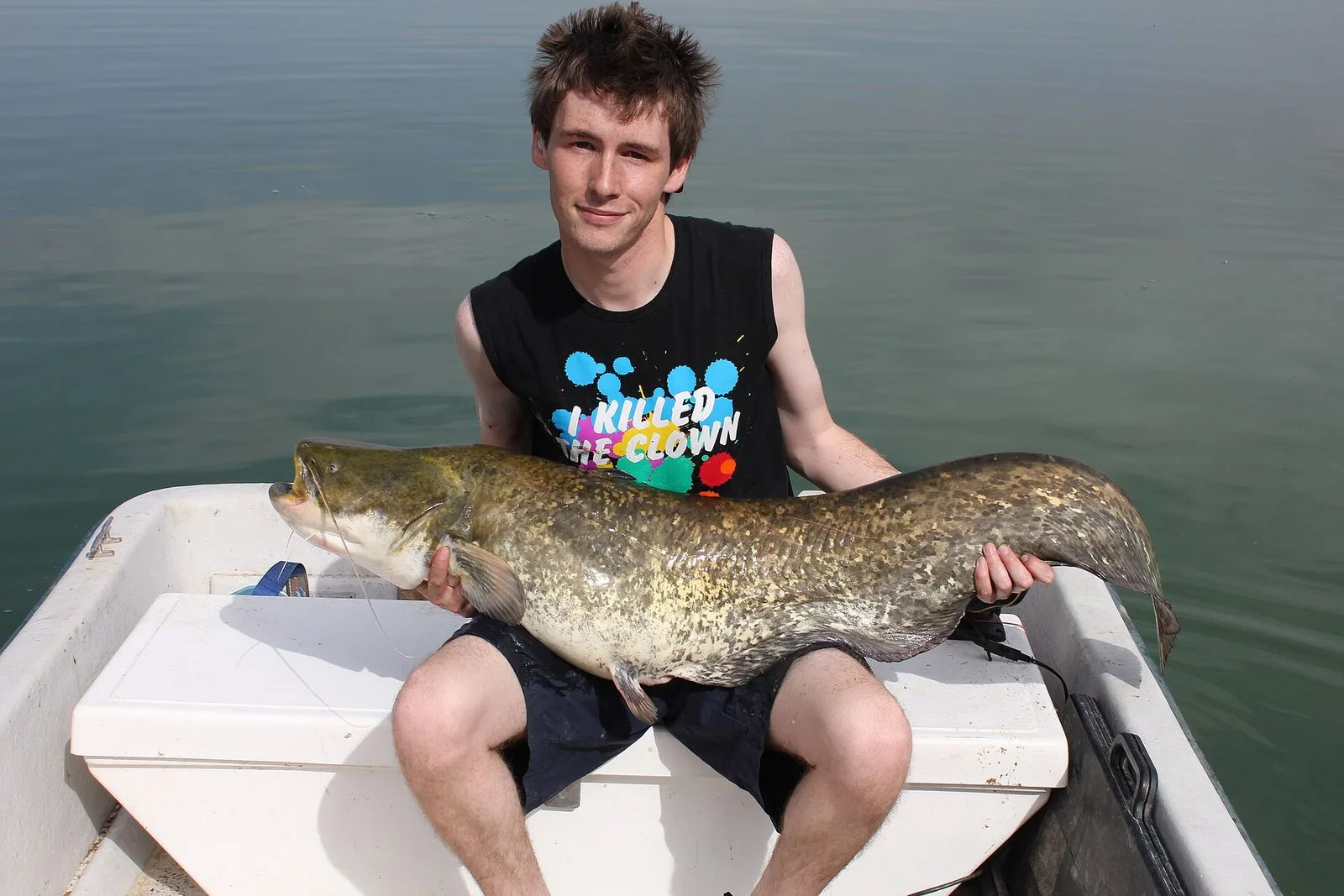 Wels Catfish: Europe's Giant, Its Records, and Why It Is Banned in the US
Wels catfish: Europe's giant, 297 lb 9 oz on record and banned from US import since 2016. How to recognize it, the Ebro record book, how anglers catch it.
 Noodling Catfish: How It Works, Where It Is Legal, Staying Safe
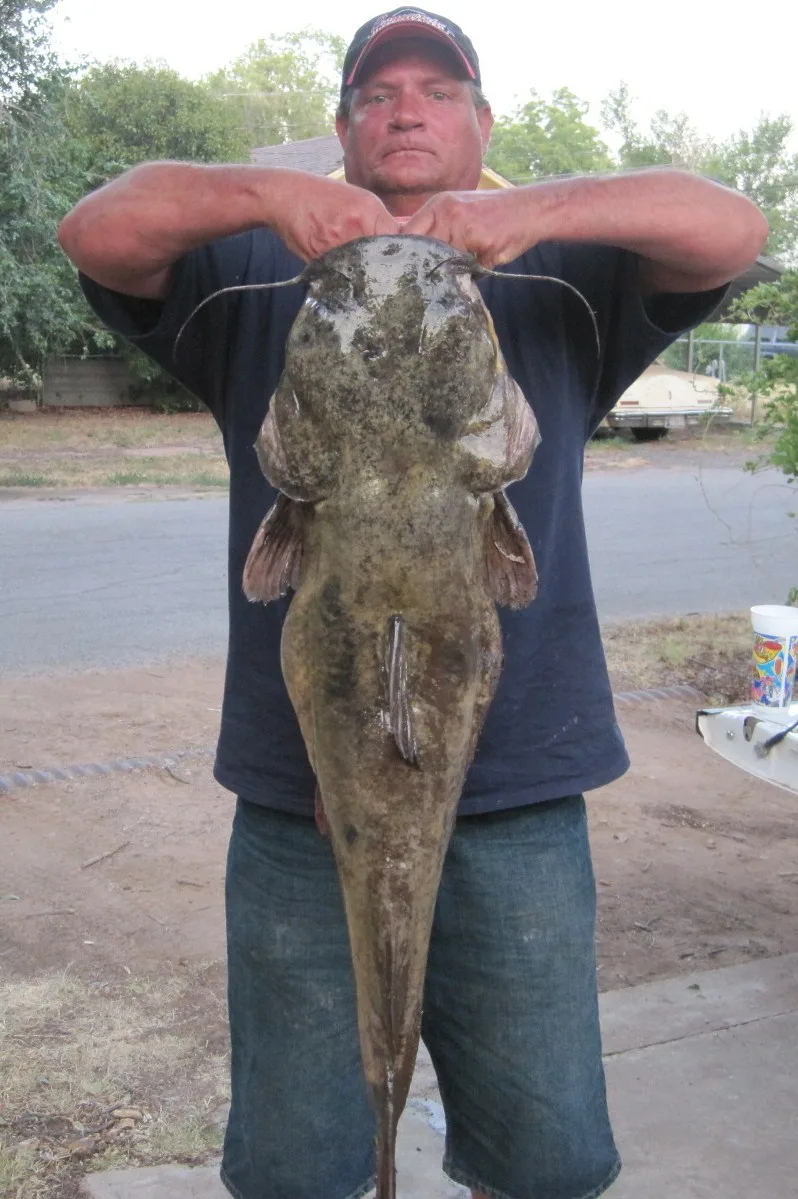
Noodling catfish means pulling a nest-guarding flathead from its hole by hand. How it is done, every state's season and rules, and what hurts people.
 World Record Catfish: Blue, Flathead, Channel, Wels, Mekong Giant
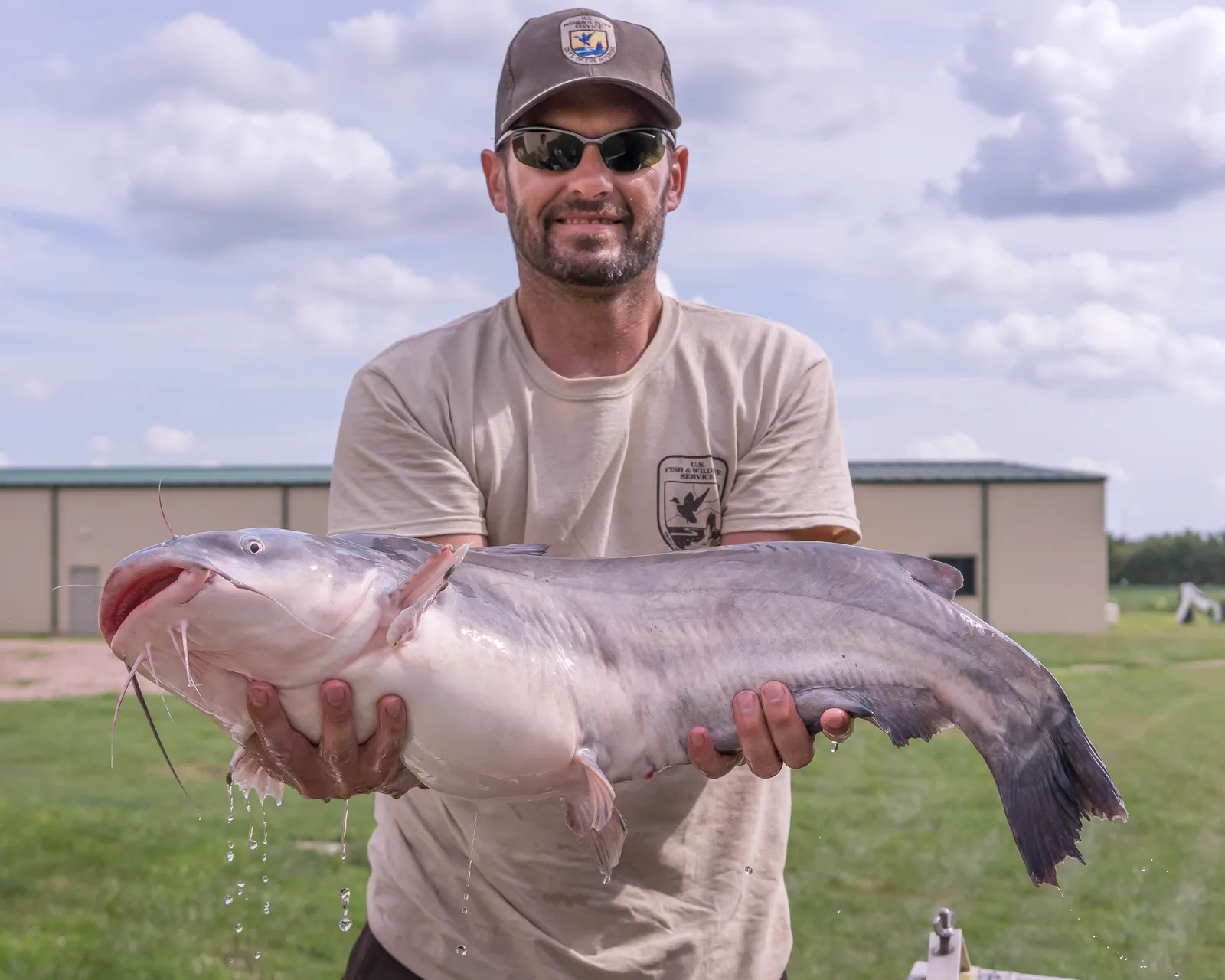
The biggest catfish on record: the 646 lb Mekong giant, the 297 lb wels, the 143 lb blue, 123 lb flathead and 58 lb channel, and how a record is certified.
 How to Hold a Catfish Without Getting Stung, Small to Big
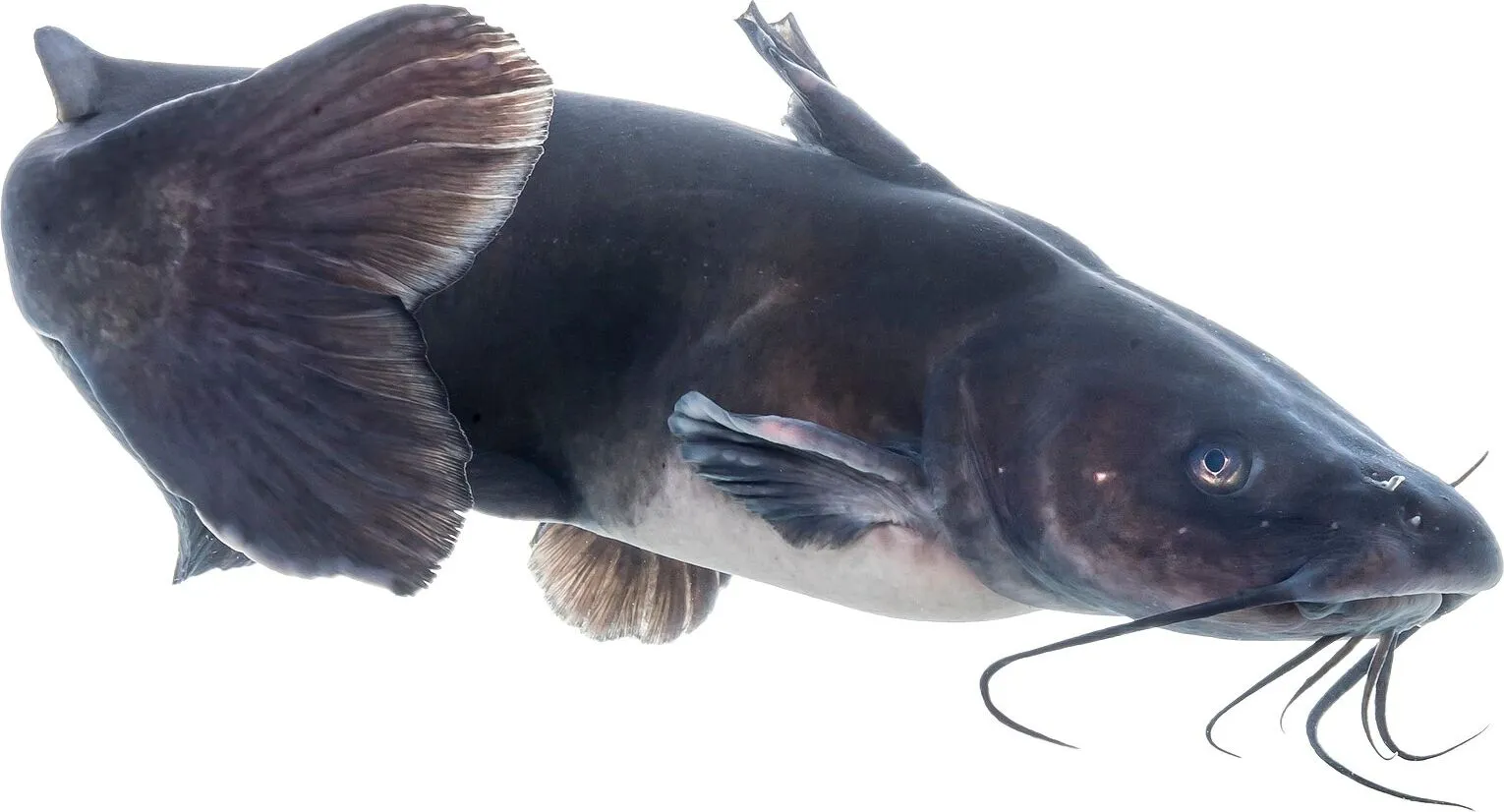
How to hold a catfish safely: where the three spines are, the grip behind the pectoral fins for small fish, the lip grip for big ones, and first aid for stings.
Sources
- Florida FWC, hardhead catfish
- Florida FWC, gafftopsail catfish
- Texas Parks and Wildlife, hardhead catfish
- Texas Parks and Wildlife, saltwater catfish bag and length limits
- Wikipedia, hardhead catfish (reproduction, lifespan, range)
- FishBase, Ariopsis felis (distribution: Massachusetts and northern Gulf of Mexico to southern Florida and Mexico)
- Wikipedia, gafftopsail catfish (diet, spawning, mouthbrooding, IGFA weight)
- Mexican Fish, gafftopsail catfish (IGFA record, Boca Raton 2007; winter move to deeper water)
- IGFA World Record Search, hardhead catfish (all-tackle 5 lb 15 oz, Lake Mechant, Louisiana, 2025)
- Dorooshi, Catfish stings: a report of two cases, J Res Med Sci 2012
- Negreiros et al., Diagnostic imaging of injuries caused by venomous and traumatogenic catfish, Rev Soc Bras Med Trop 2016
- Salt Strong, saltwater catfish as tarpon and cobia bait
- Mississippi State University Extension, biology of catfish (salinity)