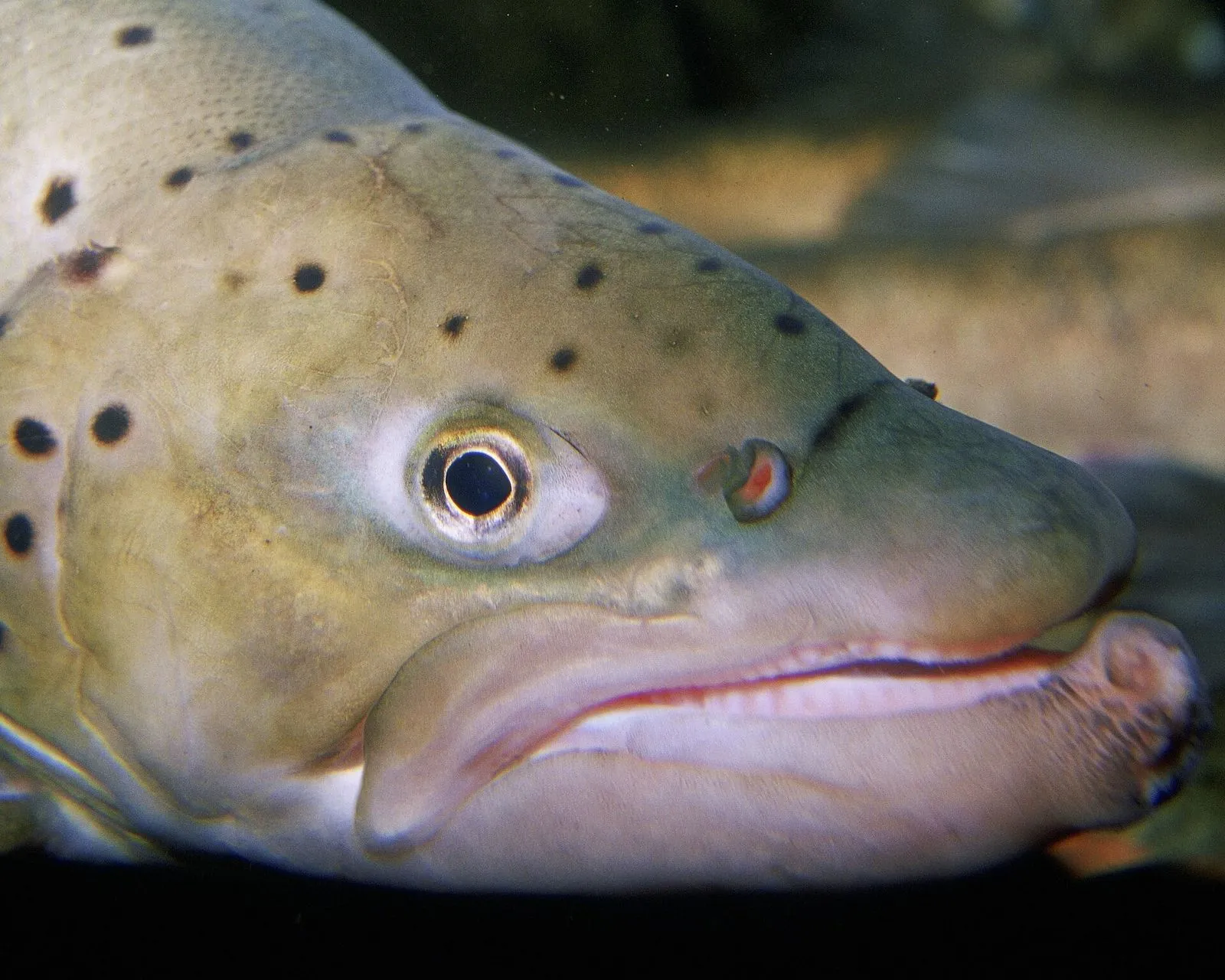
Do fish see water? No, no more than you see air. A bass looks through the water it lives in the way you look through the air in your room. It sees the rocks, the weeds, the minnow and the worm on your hook, never the water itself. Its view of the world above the surface is squeezed into one small circle, and it sees fewer colors than you do.
A fish looking up sees the whole sky squeezed into a circle about 97 degrees wide, called Snell’s window. Everything outside that circle is a mirror of the bottom.
Do fish see water? Not the water itself
Fish cannot see water for the same reason we cannot see air. An eye notices differences. Light off a rock looks different from light off a weed, so the eye picks both out. The water in between is the same in every direction, so there is nothing to grab. A fish knows water the way you know air: by moving through it.
The same trick works in reverse. A fish does not see air either. It sees through it, in a small, strange circle above its head.
How does a fish eye work?
Your eye does most of its focusing with the cornea, the clear front window. A fish’s cornea does almost nothing, because it has water on both sides and light barely bends passing through it. So the fish does the whole job with its lens, a round ball rather than your flattened disc. Your eye focuses by squeezing the lens into a new shape; a fish slides the ball forward and back, like a camera lens.
A fish also has no eyelids. Its eyes are open in the dark, open while it rests and open when you lift it out. That is one reason a resting fish is hard to tell from an awake one; do fish sleep goes through the signs.
Free card: what 26 species do at your water temperature
Plus one email a week on what's biting now. No sales pitches. Privacy.
Can fish see above the water? Snell’s window
Yes, through a window, and it is smaller than you would guess. Light bends when it passes from air into water. So a fish looking up sees the entire sky, horizon to horizon, packed into a cone about 97 degrees wide. The edge of the cone sits 48.6 degrees from straight up; physicists call that the critical angle, and the cone is Snell’s window.
Outside the window the surface becomes a mirror. A fish looking up at a slant does not see the bank; it sees the bottom reflected back. Its world above is a bright round porthole with a mirror all around it. The porthole is about 2.3 times as wide as the fish is deep. A bass 3 ft (0.9 m) down sees a circle of sky about 6.8 ft (2.1 m) across.
Now put yourself on the bank. Standing tall near the edge, you sit inside the window, squeezed and bent but visible. Crouch, and you slide toward the rim, where the picture is most compressed and dimmest. That is why the old advice to stay low works. Ripples smash the picture entirely; a breeze turns the window into moving shards, and a splash does the same for a moment, right where the bait lands.
Do fish see color? What a bass sees
Yes, but fewer colors than you. Mitchem and colleagues measured largemouth bass eyes in 2019 and found two kinds of color-sensing cells, called cones. One is tuned to green light, at 535 nanometers; the other to red, at 614 nm. You have three: red, green and blue. A largemouth bass has no blue cone at all.
What follows is a shorter list of colors. A bass tells red from green, because each has its own cone. Blue has no cone of its own and lands weakly on the green one. A blue lure registers as a dim, dark shape rather than a color. Chartreuse sits close to the green cone’s peak, one good reason it looks so bright to a bass.
The walleye has a similar pair, at 533 and 605 nm, plus one extra part: a tapetum lucidum, a mirror behind the retina. Light that misses the sensing cells on the way in is bounced back through them a second time. It is the layer that makes a cat’s eyes shine in headlights, and why a walleye’s eyes glow in a flashlight. It is the walleye’s edge at dusk and after dark.
| What | A largemouth bass | A walleye | You |
|---|---|---|---|
| Color cells | Two cones: green at 535 nm, red at 614 nm (Mitchem 2019) | Two cones: 533 nm and 605 nm | Three cones: red, green, blue |
| Blue | No blue cone; a blue lure reads as a dark shape | No blue cone either | Blue is blue |
| The sky and the bank | Squeezed into a 97° window; a mirror outside it | The same window | The full 180° |
| At dusk | Ordinary low-light vision | A tapetum bounces light through the retina twice; the eyes glow | You reach for a headlamp |
| Focusing | A round lens slides forward and back | The same | The lens changes shape |
| Eyelids | None | None | Two |
Do fish see fishing line?
Nobody knows. No study has tested fishing line on bass or walleye the way Mitchem’s team tested color, so any confident answer you read is a guess. Two things do follow from the eye. A bass barely registers blue, so a line in a color it hardly sees is, on paper, the safer pick. And a thin line is a smaller thing to see in any color. Fluorocarbon is sold on being harder to spot under water; whether a bass agrees has not been measured. In stained water, where less light gets down, all of this matters less. In clear water on a bright day it matters most.
How do you approach a fish you can see?
- Stop before the water’s edge. You only enter the fish’s window when you are close and tall. Two steps back from the bank keeps you in the mirror.
- Get low and stay low. Crouch or kneel. You slide to the compressed, dim rim of the window, where you are a smudge instead of a shape.
- Move slowly. A slow smudge at the rim is a bush. A fast one is a heron, and every fish knows what a heron is.
- Watch your shadow. The window rules what the fish sees above the surface. A shadow falls into the water, where it sees everything; keep the sun in front of you or to the side.
- Land the bait soft, and not on the fish. A splash shatters the window right where the fish is looking. It also sends out a pressure wave the fish feels along its flank. Cast past the fish and bring the bait to it.
- Choose the color for the eye you are fishing to. A bass in clear water separates red from green; blue is a dark shape. In stained water, contrast and vibration beat any color. The lure guides sort the options by clarity.
- Fish the walleye’s hours. Its mirror-backed eye wins at dusk and after dark, when the bass’s ordinary eye is losing the light. The best time of day to fish puts hours on that window by season.
The fish facts hub holds the other questions kids ask, from whether fish sleep to whether they drink.
Free download
The water temperature card
Read your water temperature and the card tells you who is spawning, who is feeding and what to throw. 26 species, 16 pages, for your phone and the tackle box.
Plus one email a week on what's biting now. No sales pitches. Privacy.
Related
Section guide
Fish Facts: The Questions Kids Ask About Fish, Answered With the ScienceFish facts with a number and a source for each: how fish sleep, breathe, hear and feel, and what every answer means when you hook and release one.
 Do Fish Drink Water? Freshwater Fish, Saltwater Fish and Sharks
Do fish drink water? Freshwater fish barely do, saltwater fish drink all day, sharks cheat with urea. The numbers, and what it means for bait and livewells.
 Do Fish Drown? How Fish Suffocate, and How to Revive a Tired One
Do fish drown? Not by the dictionary, but they suffocate three ways: low oxygen, damaged gills, no water flow. How long a fish lasts in air, how to revive one.
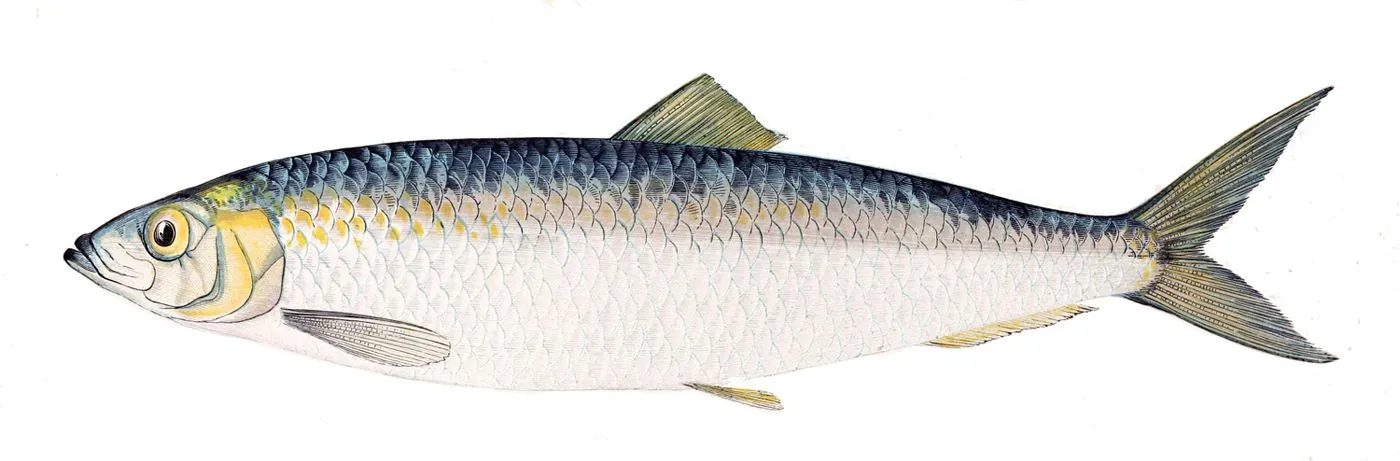 Do Fish Fart? Yes, Herring Do It on Purpose, and a Bloated Bass Needs Help
Do fish fart? Herring do, on purpose, and scientists won a prize for proving it. Which fish pass gas, where it goes, and what to do with a bloated bass.
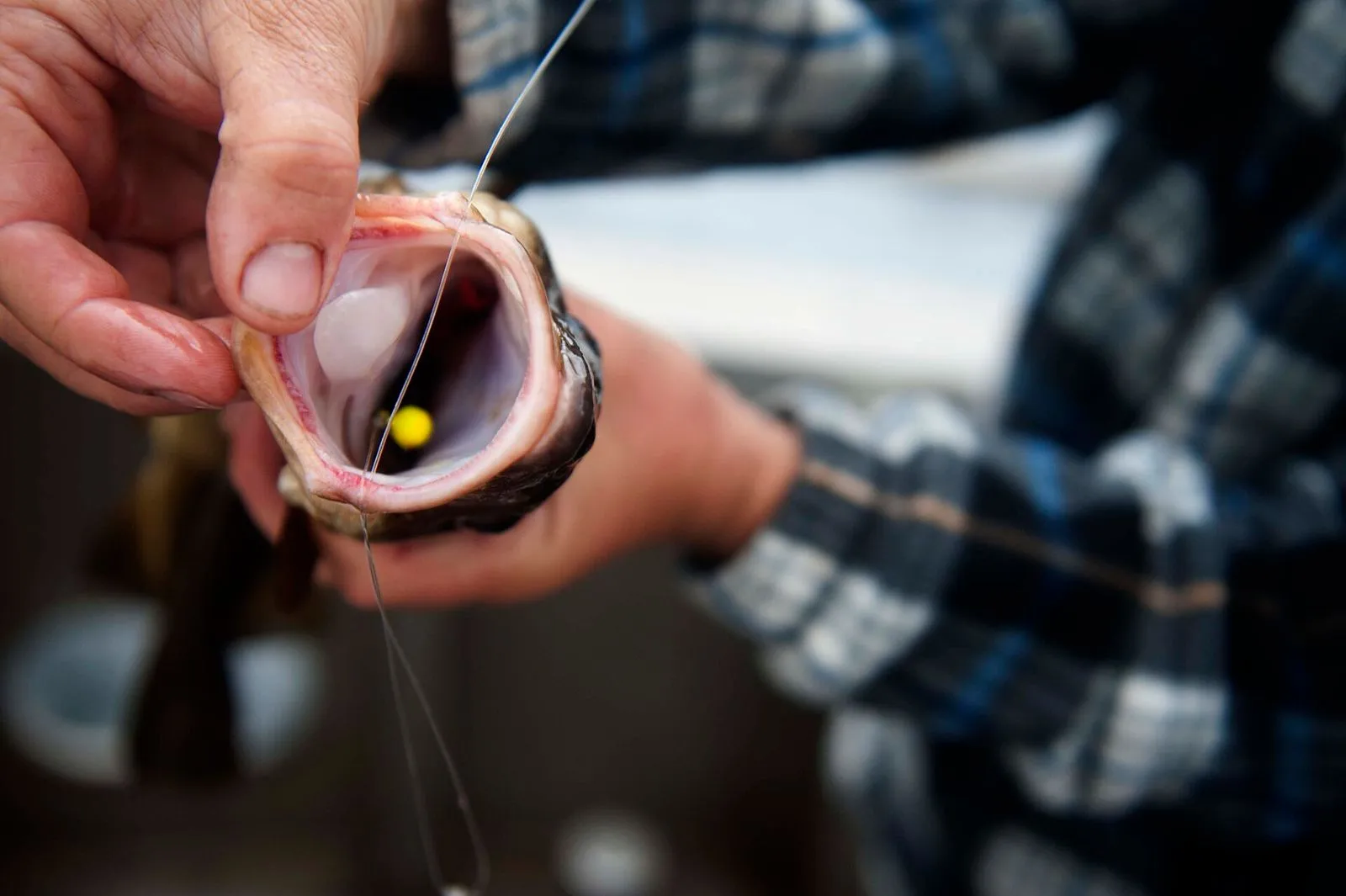 Do Fish Feel Pain? What the Studies Found, and What Decides Whether a Released Fish Lives
Do fish feel pain? They sense damage and react; whether they suffer is contested. The trout study, both camps, and what decides if a released fish lives.
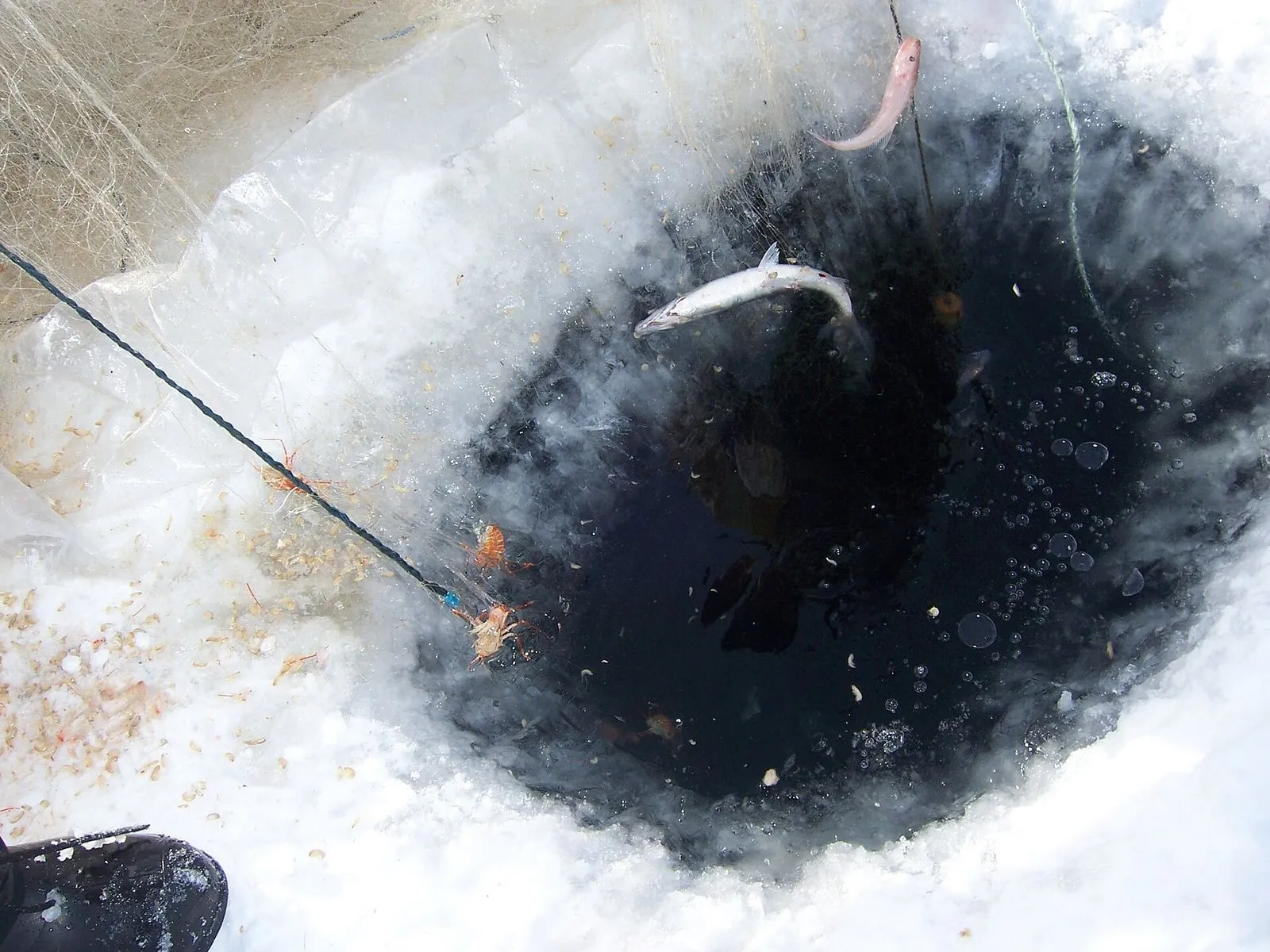 Do Fish Get Cold? What Winter Does to a Fish, and the Ones With Antifreeze in Their Blood
Do fish get cold? Yes: a fish is as cold as its water and feels it as slowness. What fish do in winter, who carries antifreeze, and how to fish cold water.
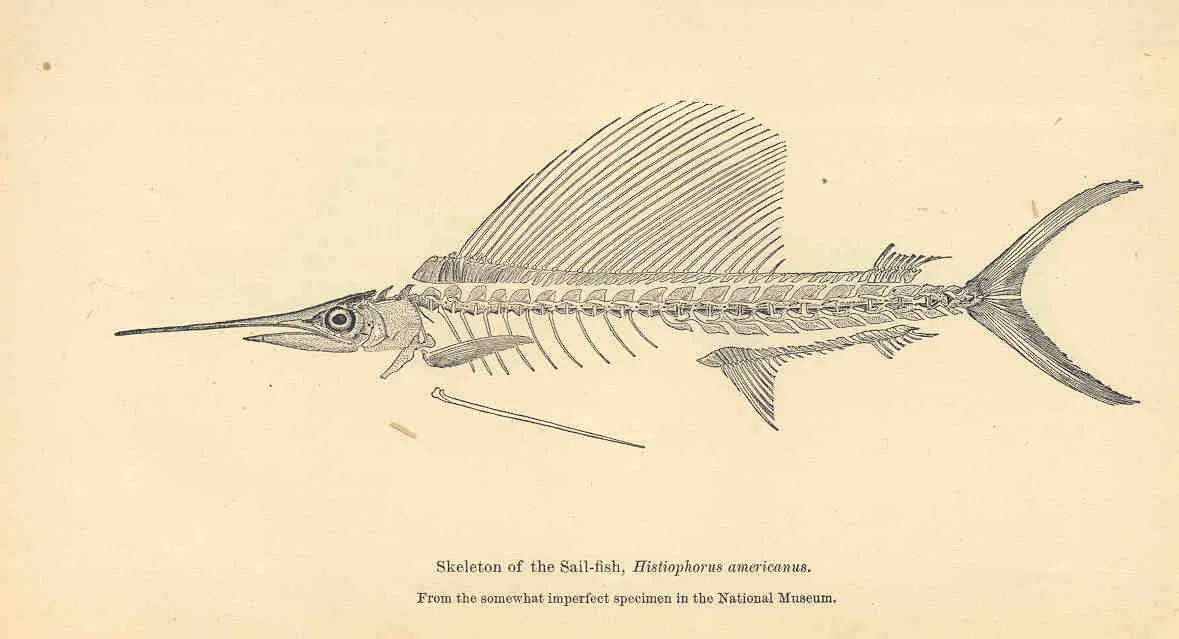 Do Fish Have Bones, Hearts and Blood? What Is Inside a Fish
Do fish have bones? Most do; sharks run on cartilage and 16 icefish have clear blood. How skeleton, heart and blood work, and what it means for your fillets.