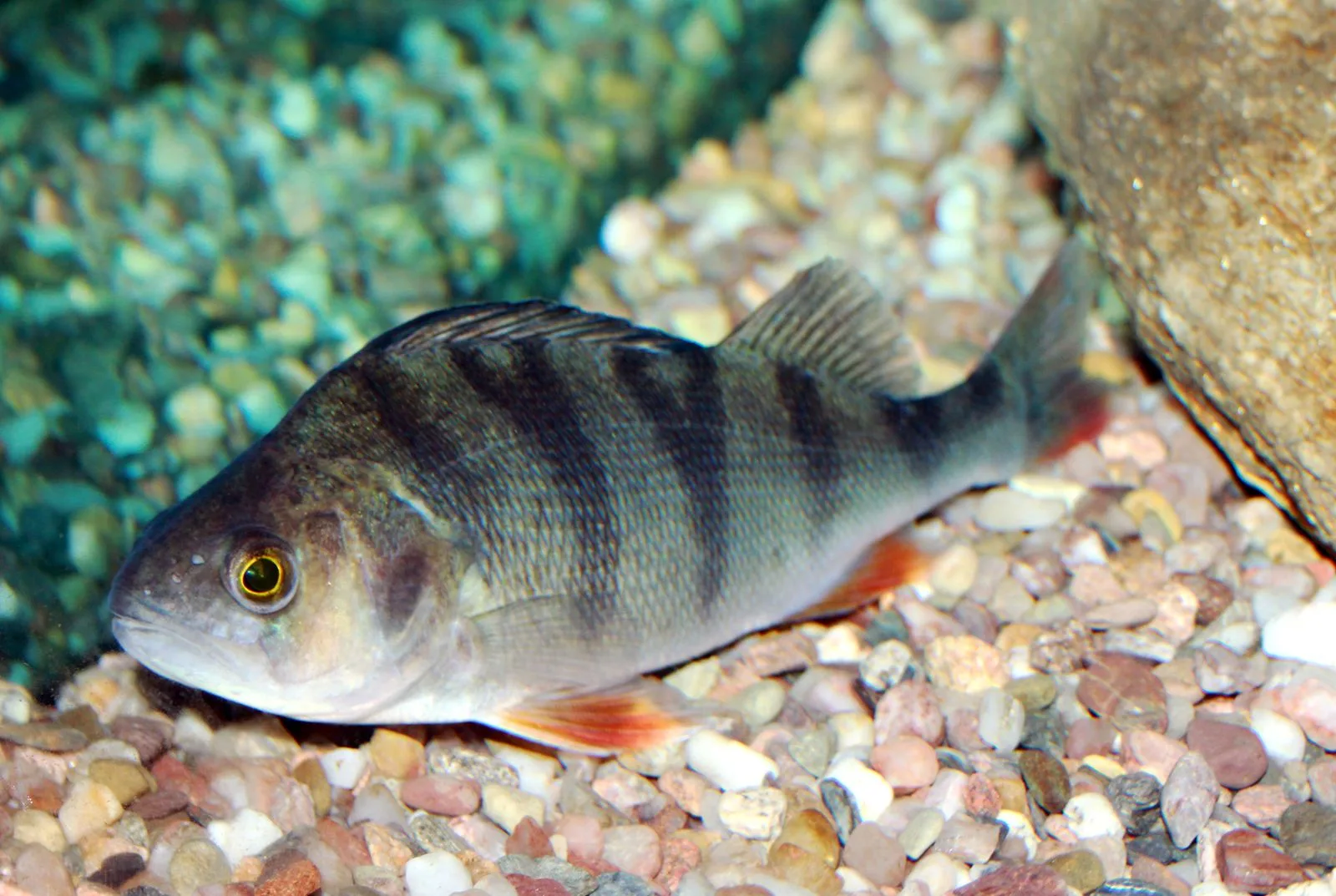
A true perch is one of only three fish, all in the genus Perca: the yellow perch of North America, the European perch and the Balkhash perch of Central Asia. All three are gold to green with dark vertical bars, two separate dorsal fins and no canine teeth. Nearly every other fish caught, sold or ordered as “perch” is borrowing the name. White perch is a temperate bass, ocean perch is a rockfish, and Nile perch belongs to a family of its own.
The “ocean perch” fillet in a supermarket freezer is a rockfish. NOAA Fisheries says the Pacific ocean perch grows so slowly that it may live to be 98 years old.
Which fish are true perches?
The three Perca species are close to identical. The yellow perch is smaller and paler than the European perch, which has red-orange lower fins. Introduced to Australia and New Zealand, it goes by redfin there. The Balkhash perch lives in Lake Balkhash and nearby waters of Kazakhstan, Uzbekistan and China, at about 3 lb 5 oz (1.5 kg).
All three are freshwater fish of lakes and rivers, though FishBase records the European perch in brackish water too. Every saltwater “perch” in the table below is something else.
The family is much larger than the genus. The Percidae hold nearly 250 species, and almost all of that diversity is the darters: small, bottom-hugging fish of eastern North America. Leave the darters out and the family has about 20 species. The walleye, the sauger, Europe’s zander and the ruffe are among them. They are the perch’s cousins, not perches.
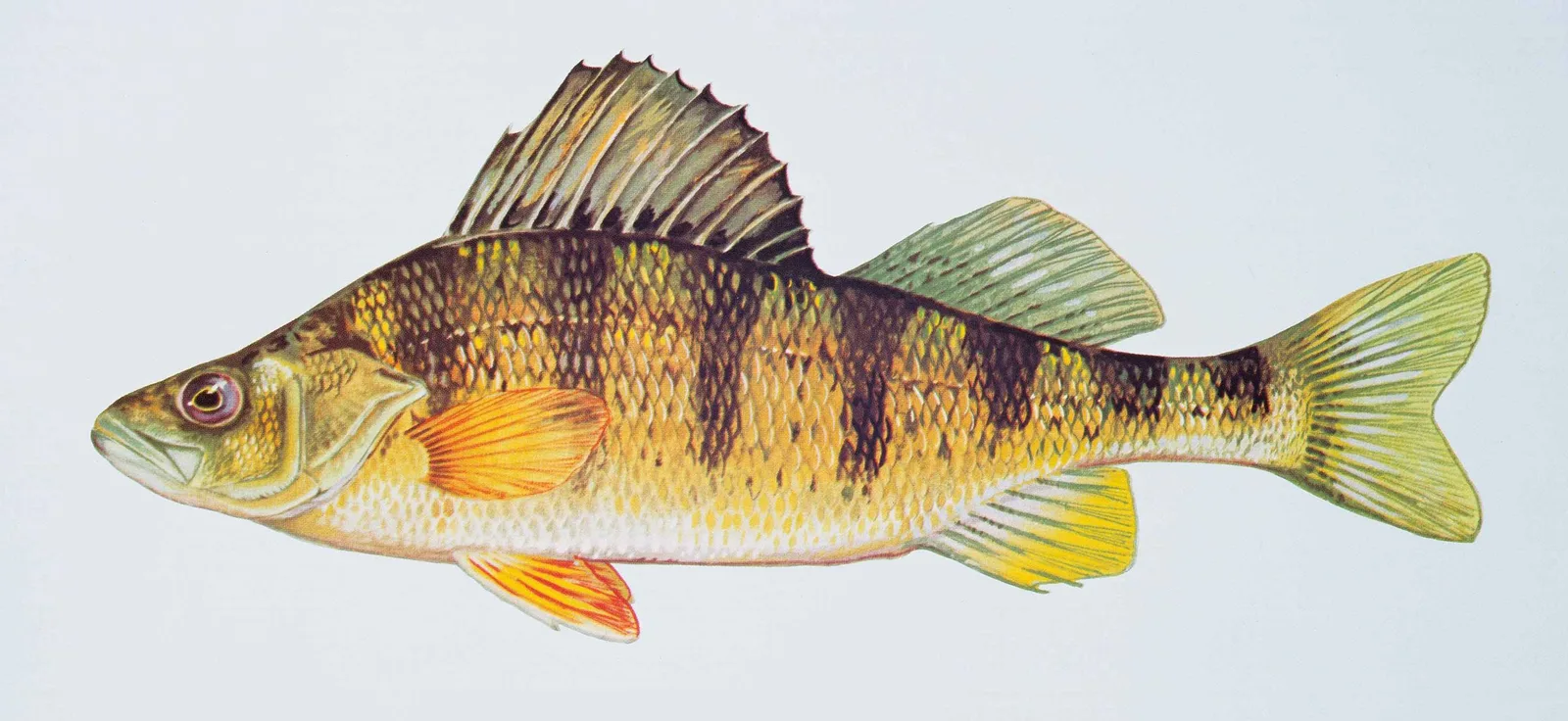
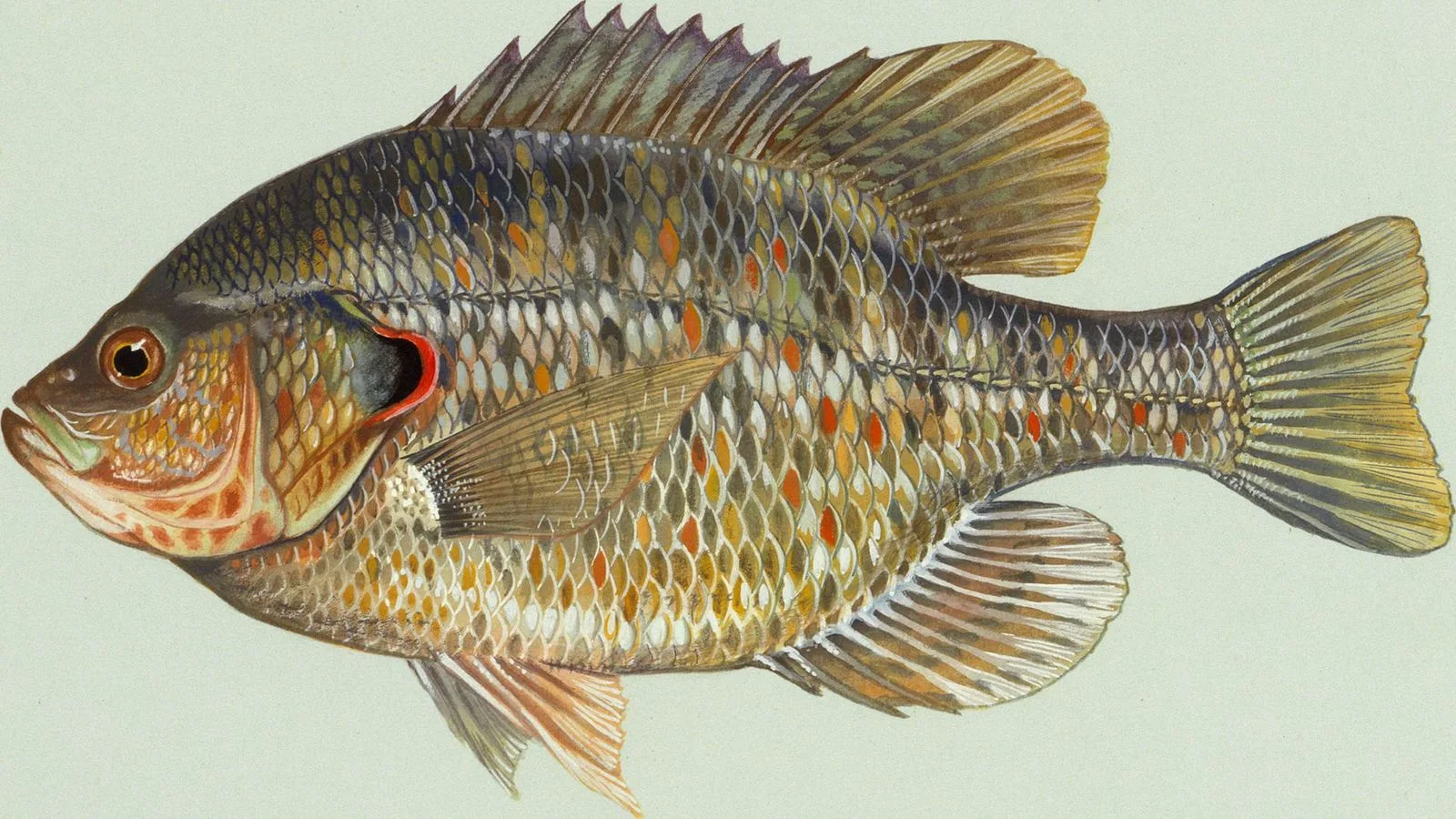
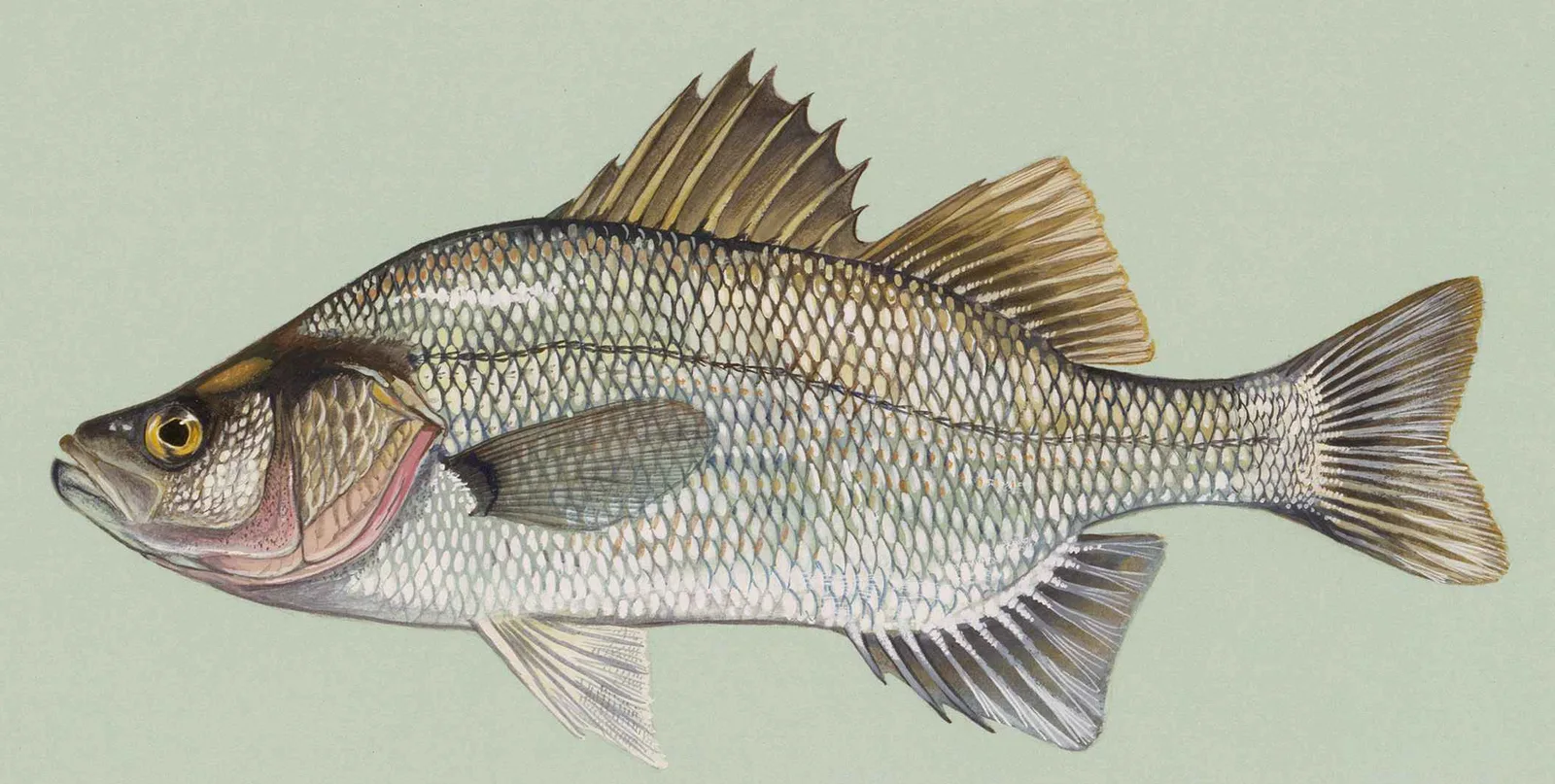
The yellow perch, North America’s only true perch. Illustration: Duane Raver, U.S. Fish and Wildlife Service (public domain).
The yellow perch is the one an American angler means. It has the full species profile, from how old a 10 in fish is to the 1865 world record.
How big do perch get?
The yellow perch is the small one. Most run 6–10 in (15–25 cm) and under a pound, and the world record has stood at 4 lb 3 oz (1.9 kg) since 1865. The European perch grows larger and lives longer. FishBase gives its common length as about 10 in (25 cm), with fish up to 22 years old on record. The IGFA record is 6 lb 6 oz (2.9 kg), caught in the Åland Islands of Finland in 2010.
Field & Stream calls any perch over a pound and 13 in a trophy, so a 2 lb fish is one anywhere. A 3 lb yellow perch would beat Ohio’s state record of 2.86 lb and tie Pennsylvania’s. The bigger “perch” in the record books are the impostors in the table below.
Free card: what 26 species do at your water temperature
Plus one email a week on what's biting now. No sales pitches. Privacy.
What other names does the perch go by?
The yellow perch carries a string of local names, and the IGFA lists most of them: lake perch, American perch, ringed perch, striped perch, coon perch and jack perch. The FDA list adds redfin and ring perch. The European perch is the English perch, river perch or redfin, and in Australia and New Zealand the redfin perch. All of those name a true perch.
The trouble runs the other way: names with “perch” in them that belong to something else. That list is longer.
Every fish called perch, and what it really is
The table lists what each “perch” is, where it lives, and the heaviest one in the International Game Fish Association’s record book. A dash means the IGFA keeps no record for that fish.
| Fish | What it really is | Where it lives | IGFA all-tackle record |
|---|---|---|---|
| Yellow perch | True perch (Perca flavescens) | Northern US and Canada; stocked widely | 4 lb 3 oz (1.91 kg), New Jersey, 1865 |
| European perch | True perch (Perca fluviatilis) | Europe and northern Asia; redfin in Australia | 6 lb 6 oz (2.9 kg), Åland Islands, Finland, 2010 |
| White perch | Temperate bass, the striped bass family | Atlantic estuaries; invaded the Great Lakes | 3 lb 8 oz (1.59 kg), Massachusetts, 2016 |
| Sacramento perch | Sunfish | California, the only sunfish native west of the Rockies | 3 lb 3 oz (1.44 kg), Crowley Lake, 1995 |
| Speckled perch | Black crappie, a sunfish | Florida’s name for it | 5 lb 7 oz (2.47 kg), as black crappie |
| Sunperch, sun perch | Bluegill and redear, both sunfish | The South | 4 lb 12 oz (2.15 kg), as bluegill |
| Pacific ocean perch | Rockfish (Sebastes alutus) | Deep Pacific slope, California to the Aleutians | — |
| Ocean perch, Acadian redfish | Rockfish (Sebastes fasciatus) | Gulf of Maine and the North Atlantic | 2 lb 8 oz (1.13 kg), Iceland, 2010 |
| Surfperch | Embiotocidae, a family that bears live young | Pacific coast, Baja California to Alaska | 4 lb 12 oz (2.15 kg), barred surfperch, California, 2016 |
| Silver perch | A drum, the croaker family | Inshore, New York to Mexico | — |
| Nile perch | Lates, family Latidae | African rivers and lakes | 230 lb (104.3 kg), Lake Nasser, Egypt, 2000 |
| Barramundi, “giant perch” | Lates, family Latidae | Indo-West Pacific and northern Australia | 98 lb 6 oz (44.6 kg), Queensland, 2010 |
| Zander, “pike-perch” | Percid, Europe’s walleye | Europe | 25 lb 4 oz (11.5 kg), Switzerland, 2016 |
| Walleye and sauger | Percids, not perches | North America | 25 lb (11.3 kg) walleye, 1960; 8 lb 12 oz (4 kg) sauger, 1971 |
Three of these deserve a second look. The white perch is a small relative of the striped bass and the white bass, in the family the glossary calls the temperate basses.
The Sacramento perch is the odd one: a sunfish, like the bluegill, that the California Department of Fish and Wildlife describes as displaced from most of its native Central Valley range. It now lives mainly in ponds and reservoirs where it was stocked.
The Nile perch is the giant. The U.S. Geological Survey puts its maximum at about 2 m (6.6 ft) and 200 kg (440 lb). Texas stocked it and two other Lates in reservoirs from 1978 to 1985, hoping for a sport fish. One of 27.2 kg (60 lb) was collected from Smithers Reservoir in January 1990; it is thought to have died of the cold.
How do you tell a true perch from the rest?
Three marks settle it in the hand. A true perch has dark vertical bars on a gold or green body. It has two clearly separate dorsal fins, the front one all spines. And Michigan’s biologists point to the teeth: a yellow perch has no canine teeth, where a walleye has them.
The impostors fail at least one test. A white perch is silvery with no bars at all, and its two dorsal fins are joined by a notch. Ocean perch are red saltwater fish. A Florida speckled perch is a black crappie, speckled all over with no bars. A surfperch is deep-bodied, flattened, and lives in the surf.
The panfish hub sets the yellow perch beside the crappies and sunfish it shares lakes with, if the fish in your hand is one of those.
Is perch good to eat?
Yes, and the true perch is the reason for the reputation. Yellow perch is the fish-fry fish of the lower Great Lakes: small white fillets that fry in minutes. Minnesota’s health department, in its August 2026 statewide guidelines, puts yellow perch in its least restricted group. Men, and women who will not become pregnant, may eat up to four servings a week outside Cook, Lake and St. Louis counties, where it is one. Children under 15 and anyone who is pregnant, may become pregnant or is breastfeeding may eat one a week, and one a month in those three counties.
Store-bought “perch” is usually something else. U.S. labeling rules in the FDA Seafood List allow the plain market name “perch” for the yellow perch, the European perch and a small Pacific sea chub called the zebra perch, and nothing else. The Atlantic redfishes must be sold as “ocean perch”; the Pacific ocean perch may be sold as “ocean perch” or “rockfish”, and other rockfish as “rockfish”. Lates niloticus must be labeled “Nile perch”. So the frozen block marked ocean perch is a red, deep-water rockfish. NOAA describes its raw flesh as white, low in saturated fat and very high in selenium.
Cod is not a perch either. It is a saltwater fish of the genus Gadus, family Gadidae, from the cold North Atlantic and North Pacific.
The white perch is good eating too, but check where it came from. On the Hudson River below Catskill, New York’s health department limits white perch to one meal a month for PCBs; the white perch page has the details.
Are perch and tilapia the same fish?
No. Tilapia are cichlids, nearly a hundred species native to Africa and the Middle East. Perch are percids. The two share a word only in one name: the Nile perch and the Nile tilapia both come from African waters.
That pairing has a dark history. When the Nile perch was introduced to Lake Victoria in the 1950s, it fed first on the lake’s native cichlids. The U.S. Geological Survey says it caused the extinction of at least 200 endemic fish species, and the IUCN’s Invasive Species Specialist Group lists it among the world’s 100 worst invasive species.
Why is perch so expensive?
Because the biggest source of wild yellow perch is shrinking. Lake Erie’s perch catch is set each year as a lakewide quota. It was 6.554 million lb in 2024 and 5.866 million lb in 2025. For 2026 the lake’s Yellow Perch Task Group advised cutting it again in three of its four management units. Ontario’s commercial gill-net fleet took 70% of the 2025 harvest.
Prices moved with it: in 2016, CBC News reported a Wheatley, Ontario, processor selling perch at CA$15–15.50 a pound, up from $10.50–11.95 a year earlier. “Lake perch” on a menu is the yellow perch’s own common name on the FDA list and the fish behind those prices.
Is perch a bottom feeder?
Near the bottom, yes; a scavenger, no. Yellow perch hunt by sight in daylight. They take insects, crayfish, minnows and fish eggs off the bottom and out of open water. After dark, Michigan’s biologists write, they rest on the bottom and stop feeding. The yellow perch page gives the two agency views side by side.
For anglers that means daytime fishing with the bait close to the bottom. The perch fishing guide covers the rigs and the season-by-season depths.
Where the name comes from
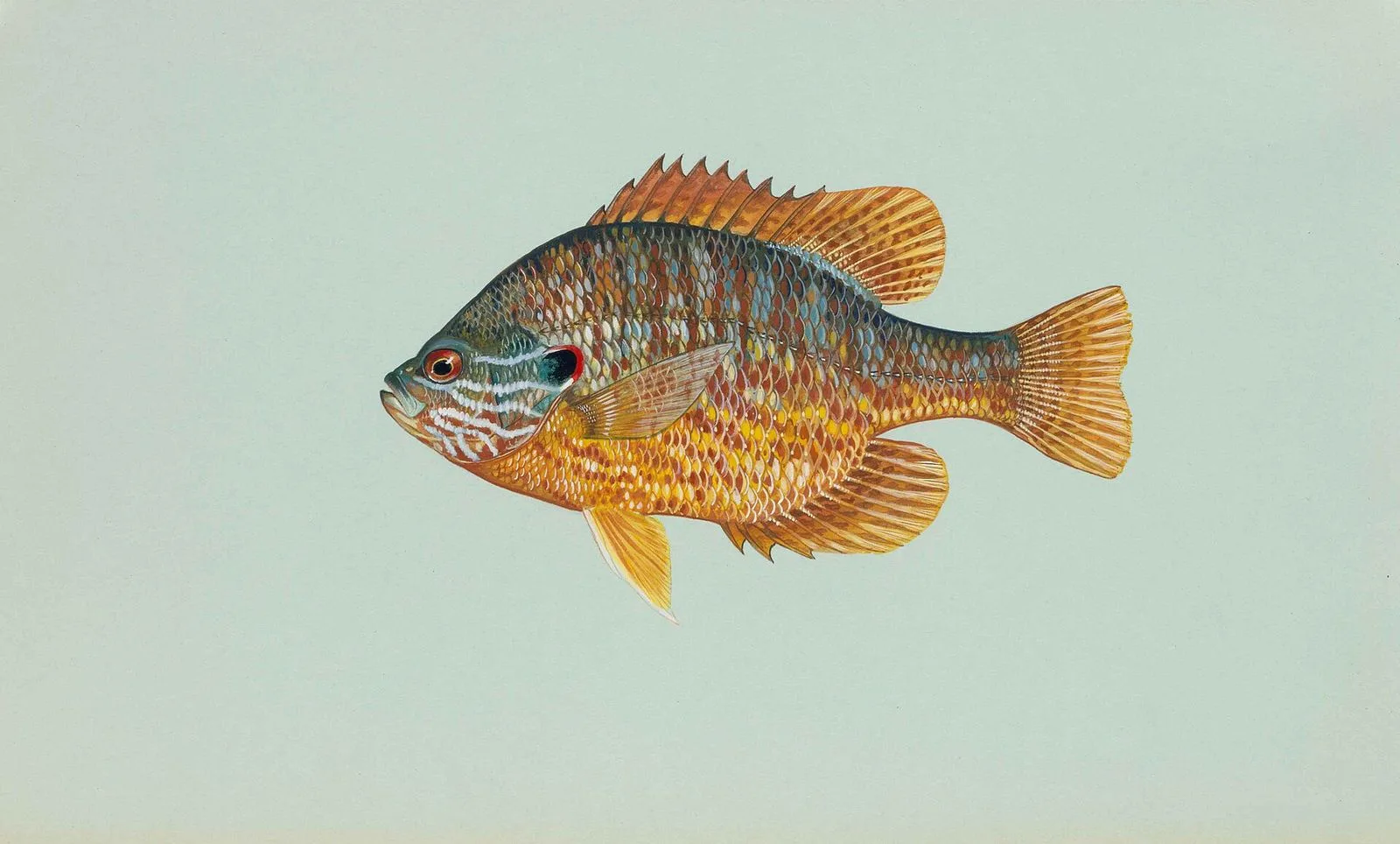
“Perch” comes from the Greek perke, the ancient name of the European perch. The name traveled with the fish’s shape. The FDA keeps a list of local names that may not appear on a label, and it shows how far. Smallmouth bass are “black perch” in places, and the cunner, a small Atlantic wrasse, is “sea perch”. Texas Parks and Wildlife lists “perch” and “sunperch” among the bluegill’s names. In the South, “perch” usually means a sunfish, the fish locals call bream. In a Florida bait shop, it means a crappie. Only Perca is the real thing.
Free download
The water temperature card
Read your water temperature and the card tells you who is spawning, who is feeding and what to throw. 26 species, 16 pages, for your phone and the tackle box.
Plus one email a week on what's biting now. No sales pitches. Privacy.
Related
Section guide
Panfish: Which Fish Count and How to Tell Them ApartPanfish are bluegill, the sunfish, crappie and yellow perch. Tell 9 sunfish apart by the ear flap, plus records and limits from 50 a day to none in Texas.
 Bream Fish: What Southern Anglers Mean, and Which Bream You Have
In the South a bream is any sunfish, the bluegill first. In Europe it is a carp relative, on a menu a sea bream. How to tell which bream you have.
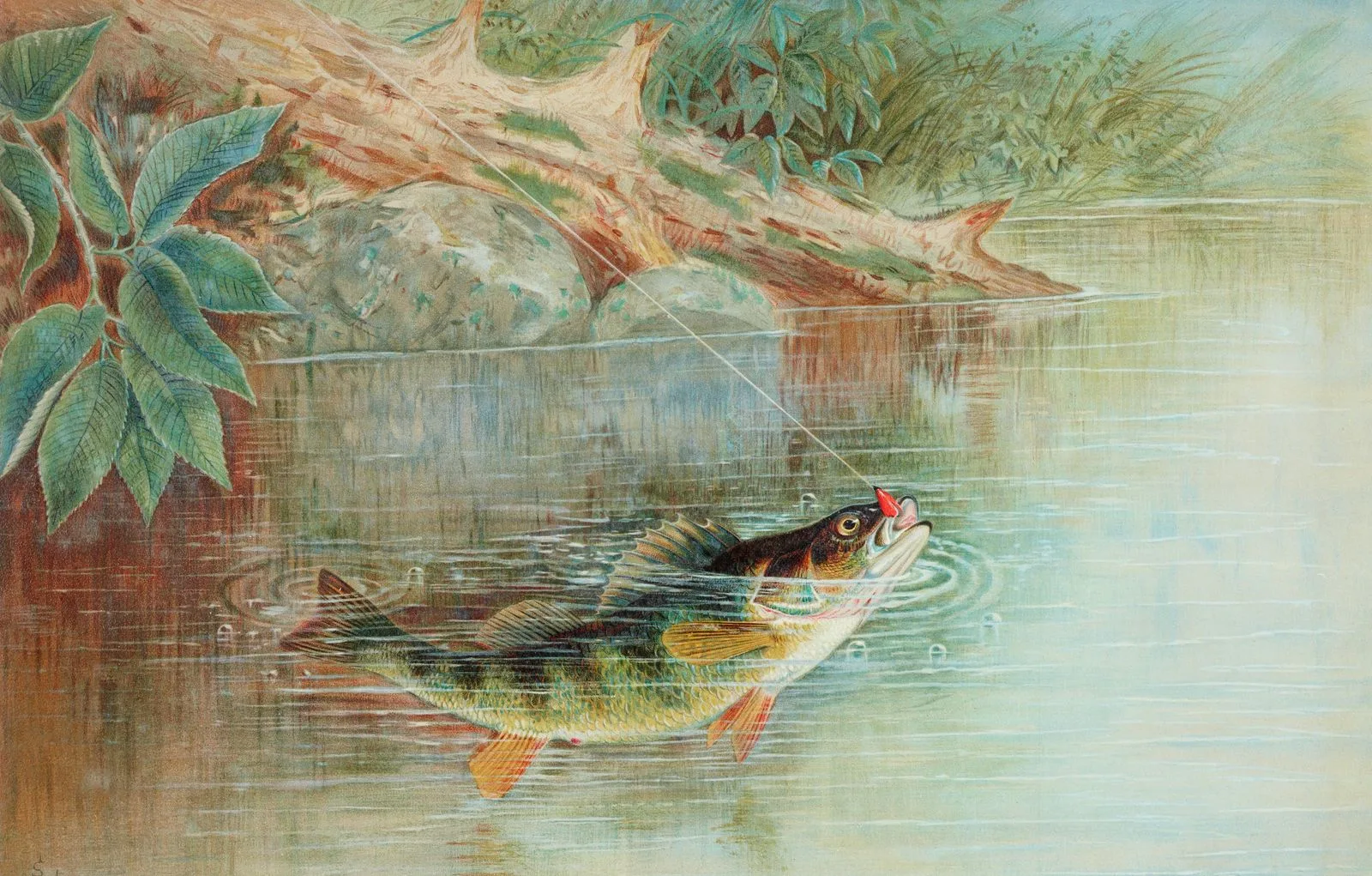 Perch Fishing: Where to Find Them, the Rigs That Work, and When They Bite
How to catch yellow perch: where the schools sit each season, the spreader and jig rigs, how far off the bottom to fish, the bait, and the ice.
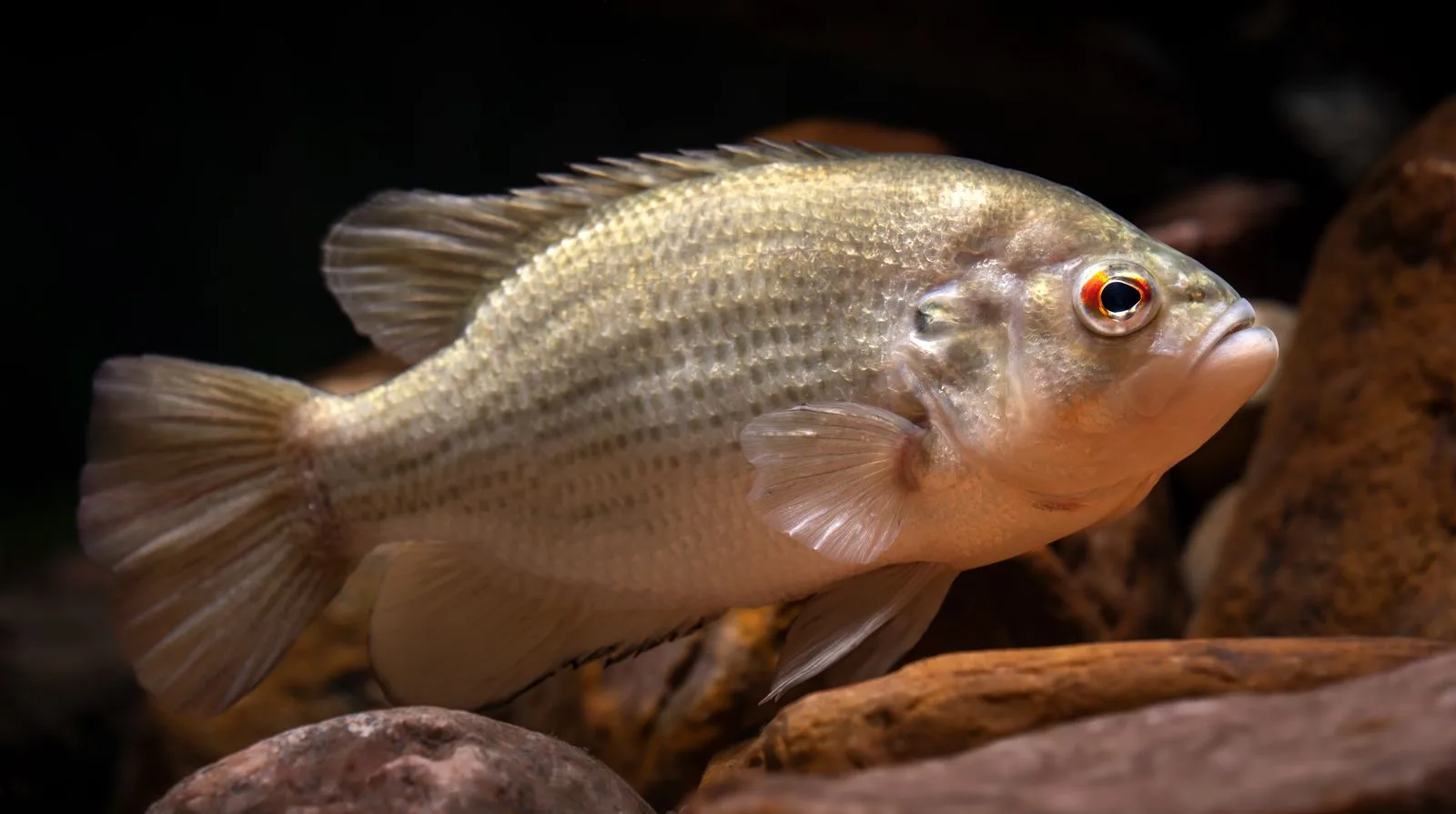 Rock Bass: How to Identify, Find and Catch the Goggle-Eye
How to tell a rock bass from a warmouth or a smallmouth, where it lives, what it bites, how big it gets and the 3 lb world record that is a tie.
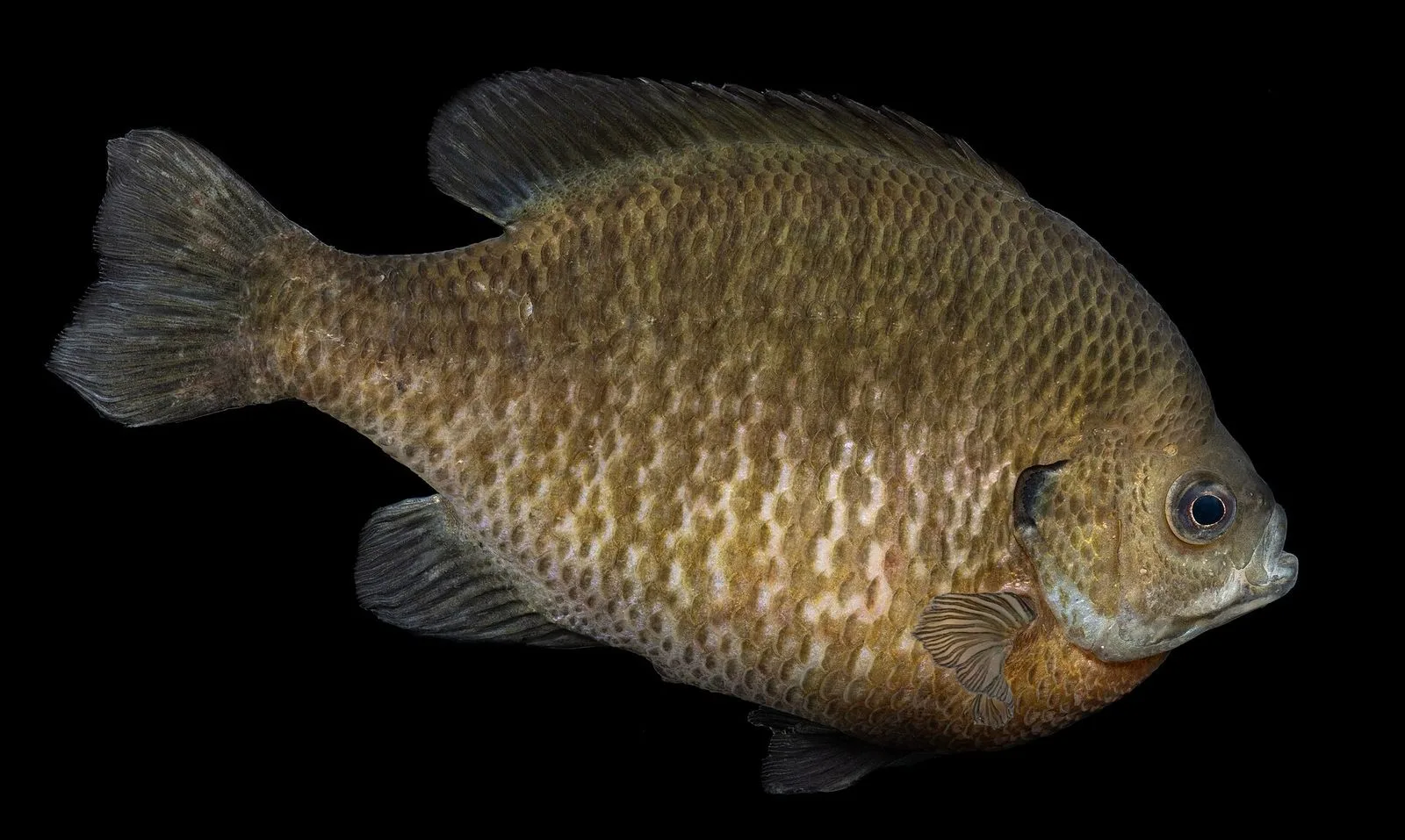 Bluegill: How to Identify It, How Big It Gets and How It Spawns
How to identify a bluegill, how old an 8- or 10-inch fish is, why a pound is a trophy, the 4 lb 12 oz record and the sneaker males on the beds.
 White Perch: The Striped Bass Cousin That Is Not a Perch
The white perch is a temperate bass, not a perch: how to tell it from yellow perch and white bass, its Great Lakes invasion, spawning and the record.
- Yellow Perch: Identification, Size by Age, and the 1865 Record
Yellow perch (Perca flavescens): how to tell it from walleye, how old a 10-inch perch is, whether it is a bottom feeder, and the 1865 record.
Sources
- U.S. Food and Drug Administration, The Seafood List (acceptable market names for 'perch')
- IGFA world record search (yellow, European, white, Sacramento and Nile perch, Acadian redfish, barramundi, barred surfperch, zander, walleye, sauger)
- NOAA Fisheries, Pacific ocean perch
- NOAA Fisheries, Acadian redfish (ocean perch)
- USGS Nonindigenous Aquatic Species, Nile perch (Lates niloticus)
- USGS Nonindigenous Aquatic Species, white perch (Morone americana)
- IUCN Global Invasive Species Database, Lates niloticus
- Field & Stream, How to catch a mess of jumbo perch (trophy size)
- Michigan DNR, yellow perch species profile (teeth, bars, feeding)
- Michigan DNR, walleye species profile (canine teeth)
- Game & Fish, New Ohio state record yellow perch (2.86 lb, Grand River, April 18, 2016)
- PFBC, Pennsylvania state record fish (yellow perch 3 lb 0 oz, Lake Erie, 2021)
- Florida Fish and Wildlife Conservation Commission, black crappie (speckled perch)
- California Department of Fish and Wildlife, Sacramento perch
- Sacramento perch (the only sunfish native west of the Rocky Mountains)
- Bairdiella chrysoura, the American silver perch (a drum, family Sciaenidae; New York to Mexico)
- Texas Parks and Wildlife, bluegill (other names)
- Minnesota Department of Health, fish consumption guidelines (updated August 2026)
- New York State Department of Health, Hudson River fish advisories (white perch below Catskill)
- Lake Erie Yellow Perch Task Group, report to the Lake Erie Committee, March 2026 (2024–2025 quotas, 2026 advice)
- CBC News (2016), yellow perch price rise
- FishBase, Perca fluviatilis (European perch): common length, age, fresh and brackish water
- Perch (the genus Perca and its three species)
- Percidae (family size and the darters)
- Surfperch (family Embiotocidae)
- Nile perch (Lake Victoria introduction)
- Tilapia (cichlid tribes)
- Cod (genus Gadus, family Gadidae)