 By
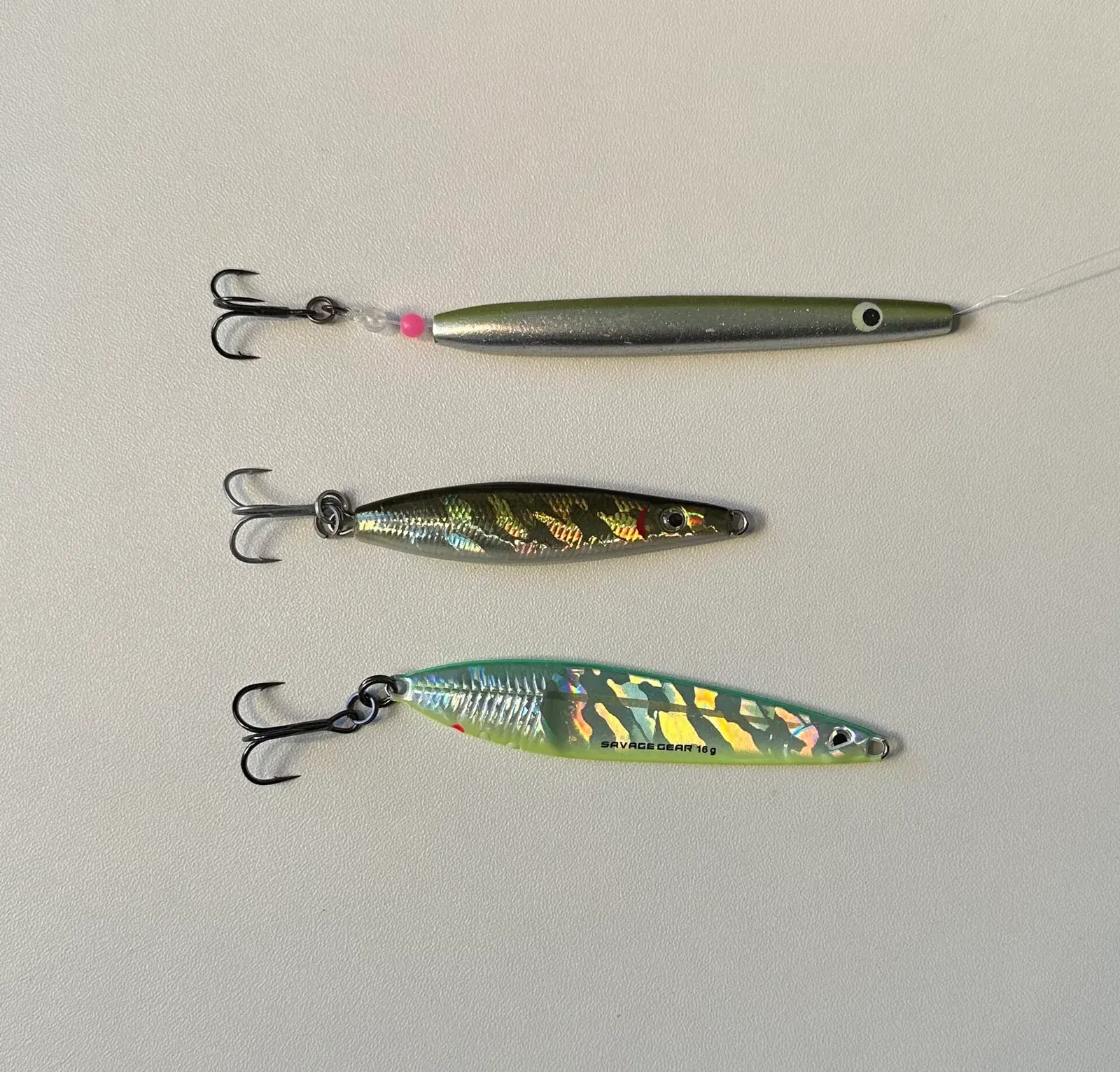
Most trout lures weigh between 1/64 and 1/4 oz, and five types cover nearly every situation a spin angler meets: the inline spinner, the spoon, the micro jig, the sinking minnow and the jerkbait. Trout eat small things, so choose size first, depth second and color last. On a small stream, start with a 1/16 oz spinner; from a lake shore, with a 1/8 oz spoon.
A Rapala CountDown sinks at a steady one foot per second. Count to five and it runs five feet down; count to five on every cast and you fish the same depth all day.
Reaction lure or food lure?
Jeff Smith of Leland’s Lures, the maker of the Trout Magnet, and guide David Taylor split trout lures into two jobs. A reaction lure is a “crankbait, jerkbait, spoon or spinner”: it moves fast, flashes, and draws a strike from a trout that was not planning to eat. It covers water and finds fish. A food lure, in their words, is “something like a small plastic on a jighead, a hair jig or a fly”, fished slowly enough to be eaten by a trout that is feeding. Under a float, a jig or a nymph drifts at the speed of the current, which is the point.
They call the pair a “one-two punch”. Search with the reaction lure; when a fish hits or follows, slow down and feed the school the food lure. Smith’s reason is short: “When you find rainbows, they have buddies.”
Which five lures cover trout fishing?
The sizes below are the trout sizes from the makers’ own charts, not the whole range each lure comes in.
| Lure | Trout sizes | Where it works | How to fish it |
|---|---|---|---|
| Inline spinner | 1/32–1/6 oz (0.9–4.7 g); Mepps #0–#2 | Streams and rivers, any trout; ponds for stocked fish | Cast up and across, let it swing, reel just fast enough to feel the blade turn |
| Spoon | 1/32–1/4 oz (0.9–7 g) | Lakes, big pools, big rivers; the long-casting lure | Cast, count down, steady retrieve with pauses; let it flutter on the drop |
| Micro jig | About 1/64–1/16 oz (0.4–1.8 g) | Stocked streams, clear water, slow pools | Under a float, drifting just off the bottom, or twitched through slack water |
| Sinking minnow | 1–2 in (2.5–5 cm), 1/16–3/16 oz | Brushy streams; lakes at a set depth | Count down, slow steady retrieve with twitches |
| Jerkbait | 2½–3⅛ in (6.4–8 cm), 1/8–1/4 oz | Big rivers and lakes; big browns | Twitch, twitch, pause; strikes come on the pause |
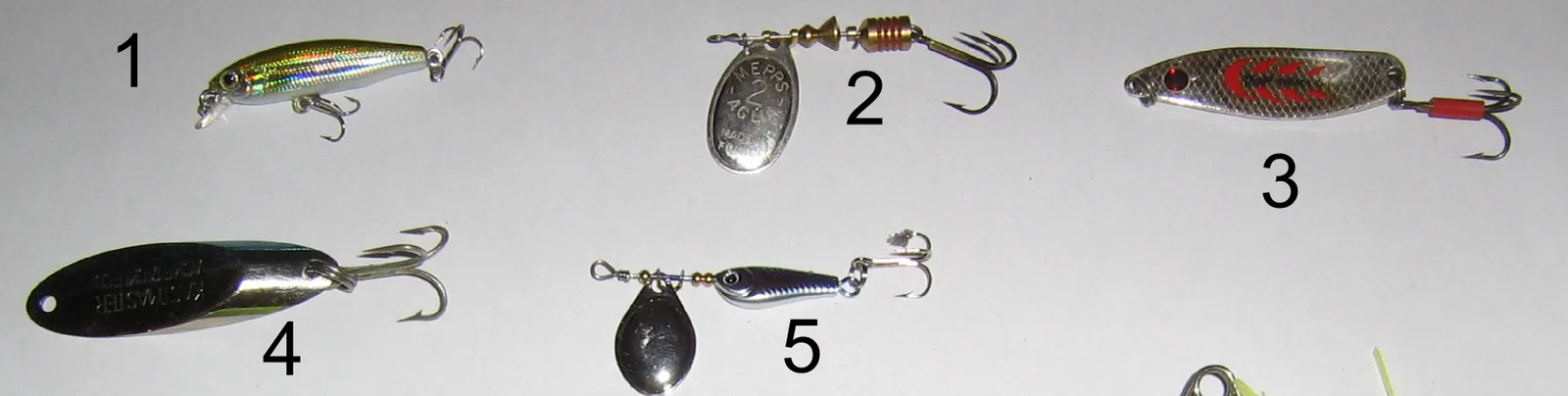 A minnow plug, a Mepps Aglia #2, a painted spoon, a Kastmaster and a tail-spinner. Photo: Lime82, Wikimedia Commons (CC BY-SA 3.0)
Inline spinners
A blade spinning around a wire shaft, a weighted body and a treble hook. The Mepps Aglia is the reference. Mepps puts the #00, #0 (1/12 oz) and #1 (1/8 oz) on small-stream brook, rainbow and brown trout, and the #2 (1/6 oz) and #3 on larger fish. A dressed Aglia carries a tuft of squirrel-tail hair on the treble, which Mepps uses for its rippling movement in the water. Mepps’s early-season advice is a small spinner no larger than a #1, and a #2 or #3 when heavy rain raises and darkens the river and puts big trout on the feed. Panther Martin, Blue Fox and the Rooster Tail make the same inline spinner, but the size numbers do not match across brands: a Panther Martin #2 weighs 1/16 oz, a Mepps #2 more than twice that.
Spoons
A curved piece of metal that wobbles and flashes. It casts farther than anything else its size, so it is the lure for lakes and big water. Acme sells the Kastmaster, a compact slab, as the distance caster. Its chart puts the 1/32 to 1/12 oz sizes on 2–4 lb line for trout, and the 1/8 and 1/4 oz on ultralight and light spinning gear. Thin spoons do something else. The Acme Phoebe flutters or spins depending on retrieve speed, and the Thomas Buoyant, in 1/6 and 1/4 oz, wobbles and darts on a moderately slow retrieve.
Micro jigs
A jighead of about 1/64 to 1/16 oz with a small soft body or a tuft of hair. Under a float it drifts through a run at the speed of the current, just off the bottom. The Trout Magnet is the best known: a 1/64 oz shad-dart head on an extra-long size 8 hook that hangs the body flat instead of nose-down. This is the food lure of spinning gear, the one to tie on when trout follow a spinner and turn away.
Sinking minnows
A small balsa minnow that sinks at a known rate. The trout sizes of the Rapala CountDown run from 1 in and 1/16 oz to 2 in and 3/16 oz, and all of them sink about one foot per second. Small ones slip through brushy stream cover where a spinner snags. In a lake, the count gives depth control no spinner can.
Jerkbaits
A slim, suspending minnow that you twitch and pause. Rapala’s Husky Jerk in its trout sizes is 2½ to 3⅛ in and runs 4–6 ft deep. The Leland’s guides, who sell mostly tiny jigs, put it plainly: “Cranks and jerkbaits can be effective for trout too, especially bigger trout.” A brown that has switched to eating minnows is the fish it is for, and Outdoor Life’s short rule agrees: “big baits catch big fish.” The jerkbaits page has the cadences.
Free PDF · Water temperature chart When do trout bite?
One water temperature reading, and the 16-page chart tells you who's spawning, who's feeding hard, where they sit and what to throw. 26 fish, every number sourced.
Enter your email, confirm it with one click, and the PDF is in your inbox. Plus one email a week on what's biting. Unsubscribe anytime. Privacy.
Which lure should you tie on first?
- Small stream, brook trout or small rainbows: a 1/16 oz inline spinner, the size the Oregon Department of Fish and Wildlife (ODFW) puts in its starter kit; we would spool 4 lb line.
- Bigger river, rainbows or browns: a 1/8–1/6 oz spinner, Mepps #1 or #2, fished upstream for browns.
- Lake from shore: a 1/8 oz spoon, counted down to a new depth every few casts.
- Pond of fresh stockers: a 1/64 oz jig under a float, or a 1/16 oz spinner in a bright color.
- Trout follow and turn away: switch from the reaction lure to the food lure, a micro jig drifted slowly.
- Big brown in a river: a jerkbait or a #2–#3 spinner, worked upstream at dawn or late evening.
- Winter steelhead: a Mepps #3 or #4 on 8 lb line.
What size lure for which trout?
The spinner column is Mepps’s own advice by species. The spoon column follows Acme’s Kastmaster chart, which rates the sizes up to 1/4 oz for trout and the heavier ones for large trout and steelhead; the splits inside the trout range are ours, matched to the spinner weights. The minnow column pairs Rapala sizes to the spinner by length; that pairing is ours, not Rapala’s.
| Trout | Spinner (Mepps) | Spoon (Kastmaster) | Minnow or jerkbait |
|---|---|---|---|
| Brook trout under 10 in (25 cm) | #0–#1 (1/12–1/8 oz; 2.4–3.5 g) | 1/32–1/12 oz (0.9–2.4 g) | CountDown, 1 in (2.5 cm) |
| Brook trout over 10 in | #2–#3 (1/6–1/4 oz; 4.7–7 g) | 1/12–1/8 oz (2.4–3.5 g) | CountDown, 1½ in (4 cm) |
| Stream rainbows | #1–#2 (1/8–1/6 oz; 3.5–4.7 g) | 1/12–1/8 oz (2.4–3.5 g) | CountDown, 1½–2 in (4–5 cm) |
| Browns up to 12 in (30 cm) | #1 (1/8 oz; 3.5 g) | 1/12–1/8 oz (2.4–3.5 g) | CountDown, 1½ in (4 cm) |
| Browns over 12 in | #2–#3 (1/6–1/4 oz; 4.7–7 g) | 1/8–1/4 oz (3.5–7 g) | Husky Jerk, 2½–3⅛ in (6.4–8 cm) |
| Winter steelhead | #3–#4 (1/4–1/3 oz; 7–9.4 g) on 8 lb | 3/4–1 oz (21–28 g) | Usually a float and jig instead |
Mepps makes one exception to its #1–#2 rule for rainbows: Great Lakes and Northwest rivers in winter, where it points to the steelhead sizes. Lake trout are a different game of deep trolling and jigging; Acme’s chart puts them on its 2 and 3 oz Kastmasters.
Rainbow, brown or brook trout: what changes?
Rainbows move in groups, so one strike means more fish in the same water. For rainbow trout in a stream, Mepps’s most consistent method is to cast across and let the spinner tumble down with the current. Steelhead are rainbows that run to big water and come back large; Mepps puts winter fish on a #3 or #4 and 8 lb line.
Browns are the strict ones. Mepps’s rule for brown trout is “Never fish a Brown Trout downstream.” Face upstream, cast toward ten o’clock, and retrieve as slowly as you can without snagging, so the spinner comes toward you as the current carries it. A big brown usually hits when the spinner starts to come straight at you. Browns are most active, in Mepps’s words, “at the crack of dawn or late evening”.
Brookies are the easy ones. Mepps says brook trout “are not too fussy about how the lure is presented”, which makes a small plain spinner the right first lure on a mountain creek. In summer, the trout water temperature decides when it is fair to fish at all.
Which color for which water?
Mepps does not name a best color. Its rule is contrast: a fish has to see the lure against whatever is behind it. Water clarity is the other half.
| Water | Start with |
|---|---|
| Clear | Small lures in natural, lighter colors |
| Murky or stained | Bright colors, or dark ones for a silhouette |
| Dark mud bottom | Silver blade |
| Light sand bottom | Copper or brass blade with a black tail |
| Freshly stocked rainbows | Bright, unnatural colors on a natural drift |
Outdoor Life gives the lure rule: smaller lures in natural colors in clear water, brighter or darker lures that stand out in dirty water. Fishing PNW puts the same rule for PowerBait in one line: “bright colors in murky or stained water, lighter colors when it’s clear.” The last row is the Leland’s guides’ rule for stockers: “unnatural colors presented naturally seem to always attract more rainbow trout.” The two bottom rows are Mepps’s, and it adds a detail about its blades: it plates them with real silver, which it says gives a bright white flash, and says chrome reflects black. Color is still the last thing to change; try a new depth or speed first.
How do you fish them in streams, lakes and ponds?
Streams and rivers. ODFW’s method is the standard one. Cast the spinner slightly upriver and reel in the slack. As the current carries it down, hold as much line off the water as you can so it drifts naturally. Once it has swung toward the bank and hangs straight downriver, begin a moderate retrieve. Our addition: work the seams where fast water meets slow; trout hold on the slow side.
Lakes and ponds. Cast a spoon or a CountDown, let it sink, and start the retrieve. ODFW’s advice is to vary both the sink time and the reeling speed until fish answer, then repeat what worked. To troll a spinner in a lake, Mepps says to go slowly, “just fast enough to keep your spinner off the bottom and the blade turning”.
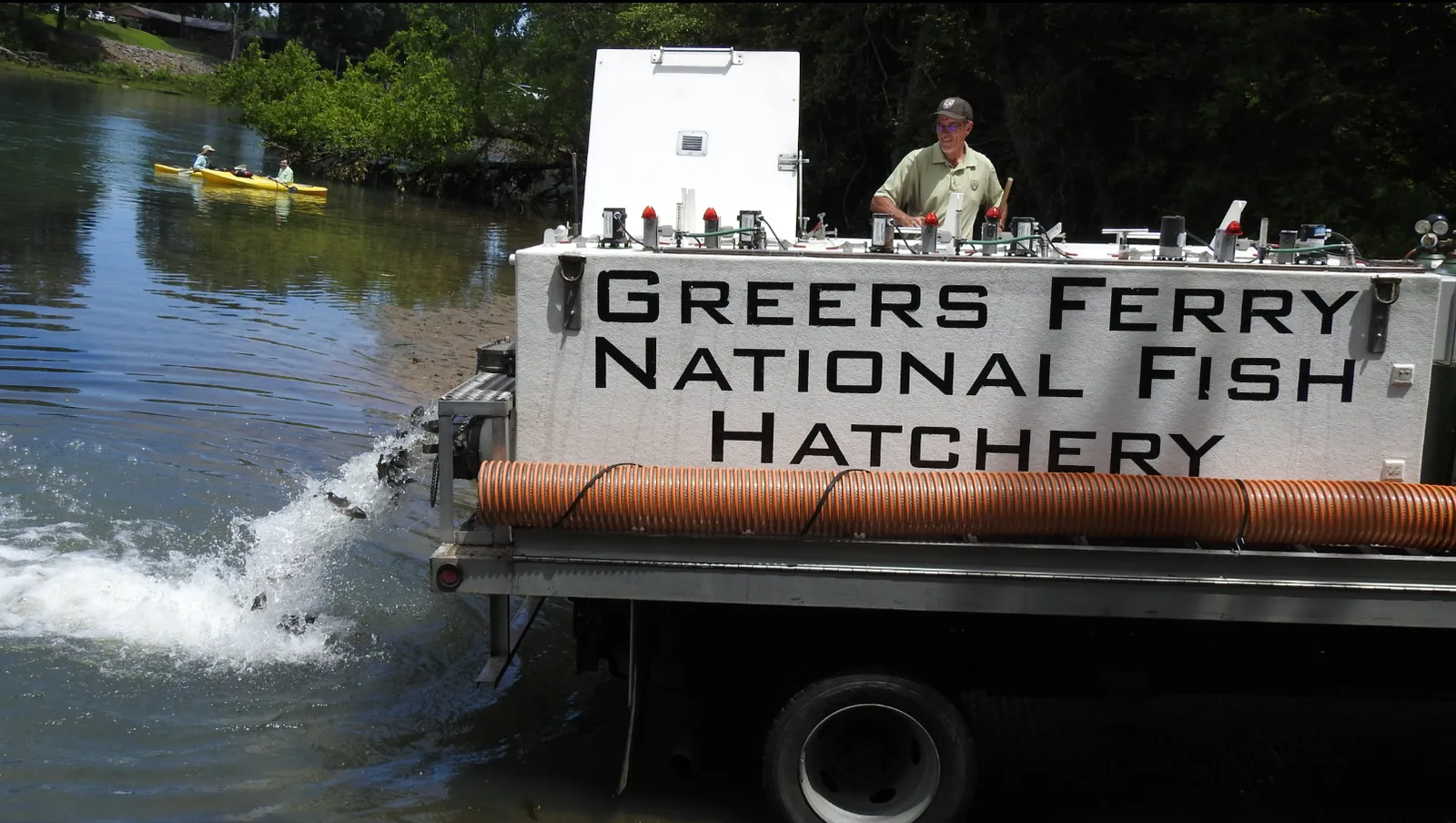
Stocked water. Fresh stockers often hold as a school in one pool or along one bank. Search with a 1/16 oz spinner; when one hits, switch to a 1/64 oz jig under a float and work the same water slowly. That is the one-two punch on a put-and-take pond.
What line, and how do you stop line twist?
Light line lets a small lure move and casts it farther. Mepps’s own line chart sets 4 lb test as the maximum for its #0 and #1 spinners, the ones of 1/8 oz or less. The #2 and #3 get 6 lb. The #4 and #5 go to 8 or 10 lb. So the answer to 4 lb or 6 lb for stream trout depends on the lure: the lighter line for the smallest spinners, the heavier one from a #2 up. Mepps itself goes heavier than its chart in heavy weed cover.
Tie the lure directly to the line with an improved clinch knot, the knot Mepps recommends. Every spinner puts some twist in the line. Blue Fox says the Vibrax’s design virtually eliminates it, and Acme says the Kastmaster’s balance gives action without twist.
For a swivel, Mepps’s method is a very small ball-bearing snap swivel on the main line and an 18 in (46 cm) leader of lighter line to the lure, never a big swivel tied straight to the spinner. The other common fix is a small barrel swivel a foot or two up the line. Both work; Mepps’s is the maker’s own.
What about single-hook and lures-only water?
Some trout water allows only artificial lures, single hooks or barbless hooks. The rules change from stream to stream, so read your state’s regulations before you rig. Blue Fox ships the Vibrax in sizes 3 to 6 with a siwash single hook. Mepps sells its plain Aglias with either a treble or a single hook. Yakima makes single-hook Rooster Tails in most sizes, a #4 single at 1/6 oz and a #2 at 1/4 oz. To fish barbless, pinch the barb flat with pliers.
Where lures fit beside bait and flies in a day’s plan is on the trout fishing page, and every trout species is on the trout hub.
Free PDF · 16 pages
Know what's biting before your first cast
The Water Temperature Fishing Chart. Take one water temperature reading, find it on the chart, and you know which of 26 freshwater fish are feeding today, where they are and what to throw. For your phone and the tackle box.
- The 26-fish chart: who's spawning, feeding hard or shut down at your reading
- Where they sit and what to throw at every band: bass, crappie, bluegill, walleye, catfish and trout
- The best hours at your reading, the cold front day by day, and the spawn calendar from ice-out to midsummer
- The three thermometer mistakes that make a reading lie (the first one is the surface)
Every number from state fish and wildlife agencies and fisheries research: 61 sources, all on the site.
Enter your email, confirm it with one click, and the PDF is in your inbox. Plus one email a week on what's biting. Unsubscribe anytime. Privacy.
Related
Section guide
Trout: The Fish, Where They Live, When They Bite and How to Catch ThemTrout are cold-water fish of the salmon family. The five you'll catch, the 68 °F line, when each spawns and how to catch them; every type on its own page.
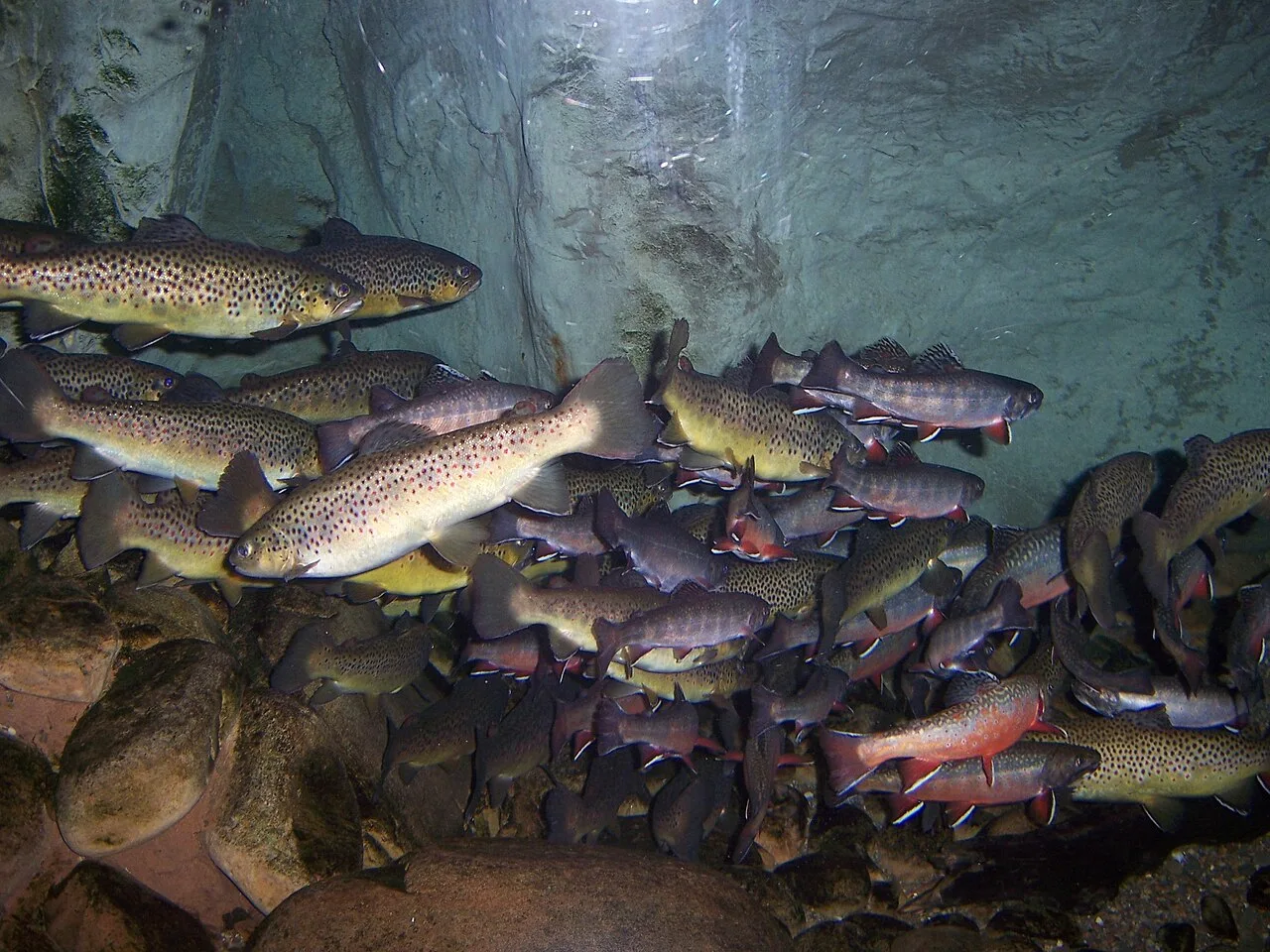 Types of Trout: Every US Trout and Char and How to Tell Them Apart
The types of trout in the US, rainbow and brown to bull trout and Arctic char: the group each belongs to, where it is native, and the one mark that IDs it.
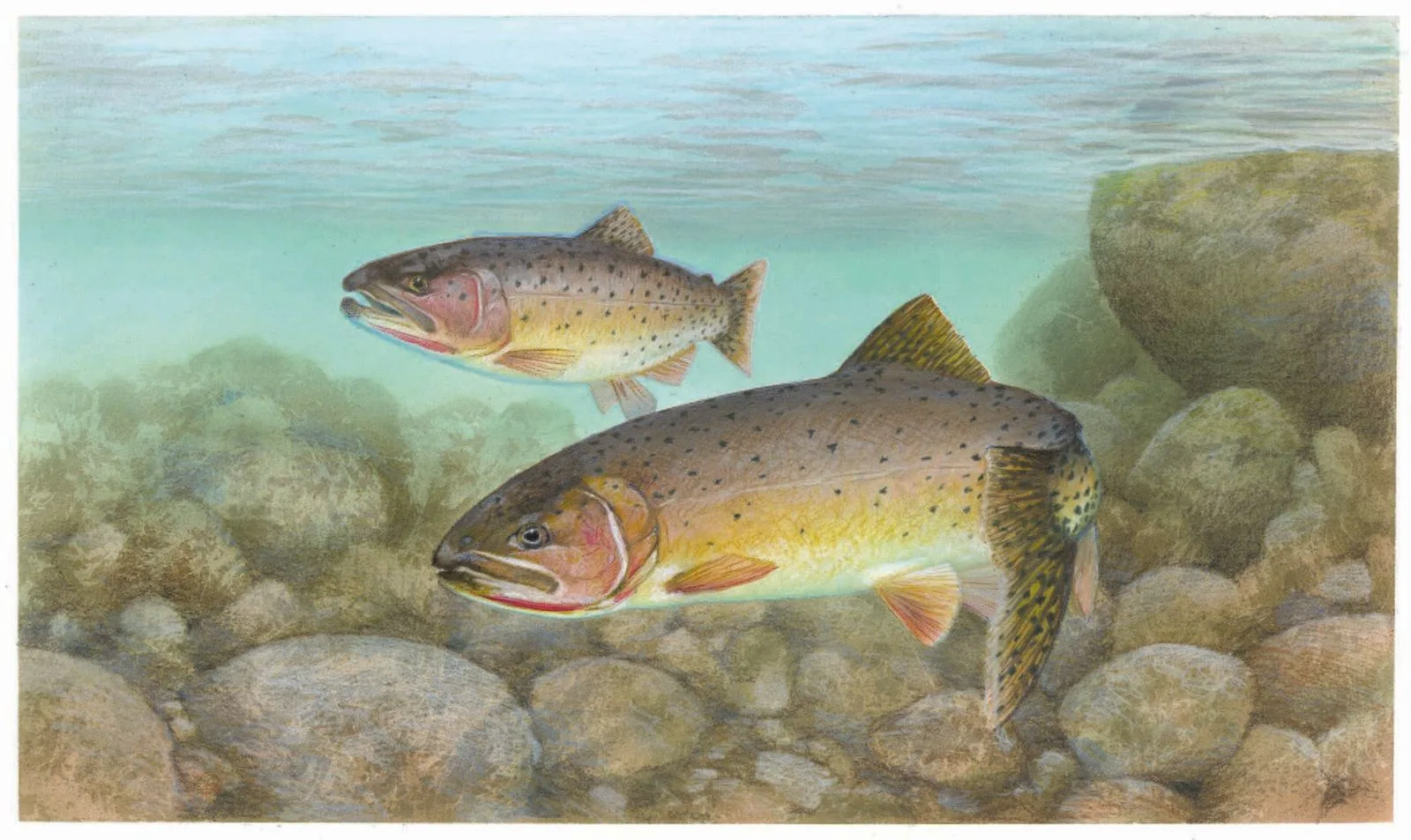 Cutthroat Trout: Subspecies, Identification and How to Fish
Cutthroat trout: how to tell one from a rainbow or cutbow, each subspecies with its range, size, spots and status, how to fish them, the 41 lb record.
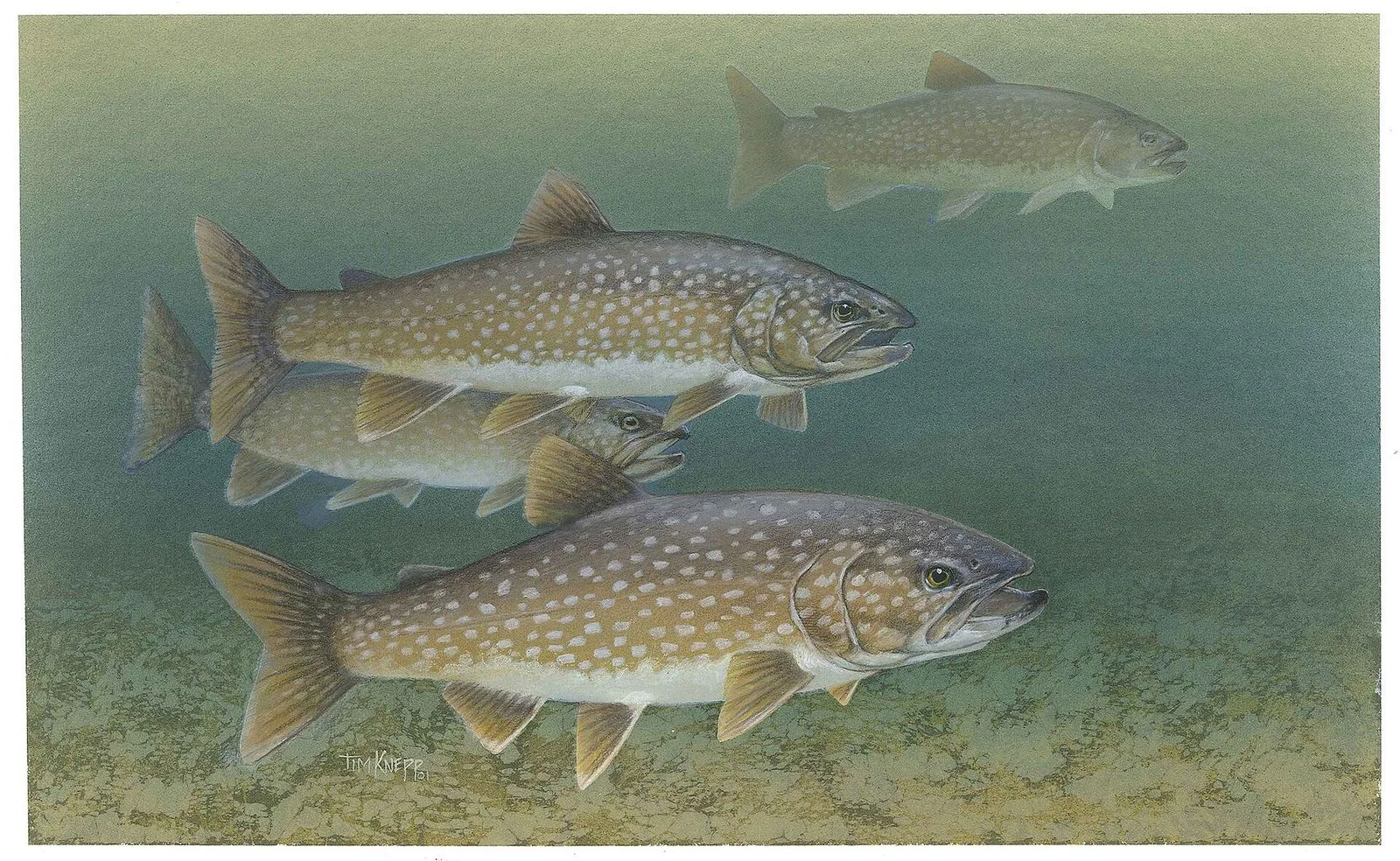 Lake Trout: The Deep-Water Char That Lives 60 Years
Lake trout are deep-water chars that live 60 years: how to tell one apart, where they hold by season, the 72 lb record and the Great Lakes comeback.
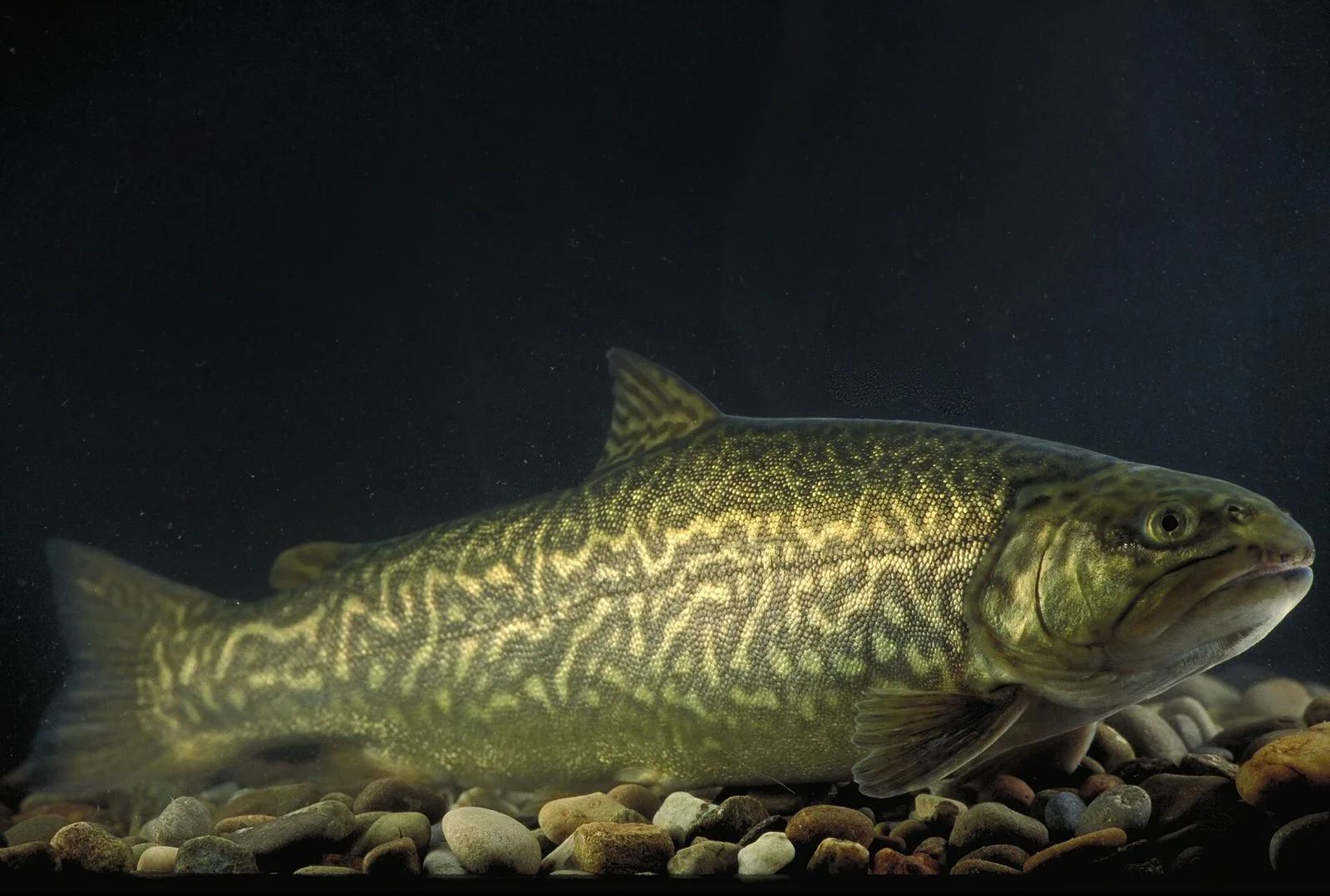 Tiger Trout: The Sterile Brown x Brook Hybrid Explained
Tiger trout are sterile brown x brook hybrids from hatcheries: how they are made, why states from Oregon to Virginia stock them, and the 27 lb 6 oz record.
 Trout Fishing for Beginners: Where, When and What to Use
Trout fishing peaks at 55–65 °F, and most beginners catch stocked fish first. Where trout hold in streams and lakes, the one outfit to buy, and when to go.
 Brown Trout: Identification, History, Habits and Records
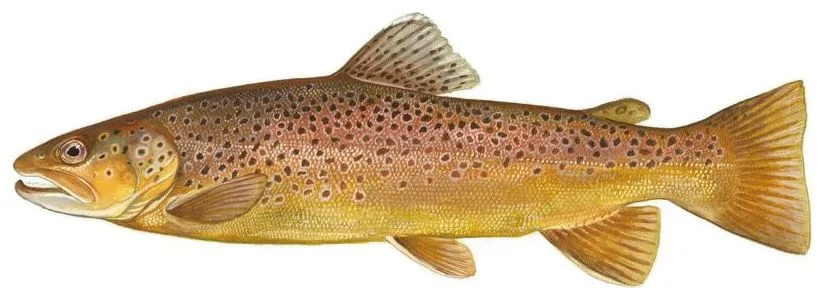
Brown trout from the agency data: how to tell one from a rainbow or brook, the 1883 import, night feeding, the fall spawn and the 44 lb record.
Sources
- Mepps, Aglia and Dressed Aglia (sizes and weights, size by fish, single hooks)
- Mepps, Trout fishing with Mepps Aglia spinners (sizes by species, retrieves, swivels, color)
- Mepps, Not all spinners are created equal (silver plating)
- Mepps, Choosing monofilament for your Mepps fishing (line test by spinner size)
- Mepps, Fishing trout (early-season and high-water spinner sizes)
- Mepps, Squirrel tail program (why squirrel hair dresses the hooks)
- Panther Martin, Classic Regular inline spinners (sizes)
- Blue Fox, Classic Vibrax specifications (sizes, depth, siwash hooks)
- Yakima Bait, Rooster Tail product range (sizes, single hooks)
- Acme Tackle, Kastmaster (sizes and line tests by use)
- Acme Tackle, Phoebe (sizes)
- Tackle Warehouse, Thomas Buoyant spoon (sizes and action)
- Rapala, CountDown specifications (sink rate, sizes, weights)
- Rapala, Husky Jerk specifications
- Leland's Lures, Trout Fishing 101 (reaction lures and food lures; Jeff Smith and David Taylor)
- Leland's Lures, Trout Magnet jig heads (1/64 oz, size 8 hook)
- Trout Magnet, 9-piece pack (falls horizontally)
- Outdoor Life, the best trout lures (how to choose: size and color by water)
- Fishing PNW, bottom fishing for trout with PowerBait (color by water clarity)
- Oregon Department of Fish and Wildlife, How to fish for trout (spinner and spoon retrieves, starter tackle)