 By
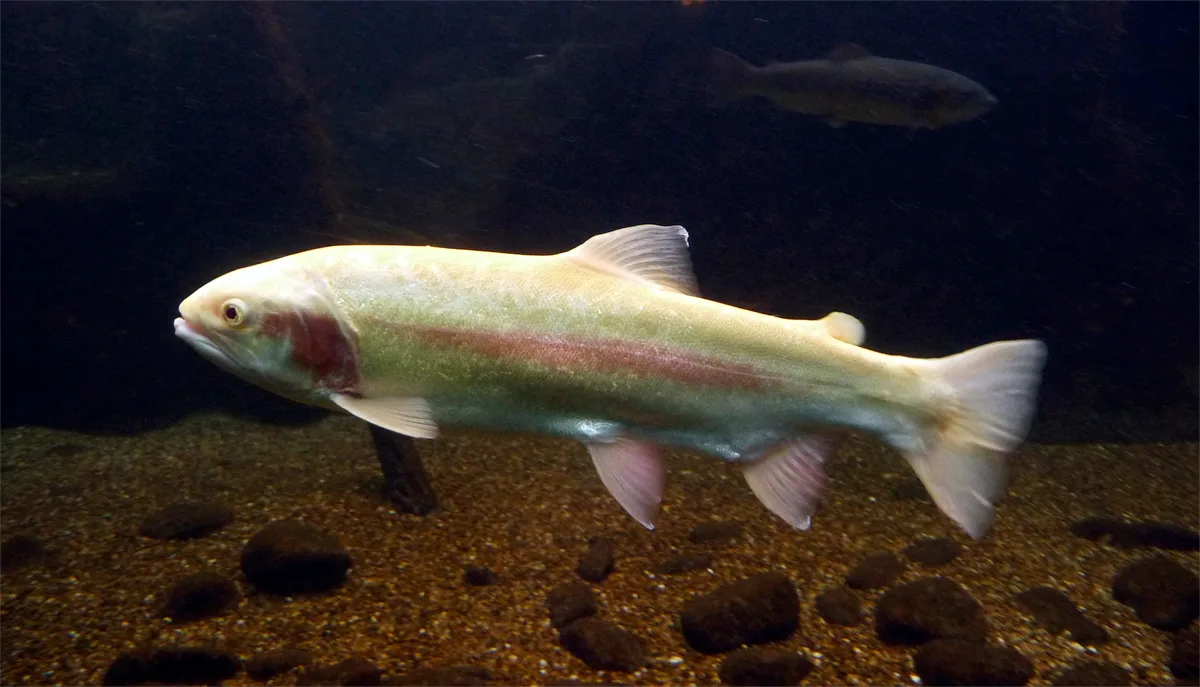
A palomino trout is a golden rainbow trout: yellow-gold, with a pink stripe and almost no dark color on it. It’s bred in hatcheries from one fingerling found at a West Virginia hatchery in 1955. Strictly, the palomino was the lighter first cross of that golden strain with ordinary rainbows. States stock the all-golden fish now, and you’ll still hear it called a palomino. You find it in stocked water in spring, and the first angler in front of it often gets the only real shot.
Every palomino trout in America goes back to one fish. In 1955 hatchery manager Vincent Evans spotted a yellow-mottled fingerling among the fry at West Virginia’s Petersburg hatchery and named it “Little Camouflage.”
Palomino, golden rainbow, lightning or golden trout?
Four names, three fish. The one that trips people up most is the California golden trout, a wild native that has nothing to do with the hatchery strain.
| Fish | What it is | Looks | Where you find it |
|---|---|---|---|
| Golden rainbow | Rainbow trout color strain, West Virginia 1955; what states stock today | Yellow-gold, pink stripe, few or no spots | Stocked waters, mostly in the East |
| Palomino | Golden × ordinary rainbow cross, first stocked in Pennsylvania in 1967; the name anglers still use | Lighter, less vivid gold | Today the name for any stocked golden |
| Lightning trout | Trademarked golden strain of Mt. Lassen Trout Farms, California | Golden, bright red stripe, red gill plate | Private and pay-to-fish waters that buy it |
| California golden trout | Wild rainbow subspecies, O. mykiss aguabonita | Gold sides, red stripe, about ten parr marks | High Sierra streams of the Kern Plateau |
To catch a California golden trout, you hike into wilderness. To catch a palomino, you get to a stocked creek early. The golden trout is California’s state fish, native to two watersheds on the Kern Plateau of the southern Sierra Nevada. The Golden Trout Creek watershed alone runs from about 10,800 ft at the top to below 7,000 ft at the bottom. You’ll know one by about ten large spots along its side, called parr marks, and a crimson stripe. In 2011 the U.S. Fish and Wildlife Service found that listing it under the Endangered Species Act was not warranted. The Service still lists the fish as a species at risk. The full story is on the golden trout page. For every trout and char side by side, the trout hub has the identification table.
Three myths travel with the palomino. One: it’s a cross between a rainbow and a California golden trout. It isn’t, even though Outdoor Life repeats it. It’s a mutant from California-strain rainbow stock, bred back to ordinary rainbow males. “California” there only says where those plain rainbows came from. West Virginia DNR says plainly that its goldens “are not related to the California golden trout.” Two: palominos are albinos. They aren’t. A palomino keeps its pink stripe, and West Virginia calls it a mutated strain of rainbow trout. Three: “lightning trout” is another name for it. It’s not. Lightning trout is a separate strain from a California trout farm.
Where are palomino trout stocked?
West Virginia is the home water. Goldens go in with the regular stockings, one for every ten rainbows. The big push is the Gold Rush, two weeks in spring. For 2026 the state set it for March 30 to April 11, with 50,000 goldens for 69 lakes and streams. One hundred of them carried numbered yellow tags for prizes.
Pennsylvania is the other big program. For 2026 its Fish and Boat Commission planned to stock about 18,000 golden rainbows averaging 1.5 lb each. That’s more than two and a half times the weight of its average stocked trout (0.58 lb). Roughly 75 percent go in before the April opener, the other 25 percent in-season. The program has more than doubled in a decade: the commission planned 8,530 goldens for 2016. That year they went in at 14 to about 22 inches, and the commission keeps the top end down on purpose. They go into lakes and streams that can hold rainbows.
You’ll find them in other states too. Outdoor Life lists New Jersey, New York and Ohio, and Pautzke adds Rhode Island, Maryland and Missouri. Lightning trout turn up wherever a private lake, club or pay-to-fish pond orders them. Mt. Lassen only sells them in small numbers, as an add-on to a regular stocking order.
So check your state’s stocking schedule for a creek or lake that got fish in the last few days. The truck that carries the rainbows carries the goldens, and they go in together.
Free PDF · Water temperature chart When do trout bite?
One reading, and the 16-page chart shows which of 26 fish are spawning, feeding hard or slowing down; for bass, crappie, bluegill and walleye, where they sit and what to throw. Every number sourced.
No card, nothing to buy, and the PDF is yours to keep. Confirm with one click and it's on its way. Then a few short emails and one a week on what's biting. Unsubscribe anytime. Privacy.
How rare are palominos?
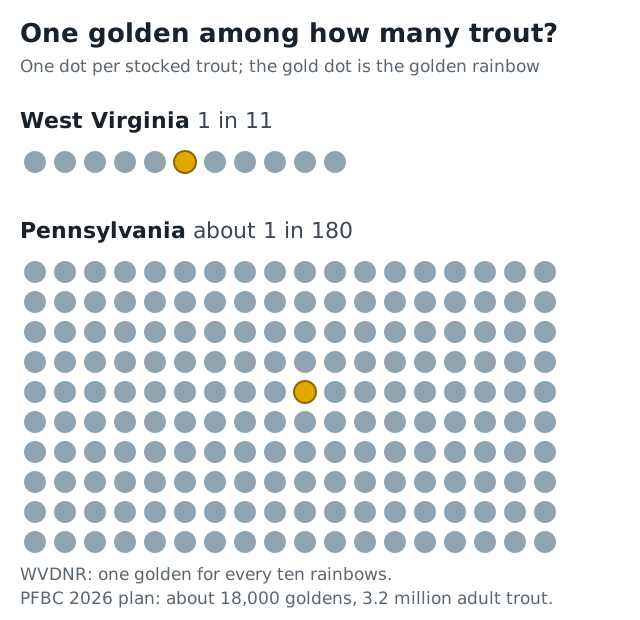
In Pennsylvania about one stocked fish in 180 is a golden: about 18,000 goldens among roughly 3.2 million adult trout. In West Virginia your odds are far better, about one stocked fish in eleven.
They feel rarer than that because they don’t last. You can see a yellow fish in a clear creek from the bank. So can every angler on the stream that first morning, and so can every heron, osprey and otter. The color draws predators, and many stocked waters get too warm for trout by late summer. A golden that lives on into the next year “would be highly unexpected,” Pennsylvania says. They don’t breed after stocking either, West Virginia says. A palomino is a spring fish, and it’s gone by fall.
Want a trout that’s rare for real? Look west. The Apache trout of Arizona’s White Mountains and the Gila trout of southwest New Mexico are wild natives with only a few dozen populations between them. The Apache was taken off the Endangered Species Act list because it recovered.
How do you catch a palomino trout?
A golden nobody has spooked yet eats like any other hatchery rainbow, Pennsylvania says. The crowd is the problem. Once anglers spot one, “aggressive casting, bumping with lines and the plopping of lures near them can turn them off pretty quickly.” This is the plan, in six steps.
- Fish stocking day or the day after. Check the state schedule and be the first angler in front of the fish that day. You often get one shot, says Outdoor Life’s Joe Cermele.
- Spot it before you cast. The color makes that easy from a bridge or a high bank. Goldens tend to look for shade, West Virginia DNR says, so check the shady water first.
- Don’t cast at it first. Use the palomino as a fish finder. Figure ten other stocked trout sit around it that you can’t see, and work those first.
- Make the first cast count. Drift the bait down its lane at its depth, and don’t slap the water on top of it. A golden that has already watched a parade of lures go by rarely bites.
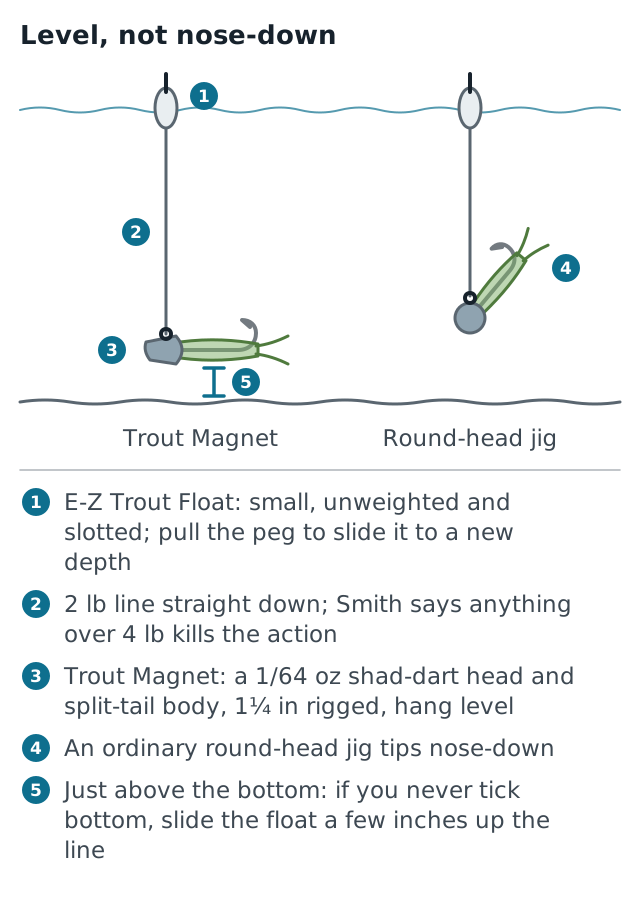
- Use what stocked rainbows eat. Start with a single salmon egg on a size 18 hook, on two- to four-pound fluorocarbon line with little or no weight. That’s how Pautzke’s pro staff fish them. Team Pautzke’s Mike Wickkiser calls the single egg his most effective trick for goldens. Dough that matches hatchery pellets, like PowerBait for trout, small spinners and tiny jigs like the Trout Magnet work too. Goldens go for chartreuse, yellow and very bright colors, Pennsylvania says, so lean bright. The trout lures page has the rest.
- If it’s spooked, walk away. A fish that’s been hooked and lost, or has turned down offer after offer, will keep refusing. Fish the next hole and come back later. The anglers who can’t walk away leave the other runs to you, Cermele says.
Expect it to fight like any stocked rainbow, the commission says. It just runs bigger than most stockers. For tackle and timing on stocked water in general, start with trout fishing.
Are palomino trout good to eat?
Yes. A palomino is a hatchery rainbow trout raised on the same pellets. Its meat is “a little more pink/orange” than a typical hatchery rainbow’s, “but the flavor is the same,” the Pennsylvania commission says. The FDA lists freshwater trout among its Best Choices, the lowest-mercury group. For fish you catch yourself, it asks you to check the state advisory for that water. Most stocked goldens go into put-and-take water where keeping fish is the point. Your state’s size and creel limits apply to goldens exactly as to other stocked trout.
Not everyone loves them. Conservation writer Ted Williams calls golden rainbows hatchery “freaks.” It bugs him that this “mutant alien,” not the native brook trout, is the fish on West Virginia’s wildlife division logo. That’s the honest counterweight: a palomino is a bright bonus in a stocked creek, not a wild fish.
Where did the palomino come from?
It started with a gift. In the fall of 1949 a federal hatchery gave West Virginia’s Petersburg State Trout Hatchery 10,000 rainbow fry of a California strain. Fewer than 300 survived, and their offspring became the hatchery’s brood fish. In early 1955 Evans spotted a yellow-mottled fingerling among thousands of ordinary fry. He moved it to its own pond and named it “Little Camouflage.” Pennsylvania’s commission puts the spawn that made it in the fall of 1954. It took eight years to get from that 1955 fingerling to the first statewide stocking in 1963.
| Year | What happened |
|---|---|
| Fall 1949 | 10,000 California-strain rainbow fry arrive at Petersburg; fewer than 300 survive |
| Early 1955 | Vincent Evans finds one yellow-mottled fingerling and isolates it |
| Summer 1956 | The fish reaches 14 in (36 cm), turns a wide band of gold and proves to be female |
| October 1956 | 900 of its eggs are fertilized with milt from an ordinary rainbow male |
| February 1957 | Several fry turn pale yellow; within weeks nearly 300 are golden |
| 1957–1959 | Selective breeding under Dr. Edward C. Kinney: over 90 percent of eggs hatch golden |
| 1963 | Released statewide for West Virginia’s centennial, one golden for every ten rainbows |
| 1967 | Pennsylvania stocks its first palomino rainbows, golden × rainbow crosses |
The 1963 fish went out as “The Centennial Golden Trout.” Each carried two tags: a yellow one to keep as a souvenir and an orange one to send in for a prize. That one-in-ten ratio still holds. West Virginia’s Petersburg and Reeds Creek hatcheries still supply about 80,000 golden rainbow eggs a year, and state policy doesn’t allow them to be exported.
Palomino or golden rainbow: why two names?
The two names once meant two different fish. Pennsylvania used to get fertilized golden rainbow eggs from West Virginia and raise them to adults. West Virginia says its policy no longer allows the eggs to be exported. Crossed with ordinary rainbows, those goldens gave lighter, less vivid fish, and those were the palominos. Pennsylvania first stocked them in 1967. That account comes from Andy Shiels, then director of the Pennsylvania commission’s Bureau of Fisheries.
So why did the name change? Cross two palominos and you get a mix of golden, palomino and normal rainbows. Cross two goldens and every fry is golden. Pennsylvania wanted that “more brilliant coloration,” so it now raises golden rainbow trout only, and its stocking announcements use that name.
The commission calls “palomino” “technically no longer the correct name.” Anglers never got the memo. On a Pennsylvania creek a bright yellow trout is a palomino, and nobody will correct you.

Free PDF · 16 pages
Stop guessing. Know what's biting before your first cast
A whole Saturday on the water with nothing to show for it. One reading tells you who's feeding.
The Water Temperature Fishing Chart. Take one water temperature reading, find it on the chart, and see which of 26 freshwater fish are spawning, feeding hard or slowing down.
- Where bass, crappie, bluegill and walleye sit, and what to throw. Trout: the reading where you stop.
- Why a 3 ft drop beats a cold front, and what to throw each day of the front
- The three thermometer mistakes that make a reading lie
The chart's numbers come from state fish and wildlife agencies and fisheries research: 61 sources, each listed on the site.
No card, nothing to buy. Confirm with one click and the PDF is on its way, one version for your phone and one to print, yours to keep. Then a few short emails and one a week on what's biting, with an unsubscribe link in every one. Privacy.
Related
Section guide
Trout: The Fish, Where They Live, When They Bite and How to Catch ThemTrout are cold-water fish of the salmon family. The five you'll catch, the 68 °F line, when each spawns and how to catch them; every type on its own page.
 Arctic Char: How to Identify, Where to Catch and Is It Good to Eat
Arctic char, the most northerly freshwater fish: how to tell it from a Dolly Varden, where US anglers catch it, the record, and how it eats.
 Trout Magnet: How to Rig and Fish the 1/64 oz Jig and Float
Trout Magnet rigging step by step: the 1/64 oz jig under the E-Z float, how deep to set it, the twitch, 2 lb line, colors, and what a rigged lure costs.
 Dolly Varden: Alaska's Sea-Run Char and How to Catch One
The Dolly Varden is a char, not a trout: how to tell it from Arctic char and bull trout, where it runs, when to fish for it and the 20 lb record.
 Bull Trout: How to ID the Threatened Char, and Where to Fish
Bull trout are a threatened char: how to tell one from a brook trout, lake trout or Dolly Varden, the few waters where you may fish, and the 32 lb record.
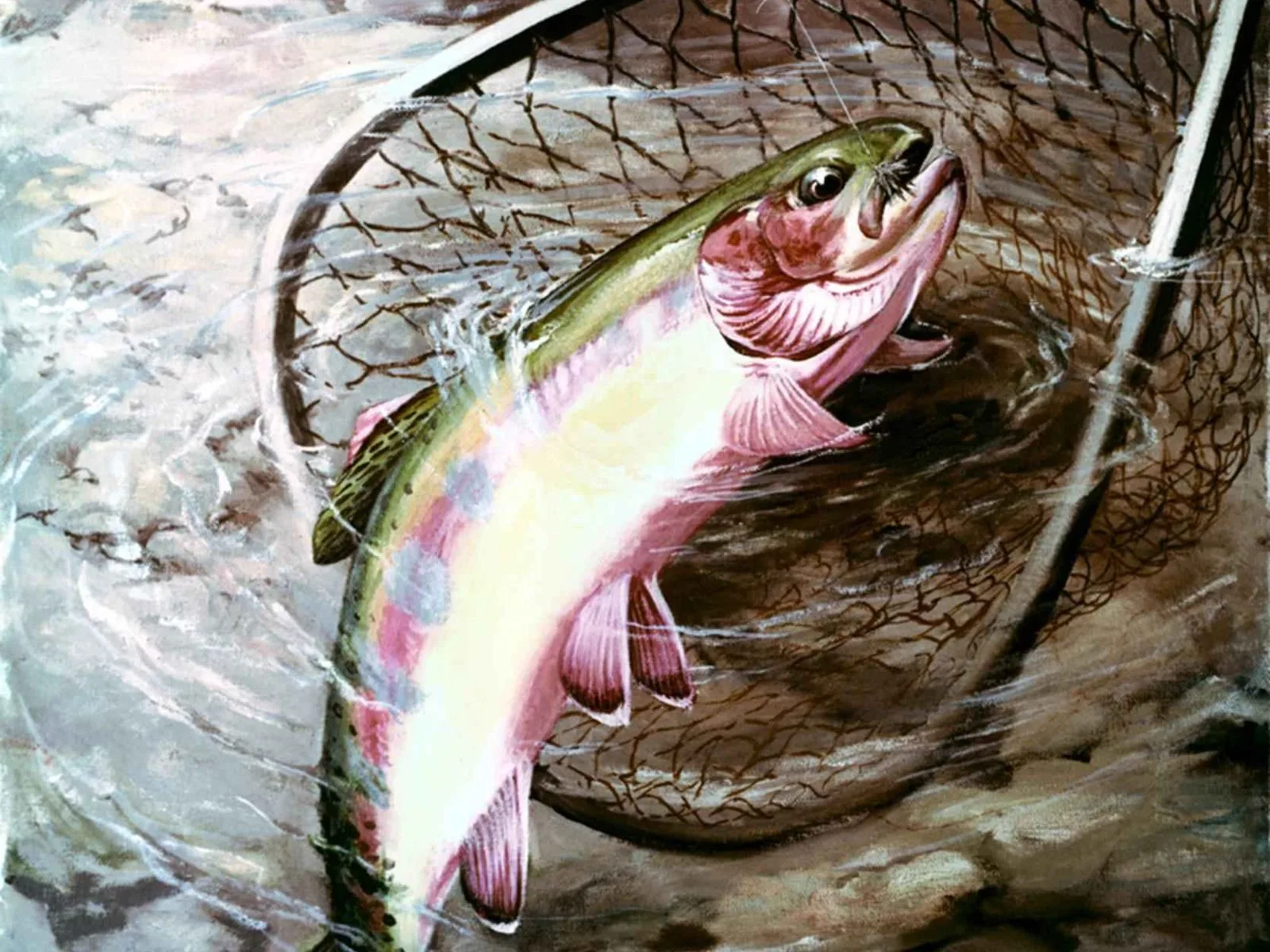 Golden Trout: California's State Fish and Where to Catch One
The California golden trout: native to two Kern Plateau creeks, stocked in high lakes from Wyoming to Washington, and the 1948 record Wyoming now doubts.
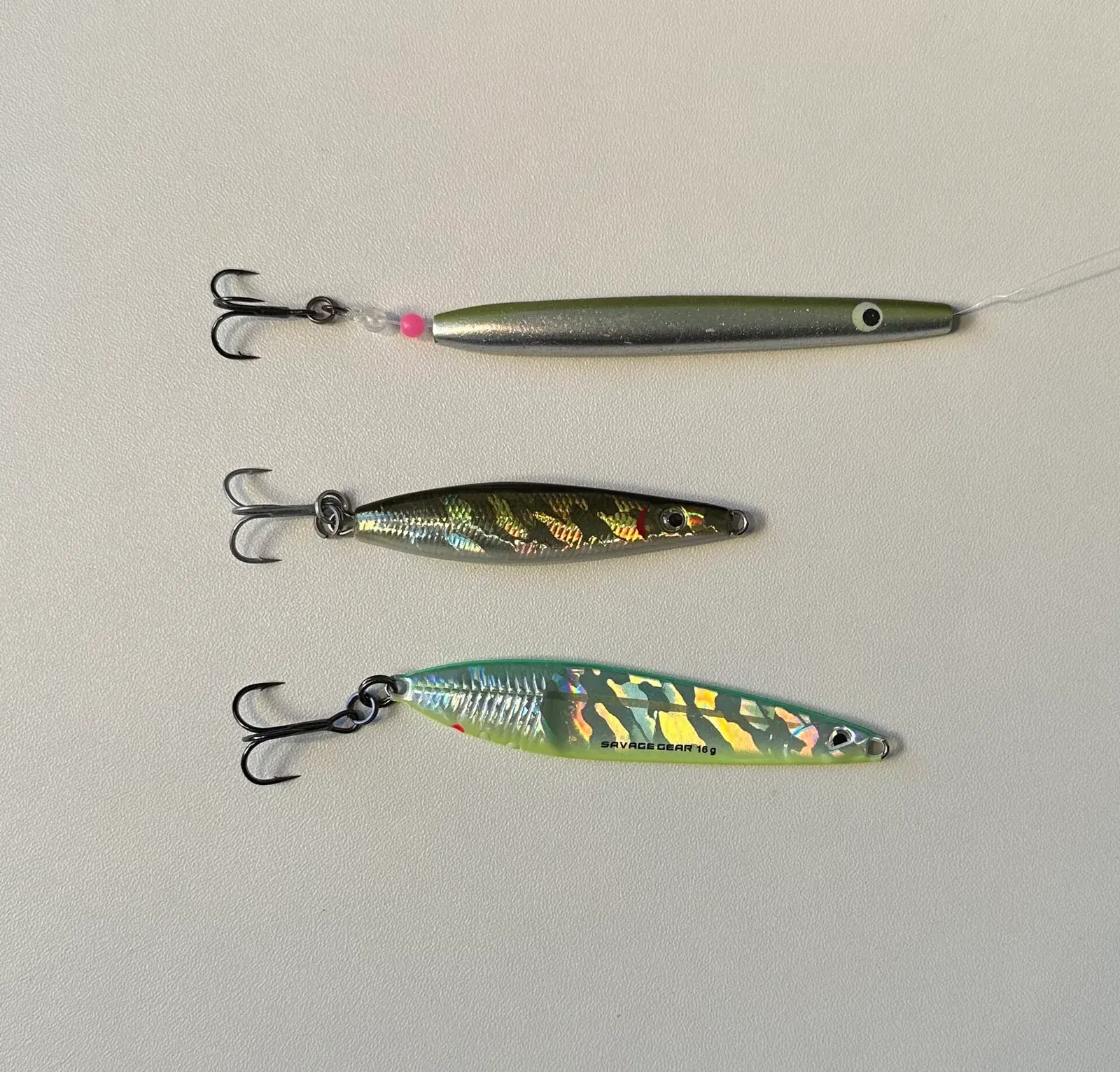 Trout Lures: Spinners, Spoons, Jigs and Minnows, and How to Fish Each
Trout lures come in five types: inline spinners, spoons, micro jigs, sinking minnows and jerkbaits, mostly 1/64–1/4 oz. Sizes by trout, colors by water.
Sources (11)
- West Virginia DNR, West Virginia gold rush: a history of the golden rainbow trout
- West Virginia DNR, rainbow vs golden rainbow trout: what's the difference?
- Pennsylvania Fish and Boat Commission, 2026 trout stocking schedules
- Pautzke Bait Co. (Chris Shaffer), Pennsylvania golden rainbows heavily stocked for Saturday's opener (PFBC answers on palomino vs golden)
- Western Native Trout Initiative, California golden trout
Show all 11 sourcesShow fewer sources
- Mt. Lassen Trout Farms, recreational stocking (Lightning Trout)
- Native Fish Coalition (Ted Williams), the origins of the golden rainbow trout
- Outdoor Life, palomino trout: the lure of the golden mutants
- U.S. Food and Drug Administration, advice about eating fish
- WVDNR, Gold Rush 2026 (March 30 – April 11)
- Pautzke Bait Co., tips to catch more golden rainbows and palominos this spring