 By
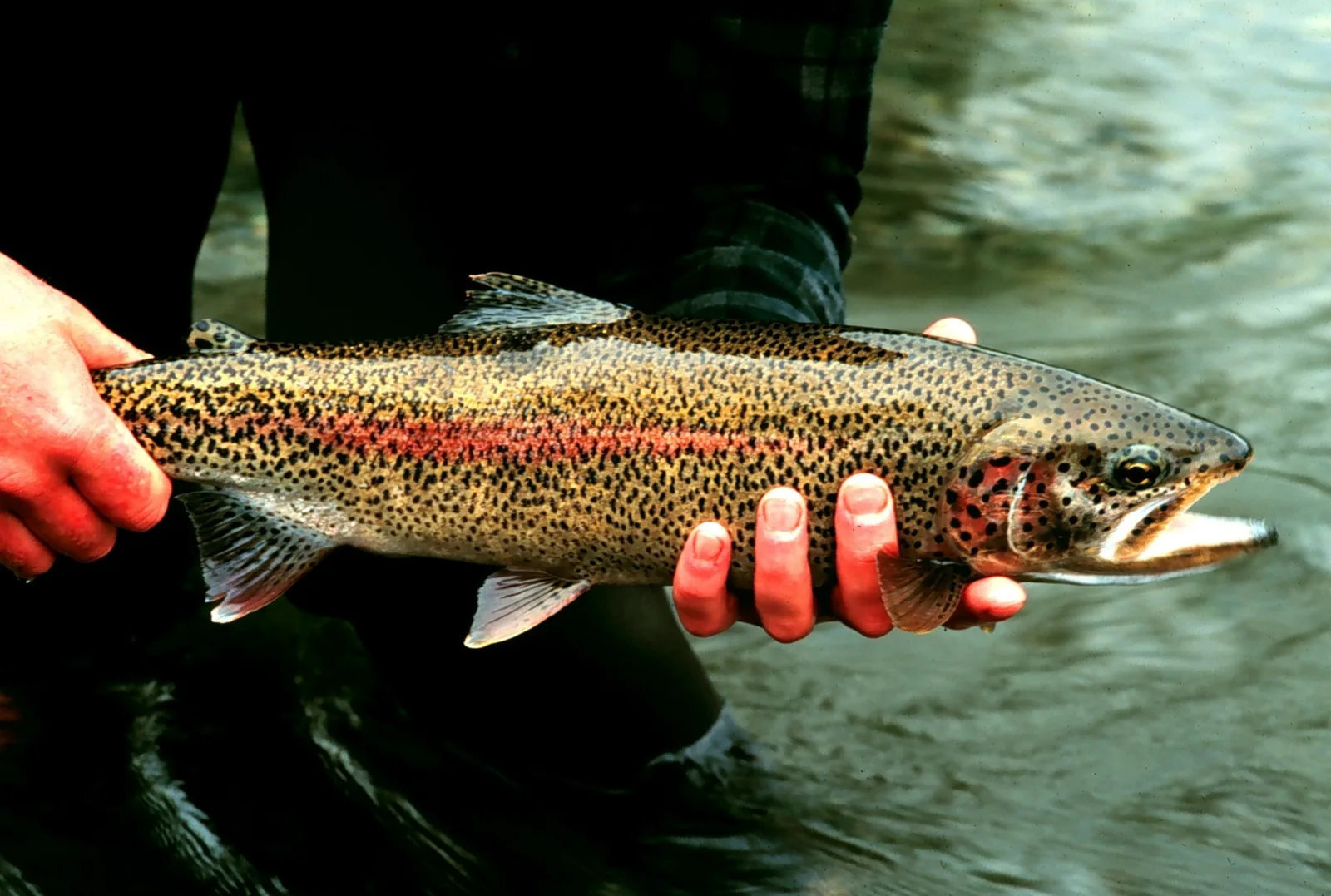
Rainbow trout fishing comes down to one rule from Washington’s fish agency: when the water’s cool, rainbows are near the surface, and when it’s warm, they’re near the bottom. So in spring and fall, hang a bait under a bobber or cast a small spinner close to shore. In summer, go deep. Stocked water in spring is the easiest rainbow fishing there is.
Missouri stocks its trout parks every night of the season. The next morning, it says, the new fish are “hungry—and gullible.”
Is your rainbow a stocker or wild?
Most likely a stocker, so fish for one first. A stocker grew up eating pellets, so it’ll hit a smelly dough bait or a flashy spinner in its first days out. Pennsylvania alone planned about 2.3 million rainbows for 2026.
A wild rainbow is warier. It eats mostly small insects, Washington says, and Oregon adds minnows and crayfish. Fish smaller baits, lighter line and a quieter approach. Everything below is about rainbows, and the trout hub has the other species.
What size fish to expect? Texas stocks fish “mostly in the, say, 8 to 12 inch range,” says Carl Kittel, a fish hatchery program director at Texas Parks and Wildlife. That’s why he says a smaller hook is your best bet. Pennsylvania’s stocked trout average 11 in. The rainbow trout page has where stockers come from, the sizes and the record.
Where do rainbow trout hold?
It depends on the water. Start with the row that matches yours. The state in brackets is the one that says it.
| Water | Where rainbows sit | What to fish |
|---|---|---|
| Lake or pond, spring and fall | Near the surface and close to shore (Washington) | Bait 1½–3 ft (0.5–0.9 m) under a bobber (Oregon), or troll spinners, spoons and flies (Washington) |
| Lake, summer | Deeper and offshore, at or near the bottom (Washington) | Floating bait 1½ ft (0.5 m) off the bottom (Oregon), or troll a lure near the bottom (Washington) |
| Stocked stream or trout park | Freshly stocked fish, early in the morning (Missouri) | Dough bait on a size 16–18 treble drifted under a bobber, small spinners, small marabou jigs (Missouri) |
| River | Holding in one spot while the current brings food. In faster riffles as the water warms (Oregon) | A worm or single egg on a size 6 hook, split shot about 20 in (51 cm) up (Game & Fish) |
| Tailwater below a dam | Cold all year, around 50 °F (10 °C) on the White River (Arkansas) | Slip-sinker or three-way rig, more weight in more flow (Arkansas). Scuds, sow bugs and soft hackles on the fly (Missouri) |
| Under the ice | Sometimes mid-water or just under the ice (Idaho) | A chunk of nightcrawler on tip-ups a few feet under the ice (Idaho) |
Oregon says rainbows are most often found in water of 45 to 60 °F (7–16 °C). That’s the band to look for in any of these rows. A stream thermometer tells you more than the calendar does.

Free PDF · Water temperature chart When do trout bite?
One reading, and the 16-page chart shows which of 26 fish are spawning, feeding hard or slowing down; for bass, crappie, bluegill and walleye, where they sit and what to throw. Every number sourced.
No card, nothing to buy, and the PDF is yours to keep. Confirm with one click and it's on its way. Then a few short emails and one a week on what's biting. Unsubscribe anytime. Privacy.
When is the best time for rainbow trout fishing?
Spring, for most people. Washington says fishing is generally best then, “when thousands of fish are stocked statewide.” It stays good into June. Then it fades as the water warms and the fish move offshore to stay cool.
Here’s the year, season by season:
- Late winter and spring: stocking starts. Pennsylvania’s trucks rolled from the week of February 16 in 2026, ahead of an April 4 opener. Wild rainbows spawn in spring too, starting up when the water warms to the upper 40s °F, Idaho says. Many Idaho rivers close through April and much of May to protect them. Check your stretch before you go.
- Summer: fish early and fish deep. In lakes, rainbows sit at or near the bottom. In streams, look in the faster riffles, where the water picks up oxygen as it tumbles over the rocks. Stop when the stream reaches the trout stress line of 68 °F. Or move to a tailwater, which stays cold.
- Fall: the second spring. Washington says the fish that dodged the spring crowds “return to the nearshore areas in the fall as waters cool off,” and some lakes get stocked again.
- Winter: in the South, this is rainbow season. For the 2024–25 season Texas planned about 350,000 rainbows at 205 sites, mostly in December, January and February, because they can’t survive a Texas summer. Up north, it’s ice fishing time.
Time of day matters most on stocked water. Missouri’s advice is short: “Early birds catch more trout.” For the hours in general, the best time of day guide puts the temperature numbers on the clock.
How do you fish bait for rainbows in a lake?
Use one of two rigs. Oregon gives both, with the numbers.
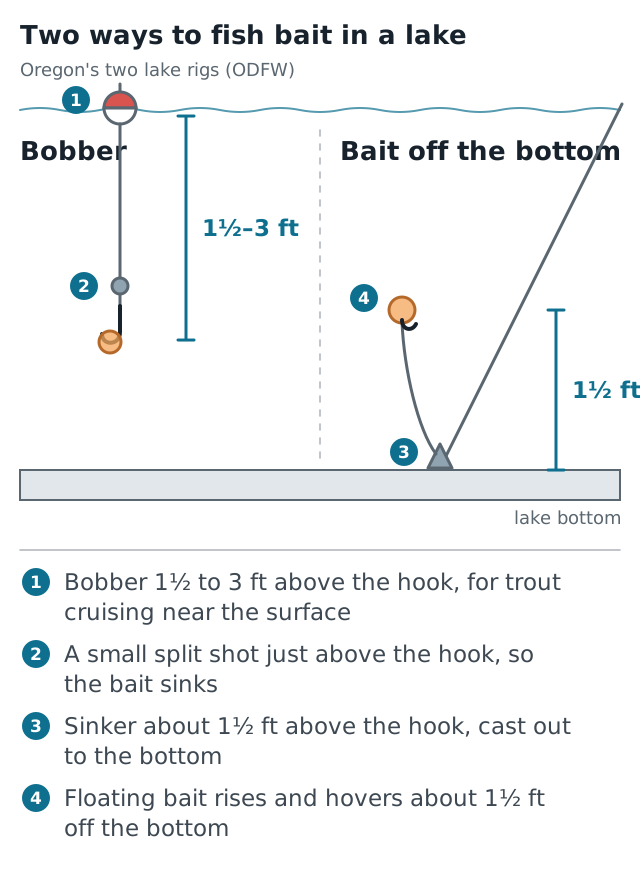
The bobber rig. Pinch a small split shot just above the hook so the bait sinks. Then clip a bobber 1½ to 3 ft above the hook. Use it in spring and fall, when rainbows cruise near the surface. If nothing happens in shallow water, slide the bobber up and fish deeper.
Bait off the bottom. This is the summer rig. Put the sinker about 1½ ft above the hook and cast it out. A floating bait, such as a floating dough bait, rises off the bottom and hovers right where the fish are. Keep the line just tight enough to see a bite.
For the rod and line, Oregon’s starter list keeps it short. You want a light 6 ft (1.8 m) spinning or spincasting rod with 4–6 lb (1.8–2.7 kg) monofilament. Add a pack of size 8 bait hooks, a couple of bobbers and some #5 split shot. That one outfit lets you fish both rigs and the spinners below. Trout fishing has more on the outfit to buy and on reading a stream.
Which bait? Washington’s list reads like a bait shop: corn, salmon eggs, dough, cheese, nightcrawlers and PowerBait. Carl Kittel’s Texas picks are canned corn, earthworms and commercial trout pellets. For a stocker, start with a dough bait. Missouri explains why: hatchery trout grow up on “smelly fish pellets,” so stinky dough baits catch lots of them. Mold just enough dough around the hook to cover it.
Trout bait has every bait and how to hook it, and PowerBait for trout goes deep on the dough. If you’d rather not fish bait at all, the Trout Magnet is a tiny jig under a float made for stocked rainbows.
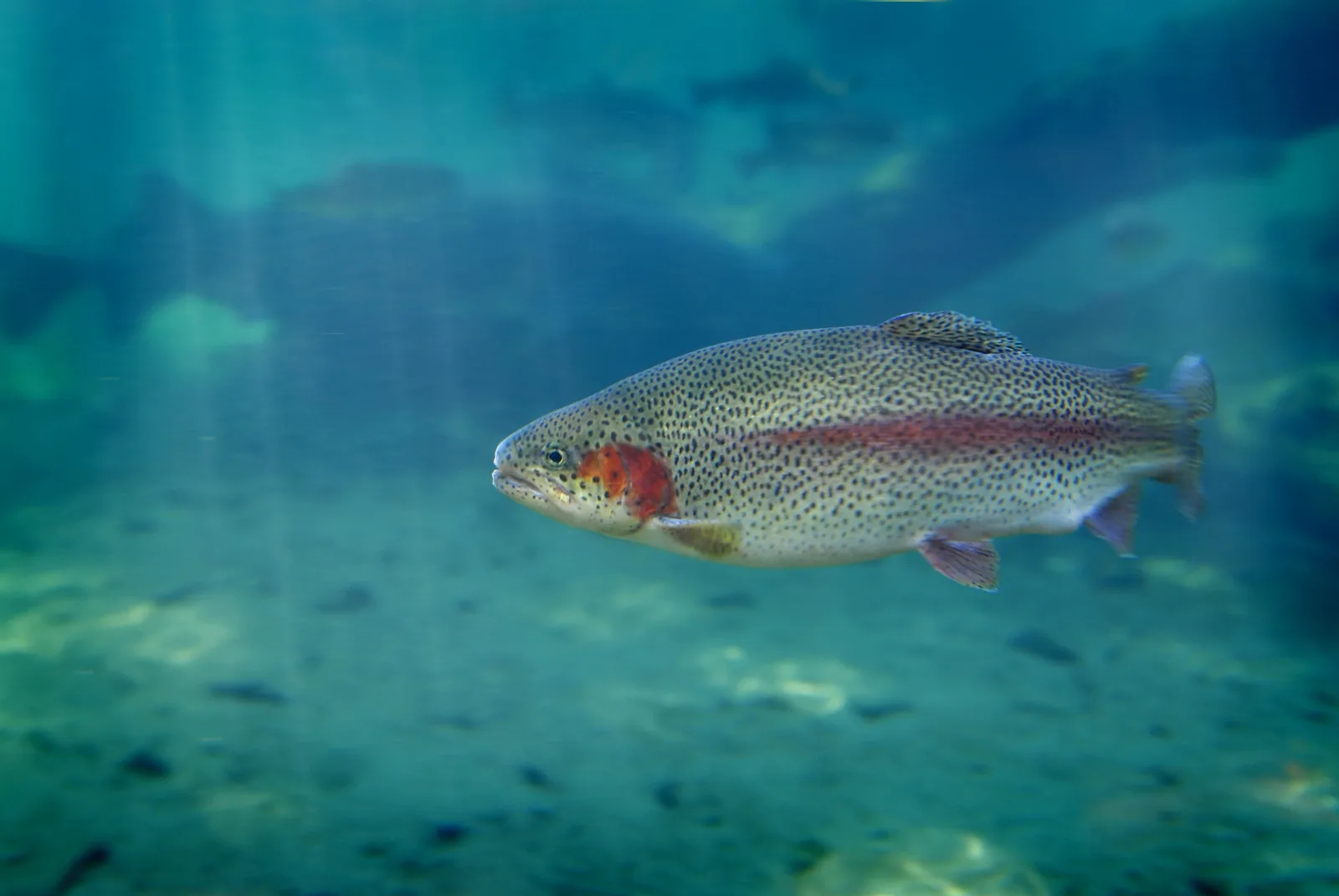
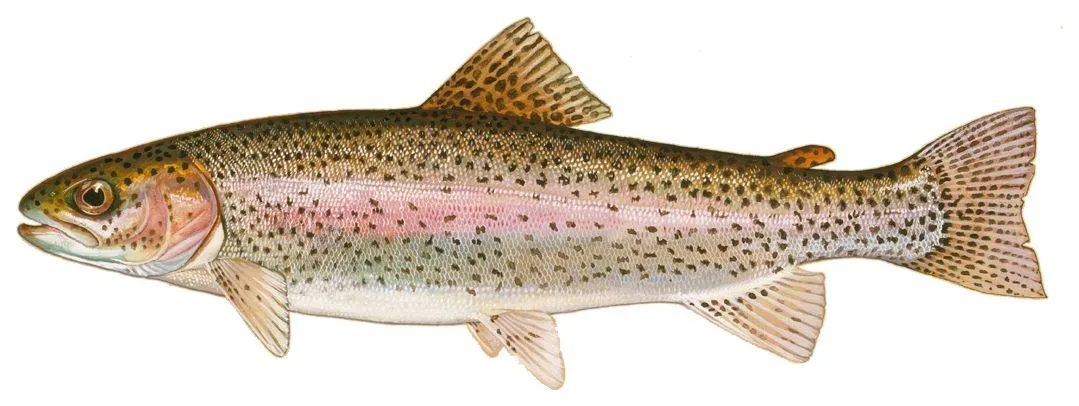
A rainbow trout. Photo: eric1513 / Depositphotos.
Which lures catch rainbow trout?
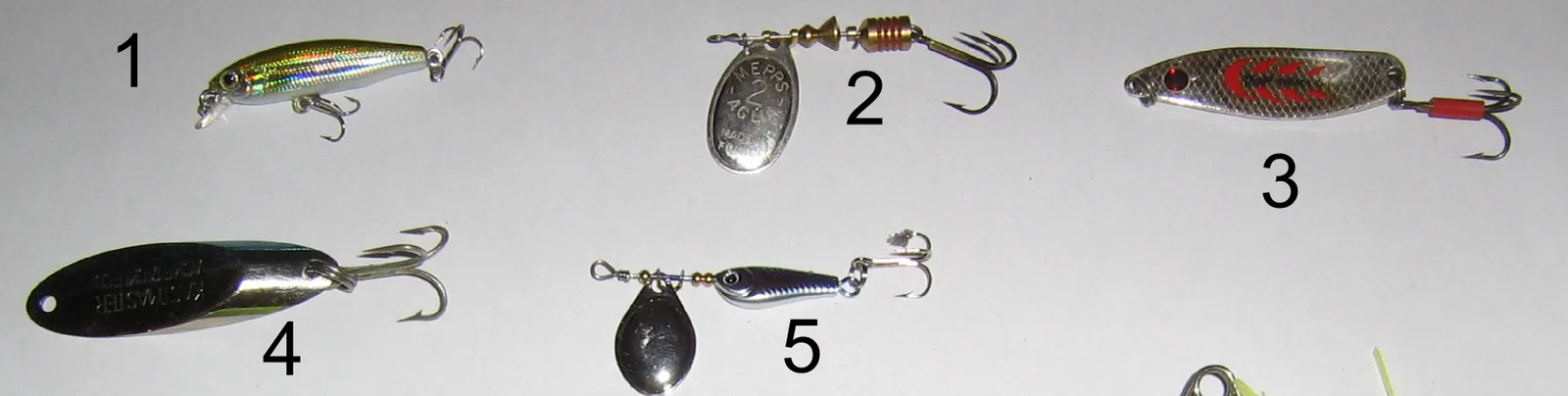
Start with a small inline spinner. Oregon’s beginner list calls for 1/16 oz spinners, and the Rooster Tail is the classic. Washington adds spoons, jigs, flies, wedding rings and plugs, and calls them all “very effective.”
Missouri’s spinner retrieve is the one to copy:
- Cast and let it sink. In a lake, Oregon says to let it sink for a minute, then start reeling.
- Reel just fast enough to make the blade spin. No faster.
- Every few seconds, stop and give it a little jerk. To a trout, Missouri says, that looks like a struggling minnow.
- Add a snap swivel. It keeps a spinner from twisting your line.
- Change colors when nothing bites. Missouri says a color change alone can turn a fishless day around.
- Size the lure to the water. On the White River, smaller baits and lures in low water, bigger ones in high water.
Small jigs work too. Missouri likes little marabou jigs, which trout take for insects. Drift one under a bobber, and twitch the rod now and then. For more, trout lures has spinners, spoons and jigs in detail, and best trout lures has the picks to buy.
How do you catch rainbows in a river?
Drift a bait along the bottom. Game & Fish calls drift-fishing “perhaps the most common way” to catch river trout. Oregon’s rule for the weight: use just enough split shot to get within a few inches of the bottom, and let the bait roll along with the current.
Where do you drift it? River rainbows hold in one spot and let the current bring them food, Oregon says. As the water warms, they slide into the faster riffles, where there’s more oxygen. In slow water and deep holes, switch from the drift rig to a float. Here are both, with Game & Fish’s numbers.
| Rig | Where | Setup | Bait |
|---|---|---|---|
| Drift | Riffles, eddies, pools, ledges, deep holes | Size 6 worm hook on 4–6 lb (1.8–2.7 kg) line, split shot about 20 in (51 cm) up | A worm or a single egg |
| Float | Slow water and deep holes | 1/8 or 1/4 oz float, a bobber stop to set the depth, a 3 ft (0.9 m) leader | A nightcrawler, shrimp, a single egg, or a 1/32–1/16 oz jig |
The bobber stop is your depth control, as Game & Fish puts it. Slide it up the line to fish deeper and down to fish shallower.
Fly fishing is the other way in. Oregon’s starter outfit is a 9 ft 5-weight rod with a weight-forward line. For flies, Game & Fish says a Muddler Minnow “is tough to beat.” It adds a bead-head fly on a 12 in (30 cm) dropper tied midway up a 4 to 6 ft leader. The bead-head is a second attractor, and it helps keep the trailing fly down near the bottom.
How do you fish a tailwater for rainbows?
Watch the dam first. A tailwater is the river below a dam. On Arkansas’s White River, the dams turned the river into “a cold-water system,” as the U.S. Fish and Wildlife Service puts it. Below Bull Shoals Dam, the water stays around 50 °F all year. That’s why rainbows live there through the hottest summer.
The catch is that the river rises and falls with the releases. Below Table Rock Dam on Missouri’s Lake Taneycomo, heavy generation turns the upper 1.5 miles into deep, swift water. Then it’s shore fishing or drifting from a boat. With no generation, the same water turns into shallow, slow pools, and nearly everyone wades or fishes from the bank.
Adjust to the flow:
- More water running, more weight. On the White River, the sinker should bounce along the bottom. As the level rises and falls, change the weight to match.
- Bait rigs: the slip-sinker rig and the three-way rig are the two popular ones on the White River. PowerBait and worms are popular bait there.
- Flies: on upper Taneycomo, scuds, sow bugs and soft hackles are the popular patterns. Fishing at night with streamers and stickbaits works for the bigger trout.
Check the rules for the stretch. In the upper three miles of Taneycomo, from Table Rock Dam to the mouth of Fall Creek, only artificial lures and flies may be used. You must release every rainbow from 12 to 20 in right away.
Watch out: Below a dam, watch the water, not just the horn. If flows rise, get to higher ground right away.
Stay safe, too. Below Table Rock Dam, a horn at the dam sounds before the water level changes. But in March 2025 the Corps of Engineers warned that the downstream warning horn was out of service. People farther down may not hear the one at the dam, so don’t count on hearing a horn. Watch the water yourself. The Corps’ advice is simple: “If flows increase and water begins to rise, immediately move to higher ground.” Don’t wait to finish the cast.
How do you catch rainbows through the ice?
Don’t fish only the bottom. Most people jig near the bottom, but with trout, says Kevin Meyer of Idaho Fish and Game, mid-water or “even surface fishing (just under the ice)” sometimes works better.
Idaho’s crew gives a simple setup:
- Tip-ups: set several with a chunk of nightcrawler on a hook, hanging a few feet under the ice. A tip-up is a frame with a flag that pops when a fish takes the bait.
- Small bait: a 1 to 2 in piece of worm is enough for most trout.
- Jigs: try different styles and colors until the fish show you what they want.
Check your state’s limit on lines before you drill, and check the ice.
Where’s the best rainbow trout fishing?
Close to home, for most people. Rainbows are native to the Pacific slope, from Alaska to Baja California, the U.S. Geological Survey says. So most rainbows east of the Rockies came off a hatchery truck. That makes your state’s stocking list the best fishing map you’ll get. Washington posts weekly stocking reports, and Pennsylvania’s schedules can be searched by county.
A few waters stand out:
- Lake Taneycomo, Missouri: about 560,000 rainbows stocked every year, below Table Rock Dam.
- The White River, Arkansas: a cold tailwater below Bull Shoals Dam, around 50 °F all year.
- Southwest Alaska: wild resident rainbows that, in the U.S. Fish and Wildlife Service’s words, draw anglers “from around the world.” Catch and release is encouraged there, and required in some areas.
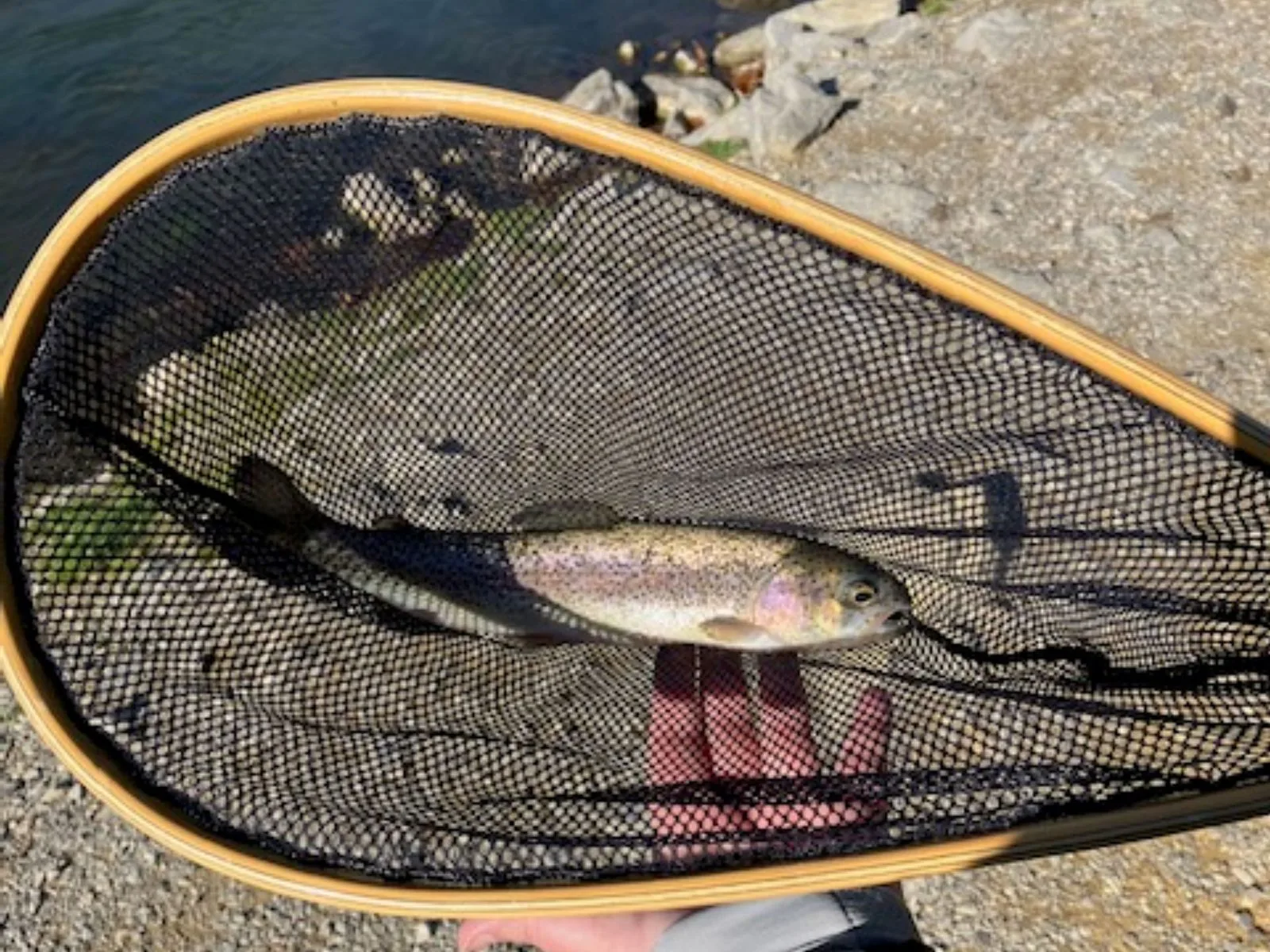
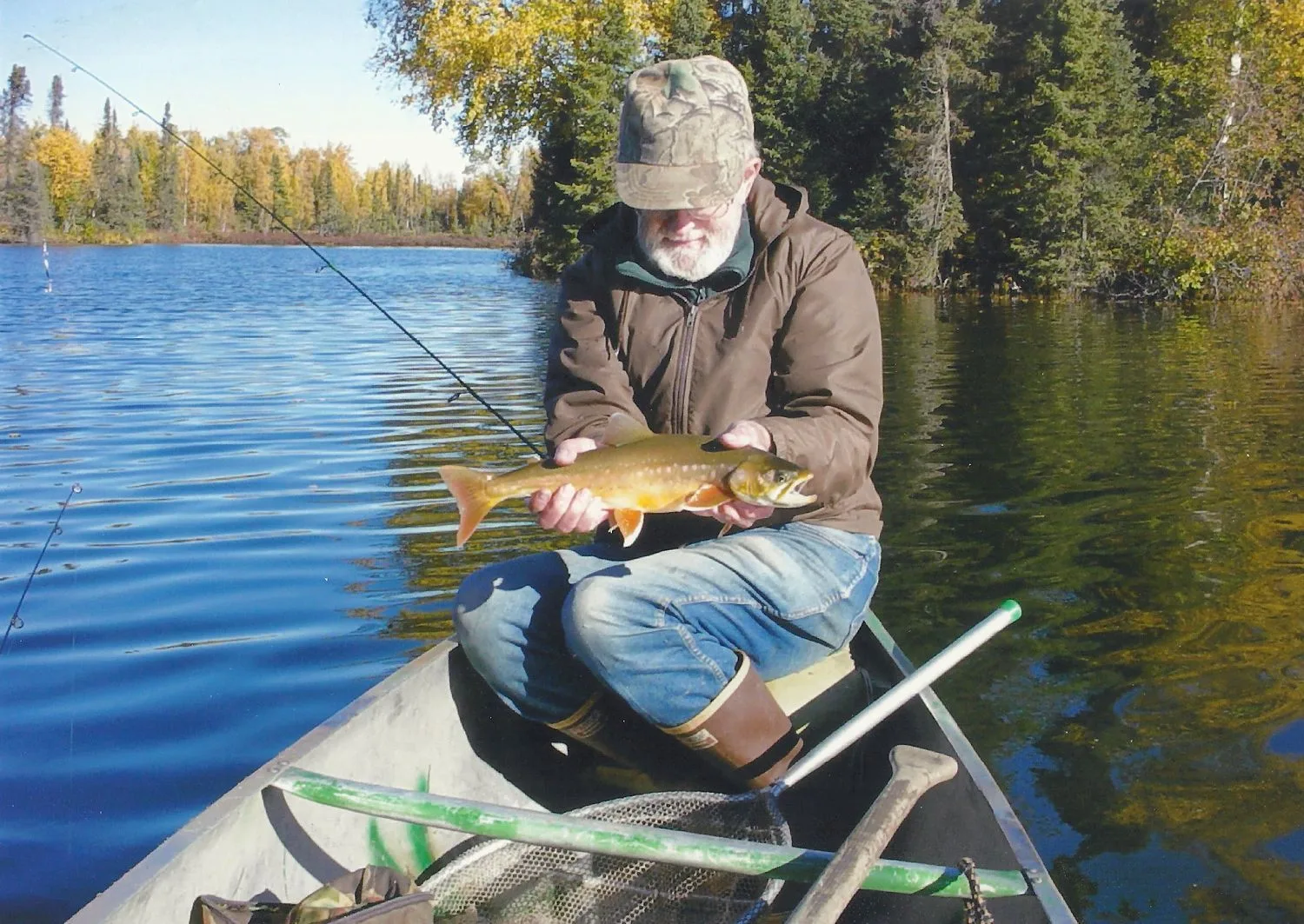
A rainbow from Hatchery Creek at Wolf Creek National Fish Hatchery, Kentucky, caught at a beginner’s fly fishing workshop. Photo: U.S. Fish and Wildlife Service (public domain).
What mistakes cost you rainbows?
Each one has an easy fix.
- Fishing the bottom in spring. The fish are up high. Hang the bait under a bobber.
- Fishing the surface in August. They’ve gone deep. Float the bait off the bottom.
- Showing up at noon to a stocked stream. The new fish bite best early in the morning.
- Setting the hook too hard. Missouri calls trout “dainty diners.” Wait a split second, then give a medium tug, or you’ll pull the hook out.
- Letting the line go slack. Trout bite lightly. Reel in the slack as your bait drifts, or you’ll miss the nibbles.
- Ignoring the dam. On a tailwater, the release schedule matters more than the weather.
Going to let one go? Wet your hands first, as Washington asks, and learn how to hold a trout before you lift it. Most stocked rainbows are meant to be kept, so check your limit. On Lake Taneycomo, for one, the daily limit is four trout.
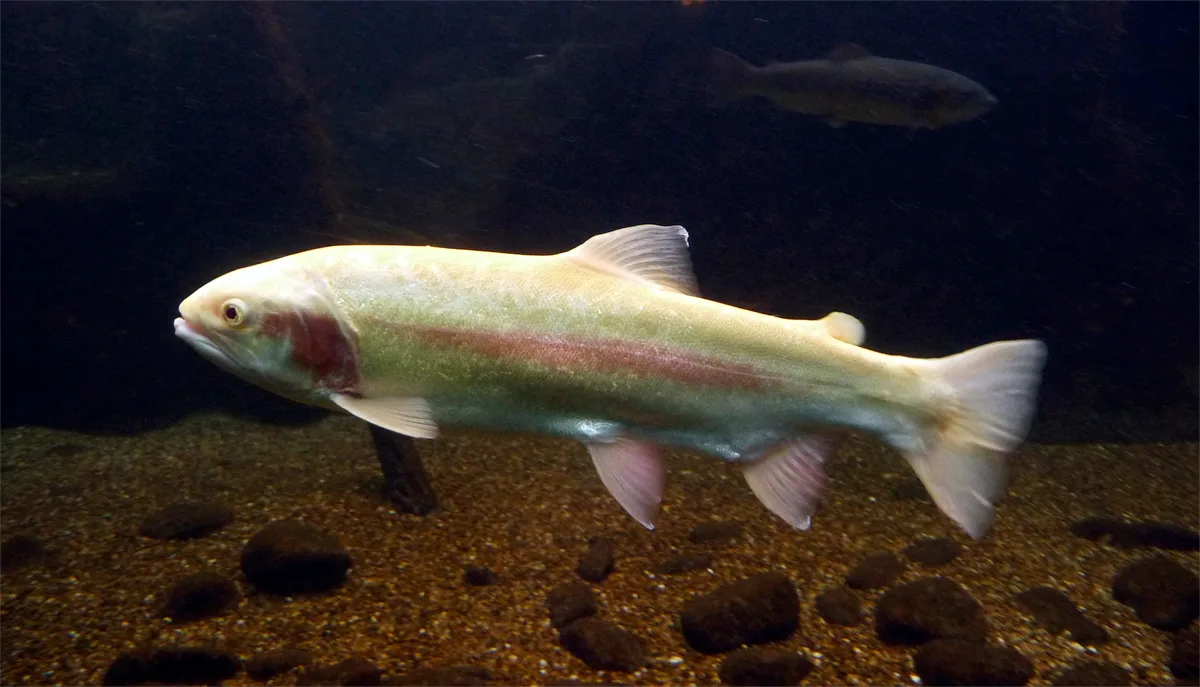
Caught a big silver one in a Great Lakes river? That’s likely a steelhead, the same fish after a run to big water. And the gold fish among the stockers is a palomino, a rainbow too.
Gear for trout
Gear guide
Best Trout Lures: 10 Picks for Streams, Rivers and LakesThe best trout lures are the Trout Magnet, Rooster Tail and Blue Fox Vibrax, on all three expert lists. See 10 picks by water, sizes and a $26 starter box.

Free PDF · 16 pages
Stop guessing. Know what's biting before your first cast
A whole Saturday on the water with nothing to show for it. One reading tells you who's feeding.
The Water Temperature Fishing Chart. Take one water temperature reading, find it on the chart, and see which of 26 freshwater fish are spawning, feeding hard or slowing down.
- Where bass, crappie, bluegill and walleye sit, and what to throw. Trout: the reading where you stop.
- Why a 3 ft drop beats a cold front, and what to throw each day of the front
- The three thermometer mistakes that make a reading lie
The chart's numbers come from state fish and wildlife agencies and fisheries research: 64 sources, each listed on the site.
No card, nothing to buy. Confirm with one click and the PDF is on its way, one version for your phone and one to print, yours to keep. Then a few short emails and one a week on what's biting, with an unsubscribe link in every one. Privacy.
Related
Section guide
Trout: The Fish, Where They Live, When They Bite and How to Catch ThemTrout are cold-water fish of the salmon family. The five you'll catch, the 68 °F line, when each spawns and how to catch them; every type on its own page.
- Best Trout Lures: 10 Picks for Streams, Rivers and Lakes
The best trout lures are the Trout Magnet, Rooster Tail and Blue Fox Vibrax, on all three expert lists. See 10 picks by water, sizes and a $26 starter box.
 Palomino Trout: The Golden Rainbow, Where It Came From
Palomino trout are golden rainbows from one West Virginia fingerling found in 1955: the name, where they are stocked and how to catch one.
 Arctic Char: How to Identify, Where to Catch and Is It Good to Eat
Arctic char, the most northerly freshwater fish: how to tell it from a Dolly Varden, where US anglers catch it, the record, and how it eats.
- Trout Magnet: How to Rig and Fish the 1/64 oz Jig and Float
Trout Magnet rigging step by step: the 1/64 oz jig under the E-Z float, how deep to set it, the twitch, 2 lb line, colors, and what a rigged lure costs.
 Dolly Varden: Alaska's Sea-Run Char and How to Catch One
The Dolly Varden is a char, not a trout: how to tell it from Arctic char and bull trout, where it runs, when to fish for it and the 20 lb record.
 Bull Trout: How to ID the Threatened Char, and Where to Fish
Bull trout are a threatened char: how to tell one from a brook trout, lake trout or Dolly Varden, the few waters where you may fish, and the 32 lb record.
Sources (14)
- Washington Department of Fish and Wildlife, Rainbow trout (Oncorhynchus mykiss)
- Oregon Department of Fish and Wildlife, How to fish for trout
- Missouri Department of Conservation, Chasing Rainbows (Matt Seek, February 2012)
- Missouri Department of Conservation, Lake Taneycomo
- Texas Standard, Get ready, Texas anglers – rainbow trout are coming to a body of water near you (Kristen Cabrera, November 20, 2024)
Show all 14 sourcesShow fewer sources
- Arkansas Tourism, Basic angling tips for White River trout fishing
- Branson Globe, Warning horn below Table Rock Dam not operational (March 20, 2025)
- Idaho Fish and Game, Expert ice fishing: F&G staff shares their tips so you can catch more fish
- Idaho Fish and Game, Rainbow trout are wrapping up their spawning season
- Pennsylvania Fish and Boat Commission, 2026 trout stocking schedules now available
- U.S. Fish and Wildlife Service, Rainbow Trout in hand at Gechiak Creek (Togiak National Wildlife Refuge)
- Game & Fish, Effective River-Rainbow Fishing (Scott Haugen)
- U.S. Fish and Wildlife Service, Norfork National Fish Hatchery
- USGS Nonindigenous Aquatic Species, rainbow trout fact sheet