 By
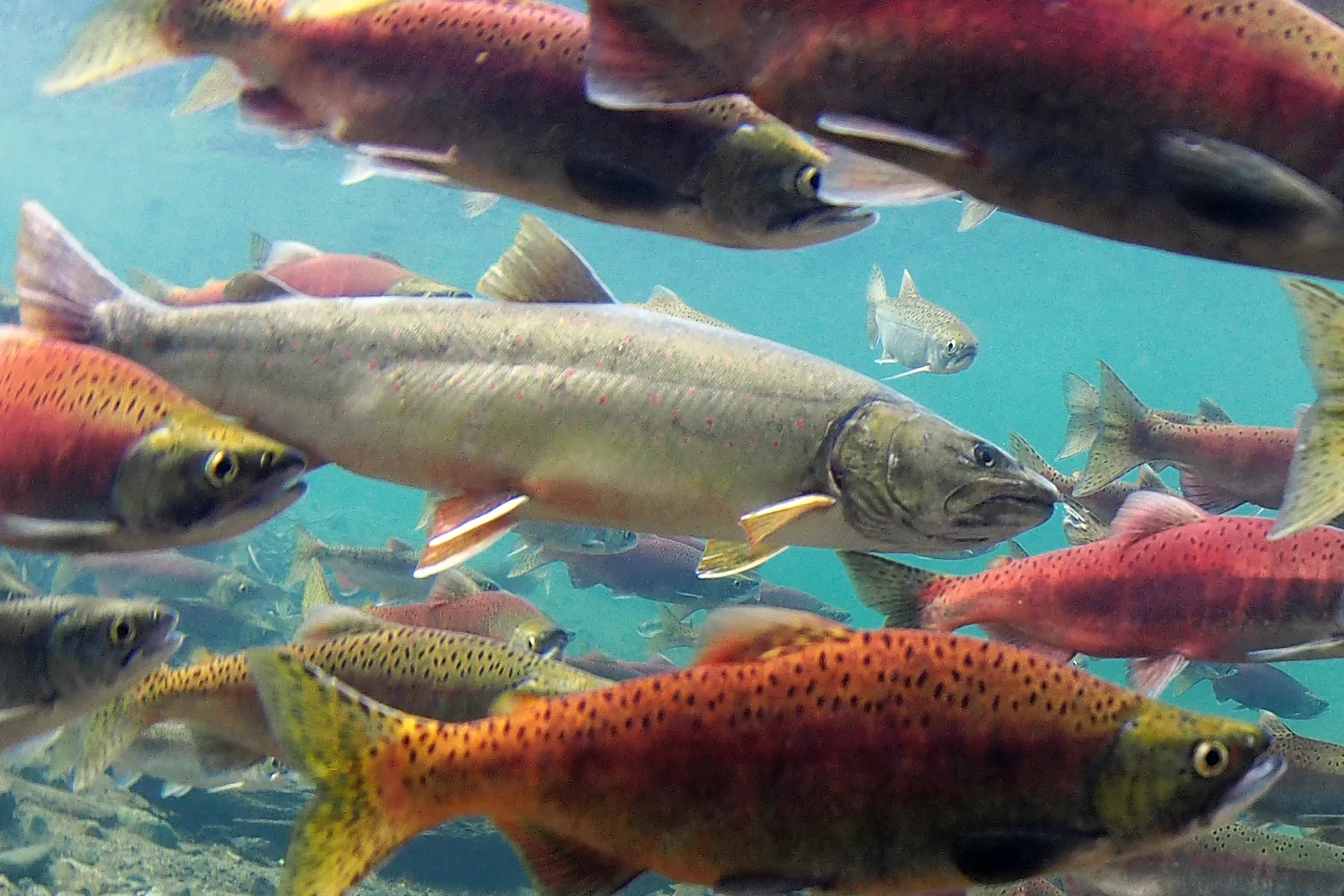
The bull trout is a char of the cold mountain rivers and lakes of the Northwest, and in the lower 48 it has been a threatened species since 1999. In most of its range you may not keep one, and in many waters you may not even fish for one. The few places that stay open are worth knowing, and so is the one look at the dorsal fin that keeps you legal.
One fin settles it. The field guide Oregon uses to sort bull trout from brook trout tells anglers to ignore every other feature and look only at the dorsal fin: plain on a bull trout, solid black marks on a brook trout.
Is a bull trout a trout?
No. Despite the name, it is a char, the branch of the salmon family that also holds the brook trout, the lake trout, the Dolly Varden and the Arctic char. The quick test works on every char: light spots on a dark body. A rainbow, a cutthroat or a brown is the reverse, dark spots on a lighter body.
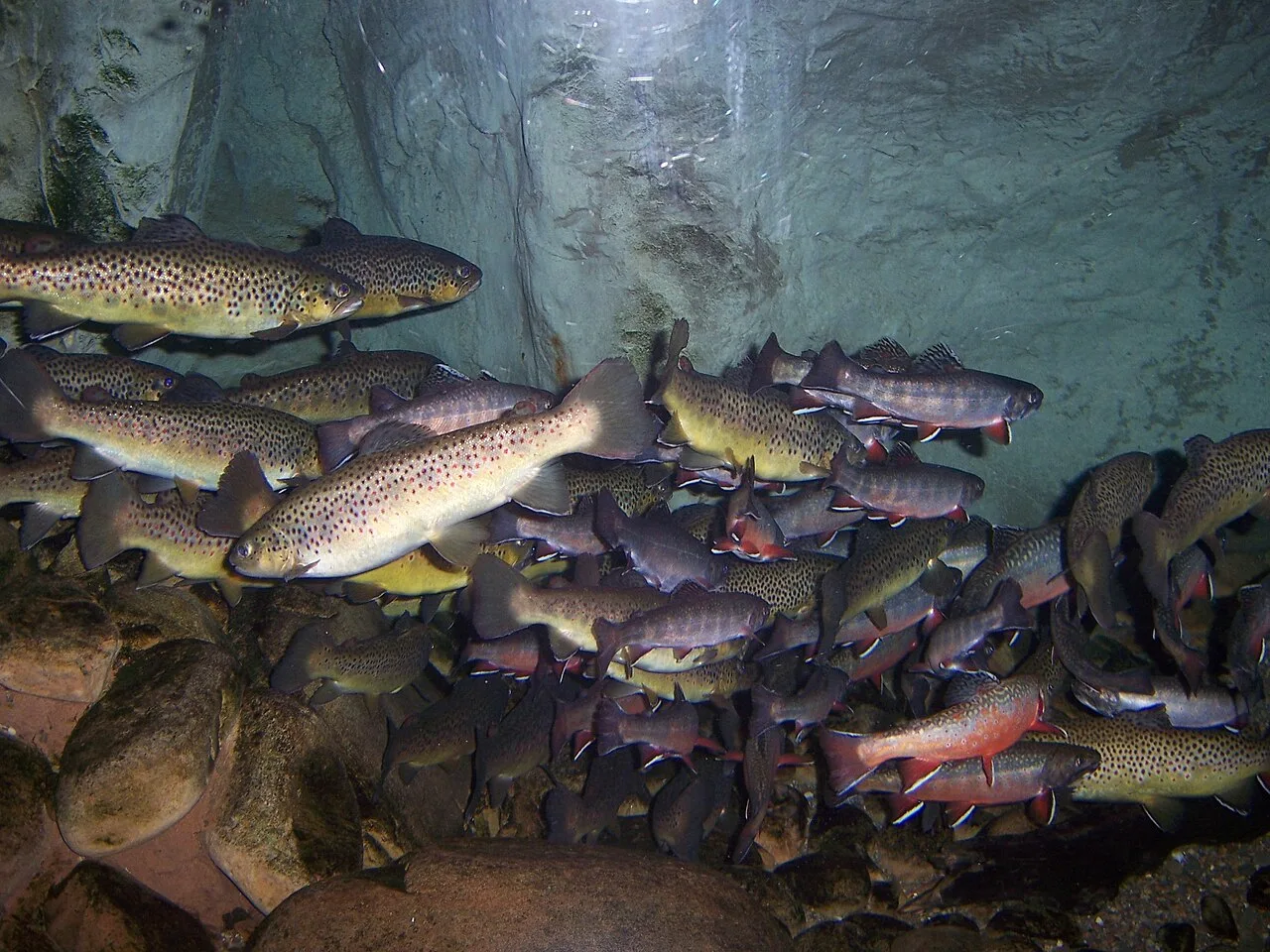
For more than a century the bull trout was not even counted as its own species. The IGFA notes that it was described in 1858, then confused with the Dolly Varden for over a hundred years, so much of the older writing on Dolly Varden is really about bull trout. Montana’s field guide puts it plainly: the native bull trout is a separate species from the coastal Dolly Varden. The types of trout page shows where the chars sit among the true trout.
How do you identify a bull trout?
Start with the dorsal fin, the one on the middle of the back. Montana’s 2026 identification guide for anglers lists four marks:
- No black spots or lines on the dorsal fin. This is the mark that matters most.
- Pink, yellow or orange spots on the sides, on an olive-green to gray body. Washington’s biologists describe pale spots about the size of the pupil of the eye.
- White leading edges on the lower fins, like every char.
- A slightly forked tail.
The head gives it away too. Washington’s Department of Fish and Wildlife calls the head and mouth unusually large, and Oregon Sea Grant says that big head is where the name comes from.
| Fish | Dorsal fin | Spots and body | Tail | Where it overlaps |
|---|---|---|---|---|
| Bull trout | No black at all | Pale yellow, pink or orange spots on olive-gray | Slightly forked | Montana, Idaho, Oregon, Washington, northern Nevada |
| Brook trout | Solid black marks with sharp edges | Pale marbling on the back; red spots with blue halos | Square | Introduced into many bull trout streams |
| Lake trout | Not the deciding mark | Cream spots on gray-green; no red spots | Deeply forked | Big lakes and reservoirs, often stocked |
| Dolly Varden | Very close to a bull trout | Very close to a bull trout | Very close to a bull trout | Olympic Peninsula and Puget Sound of Washington, north into Alaska |
The brook trout is the fish that gets anglers in trouble, because it lives in the same streams. Oregon’s field guide, written by the Forest Service and Idaho Fish and Game, separates the two by the dorsal fin alone. A bull trout’s dorsal fin has no light or dark markings, apart from a few light marks along its base on some fish. A brook trout’s has solid black markings with distinct edges. A hybrid of the two shows dark marks that are not solid black and have no sharp edges. California’s biologists add that a bull trout lacks the worm-like marks on the back (vermiculations) of a brook trout. A lake trout has the deep fork in its tail that a bull trout lacks.
The Dolly Varden is the hard one. The IGFA says the two look alike and that a positive ID may take laboratory analysis. In practice the range decides it. The Dolly Varden lives along the Pacific coast from Washington north around Alaska, while the main bull trout populations of the lower 48 are inland, in Montana, Idaho, Oregon and Washington. Washington writes its rules for “Dolly Varden/bull trout” together, so in that state you treat them the same.

Free PDF · Water temperature chart When do trout bite?
One water temperature reading, and the 16-page chart tells you who's spawning, who's feeding hard, where they sit and what to throw. 26 fish, every number sourced.
Enter your email, confirm it with one click, and the PDF is in your inbox. Plus one email a week on what's biting. Unsubscribe anytime. Privacy.
Why are bull trout threatened?
The U.S. Fish and Wildlife Service listed the bull trout as threatened across the lower 48 on November 1, 1999. Populations in the Klamath and Columbia River basins had been listed the year before. A final recovery plan for the lower 48 followed on September 30, 2015.
The Fish and Wildlife Service names three kinds of harm. Development and land use degrade habitat and water quality. Dams and weirs block migration. And non-native fish compete with bull trout for food or eat them. The brook trout does double damage. In Montana it crowds bull trout out, and the two interbreed into sterile hybrids.
Anglers are part of the story. Montana’s field guide says bull trout are vulnerable to overharvest because they feed opportunistically and mature late, and that poaching and accidental harvest through misidentification probably still hurt some populations. That is why Montana Fish, Wildlife & Parks offers a brief voluntary bull trout identification test online.
The field guide calls the bull trout the grizzly bear of the fish world, for how much unaltered habitat it needs. California has already lost it: the state’s last reported sighting was in 1975.
Where can you legally fish for bull trout?
In a handful of places, under strict rules. The table lists what the agency rules say for the waters they name; everything else in these states is closed to bull trout or catch-and-release only. Rules change every season, so read the current rules for your water before you go.
| State | Water | What the rule says | Season |
|---|---|---|---|
| Montana | Hungry Horse Reservoir | 1 bull trout per license year; catch-and-release the rest of the year; catch card required | Harvest from the third Saturday in May to Aug. 15 |
| Montana | Lake Koocanusa | Catch-and-release only; catch card required | Open all year |
| Montana | South Fork Flathead River, Cross-over boat ramp up to Youngs and Danaher creeks | Catch-and-release only; single-point hooks only; catch card required | July 1–31 |
| Montana | All other waters | Closed to intentional angling for bull trout | All year |
| Idaho | Lake Pend Oreille | Bull trout catch-and-release | Open all year (Fishing Rules 2025–2027) |
| Oregon | Lake Billy Chinook, balance of reservoir | Trout limit may include 1 bull trout, 24 in (61 cm) minimum | See the Central Zone rules |
| Oregon | Metolius River | Catch-and-release for trout, including bull trout | Open all year below Allingham Campground Bridge; above it May 22–Oct 31 |
| Oregon | Other Central Zone waters | Closed to angling for bull trout unless an exception says otherwise | – |
| Washington | Most waters | May not be fished for or kept; open only in the river reaches the pamphlet names | – |
Montana’s catch cards are free, from the FWP office in Kalispell or the Spotted Bear Ranger Station, or by mail; there is no digital option. You pick one area, Lake Koocanusa or Hungry Horse with the South Fork. Every bull trout you catch, kept or released, goes on the card with the date, the zone and its length. It is unlawful in Montana to keep a bull trout alive for any reason: a fish you keep is killed at once, and every other one is released unharmed without delay.
Washington adds a rule worth remembering anywhere. A bull trout hooked in water closed to bull trout fishing may not be taken out of the water; you unhook it and let it go. The catch-and-release water rules elsewhere differ, but the habit travels well.
How do you catch a bull trout?
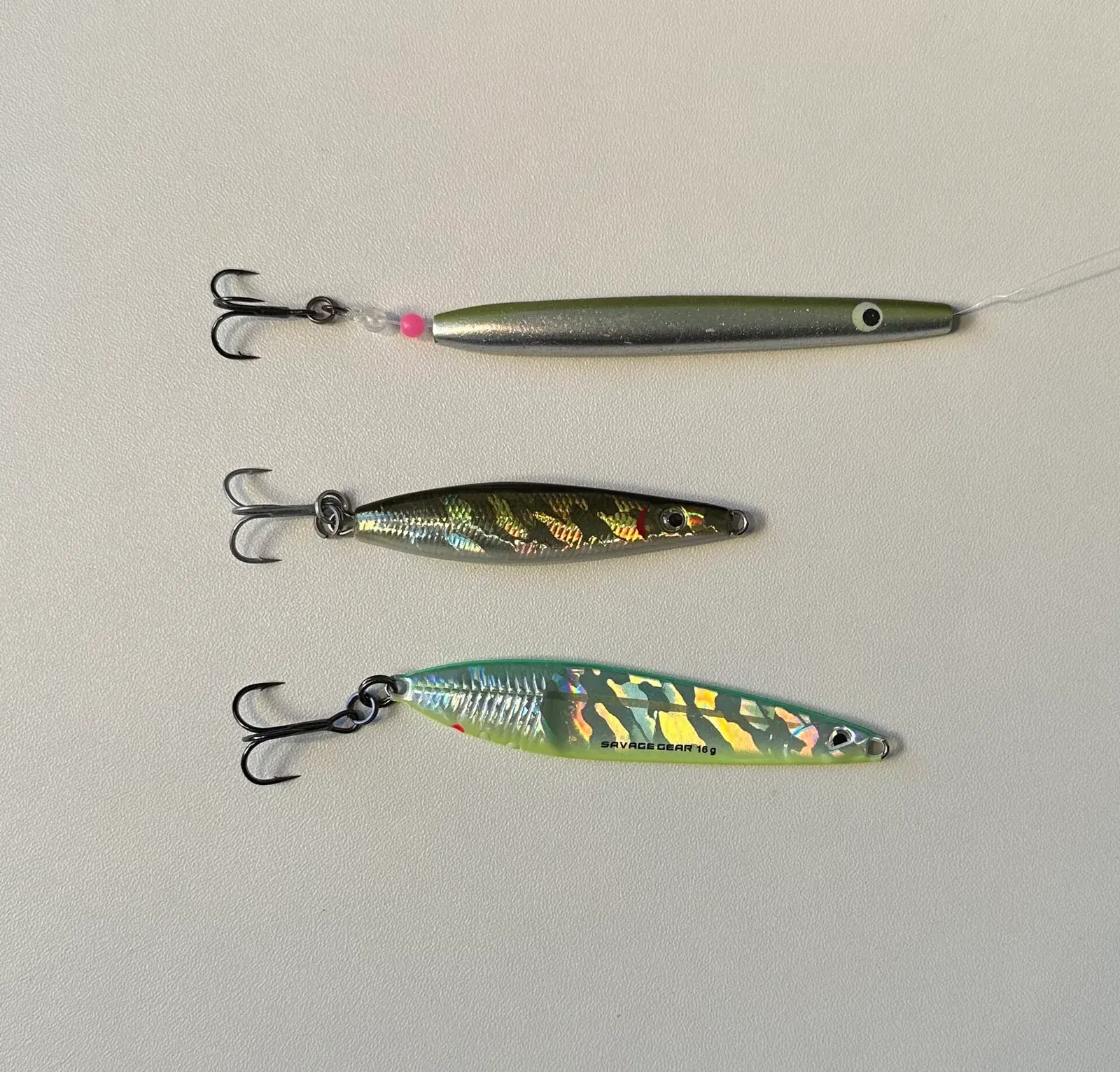
Adult bull trout eat fish. In Montana’s Flathead Lake, fish made up more than 99% of their food by weight, and Washington’s biologists call them aggressive predators that take lures and flies that look like fish, such as spoons and Rapalas. Where the open water is a river, Washington names casting as the method of choice. The trout lures page covers the spoons, spinners and minnow baits that imitate that prey.
Timing follows the rules more than the fish. In Montana the harvest window on Hungry Horse runs from mid-May to mid-August, and the South Fork Flathead opens only in July. In Oregon, the state’s own guide to the Central Zone points to a winter bull trout fishery on the Metolius River.
Handle every fish as if it will be released, because nearly all of them must be. Montana’s regulations advise barbless hooks, a short fight and the fish kept in the water while you unhook it. On a deep hook, cut the line and leave about 1 in (2.5 cm) of leader hanging from the mouth rather than pulling the hook out. An Idaho study of 278 bull trout found no difference in survival after up to 60 seconds in the air, but in Washington’s closed waters the fish may not leave the water at all. How to hold a trout shows the grip that does the least harm.
How big do bull trout get?
It depends on the life the fish leads. Montana’s field guide puts stream-resident adults at 6–12 in (15–30 cm), while migratory adults commonly pass 24 in (60 cm). Washington’s biologists give an average of 12–20 in (30–51 cm). In Flathead Lake they reach trophy sizes of up to 25 lb (11 kg).
The IGFA all-tackle world record is a 32 lb (14.51 kg) bull trout caught by N. Higgins in Lake Pend Oreille, Idaho, on October 27, 1949. Idaho’s Fishing Planner for the lake still names it as the home of that record. Today the same lake is catch-and-release for bull trout. Washington’s state record is 22.50 lb (10.2 kg), caught by Louis Schott in the Tieton River on April 23, 1961.
The IGFA also keeps length records for released fish. Its fly length record for bull trout is 81 cm (32 in), from near Fernie, British Columbia, in 2011.
How cold does the water need to be?
Colder than most cold-water fish need, by Oregon Sea Grant’s account. Idaho’s Office of Species Conservation says bull trout are rarely found in water warmer than around 60 °F (16 °C). Oregon Sea Grant gives 52–59 °F (11–15 °C) as the range they need to survive, and says spawning begins in the fall when the water drops below 48 °F (9 °C).
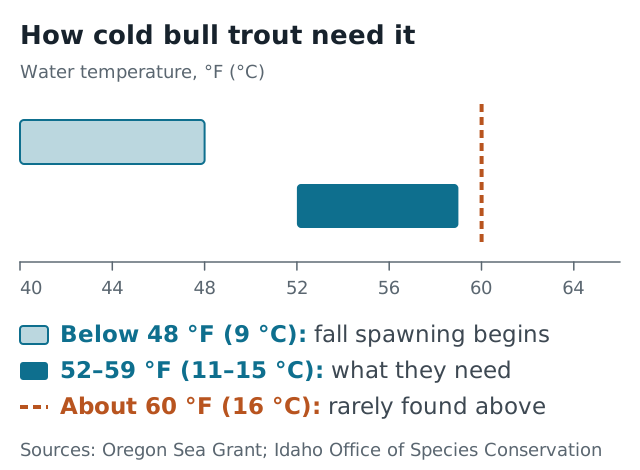
That is why bull trout water is mountain water: cold rivers and lakes, and the headwater streams where they spawn. The trout water temperature chart gives the limits for rainbow, brown, brook and lake trout to set beside these. The Fish and Wildlife Service sums up the habitat in four words: cold, clean, complex and connected.
Are bull trout good to eat?
You will rarely get the chance to find out. Across most of their range bull trout must be released, and the waters that allow harvest cap it hard. Hungry Horse Reservoir in Montana allows one fish a license year. Lake Billy Chinook in Oregon allows one fish of 24 in or more within the trout limit. If you do keep a legal fish in Montana, kill it at once and log it on your catch card, as the rules require.
How do bull trout live and spawn?
Bull trout follow four life histories, by the Fish and Wildlife Service’s count. Resident fish stay in one stream. Fluvial fish move between small streams and rivers. Adfluvial fish live in a lake and spawn in its tributaries. And some go to sea and come back to fresh water to spawn. Montana’s field guide records migratory bull trout moving up to 156 miles (250 km) between lakes, rivers and tributaries.
They mature late, at four to seven years by the Fish and Wildlife Service’s count, and may spawn every year or every other year, so a spawner can return to spawn again. Spawning runs from August to November, sometimes into December. The female digs a redd in clean gravel and lays an average of 5,000 eggs. The eggs stay in the gravel for up to 210 days, and the young spend one to four years in their home stream before moving down to a river, a lake or the sea.
Montana’s field guide says bull trout do not tolerate high sediment in their spawning streams, because it can suffocate the eggs before they hatch. The trout hub covers the other trout that share their rivers.
Free PDF · 16 pages
Know what's biting before your first cast
The Water Temperature Fishing Chart. Take one water temperature reading, find it on the chart, and you know which of 26 freshwater fish are feeding today, where they are and what to throw. For your phone and the tackle box.
- Where they sit and what to throw at every band: bass, crappie, bluegill and walleye; catfish by species; trout: when to stop and where they hide
- The best hours at your reading, the cold front day by day, and the spawn calendar from ice-out to midsummer
- The three thermometer mistakes that make a reading lie (the first one is the surface)
- The 26-fish chart: who's spawning, feeding hard or shut down at your reading
Every number from state fish and wildlife agencies and fisheries research: 61 sources, all on the site.
Enter your email, confirm it with one click, and the PDF is in your inbox. Plus one email a week on what's biting. Unsubscribe anytime. Privacy.
Related
Section guide
Trout: The Fish, Where They Live, When They Bite and How to Catch ThemTrout are cold-water fish of the salmon family. The five you'll catch, the 68 °F line, when each spawns and how to catch them; every type on its own page.
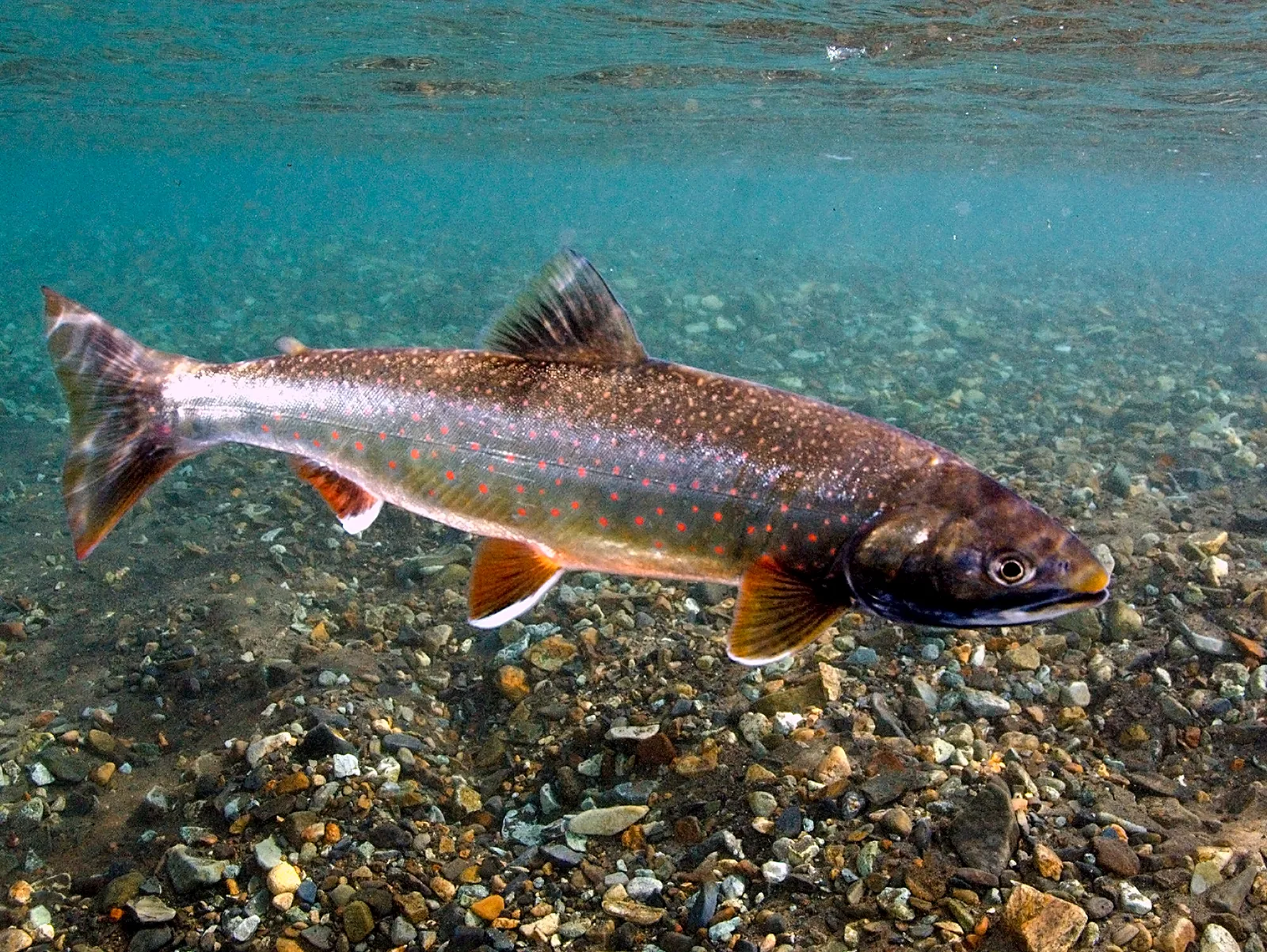 Dolly Varden: Alaska's Sea-Run Char and How to Catch One
The Dolly Varden is a char, not a trout: how to tell it from Arctic char and bull trout, where it runs, when to fish for it and the 20 lb record.
 Golden Trout: California's State Fish and Where to Catch One
The California golden trout: native to two Kern Plateau creeks, stocked in high lakes from Wyoming to Washington, and the 1948 record Wyoming now doubts.
 Trout Lures: Spinners, Spoons, Jigs and Minnows, and How to Fish Each
Trout lures come in five types: inline spinners, spoons, micro jigs, sinking minnows and jerkbaits, mostly 1/64–1/4 oz. Sizes by trout, colors by water.
 Types of Trout: Every US Trout and Char and How to Tell Them Apart
The types of trout in the US, rainbow and brown to bull trout and Arctic char: the group each belongs to, where it is native, and the one mark that IDs it.
 Cutthroat Trout: Subspecies, Identification and How to Fish
Cutthroat trout: how to tell one from a rainbow or cutbow, each subspecies with its range, size, spots and status, how to fish them, the 41 lb record.
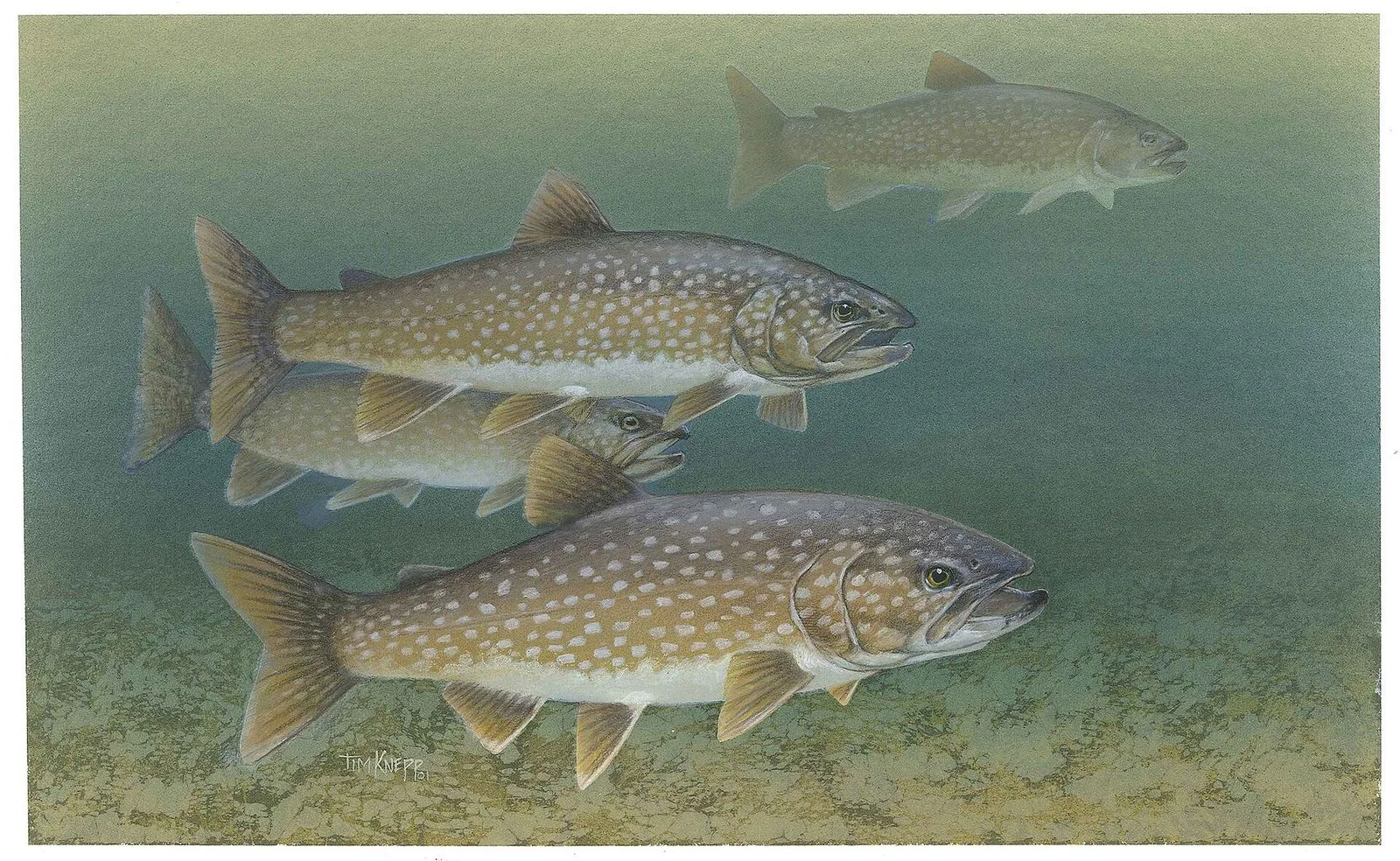 Lake Trout: The Deep-Water Char That Lives 60 Years
Lake trout are deep-water chars that live 60 years: how to tell one apart, where they hold by season, the 72 lb record and the Great Lakes comeback.
Sources
- U.S. Fish & Wildlife Service, Bull Trout (Salvelinus confluentus)
- Montana Fish, Wildlife & Parks, 2026 Bull Trout Regulations
- Montana Fish, Wildlife & Parks, Bull Trout
- Montana Field Guide, Bull Trout
- Washington Department of Fish & Wildlife, Bull trout (Salvelinus confluentus)
- Oregon Fishing Regulations 2026, Central Zone
- Oregon Department of Fish and Wildlife, Central Zone fishing
- Idaho Fish and Game Fishing Planner, Lake Pend Oreille (Fishing Rules 2025–2027)
- Idaho Governor's Office of Species Conservation, Bull Trout
- Oregon Sea Grant, Bull Trout (Willamette River Basin native fishes)
- Western Native Trout Initiative, Bull Trout
- Western Native Trout Initiative, Dolly Varden
- Oregon Department of Fish and Wildlife, Bull trout identification guide
- California Department of Fish and Wildlife, Bull Trout
- Roth, C. J., Schill, D. J., Quist, M. C. and High, B. (2018), Effects of summer air exposure on the survival of caught-and-released salmonids, North American Journal of Fisheries Management 38(4): 886–895
- IGFA World Records, Trout, bull
- U.S. Fish & Wildlife Service, Bull trout and kokanee salmon at Gold Creek, WA State (photo, Roger Tabor)