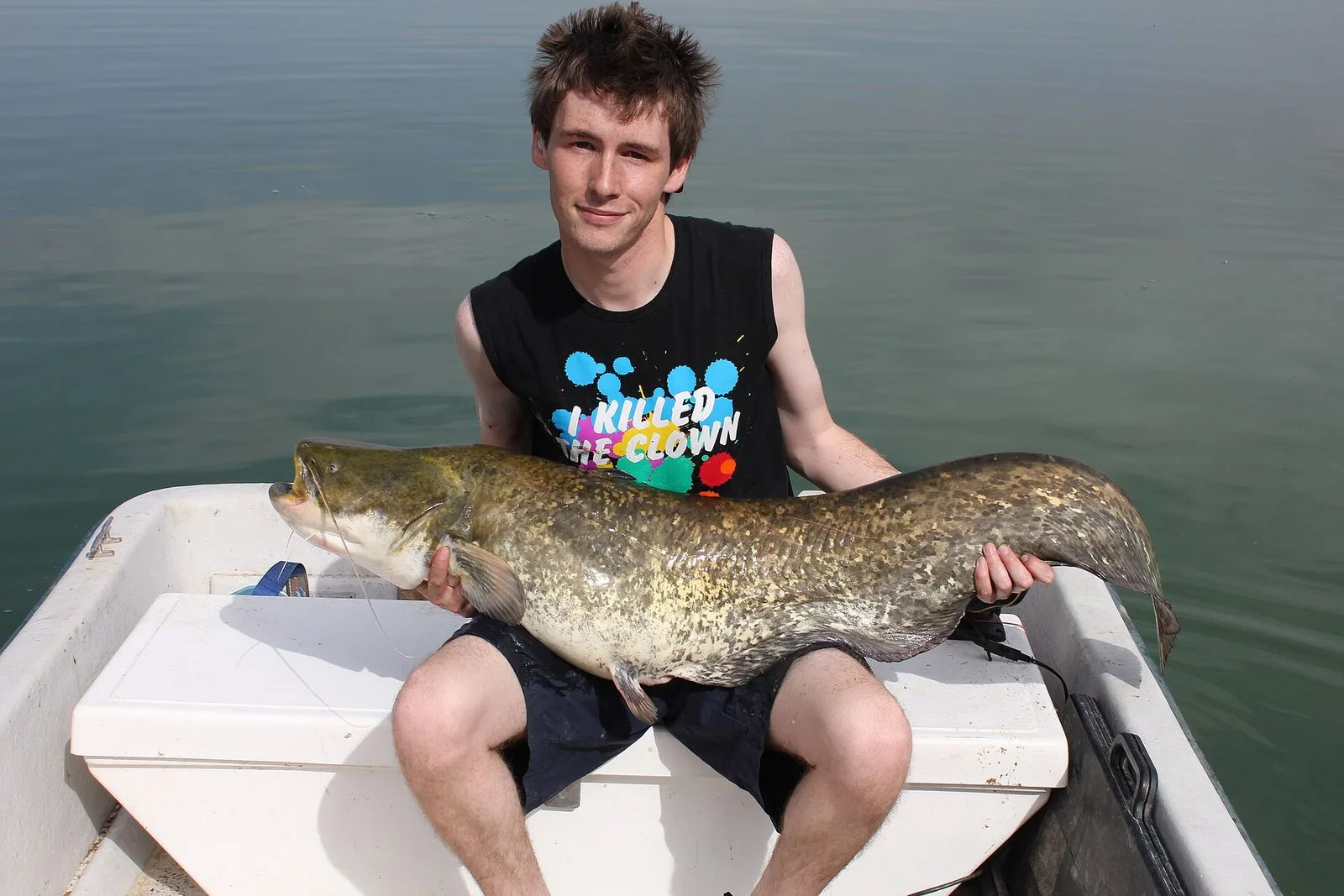
The wels catfish is Europe’s giant catfish, a scaleless, long-finned predator that holds the heaviest catfish record in the International Game Fish Association’s book: 297 lb 9 oz (134.97 kg), from Italy’s River Po in 2010. It is native from Germany to Kazakhstan, and anglers travel to Spain and Italy for the big ones. You will not meet one in America: since 2016 the wels has been a federal injurious species, and live fish may not be imported.
Of the 22 IGFA line-class records for the wels, 21 come from one Spanish river system, the Ebro, where the fish was first released in 1974.
How do you recognize a wels catfish?
By the fins. A wels has a tiny dorsal fin of one spine and four or five soft rays. Underneath, the anal fin runs most of the body’s length with 83–95 soft rays, according to FishBase. No North American catfish comes close: a blue catfish has 30–35.
The 2016 federal rule describes the rest. The body is “strong, elongated, scaleless, mucus-covered … with a flattened tail”. It is usually “mottled with dark greenish-black and creamy-yellow sides”. There are six barbels: two long ones at the sides of the mouth and four shorter ones under the jaw, where an American catfish carries eight barbels.
Small wels can be mistaken for a walking catfish, a commenter on the 2016 rule pointed out, because both have long anal fins. The dorsal fin separates them: the walking catfish has one that runs most of the back, with 60–76 rays.
The fish has a name in every country it lives in. The IGFA lists “wels, weller, siluro, som, European catfish, sheatfish, malle, Danube catfish”. In Spain and Italy it is the siluro.
Is there any wels catfish in America?
Not in the wild, and not legally imported since October 31, 2016. That day the U.S. Fish and Wildlife Service’s listing took effect, and the wels became an injurious species under the Lacey Act. Importing “any live animal, gamete, viable egg, or hybrid” is banned. The rule found that the fish “is not found in the wild in the United States”. It counted only 25 import events from 2011 to 2015 for the wels and three other newly listed species together, worth $5,789 in all.
The worry is the climate. The service’s 2026 risk screening rates the wels High risk, with a climate match of 0.921 for the contiguous states. The best matches are the Great Basin, the Great Lakes, the Appalachians and the Northeast. The 2016 rule named the native fish most at risk from competition: “northern pike, walleye, and sauger”. It added: “We know of no effective methods of control once this species is introduced.”
Some wels may already be here. The 2026 screening found hobbyist forum posts seeking the fish since 2016, one of them offering a specimen for sale in California, and specimens “advertised for thousands of dollars”. It counts “an unknown number of specimens” still in the country.
Moving one between states is a state matter. In April 2017 a federal appeals court held, in USARK v. Zinke, that the Lacey Act’s shipment clause covers shipments between the continental United States and the territories, not between states. The states fill that gap. Indiana, Michigan, Minnesota and Ohio prohibit the wels outright; Alabama, Georgia, Illinois, Kansas and Texas regulate it. “Wels catfish for sale” in the United States therefore means a fish that cannot legally be imported and is banned in at least four states.
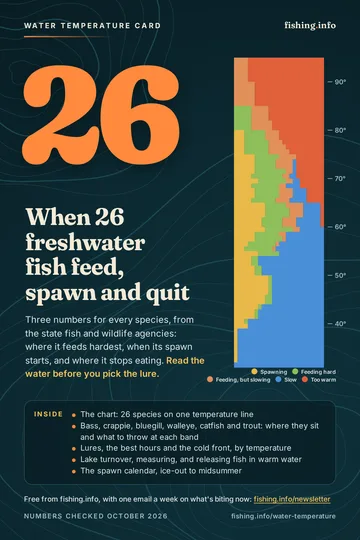
Free card: what 26 species do at your water temperature
Plus one email a week on what's biting now. No sales pitches. Privacy.
Where do wels live?
The native range is eastern and central Europe and western Asia: the North, Baltic, Black, Caspian and Aral Sea basins, north to southern Sweden and Finland, and the Aegean basin in Turkey. It is absent from the rest of the Mediterranean. The IGFA adds that the wels enters brackish water in the Baltic and Black Seas and spawns in the salt water of the Aral.
The famous fishing is in introduced water. England got its first wels in 1880, released for sport at the Woburn Abbey estate. Spain, Italy and France stocked them for sport and fish farms, and the Netherlands for predator control after its pike were overfished. In Spain the fish was introduced in 1974 in the Segre, a tributary of the Ebro, according to the Spanish national museum of natural sciences (MNCN-CSIC); the federal screening repeats FishBase’s 1980s. From there it reached the lower Ebro and the Mequinenza and Riba-roja reservoirs, then the Tagus (2001), the Ter (2003) and the Guadalquivir (2011).
Wels want slow, deep water with cover: “slow-moving rivers, backwaters, shallow floodplain channels, and heavily vegetated lakes”, in the 2016 rule’s words, resting in crevices and root tangles. They tolerate water from freezing to at least 86 °F (30 °C) and do best at 77–81 °F (25–27 °C). The fry die in winter water below 55 °F (13 °C), which may limit the fish in the north.
Where are the record wels caught?
On the Ebro. The IGFA’s database, read on October 17, 2026, lists 22 conventional line-class records for the wels, men’s and women’s, from 2 lb to 130 lb line. Twenty-one are from the Ebro system. The one exception is Attila Zsedely’s Po River fish, which holds the all-tackle record and the men’s 80 lb class at once.
| Line class | Men’s record | Women’s record | Water |
|---|---|---|---|
| 2 lb (1 kg) | 16 lb 5 oz (7.40 kg), Joachim Ochmann, 2025 | 11 lb 4 oz (5.10 kg), Agnieszka Szelag, 2024 | Rio Ebro |
| 4 lb (2 kg) | 22 lb 1 oz (10.00 kg), Ochmann, 2024 | 13 lb 7 oz (6.10 kg), Szelag, 2024 | Rio Ebro |
| 6 lb (3 kg) | 47 lb 1 oz (21.35 kg), Ochmann, 2022 | 28 lb 5 oz (12.85 kg), Szelag, 2022 | Rio Ebro |
| 8 lb (4 kg) | 102 lb 1 oz (46.30 kg), Ochmann, 2021 | 48 lb 12 oz (22.10 kg), Szelag, 2021 | Rio Ebro |
| 12 lb (6 kg) | 156 lb 15 oz (71.2 kg), Ochmann, 2016 | 68 lb 9 oz (31.1 kg), Szelag, 2016 | Rio Ebro |
| 16 lb (8 kg) | 140 lb 11 oz (63.80 kg), Ochmann, 2022 | 84 lb (38.10 kg), Szelag, 2021 | Rio Ebro |
| 20 lb (10 kg) | 123 lb 7 oz (56 kg), Ochmann, 2015 | 101 lb 10 oz (46.10 kg), Szelag, 2024 | Rio Ebro |
| 30 lb (15 kg) | 167 lb 2 oz (75.80 kg), Ochmann, 2021 | 90 lb 10 oz (41.10 kg), Szelag, 2021 | Rio Ebro |
| 50 lb (24 kg) | 141 lb 2 oz (64.00 kg), Ochmann, 2024 | 130 lb 15 oz (59.40 kg), Szelag, 2024 | Rio Ebro |
| 80 lb (37 kg) | 297 lb 9 oz (134.97 kg), Attila Zsedely, 2010 | 101 lb 14 oz (46.20 kg), Szelag, 2022 | River Po (men); Rio Ebro (women) |
| 130 lb (60 kg) | 190 lb (86.2 kg), Ochmann, 2016 | 150 lb (68.04 kg), Amy O’Brien, April 16, 2025 | Rio Ebro (men); Segre at Mequinenza (women) |
One angler, Joachim Ochmann, holds all ten men’s classes from Spain; Agnieszka Szelag holds ten of the eleven women’s. Line-class records are set where a few anglers fish one river hard for years, and the table shows it. It also shows that a record on 12 lb line can outweigh the records on 16 and 20 lb: the book records who fished which line, not what each line can land. The line class entry in the glossary explains the categories.
The junior book points the same way. Its biggest wels, 175 lb (79.38 kg), came from Mequinenza on August 17, 2026, caught by Archie McIntyre Spillard.
How big do wels catfish get?
The heaviest on record is Zsedely’s Po fish of March 11, 2010. The IGFA lists it at 297 lb 9 oz (134.97 kg). FishBase still gives a maximum published weight of 130 kg and a length of 273 cm, both below that record. The IGFA keeps no length record for the wels at all. That is why the 285 cm Po fish of 2023 and the 292 cm Polish fish of 2025, both measured and released, are national and media records only; the world record catfish page tells both stories.
Growth is fast in warm water. In Spain, the MNCN account gives 20–30 cm (8–12 in) in the first year and about 100 cm (39 in) at six or seven years, with males growing faster after four or five. Lifespan runs 15–30 years on average, up to 26 in Spain; FishBase repeats a reported maximum of 80 years.
How do anglers fish for wels?
Keith Lambert, a British wels angler, set out the European methods for American readers in In-Fisherman in 2014. He calls klonking “the most successful method for wels catfish in Europe”. The klonk is a wooden hand tool with a small round head, pulled through the surface to make a deep, resonant sound that draws wels to the bait. It is fished from a drifting boat over the deepest water, usually outside river bends, with a sonar unit, about one stroke a second, faster in fast current.
| Method | Where and when | Rig | Bait |
|---|---|---|---|
| Klonking | Drifting a boat over deep outside bends | 3–10 oz egg sinker on 80–150 lb braid, 30 in Kevlar leader, 4/0–12/0 hook | Livebait (eel, carp), whole squid, gobs of nightcrawlers |
| Float fishing | From an anchored boat above holes and drop-offs in current | Big float, egg sinker, about 18 in of 20–40 lb mono or Kevlar, 2/0–8/0 hook | Livebait up to 2–3 lb (0.9–1.4 kg), set at several depths |
| Poly-ball leger | From the bank, close to snags | Sliding lead, poly ball a few inches above the hook; leader up to 3 ft in open water, 10–12 in near brush | Livebait, cutbait, worms |
| Buoy (bottle) rig | Long range from the bank, in current | Bait hung from a line clipped to an anchored buoy; 10–11 ft rod, 50–80 lb braid | Livebait as big as 3–4 lb carp |
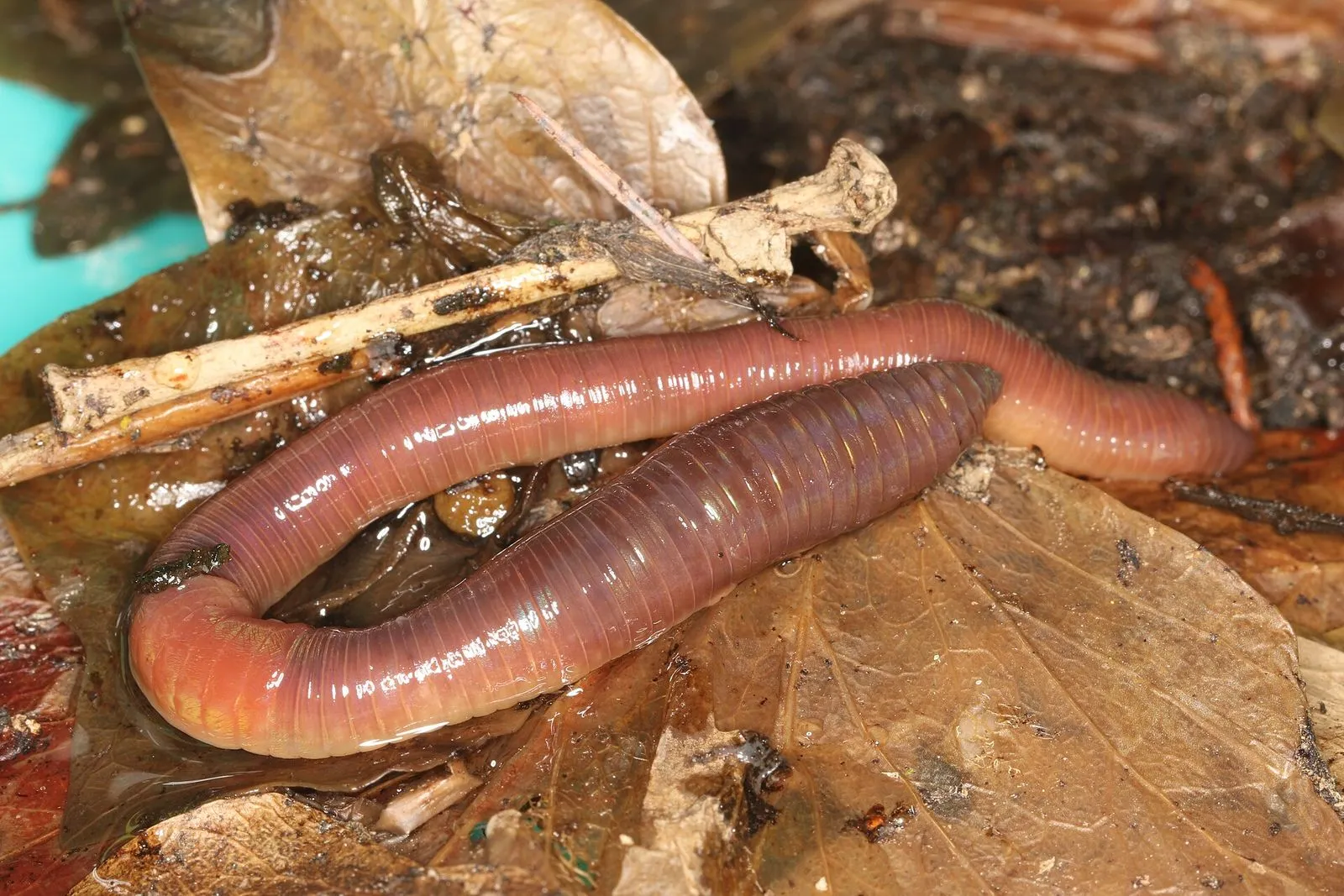
Worms are not only for small fish: Lambert has “taken plenty of wels up to 105 pounds on worms”. The slip rig he describes is the same idea as the Carolina rig for catfish, scaled up.
Check the local rules before you go. Spain lists the wels in its catalog of invasive alien species (Royal Decree 630/2013), which forbids keeping, moving, selling or releasing it and using it as bait. The MNCN account notes rules in Catalonia and Aragón that require captured wels to be killed. Regional orders change, so read the current one for the water you fish.
Are wels catfish dangerous to people?
The best evidence says no. The 2016 federal rule found “no documentation to confirm harm to humans”, and when a commenter objected, the service answered that it had found “no scientific documentation of human attacks”. The fish is a “solitary ambush predator but is also an opportunistic scavenger”, mostly active at night.
What it does eat is remarkable. Adults take fish of at least 55 species, crayfish, small mammals and waterfowl. On the Tarn River in Albi, France, researchers watched wels of 90–150 cm (3–5 ft) slide onto a gravel island to grab the pigeons that gathered there to drink and bathe. Each beaching lasted from under a second to four seconds, and 28 percent of the attempts caught a bird. The 2012 paper called them “freshwater killer whales”. The authors noted that, as far as they knew, the behavior had not been reported in the native range.
Can you eat a wels catfish?
Yes. It is farmed in Europe, and Hungary, Poland, Slovakia and Lithuania prize its “tender white meat”, the 2026 screening notes. Farm production in ten European countries grew from 600 tonnes in 1993 to 2,000 tonnes in 2002. A wild fish from an industrial river is another matter; the local health advice for that water applies, as it does to any big, long-lived predator.
When do wels spawn?
From April to June, at 64–72 °F (18–22 °C), and later in the north. The male builds a nest of plant material in shallow water and guards it. A female carries 13,000–20,000 eggs per kilogram of body weight, and the eggs hatch in two to ten days, depending on the water. Maturity comes at two to four years, depending on the source. For the American giants, start at the catfish hub.
Gear for catfish
Gear guide
Best Catfish Bait: What Channel, Blue and Flathead Catfish EatThe best catfish bait by species: cut shad for blues, punch and dip baits for channels, live bluegill for flatheads, and which prepared baits to buy.
Gear guide
Catfish Rods: Length, Power, the Soft Tip, and the Reviewers' PicksCatfish rods explained: 7–10 ft, medium-heavy, a soft glass tip on a strong butt, sinker ratings by species, and the reviewers' picks with maker specs.
Free download
The water temperature card
Read your water temperature and the card tells you who is spawning, who is feeding and what to throw. 26 species, 16 pages, for your phone and the tackle box.
Plus one email a week on what's biting now. No sales pitches. Privacy.
Related
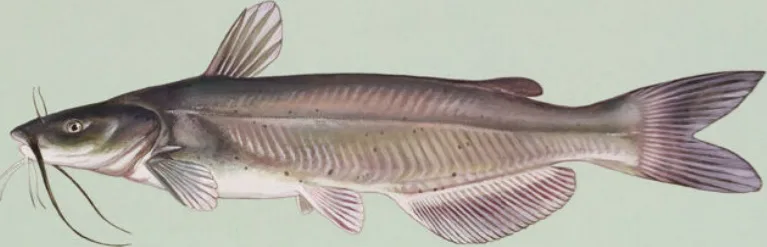
Section guide
Catfish: Species Identification, Baits, Seasons and RecordsThe catfish species anglers catch most, channel, blue and flathead first: how to tell them apart by the anal fin, when they spawn, what bait each wants.
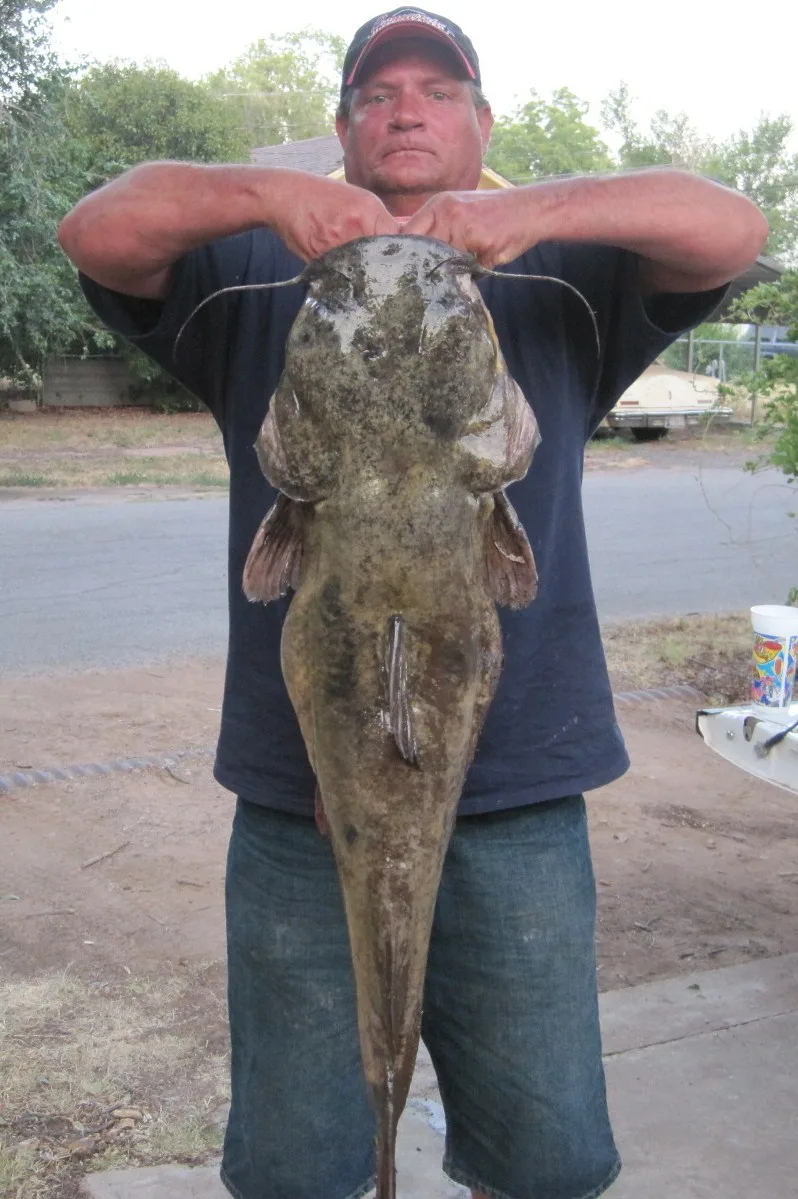 Noodling Catfish: How It Works, Where It Is Legal, Staying Safe
Noodling catfish means pulling a nest-guarding flathead from its hole by hand. How it is done, every state's season and rules, and what hurts people.
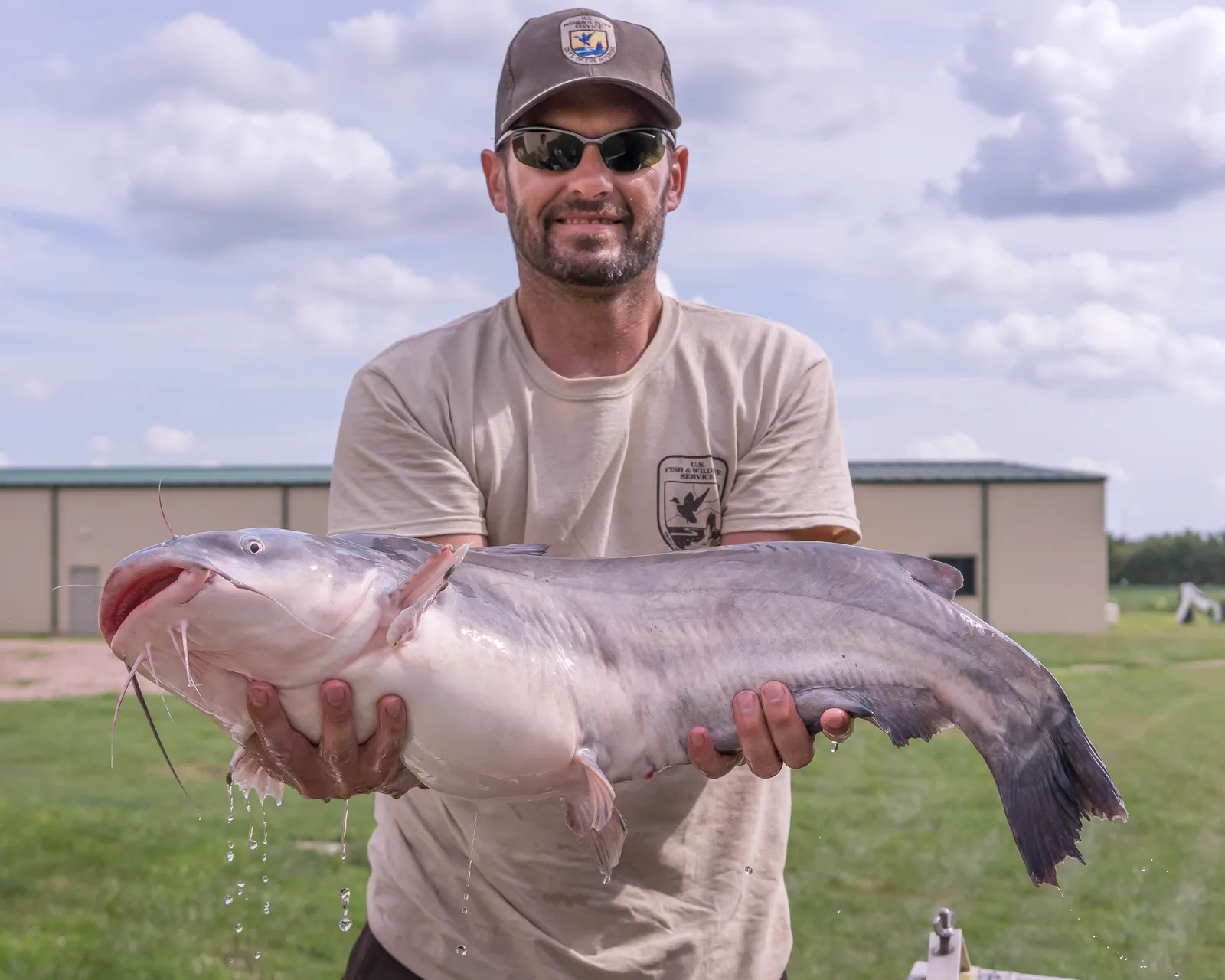 World Record Catfish: Blue, Flathead, Channel, Wels, Mekong Giant
Every world record catfish: the 143 lb blue, 123 lb flathead, 58 lb channel of 1964, 297 lb wels and 646 lb Mekong giant, and how a record is certified.
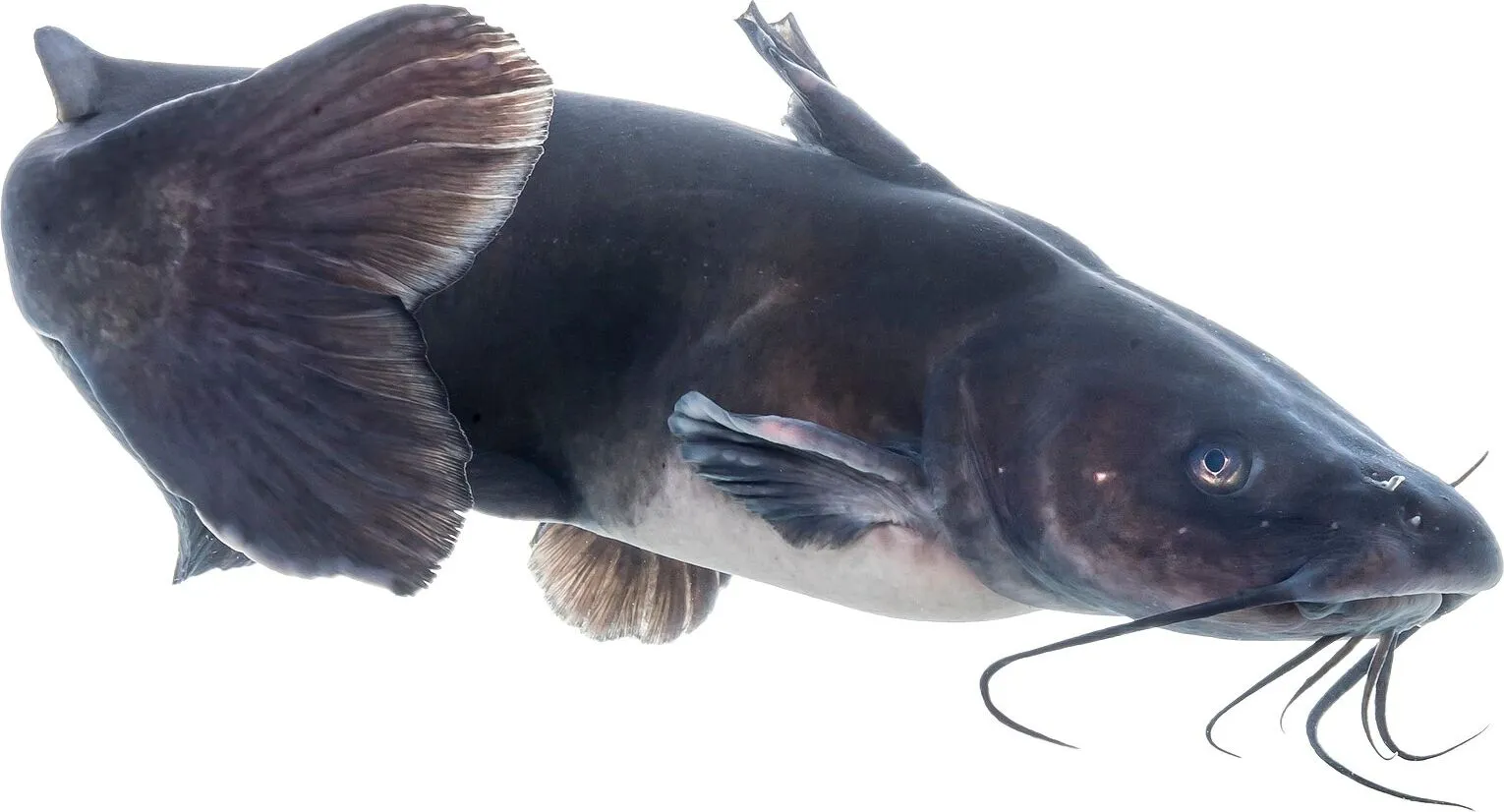 How to Hold a Catfish Without Getting Stung, Small to Big
How to hold a catfish safely: where the three spines are, the grip behind the pectoral fins for small fish, the lip grip for big ones, and first aid for stings.
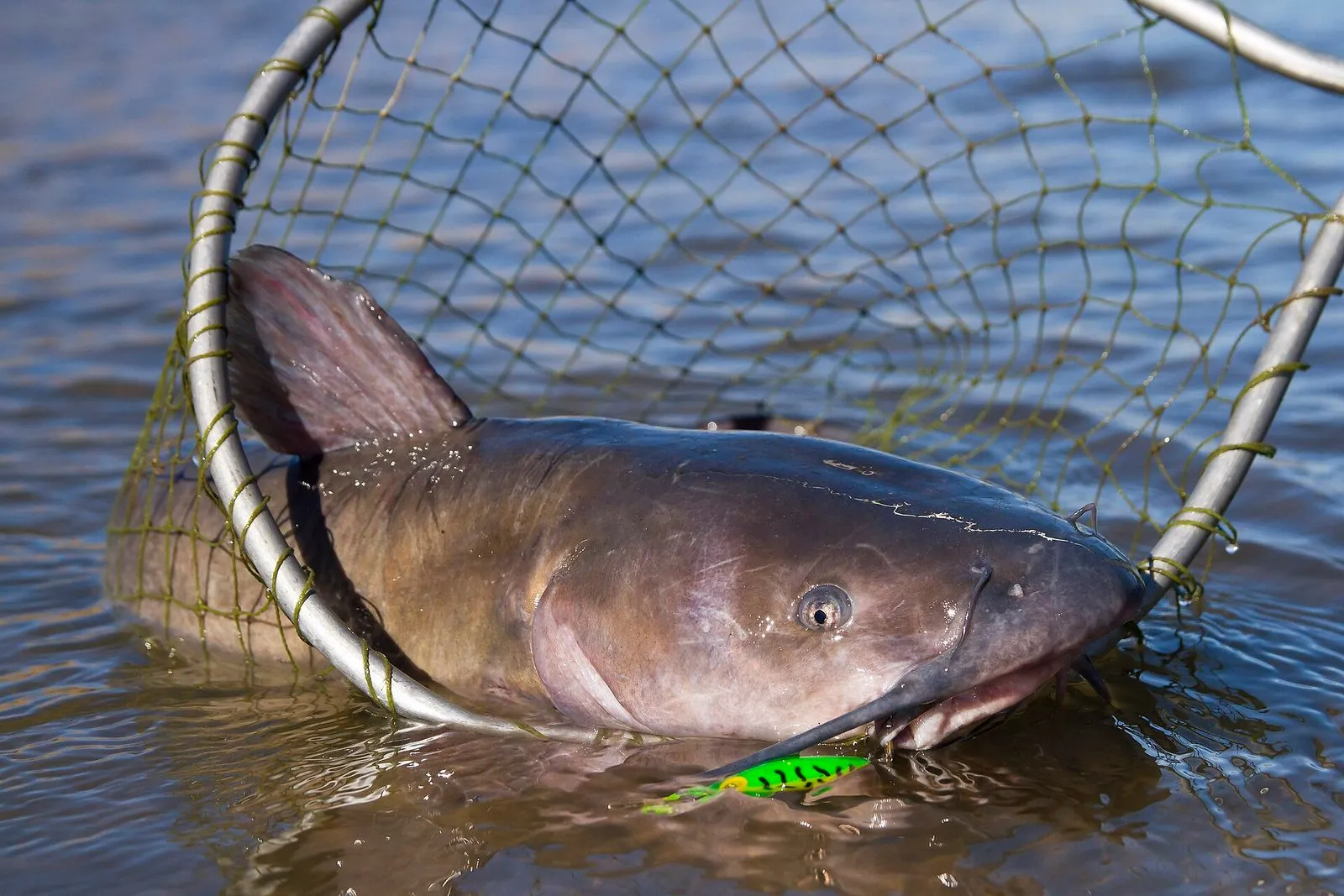 Catfish Rigs: The Five That Matter and When to Use Each
The five catfish rigs the guides use, slip sinker, Santee Cooper, three-way, slip float and bottom rig, with sinker weights, hook sizes and when to use each.
- Best Catfish Bait: What Channel, Blue and Flathead Catfish Eat
The best catfish bait by species: cut shad for blues, punch and dip baits for channels, live bluegill for flatheads, and which prepared baits to buy.
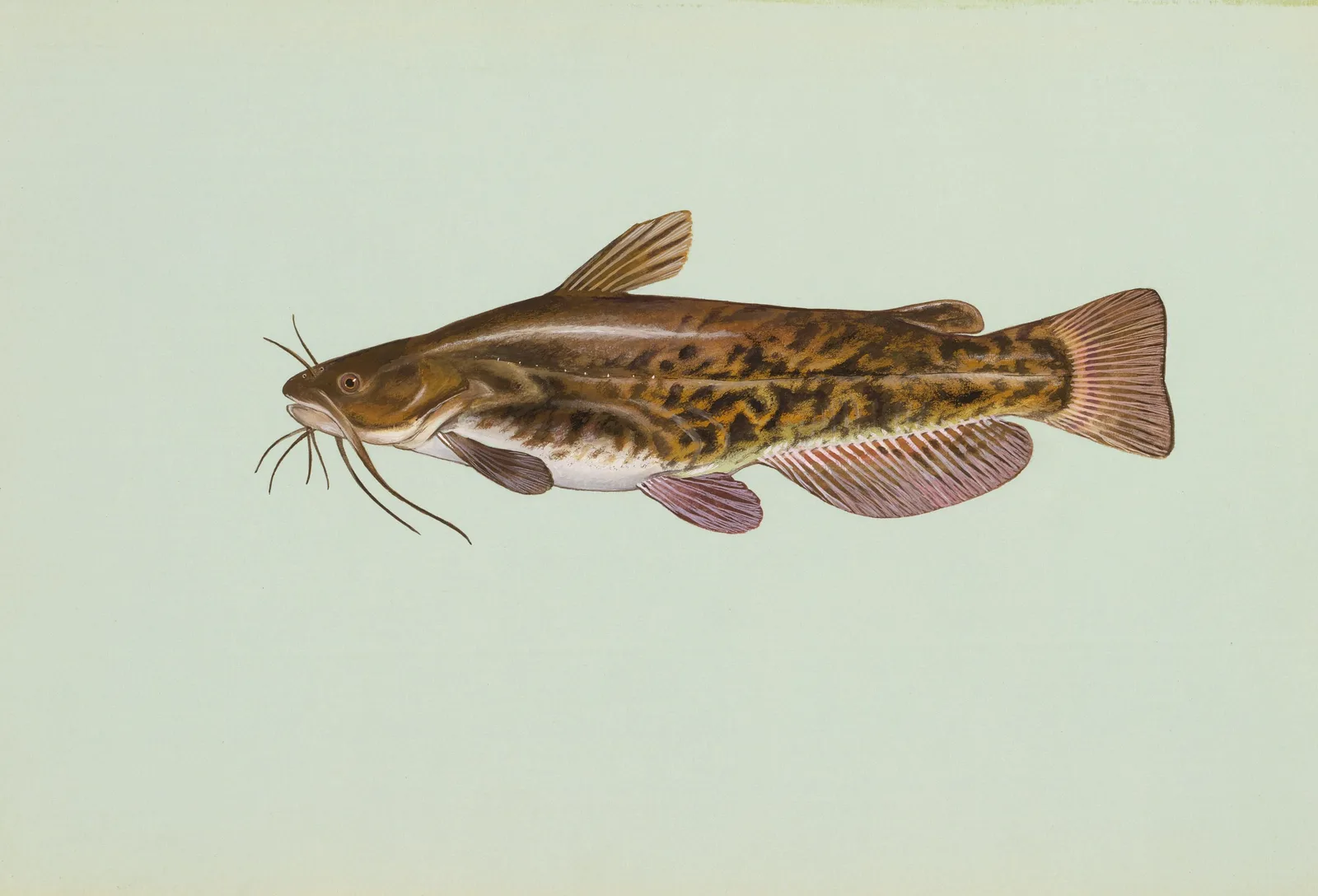 Bullhead Catfish: Black, Brown and Yellow Bullheads Compared
Bullhead catfish come in three kinds: black, brown and yellow. Tell them apart by chin barbels and spine teeth; catch them after dark on half a nightcrawler.
Sources
- IGFA world record search: wels, all-tackle, line-class, fly and junior records (read October 17, 2026)
- U.S. Fish and Wildlife Service, Injurious wildlife species; listing 10 freshwater fish and 1 crayfish, final rule, 81 FR 67862 (September 30, 2016)
- U.S. Fish and Wildlife Service, Wels catfish (Silurus glanis) Ecological Risk Screening Summary (web version July 2026)
- Electronic Code of Federal Regulations, 50 CFR 16.13, importation of live or dead fish
- The Wildlife Society, Court affirms ruling on interstate commerce of injurious species (USARK v. Zinke, April 2017)
- FishBase, Silurus glanis summary
- Carol Bruguera and García-Berthou, Siluro (Silurus glanis), Enciclopedia Virtual de los Vertebrados Españoles, MNCN-CSIC
- Real Decreto 630/2013, Spanish catalog of invasive alien species (BOE)
- Cucherousset et al. 2012, Freshwater killer whales: beaching behavior of an alien fish to hunt land birds, PLoS ONE 7(12): e50840
- In-Fisherman (Keith Lambert), European catfish rigs (April 2014)