 By
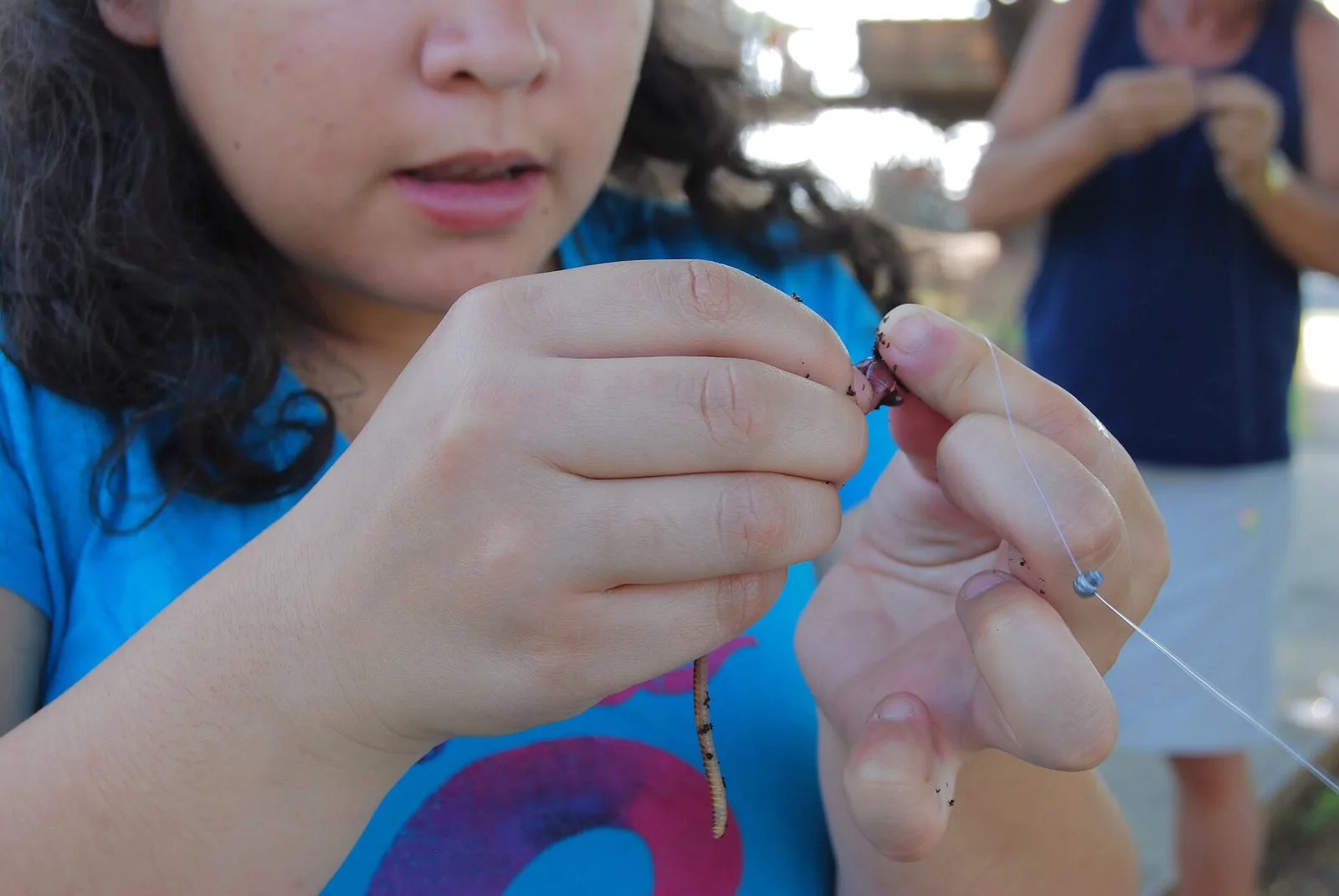
For trout bait, drift a worm for wild fish and float dough like PowerBait for stocked ones. What decides it is less the species than where the trout grew up. A wild trout in a creek eats the insects and worms the current brings it. A stocked rainbow spent its first year eating hatchery pellets, so scented dough looks like food to it. Most trout anglers use one of four baits: worms, salmon eggs, dough bait, and small grubs such as mealworms. Before you bait up, read the water’s rules. On much of the best trout water, any bait gets you a ticket.
In Rhode Island a kernel of corn on the hook is illegal in any designated trout water. In Yellowstone, so is a worm: the park bans every bait, down to a plastic twister tail.
Which bait, which rig, which hook?
Keep your line light for all of it: 4 or 6 lb monofilament, and 2 lb for the smallest salmon eggs. At a creek, start with a worm. At a stocked pond, start with the dough.
| Bait | Best for | Rig | Hook | Where it’s banned |
|---|---|---|---|---|
| Nightcrawler, whole | Wild and stocked trout in streams, after rain | Split shot drifted, or a slip float | #6–#8 baitholder | Not on artificial-only water |
| Garden worm, half a crawler | Small-stream trout | Threaded, drifted into pools on split shot | #8–#12 J hook | Not on artificial-only water |
| Salmon egg, single | Stocked and wild trout, clear water | Split shot, or a float near inlets | #10–#14 egg hook | Not on artificial-only water |
| Floating dough (PowerBait) | Stocked trout in lakes and ponds | Sliding sinker, 12–24 in (30–60 cm) leader | #12–#16 treble | Counts as bait, scent and all |
| Mealworm, waxworm | Stocked trout in ponds | Bobber or split shot | #10–#12 J hook | Not on artificial-only water |
| Live minnow, 1–2 in (3–5 cm) | Big browns, lake fish | Bobber or slip-sinker rig | #6–#8 Aberdeen or octopus | Banned in Utah and most of Colorado |
| Canned corn | Stocked trout in ponds | Split shot or sliding sinker | #10–#12 J hook | Banned in Rhode Island trout waters |
| Cricket, grasshopper | Stream trout, late summer | Drifted on the surface, no weight | #6–#8 long-shank | Not on artificial-only water |
Utah’s Division of Wildlife Resources gives a #12–#16 treble for dough and a #8–#12 J hook for a worm or other natural bait. The dough, garden-worm, grub and corn hooks sit inside those sizes. The nightcrawler, egg, minnow and cricket hooks are the standard trout sizes on the hook size chart.
Does it float or sink?
Know which one you have, because that decides the rig. Artificial baits come in floating or sinking versions. A floating dough lifts the hook off the bottom on a leader. It sits up above the weeds, where a cruising trout sees it.
Worms, real salmon eggs and mealworms sink. You drift them along the bottom on a split shot or hang them under a bobber.
Some baits go either way. In a lake, roll Fire Bait into a ball. That’s how many anglers fish dough for trout when they “want to float it off the bottom,” Isaac Zettle writes on Pautzke’s blog. In current, he rolls the same dough into a worm shape and pinches a split shot right above the hook so it sinks. Utah’s bobber option is a marble-sized piece of sinking dough under a float, on a #12–#16 treble or a #10–#12 J hook.
Not sure which you have? Drop the baited hook in the shallows. A floater rises, a sinker goes straight down.
Free PDF · Freshwater fish identification chart Which fish is that? Tell the look-alikes apart.
Print the free 4-page chart: 28 freshwater fish in 8 families, each with its picture and the two to four marks that tell it from the fish beside it.
No card, nothing to buy, and the PDF is yours to keep. It's in your inbox a minute later. Then a few short emails and one a week on what's biting. Unsubscribe anytime. Privacy.
How do you rig a worm?
Start with a garden worm, especially in spring. Idaho Fish and Game calls garden worms “the best and most often used trout bait.” Spring is when they turn up in rivers, creeks, lakes and ponds after a period of rainfall. Garden worms run two to five inches. Nightcrawlers are bigger, and you can buy them almost anywhere that sells bait.
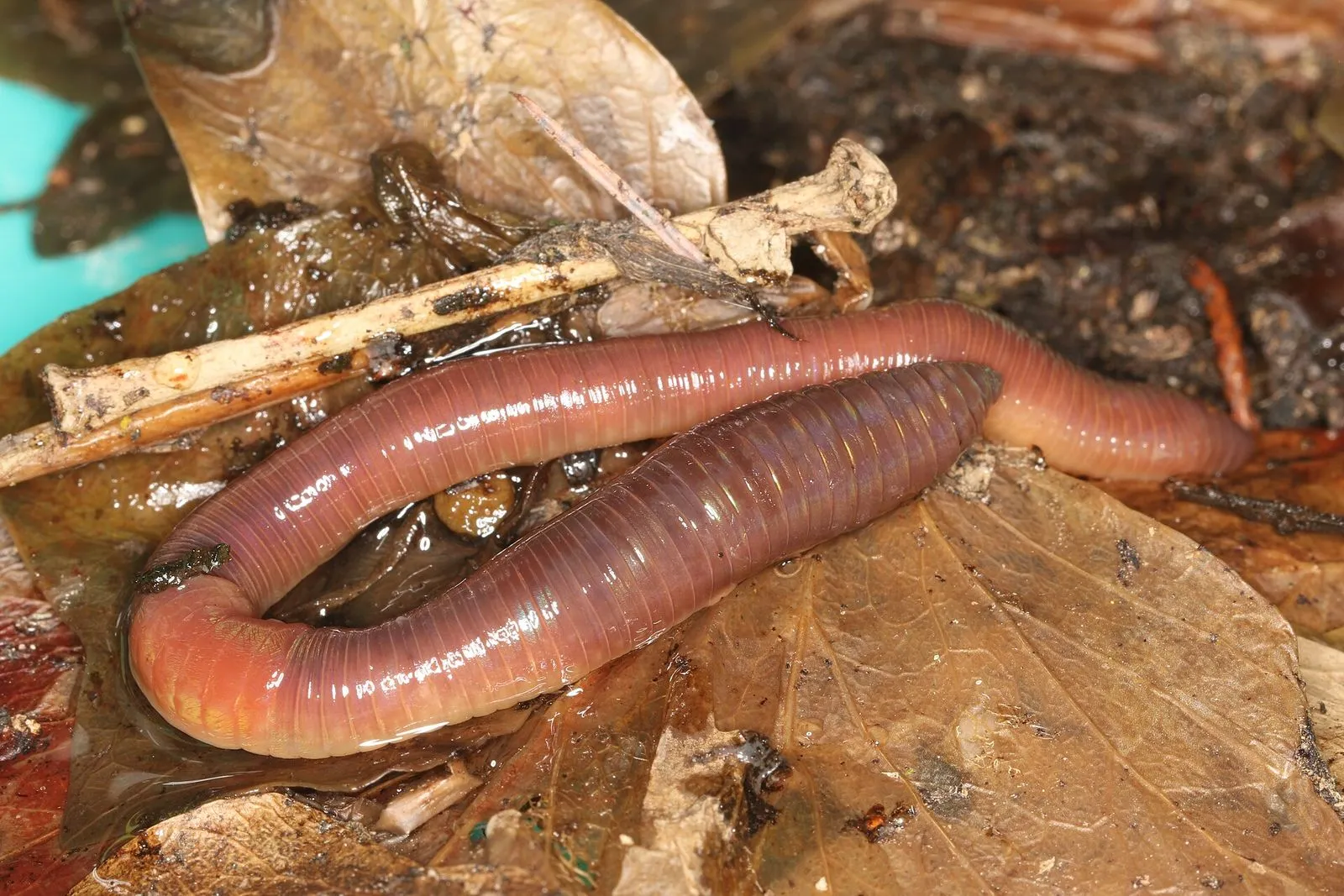 A nightcrawler (Lumbricus terrestris). Photo: Donald Hobern, Wikimedia Commons (CC BY 2.0)
How to hook it. Thread a garden worm or a piece of crawler onto a single J hook, size 8 to 12, “two or three times,” Utah says. Leave about an inch dangling to draw bites. A whole nightcrawler goes on another way. Wired2Fish’s Kade Gewanter barely runs the point through one end, so the worm stretches out full length in the drift.
How to fish it in a stream. Gewanter’s three stream rigs cover most water:
- Slip float. You need a bobber stop, a slip float and the lightest split shot that holds the bait at depth. Watch for the float to stop or slide under.
- Split shot on the bottom. This one’s for trout hugging the bottom. A real bait almost never sits still on the streambed, so use only enough weight to let the current roll it.
- Weightless. Just the hook, with no lead to click on the rocks. Cast it to trout you can see, or let it drift free through a run.
Fish the deeper holes, the slack water behind rocks and logs, and the seams where two currents meet. In a pond, Idaho’s basic rigs work: a fixed bobber, a slip bobber, or a weight on the bottom.
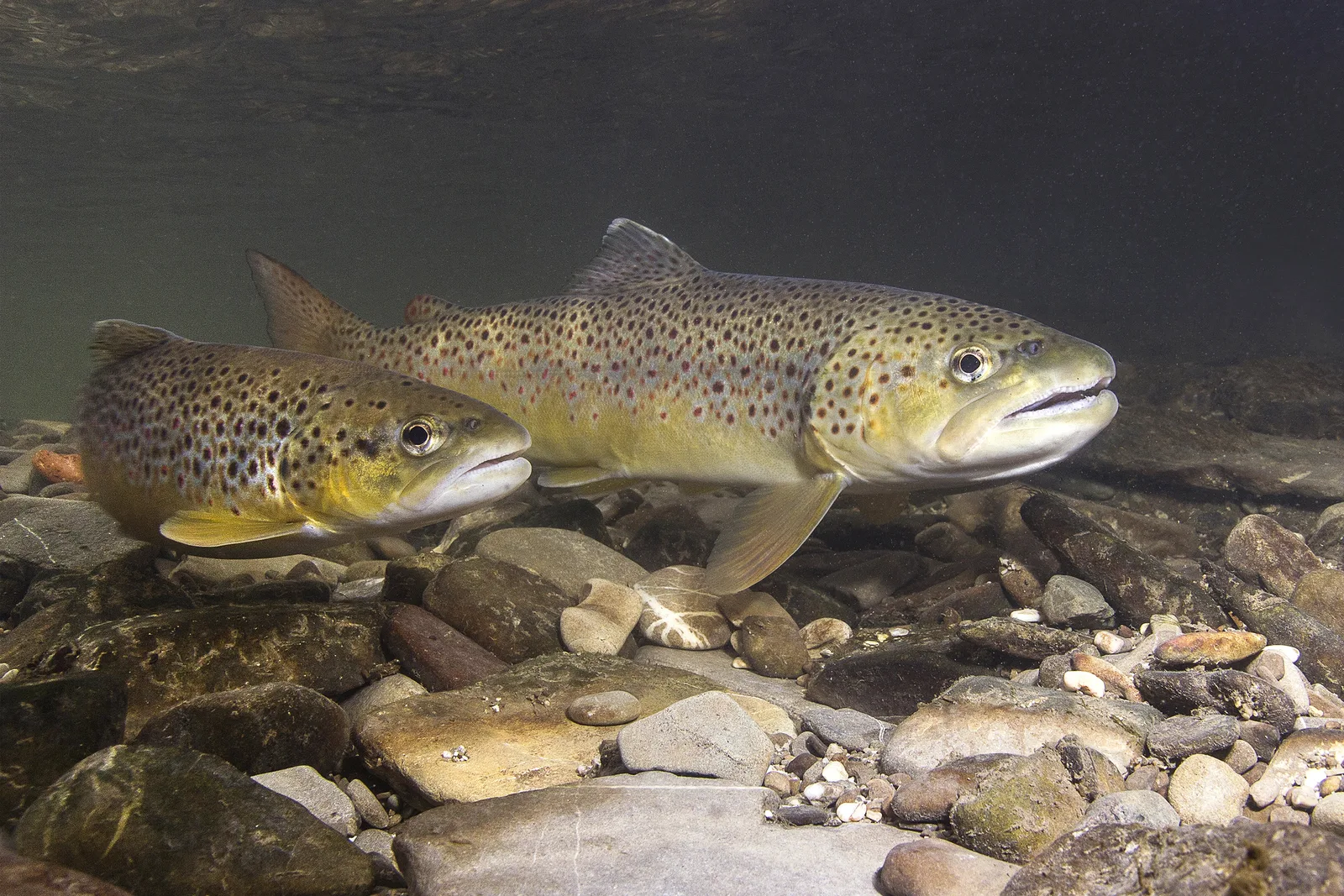
Brown trout in a small creek. Photo: Depositphotos.
How do you fish a salmon egg?
In a small, clear stream, try a single cured salmon egg. It’s the classic small-stream trout bait. Pautzke has cooked them since the early 1930s. Its smallest egg, the Tyee, is made for “small streams, brooks, spring creeks and all low and clear water.” The maker says it’s most effective “on two-pound monofilament line and a single salmon egg hook.”
Why eggs? Look at the calendar. In Pautzke’s words, they “match the hatch in spring and fall when browns, rainbows, cutthroat, golden and brook trout can be spawning.”
How to hook it. Use a short-shank salmon-egg hook, #10 to #14. Eggs are soft and fly off on a hard cast, so hide the hook inside one, the way Outdoor Life’s Joe Cermele does. Run the point shallow through the side of the egg. Then, with the bend under the bait, rotate the hook and “push the point upward straight into the center of the egg.”
How to fish it. Drift it like a worm on a split shot. In a lake, Pautzke says to hang a single egg “under a float near inlets and outlets,” where moving water carries food in.
How do you rig PowerBait?
At a stocked lake, dough bait is what most people mean by trout bait. Utah describes it as PVC plastic mixed with fish-attracting oils or flavors and colorants. Save it for hatchery fish. A pellet-raised rainbow reads scented dough as food, while a wild river trout mostly ignores it.
How to rig it. Mold a marble-sized piece of floating PowerBait onto a #12–#16 treble hook, with a sliding sinker 12 to 24 inches above it. That’s Utah’s recipe, and it’s the standard one. Fishing PNW threads the sinker on the main line, then a plastic bead, then ties on a barrel swivel. The bead keeps the sinker from banging into the knot. Use just enough dough to cover the hook, and pack it tight. Make the ball too big and you hide the points. Fishing PNW’s list runs 2–6 lb main line, a 2 lb leader, and a #14 or #16 treble, or a #8 single baitholder. Its writer likes the single best, because it hides in the dough and comes out of a fish more easily.
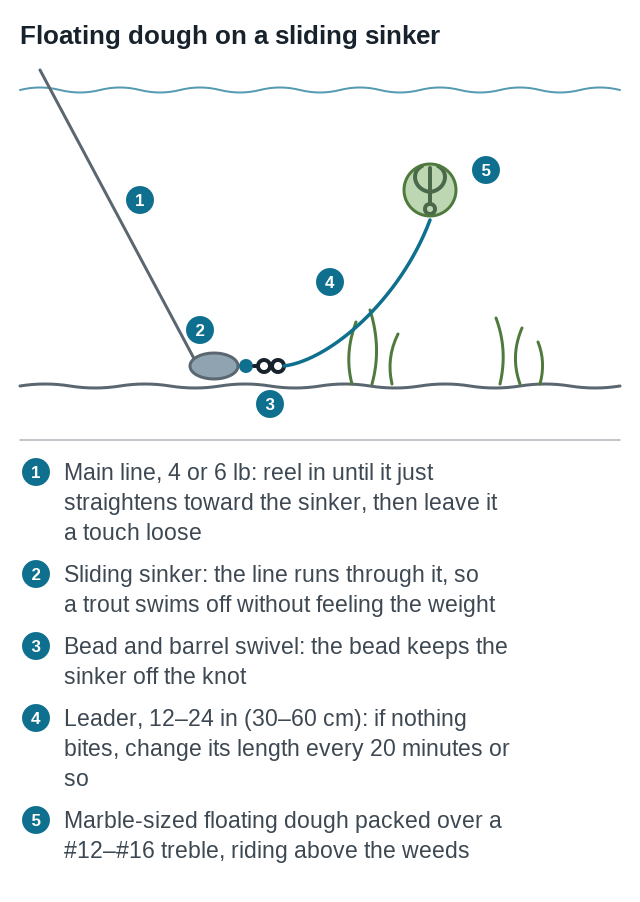
How to fish it. Cast, let it settle, and reel up until the bead and swivel just touch the sinker. Then leave the line a touch loose, so a trout can swim off with the bait without feeling the weight. Nothing biting? Fishing PNW says to “change your leader length every 20 minutes or so until you find the correct one to get bites.” Go with bright colors in murky or stained water and lighter ones when it’s clear. Its writer starts with chartreuse and carries three or four jars.
What about mealworms, minnows, corn and crickets?
- Mealworms and waxworms. Trout take these soft, pale grubs like an insect larva. Thread one on a small J hook, #10–#12, the way Utah rigs any natural bait, and hang it under a small bobber.
- Live minnows. This is the bait for a big brown trout, which turns to eating fish as it grows. Gewanter hooks a shiner lightly in front of the dorsal fin. The hook’s weight tips the bait down, and the point sits far enough back to hook the trout. Smaller bait gets you more bites. Check the law before you buy a bucket. Utah bans live fish as bait outright. Colorado bans them in every water west of the Continental Divide except Navajo Reservoir, and east of it above 7,000 feet.
- Corn. A kernel is small, bright and soft, and stocked trout take it. Check your state’s rules for it. Rhode Island bans it in designated trout waters, and Yellowstone bans it along with every other bait. Rhode Island also bans chumming there, which means throwing handfuls in to draw fish.
- Crickets and grasshoppers. Bugs make up the majority of a trout’s diet, Take Me Fishing says. In late summer that means land insects. In two West Virginia streams, a model put them at 38–47% of a yearling brook trout’s yearly food by weight. Drift a live hopper on the surface with no weight, and you’re giving the trout what they’re already eating.
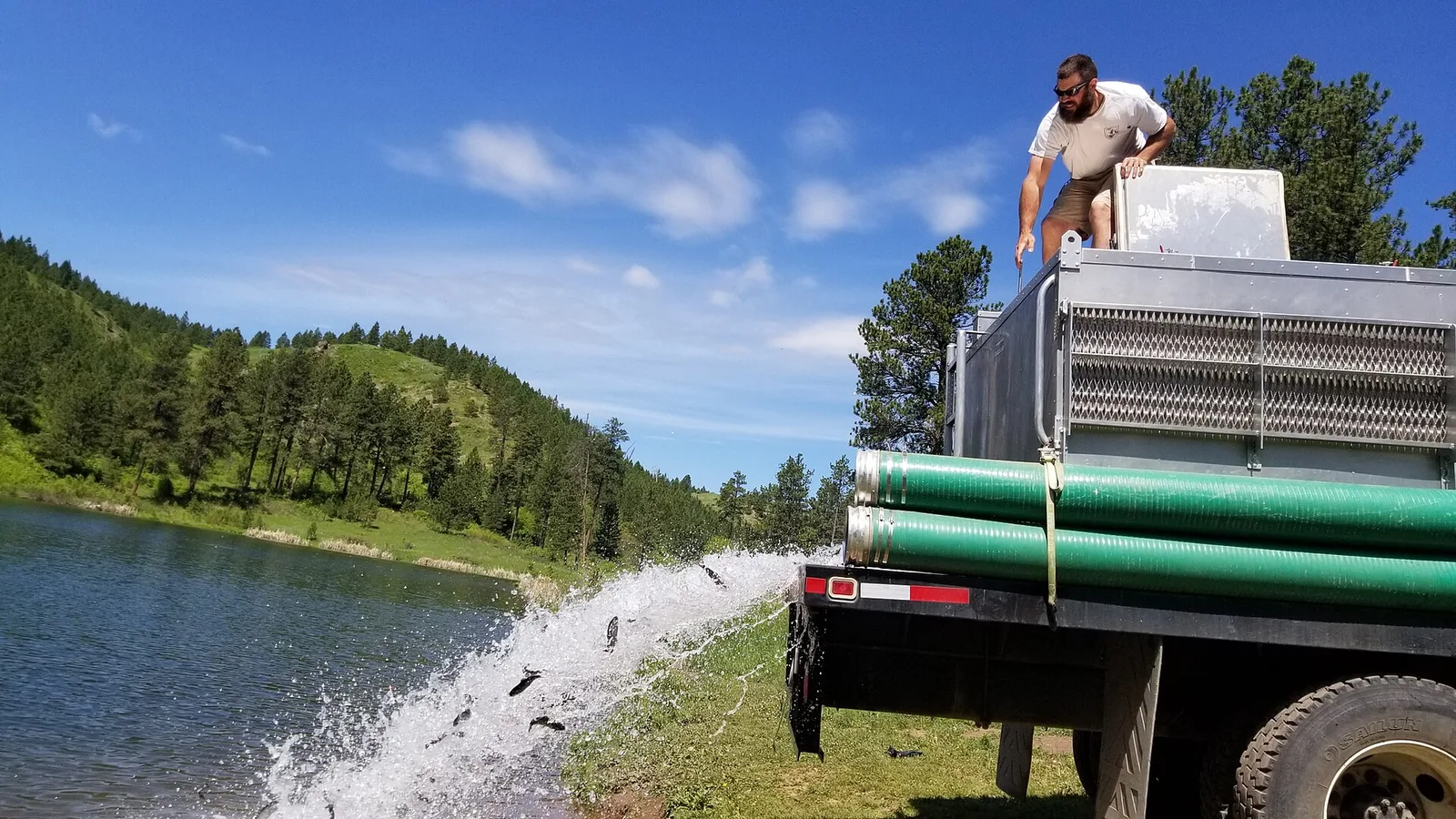
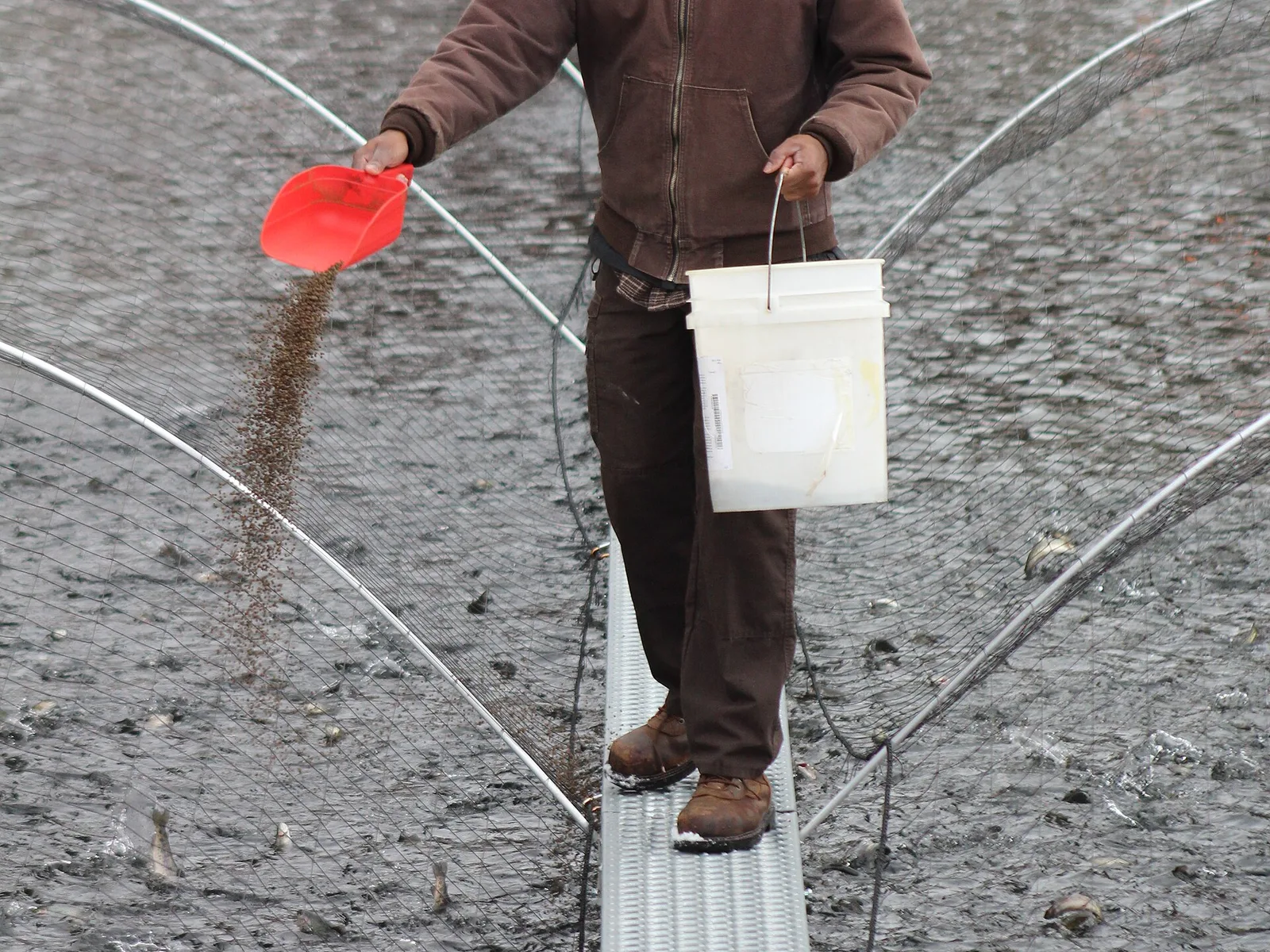 A stocked trout grows up on pellets like these, which is why it takes dough, corn and grubs. Photo: April Gregory, U.S. Fish and Wildlife Service (public domain)
Can you make your own trout bait?
Yes. The classic homemade trout bait is a dyed marshmallow, mixed in a sandwich bag. Here’s the recipe Game & Fish’s Gary Lewis gave on May 13, 2024. Fill the bag two-thirds full of mini marshmallows, add six or seven drops of food coloring, and shake. Add three squirts of trout oil and two to four of anise oil, shake again, and jar it.
The marshmallow floats, so you fish it on the PowerBait rig with a leader of 15 inches to 3 feet. Lewis uses a single No. 10 egg or baitholder hook, with a bit of nightcrawler added below the marshmallow for scent.
What smell attracts trout? Lewis’s recipes use fish oil, anise, garlic and krill, and he matches them to the season. Anise goes in for summer, fish oil and anise for early autumn. Garlic and krill are for the colder water of late October and November, with extra garlic in winter. He pairs each scent with a color: blue in summer, orange in late fall. Live bait brings its own smell. Utah puts the pull of worms and mealworms down to their texture, odor and color.
Homemade is still bait, and the bait rules still apply to you. Colorado defines bait as “any hand-moldable material designed to attract fish by the sense of taste or smell,” and its list includes human food.
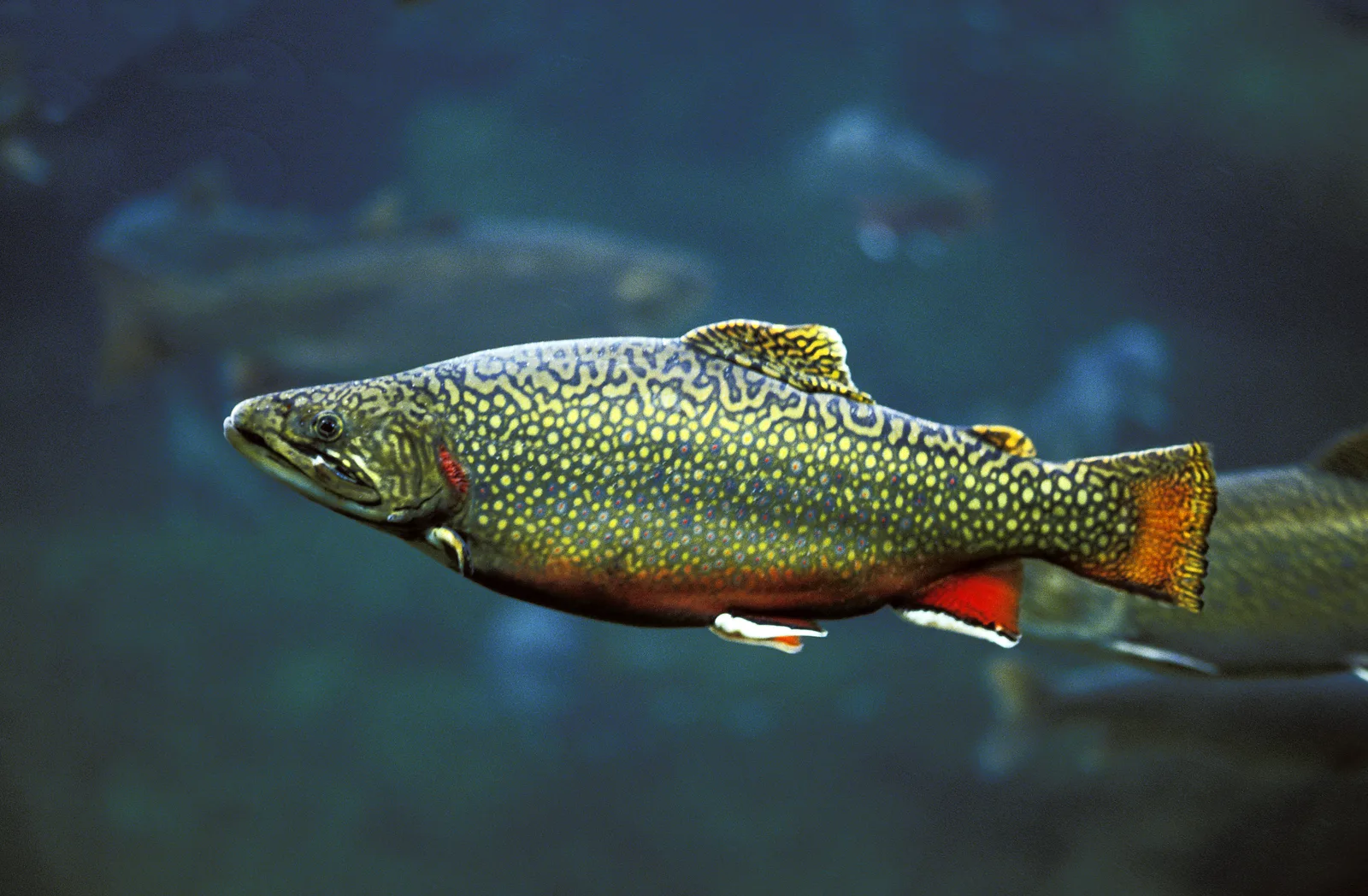
A brook trout. Photo: slowmotiongli / Depositphotos.
Where bait is not allowed
Much of the best trout water is closed to bait. The rules sit in each state’s special regulations, water by water.
- Artificial lures only. Pennsylvania’s catch-and-release artificial-lures-only sections allow lures “constructed of metal, plastic, rubber or wood” and flies. They prohibit “use or possession of any other lures or substances.” So a worm in your pocket on the bank is a violation.
- Scent makes it bait. Colorado’s artificial lures must be made of “nonscented materials (regardless if the scent is added in the manufacturing process or applied afterward).” So PowerBait is bait, and so is a plastic grub dipped in attractant.
- Whole parks. Yellowstone’s 2026 regulations allow “no organic or inorganic baits.” The park’s definition of bait runs from “all dead or live organisms” and “artificial dough, paste or edible lures” to “rubber worms, rubber leeches, or twister tails.” “Scented attractants (liquid and solid baits) are illegal.” Barbs must be absent or pinched flat, and leaded split shot is not allowed.
- Specific baits. Rhode Island bans corn and chumming in designated trout waters. Colorado and Utah restrict live fish as bait.
Check the rule for your stretch before the first cast. Bait belongs on stocked lakes and put-and-take streams, where hatchery fish are released to be caught and kept.
How do you keep a trout from swallowing the bait?
Hold the rod and set the hook on the take. A trout holds a bait that tastes like food, so it swallows bait more often than a lure. How you fish it changes how often. Idaho Fish and Game looked at 583 wild stream trout caught on bait. Offset J hooks left for the fish to take deep-hooked 28 percent of them. Set soon after the bite, the same hooks deep-hooked 9 percent. So don’t prop the rod in a forked stick and wait.
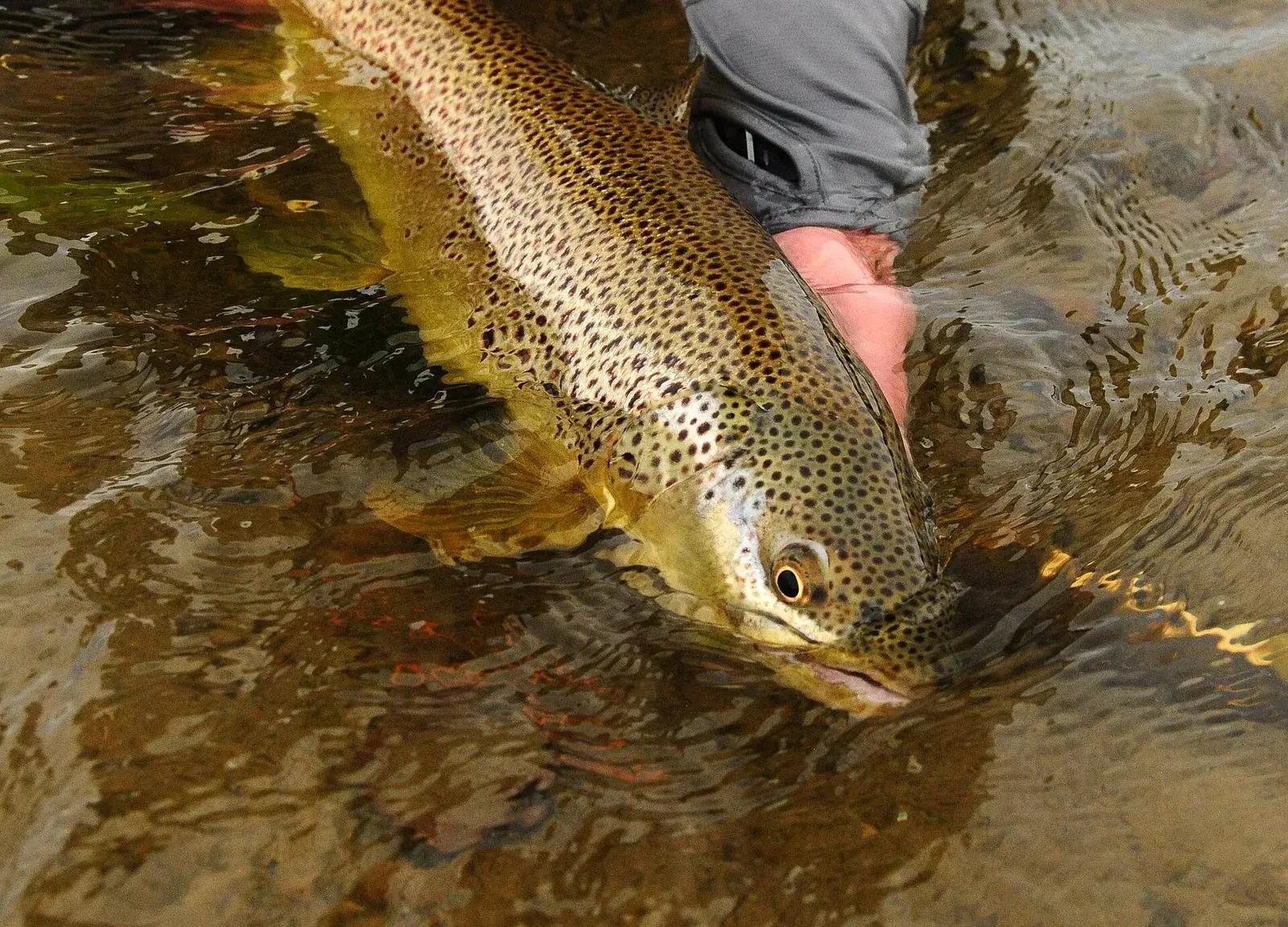 Photo: Tom Koerner, U.S. Fish and Wildlife Service (public domain)
If a fish you plan to release is hooked deep, don’t dig. Idaho Fish and Game says to “cut the line as close to the hook as possible,” adding that “the hook will dissolve in a few weeks.” The agency also recommends barbless hooks, and the catch and release guide covers handling. Released trout die more often in warm summer water. The trout water temperature page has the thresholds.
When does something else win?
Bait is the fastest way to a stocked trout and a fine way to a wild one after rain. It’s not always the best, though. In clear water with active fish, tie on a small inline spinner. It covers more ground, and it’s legal on lures-only water, like the other trout lures.
Everything else starts at the trout hub.
Gear for trout
Gear guide
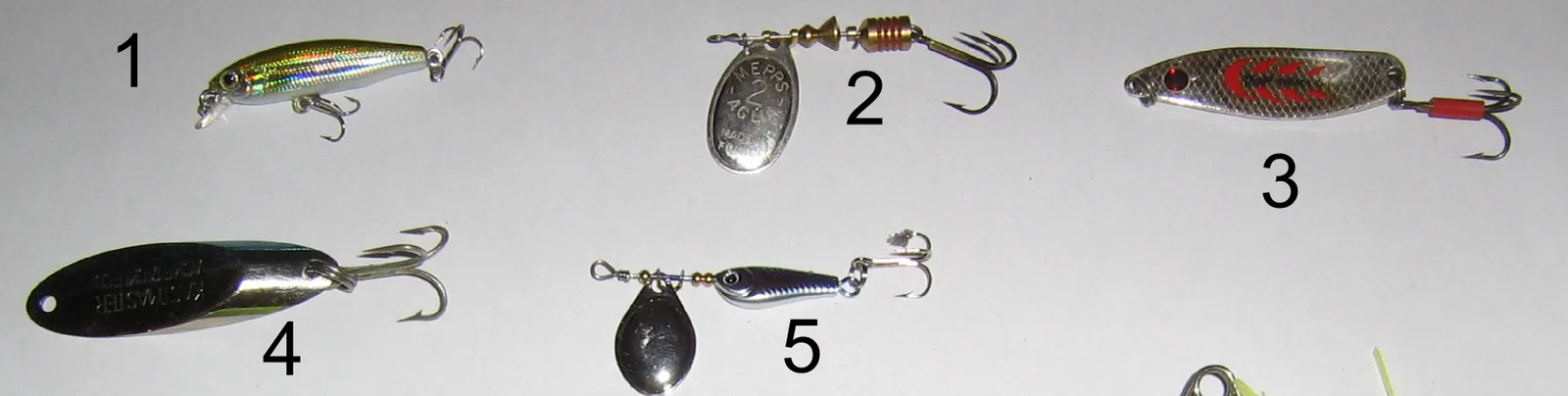
Best Trout Lures: 10 Picks for Streams, Rivers and LakesThe best trout lures are the Trout Magnet, Rooster Tail and Blue Fox Vibrax, on all three expert lists. See 10 picks by water, sizes and a $26 starter box.
Gear guide
Best Bait for Trout: 7 Picks for Stocked and Wild FishBest bait for trout: floating PowerBait for stocked fish, a nightcrawler or single salmon egg for wild ones. Seven baits compared by float, price and hook.

Free PDF · 4 pages
Bluegill or redear? Walleye or sauger? Tell them apart at the net
Color is a poor guide, and the limits differ by fish. Know which one is in your net before you keep it.
The Freshwater Fish Identification Chart. Print the four pages for the tackle box or the cabin wall. Each family starts with the one thing to check, and the look-alikes sit side by side.
- 28 freshwater fish in 8 families, each with a picture and the marks that tell it apart
- The one check to do first, family by family: the jaw, the ear flap, the spots, the tail
- A tick box beside every fish for the first time you catch one
Every mark from the species pages on fishing.info and the 168 sources behind them, state wildlife agencies among them. Pictures: U.S. Fish and Wildlife Service paintings by Duane Raver and Timothy Knepp, and USFWS photos.
No card, nothing to buy. The PDF is in your inbox a minute later, one version for your phone and one to print, yours to keep. Then a few short emails and one a week on what's biting, with an unsubscribe link in every one. Privacy.
Related
Section guide
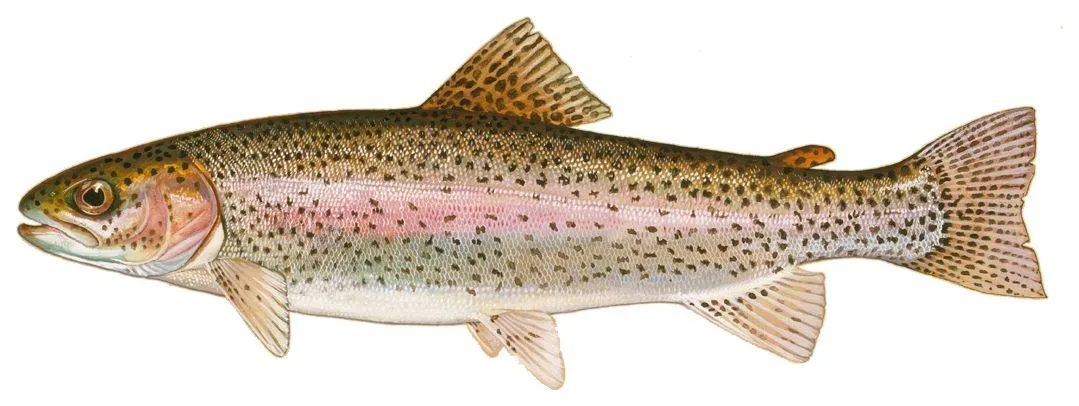
Trout: The Fish, Where They Live, When They Bite and How to Catch ThemTrout are cold-water fish of the salmon family. The five you'll catch, the 68 °F line, when each spawns and how to catch them; every type on its own page.
- Best Bait for Trout: 7 Picks for Stocked and Wild Fish
Best bait for trout: floating PowerBait for stocked fish, a nightcrawler or single salmon egg for wild ones. Seven baits compared by float, price and hook.
 Rainbow Trout Fishing: How to Catch Rainbows in Every Season
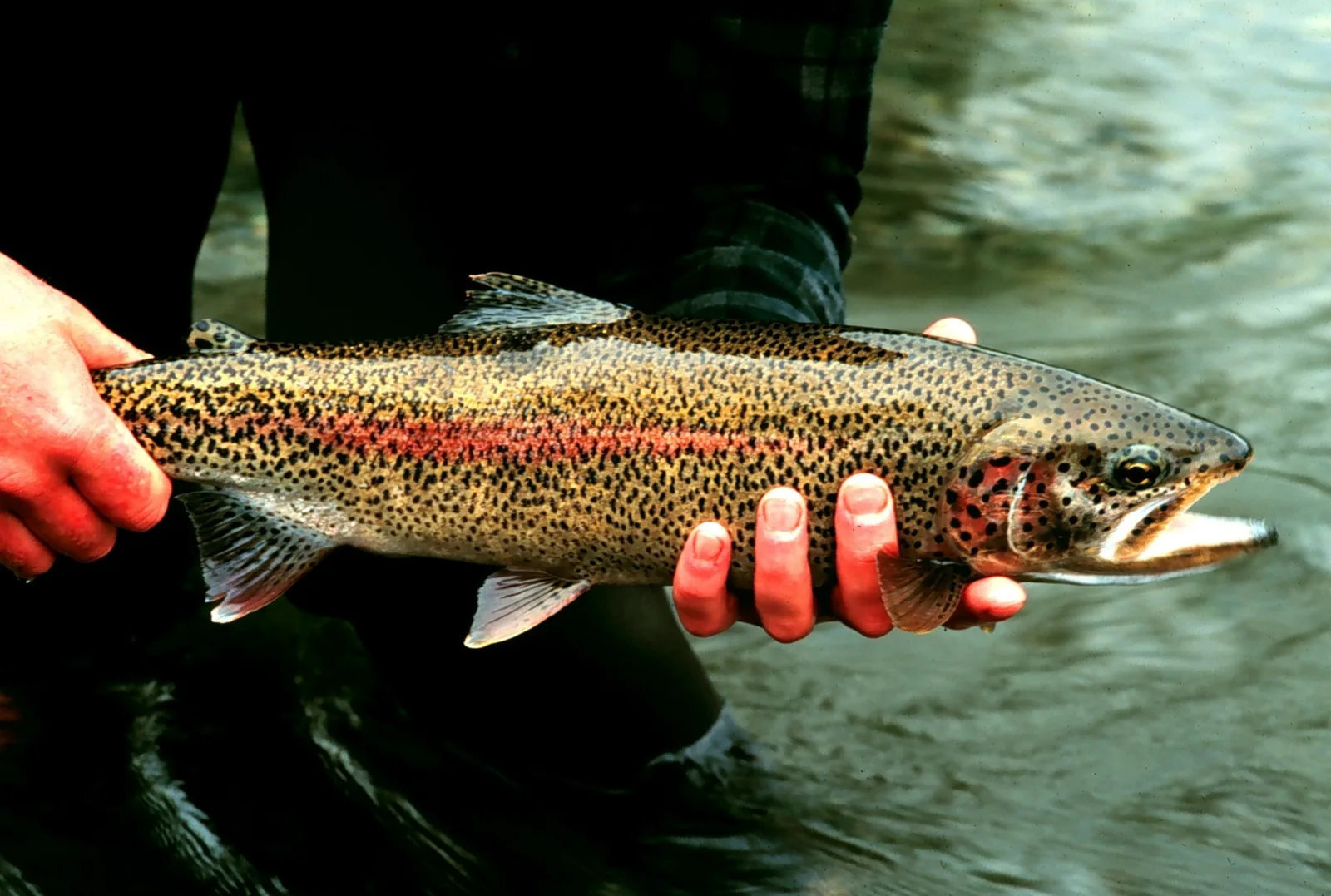
Rainbow trout fishing by season: near the surface in spring and fall, deep in summer. Where rainbows sit in lakes, rivers and tailwaters, with the rigs.
- Best Trout Lures: 10 Picks for Streams, Rivers and Lakes
The best trout lures are the Trout Magnet, Rooster Tail and Blue Fox Vibrax, on all three expert lists. See 10 picks by water, sizes and a $26 starter box.
 Palomino Trout: The Golden Rainbow, Where It Came From
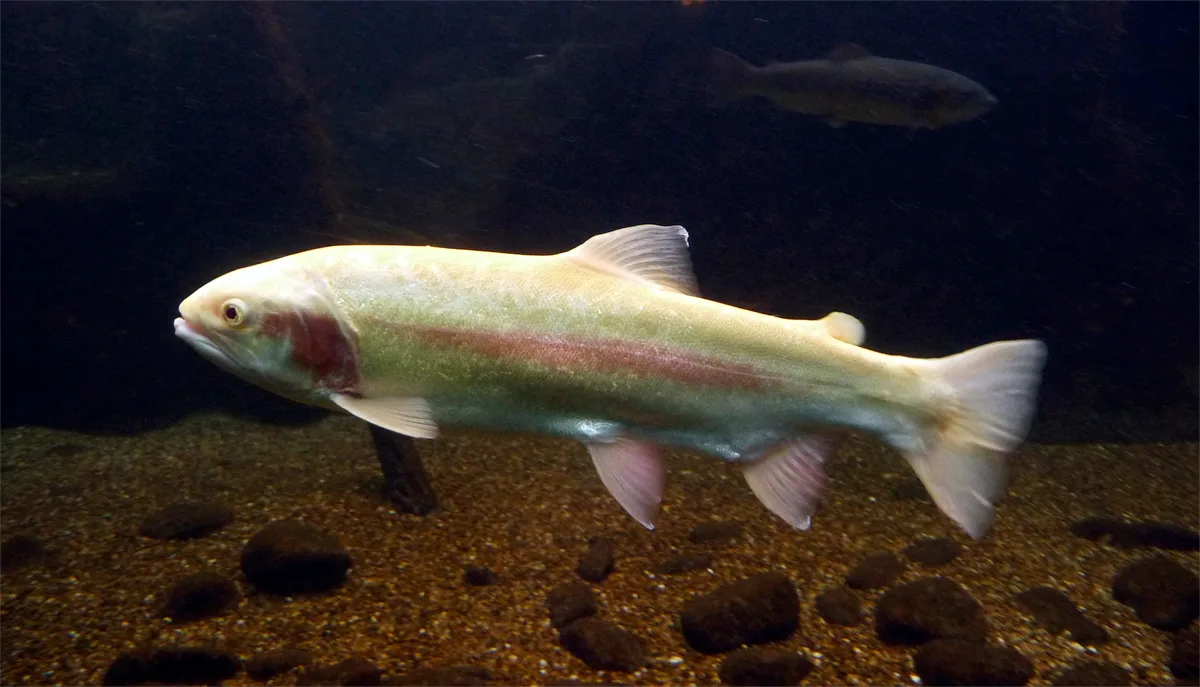
Palomino trout are golden rainbows from one West Virginia fingerling found in 1955: the name, where they are stocked and how to catch one.
 Arctic Char: How to Identify, Where to Catch and Is It Good to Eat
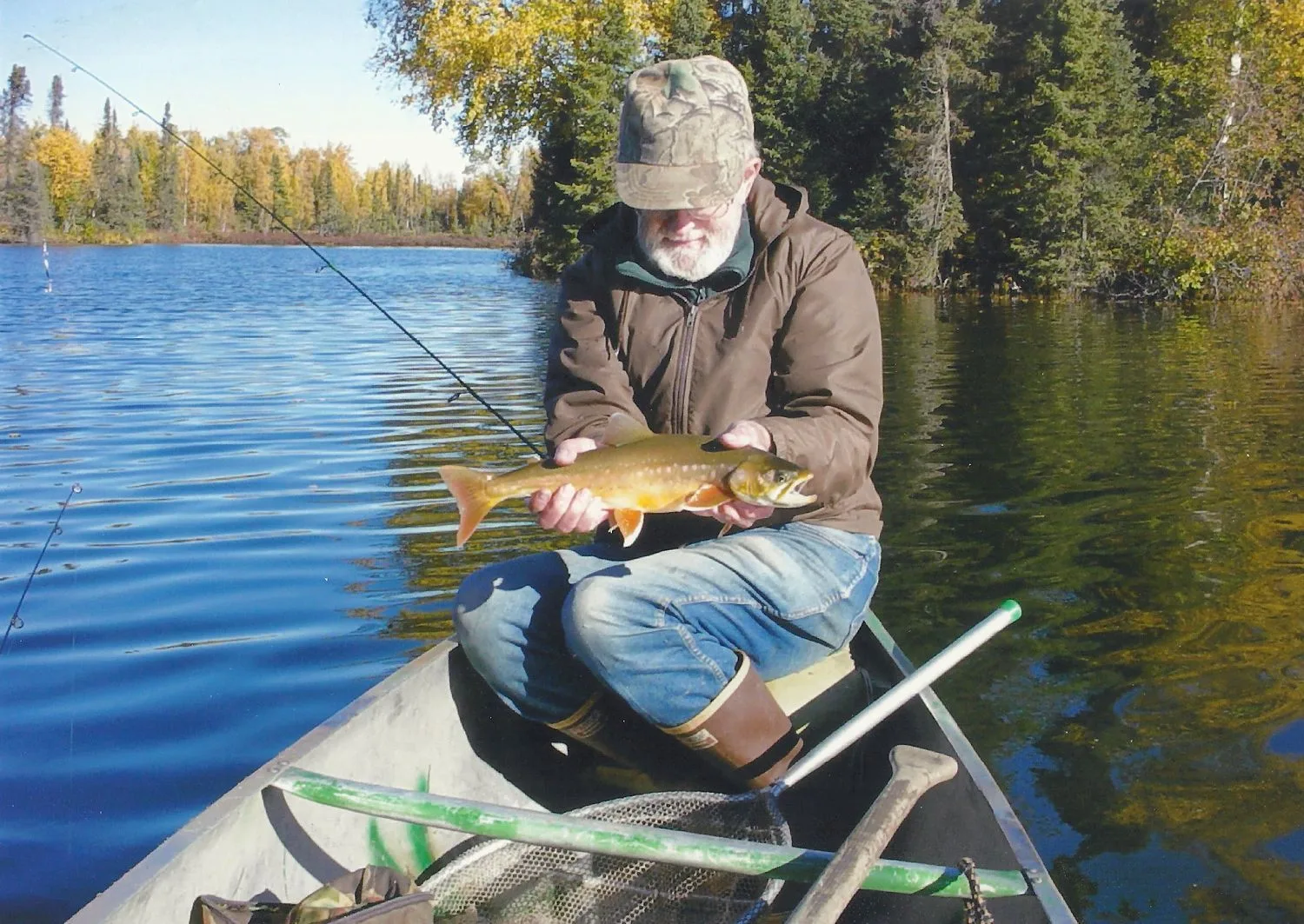
Arctic char, the most northerly freshwater fish: how to tell it from a Dolly Varden, where US anglers catch it, the record, and how it eats.
 Trout Magnet: How to Rig and Fish the 1/64 oz Jig and Float
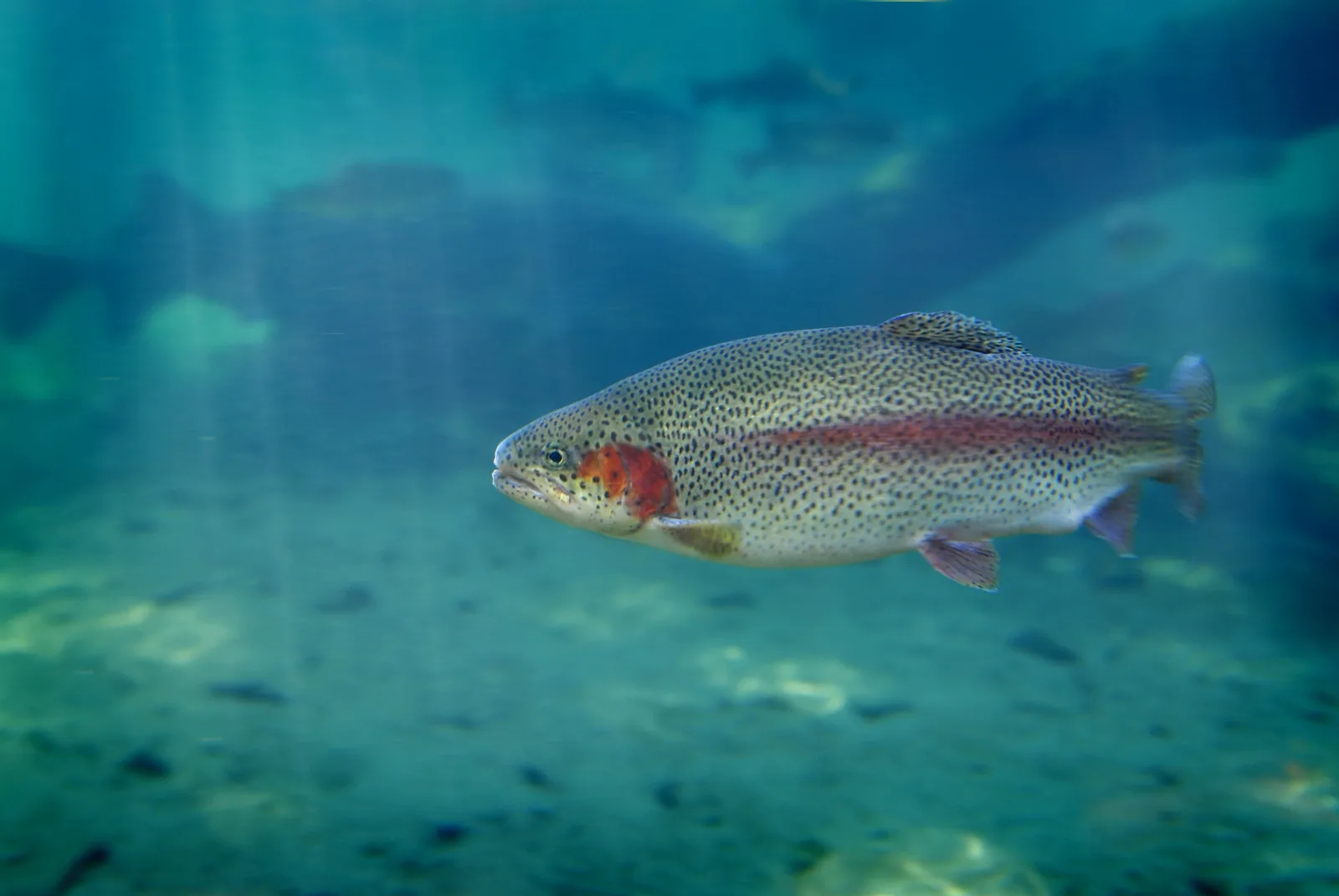
Trout Magnet rigging step by step: the 1/64 oz jig under the E-Z float, how deep to set it, the twitch, 2 lb line, colors, and what a rigged lure costs.
Sources (17)
- Utah Division of Wildlife Resources, Learn to fish: lure and bait selection
- Idaho Fish and Game, Catch more trout (or your first) with these 10 time-tested tips
- Idaho Fish and Game, Fishing basics (releasing fish)
- Sullivan, C. L., Meyer, K. A. and Schill, D. J. (2013), Deep hooking and angling success when passively and actively fishing for stream-dwelling trout with baited J and circle hooks, NAJFM 33:1–6
- Take Me Fishing, Trout fishing basics for beginners
Show all 17 sourcesShow fewer sources
- Wired2Fish (Kade Gewanter), Live bait trout tactics for streams
- Sweka, J. A. and Hartman, K. J. (2008), Contribution of terrestrial invertebrates to yearly brook trout prey consumption and growth, Transactions of the American Fisheries Society 137:224–235
- 58 Pa. Code § 65.5, Catch and release artificial lures only
- Colorado Parks and Wildlife fishing regulations, general information (live bait, definitions)
- Rhode Island DEM freshwater fishing regulations, general information (corn and chumming)
- National Park Service, Yellowstone National Park 2026 fishing regulations
- Outdoor Life (Joe Cermele), How to fish salmon eggs for trout
- Pautzke Bait Co., Balls O' Fire salmon eggs, Tyee
- Pautzke Bait Co., About Pautzke (company history)
- Pautzke Bait Co., Learn to use a Fire Worm, catch more trout
- Fishing PNW, Bottom fishing for trout with PowerBait
- Game & Fish (Gary Lewis), DIY trout bait