 By
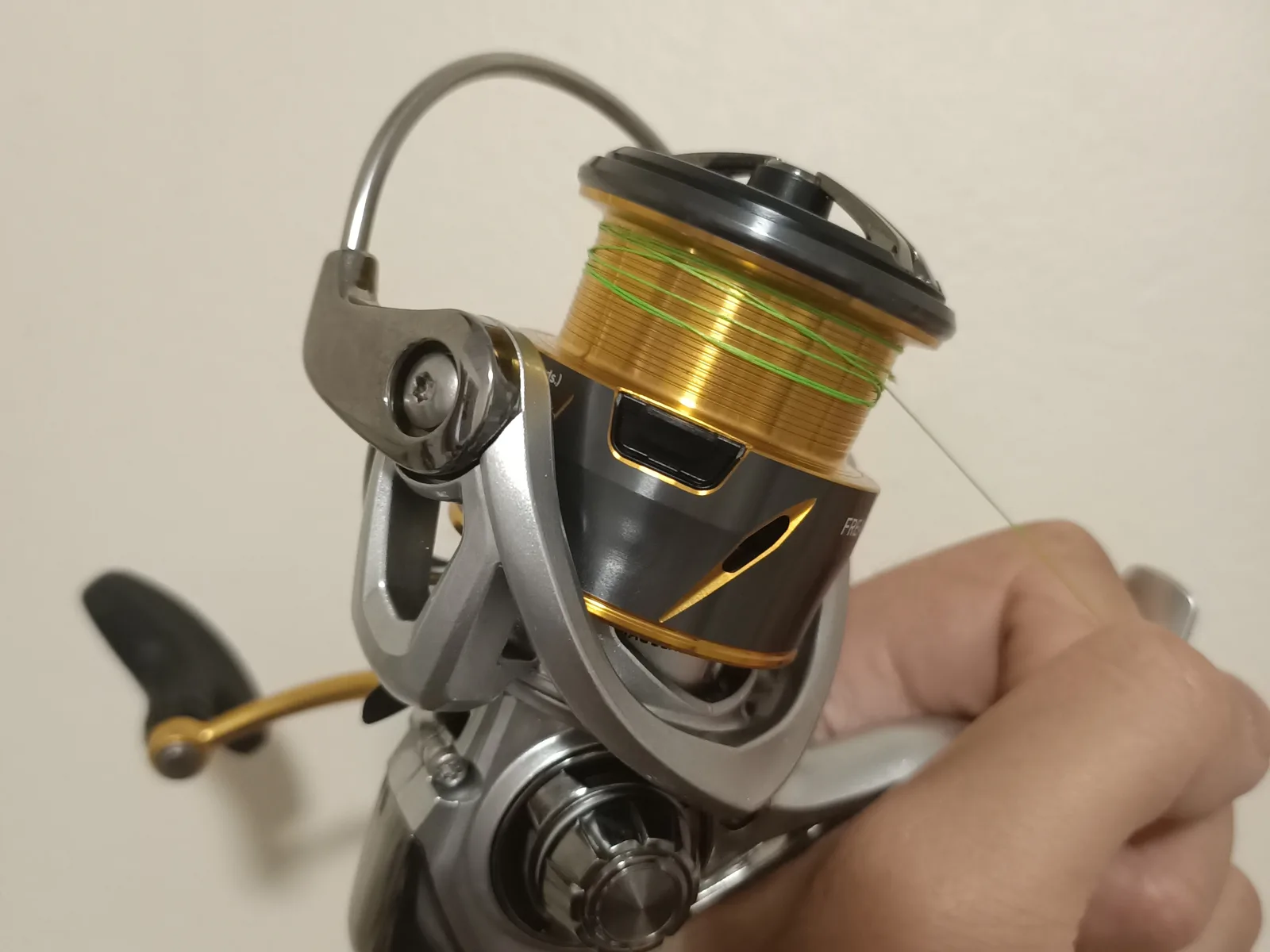
To put fishing line on a reel, tie it to the spool with an arbor knot, wind it on under firm, steady tension, and stop about 1/8 in (3 mm) below the lip of the spool. It takes five minutes. Whether that spool then fishes clean all season comes down to three details. The line must leave the filler spool the way the reel lays it on, braid needs something under it to grip, and line wound on loose today is a loop on the water tomorrow.
Braid is so slick that it slips on a bare spool whatever knot you tie. Twenty yards of cheap mono underneath is what makes the drag give line instead of the whole spool.
What you need
- The reel mounted on its rod, with the line running through the first guide or two. Winding is easier that way, and the line goes on at the angle it will come off.
- The line: monofilament, fluorocarbon or braid. The line hub explains which for what, and the reels hub covers the three reel types.
- For braid: 20–30 yd (18–27 m) of 8–10 lb mono for backing, or a spool sold as braid-ready.
- A rag or a glove to pinch the line, and scissors or braid cutters.
- For a baitcaster: a pencil, and a helper or a cardboard box to hold it.
First, take the old line off
Strip the old line onto an empty filler spool. Faster still, tie it to a screwdriver chucked in a cordless drill and run the drill slowly; that empties a reel fast. Never leave old line loose on the bank or let it go into the water. Recycling bins at ramps and piers take monofilament. Washington State Parks ships what it collects to Berkley in Spirit Lake, Iowa, where it is melted into plastic pellets.
Before the new line goes on, look at the line roller on the bail arm. A damaged roller hurts the line, however carefully it was spooled.

Free PDF · Water temperature chart Which fish are biting at today's water temperature?
One reading, and the 16-page chart shows which of 26 fish are spawning, feeding hard or slowing down; for bass, crappie, bluegill and walleye, where they sit and what to throw. Every number sourced.
Enter your email, confirm it with one click, and the PDF is in your inbox. Plus one email a week on what's biting. Unsubscribe anytime. Privacy.
How to spool a spinning reel
- Open the bail and run the line through the first guide down to the spool.
- Tie an arbor knot: the line around the spool, an overhand knot around the standing line, a second overhand in the tag, pulled down tight to the spool. Trim the tag short.
- Close the bail by hand, not by turning the handle.
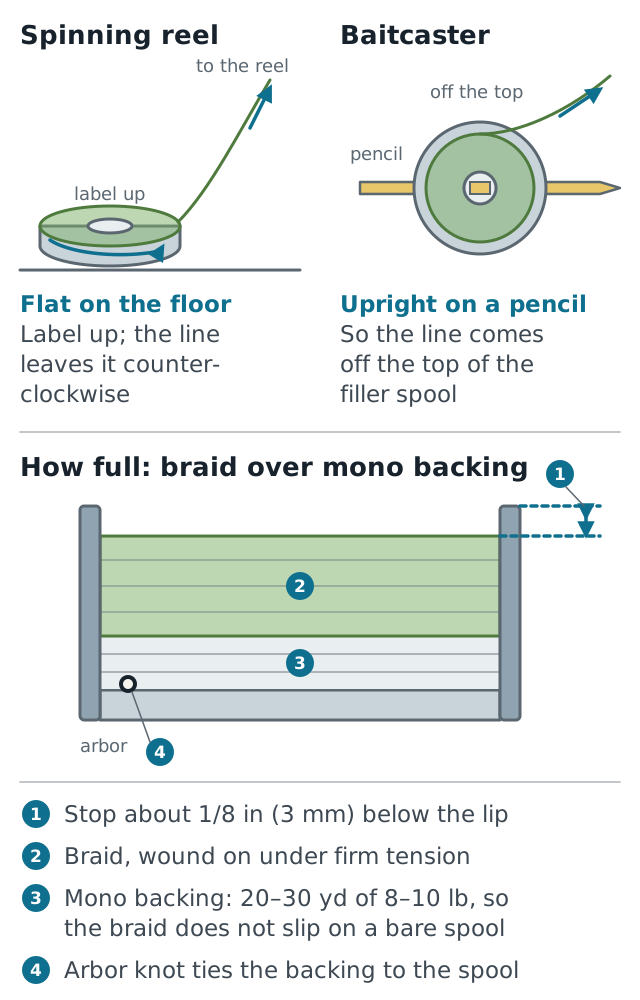
- Lay the filler spool flat on the floor so the line comes off it counterclockwise, the way the bail lays it on. Label-up is the usual start, but the next step decides, not the label. You can spool a spinning reel by yourself; with the filler spool on the floor, no helper is needed.
- Pinch the line above the reel with your fingers or a rag and wind with firm pressure. Line wound on loose causes problems later.
- Do the slack test. After about 15 cranks, let the line go slack between the rod tip and the floor. Straight line means carry on; coils mean flip the filler spool over. Check again every 15 cranks or so; some guides say every 8–10 handle turns.
- Watch the fill. Stop about 1/8 in (3 mm) below the lip of the spool. Underfilling costs casting distance and retrieve speed, and filling to the edge gives bird’s nests. Some guides go to 1/16 in.
- Cut and rig. Tie on a leader or the lure, then reel it in under light tension so the top layers stay snug.
Braid: backing, tape or a braid-ready spool?
Braid has no grip on a bare aluminum spool. It slips “regardless of the knot you use”, in Lew’s words, and under a fish that feels like a drag that never stops giving. The usual fix on a 2500-size reel is about 20–30 yd of 8–10 lb mono. Tie it to the spool with an arbor knot and join it to the braid with a double uni knot; an Albright or blood knot works just as well.
Backing does a second job: cheap mono fills the part of the spool you will never cast, so you buy less braid.
Two shortcuts exist. Tackle Warehouse puts a piece of electrical tape on the spool so the braid does not slip. And some spools are sold as braid-ready, built for braid to grip; Pflueger makes its President with an aluminum braid-ready spool.
Braid is the one line that will not twist from the wrong side of the filler spool, because it has no memory. It does need more tension than mono to bed down. Pinch it through a towel: braid wound on that hard would burn or cut bare fingers. Then tie on a leader with an FG knot or, for a faster tie, a double uni, the two usual braid to mono knots.
How to spool a baitcaster
A baitcaster spool turns as it takes line, so the line should come straight off the top of the filler spool, not over its edge.
- Run the line through the rod guides and then the reel’s line guide, the level wind. It is an easy step to forget.
- Fix the line to the spool. If the spool has holes in its arbor, push the line through one and lock it by cranking against your thumb; otherwise tie an arbor knot.
- Hold the filler spool upright on a pencil so the line unwinds off the top. A helper holds the pencil ends; alone, push the pencil through two sides of a cardboard box.
- Wind under constant, firm pressure, with the line running straight from the filler spool through the guides.
- Stop about 1/8 in below the top of the spool. Lew’s pro Kevin Short stops “even with the bevel on the outer edge of the spool”, the easiest mark to read on a baitcaster.
- Set the spool tension knob and brakes before the first cast. The baitcaster page has the set-up.
Short fills half to three-quarters of the spool with 8–10 lb mono backing before he ties on his fishing line. He buys less line that way, and braid gets something to grip.
How to spool a spincast reel
Zebco’s own procedure for a spincast reel:
- Remove the front cover by firmly turning it counterclockwise, and pull the old line off.
- Thread the new line through the hole in the front cover.
- Tie an arbor knot around the spool and pull it tight.
- Put the cover back on.
- Hold the line between your thumb and forefinger for tension, and wind slowly.
- Take the cover off now and then to check, and stop about 1/8 in below the top of the spool.
Use mono. Zebco says braid “may not work with spincast reels” and lists braided line among the wrong lines to spool one with.
How much line, what backing, how full?
| Reel | Typical line | Backing | Fill to |
|---|---|---|---|
| Spinning 1000–2500 (panfish, trout, finesse bass) | 4–10 lb mono or fluoro; 4–15 lb braid | 20–30 yd (18–27 m) of 8–10 lb mono under braid | 1/8 in (3 mm) below the lip |
| Spinning 3000–4000 (bass, walleye, inshore) | 8–17 lb mono; 15–30 lb braid | 8–10 lb mono under braid, more as the spool grows | 1/8 in (3 mm) |
| Spinning 5000 and up (catfish, surf) | 17–20 lb mono; 30–50 lb braid | Mono under braid, to cover the arbor | 1/8 in (3 mm) |
| Baitcaster (bass, pike, catfish) | 12–25 lb mono or fluoro; 30–65 lb braid | 8–10 lb mono, up to half or three-quarters of the spool | Even with the bevel, about 1/8 in |
| Spincast (kids, panfish) | 6–10 lb mono | None; no braid | 1/8 in below the top of the spool |
For a sense of scale: Shimano rates its Sedona FJ 2500 at 140 yd of 8 lb mono, 120 yd of 10 lb, or 150 yd of 10 lb braid. A 150 yd (137 m) filler spool of 8 lb mono fills that reel with a few yards left over. The spinning reel page gives the capacity of the common sizes from Shimano, Daiwa and Penn.
Twisted line or loops? Find the cause
- The line coils on the slack test while you spool. The filler spool faces the wrong way. Flip it and carry on.
- The spool spins under the braid when you set the hook. There is no backing, tape or braid-ready spool under the braid. Strip it and start again over mono backing.
- Loops jump off the spool on the cast. Overfilled, or wound on loose. Strip line back to 1/8 in below the lip, and next time keep tension the whole way.
- Twist builds after fighting fish. You kept reeling while the drag slipped, which KastKing calls the number one culprit. Every turn of the handle while a fish takes drag puts 4 to 6 twists in the line, depending on the reel’s gear ratio. Let the drag work and gain line by pumping the rod.
- Twist builds with one lure or rig. Spinning lures and drop-shot rigs turn the line; Seaguar’s twist guide names the drop shot as the rig that “creates the most twist”. Mark Menendez ties a size 8 barrel swivel above the bait.
- The line is already twisted. Take everything off the end. Idling out of a marina, Menendez flips the bail and lets about 70 yd out behind the boat, and the line untwists on its own. From the bank, cut off the twisted part.
Should you soak the line first?
You do not have to. Some anglers soak mono in warm water before spooling so it beds down and springs off less, but firm tension and not overfilling do the same job. Fluorocarbon on a baitcaster is often spooled wet too, as the fluorocarbon vs monofilament page describes. Braid is polyethylene and takes up no water, so soaking it does nothing; braided fishing line has the material facts.
Mistakes to avoid
- Spooling with the reel off the rod. The line goes on at the wrong angle, with no guide to steady it.
- Braid on a bare spool. The drag seems to fail; it is the spool slipping.
- No tension. Loose coils dig in under the first good fish and throw loops on the next cast.
- Filling to the edge. That last 1/8 in is the loop that jumps off.
- Reeling while the drag slips. It twists any line, and the twist comes back as loops and tangles on later casts.
- Old line. Change mono every three to six months of use; fluorocarbon lasts one to two years and braid two to five, per the monofilament page.
Choosing the line comes before spooling it; for bass, start with the best fishing line for bass.
Free PDF · 16 pages
Know what's biting before your first cast
The Water Temperature Fishing Chart. Take one water temperature reading, find it on the chart, and see which of 26 freshwater fish are spawning, feeding hard or slowing down. Six pages go deeper: bass, crappie, bluegill, walleye, catfish and trout. For your phone and the tackle box.
- Where they sit and what to throw at every band: bass, crappie, bluegill and walleye; catfish by species; trout: the 68 °F line where you stop, and where they hide
- A bass that drops 3 ft feels more pressure change than the biggest cold front: the front day by day, and what to throw on each
- The three thermometer mistakes that make a reading lie (the first one is the surface)
- The 26-fish chart: who's spawning, feeding hard or slowing down at your reading
The chart's numbers come from state fish and wildlife agencies and fisheries research: 61 sources, each listed on the site.
Enter your email, confirm it with one click, and the PDF is in your inbox. Plus one email a week on what's biting. Unsubscribe anytime. Privacy.
Related
Section guide
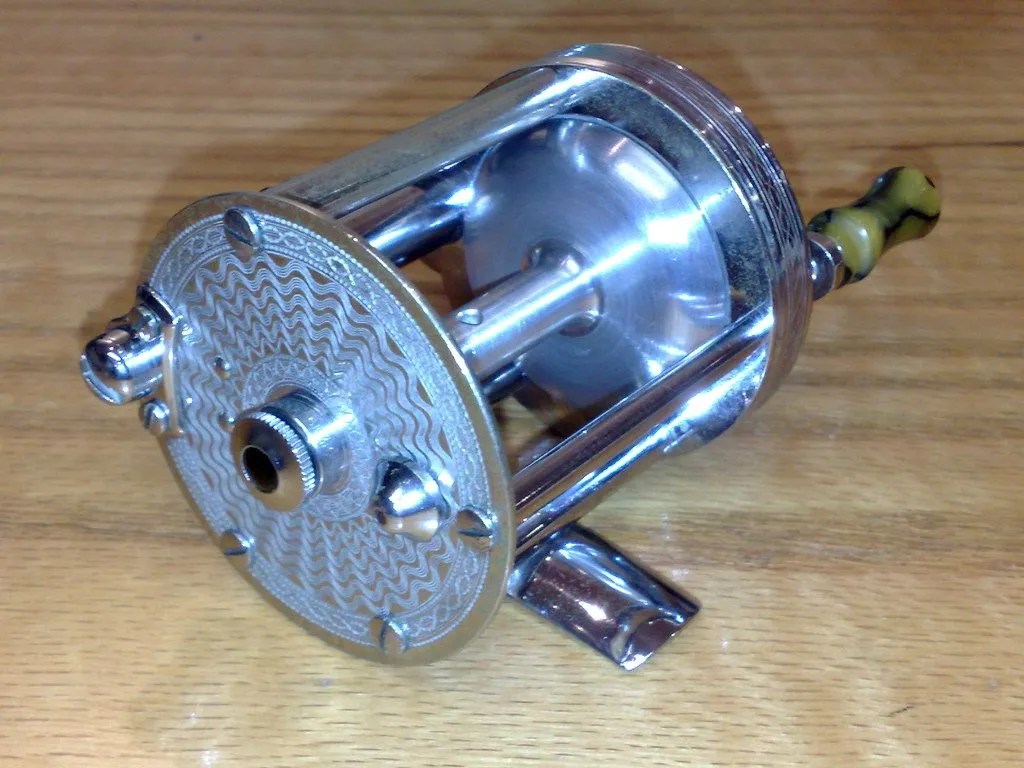
Fishing Reels: Types, Sizes, Gear Ratios and How to ChooseThe five types of fishing reels and who each is for, what a 2500 or 4000 size and a 6.4:1 gear ratio mean, how much drag you use, and what more money buys.
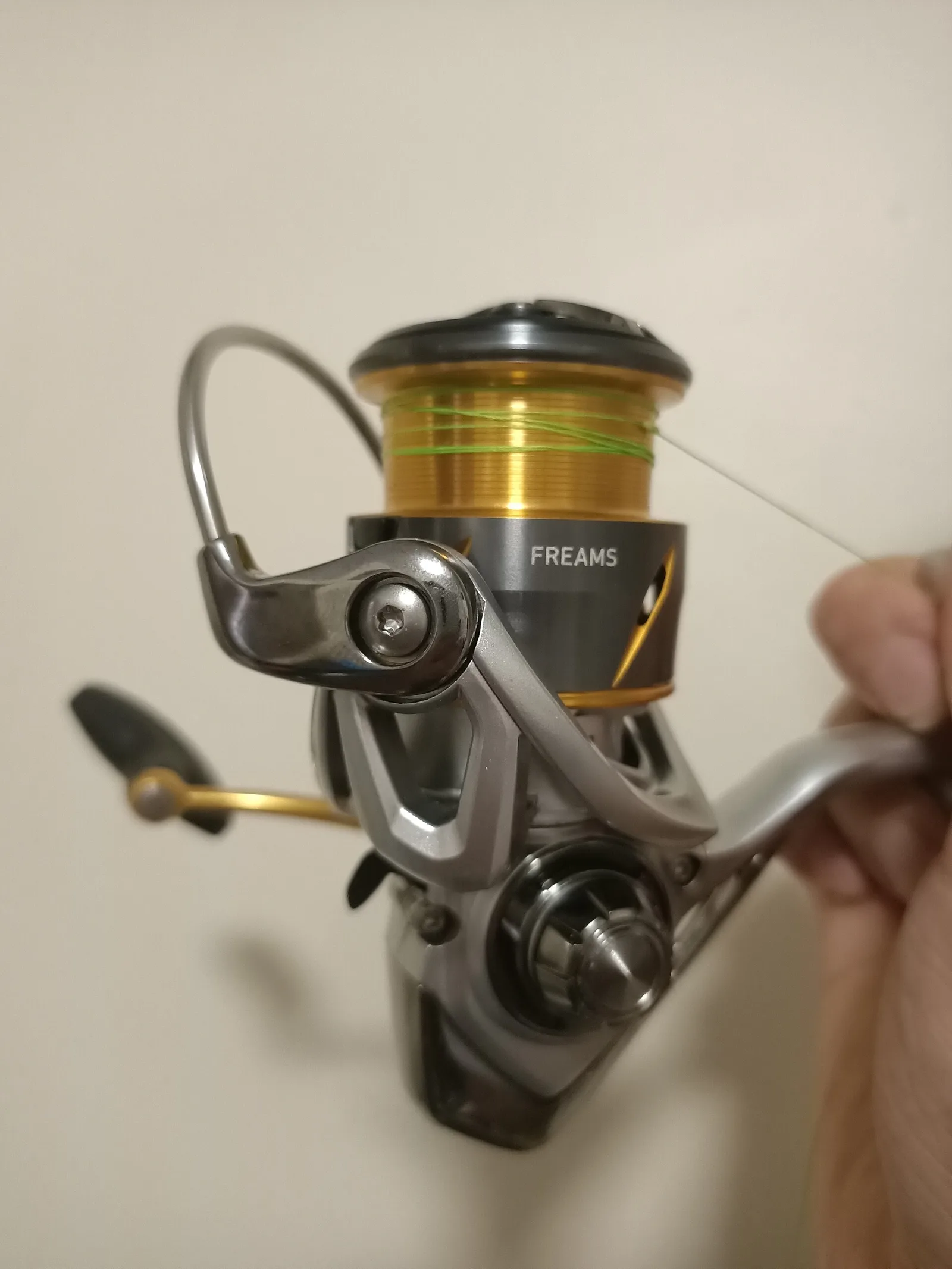 Daiwa Reels: Every Spinning and Casting Reel, and Which to Buy
Daiwa reels from the $25 Sweepfire to the $2,000 Saltiga, spinning and casting, with US list prices, LT, MQ and Magsealed explained, and the pick.
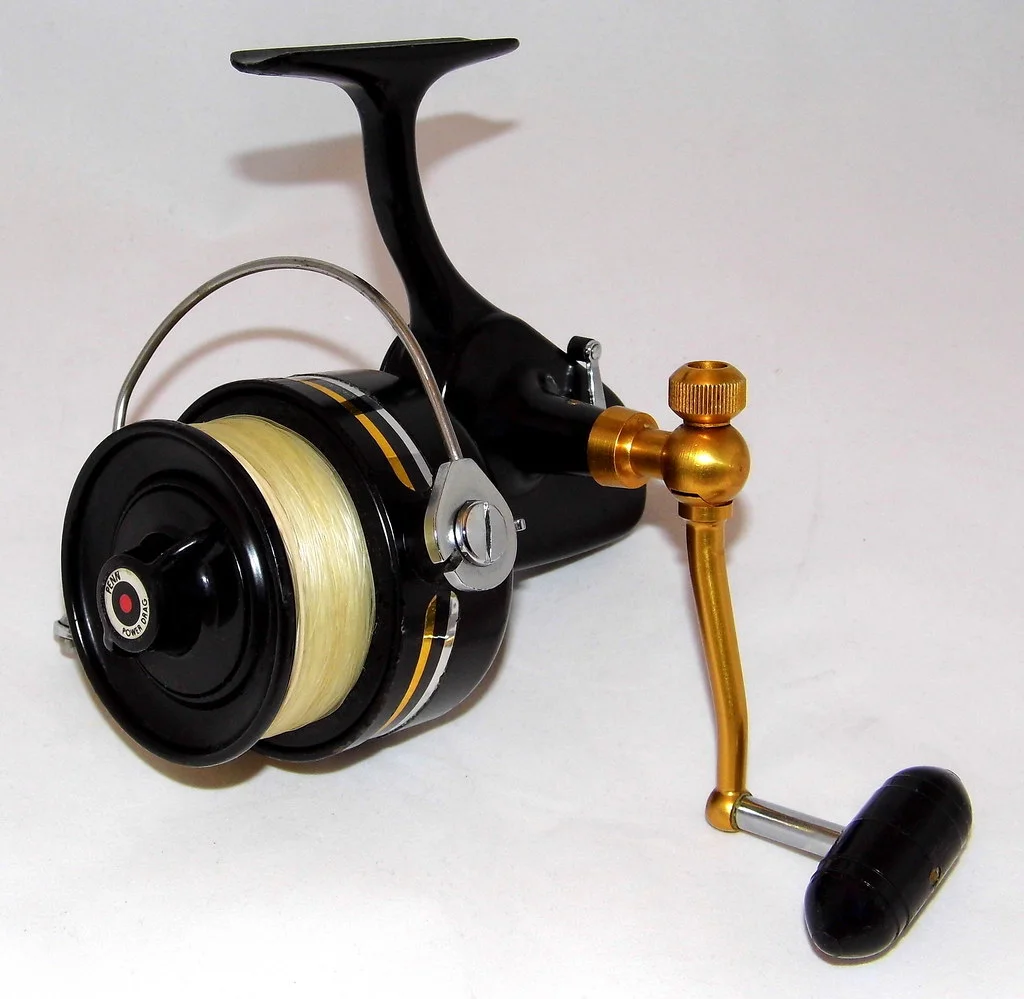 Penn Reels: Every Spinning Series and the Level Winds, Wrath to Authority
Every Penn spinning series on one price ladder: eight reels from the $60 Wrath II to the $720 Authority, the level winds, and what each step up buys.
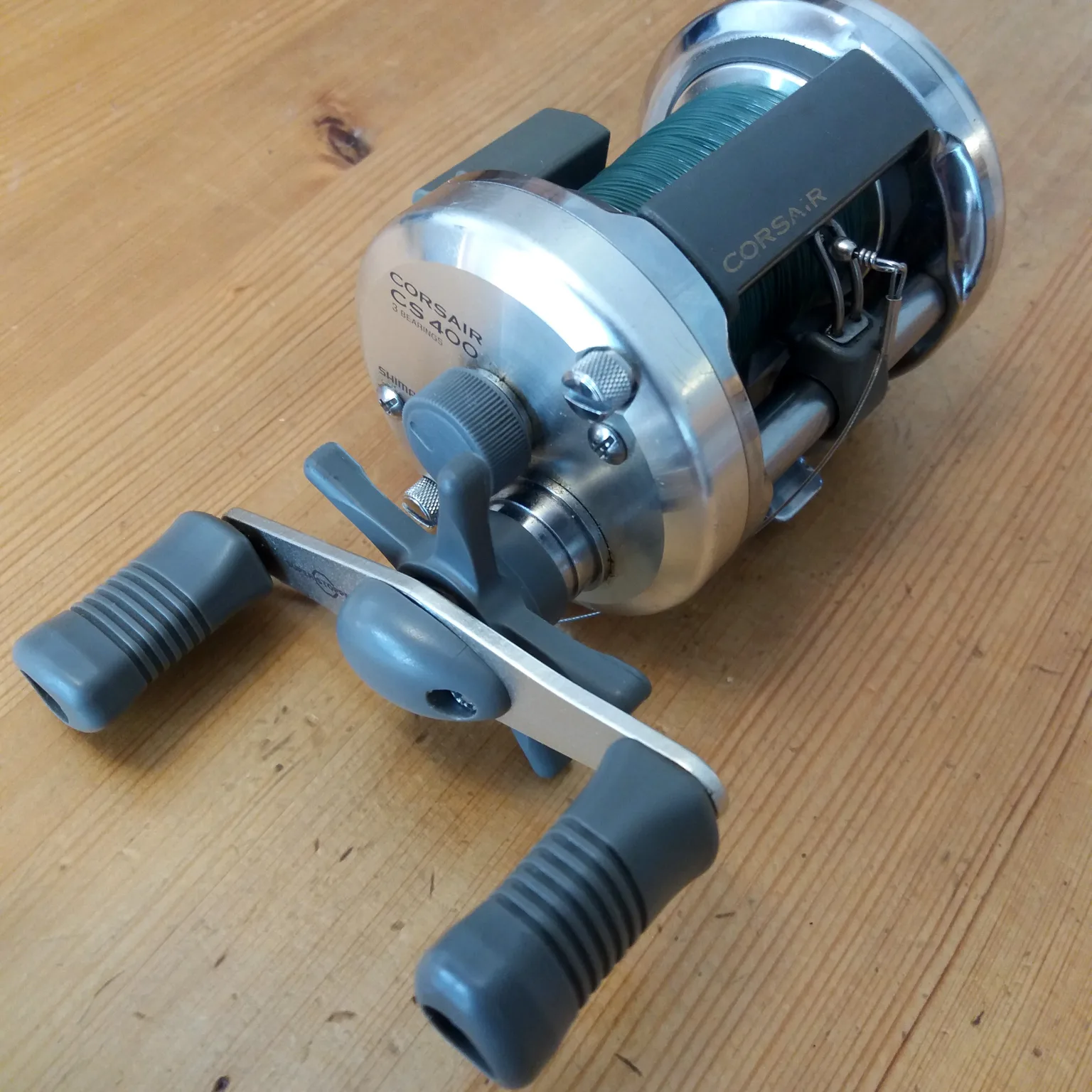 Shimano Reels: The Whole Line-Up, From Sienna to Stella
Shimano's spinning, casting and saltwater reels on one price ladder: what each step buys, how to read C3000XG, the warranty, and which to buy.
 Best Fishing Reels: The Reviewers' Picks by Type and Budget
The best fishing reels by type and budget: spinning, baitcasting and spincast picks with weight, drag and price from the makers' spec sheets.
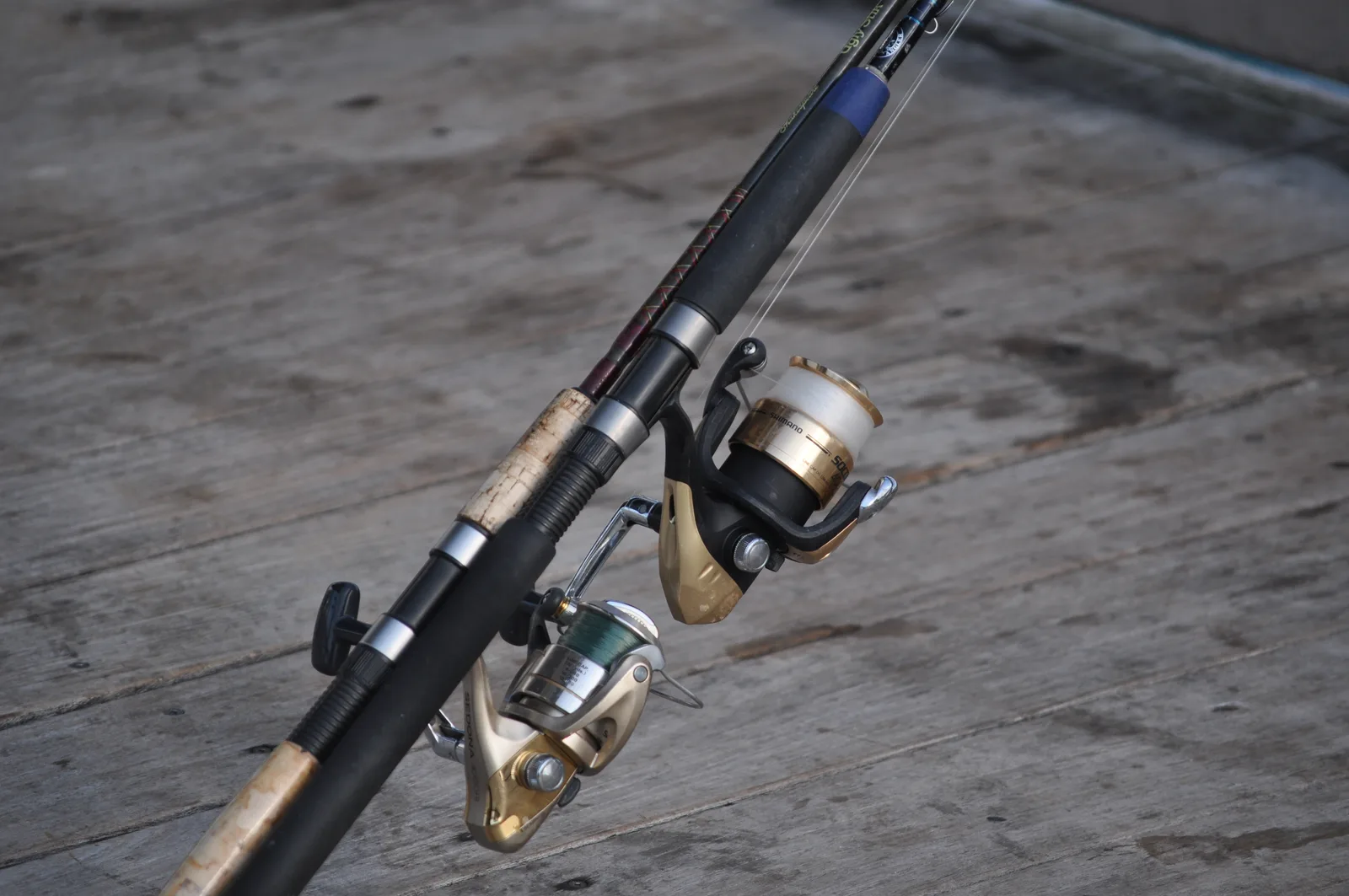 Saltwater Spinning Reels: What Sealed Means, Which Size, and the Picks
Saltwater spinning reels compared: eight reels by drag, weight and price, what IPX5 and IPX8 mean, and the size for inshore, surf and offshore.
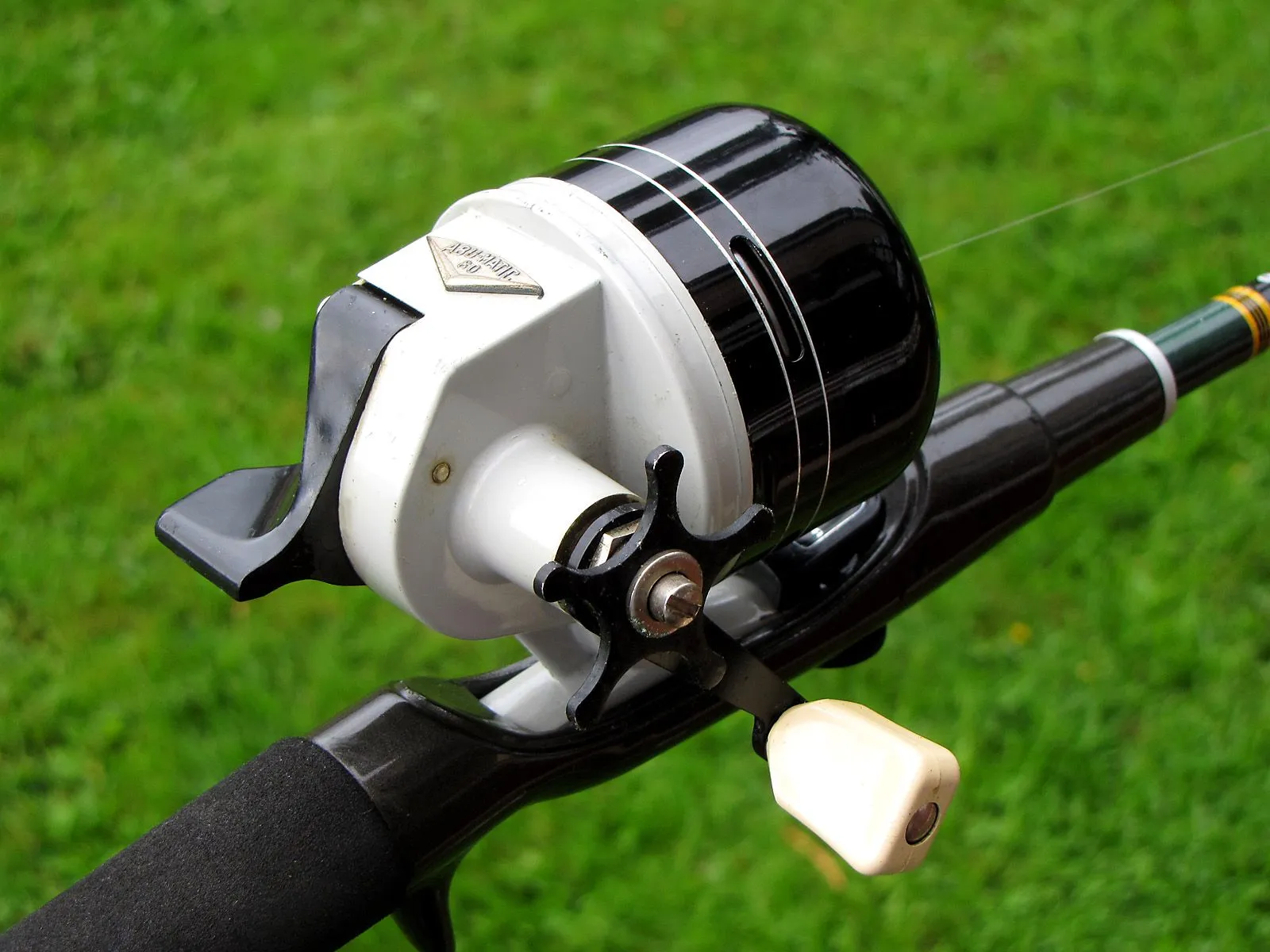 Spincast Reel: How It Works, Who It Is For, and Why Pros Skip It
A spincast reel hides a fixed spool under a nose cone and casts with a thumb button: no backlash, short casts. How it works, nine reels compared, spooling, care
Sources
- Lew's, how to spool a spinning reel
- Lew's, how to spool a baitcast reel (with Kevin Short)
- Take Me Fishing, how to spool a spinning reel with braided line
- Zebco, spincast reel troubleshooting: changing the line
- Daiwa Australia, how to put line on a fishing reel
- Mossy Oak, how to put fishing line on a new reel
- KastKing, what is fishing line twist and how to eliminate it
- Seaguar, don't let line twist be a let down (Mark Menendez)
- BCF, Shimano Sedona FJ spinning reel specifications (2500 line capacity)
- Washington State Parks, monofilament recycling
- Tackle Warehouse, how to tie an arbor knot (electrical tape under braid)
- Pflueger, President spinning reel (aluminum braid-ready spool)