 By
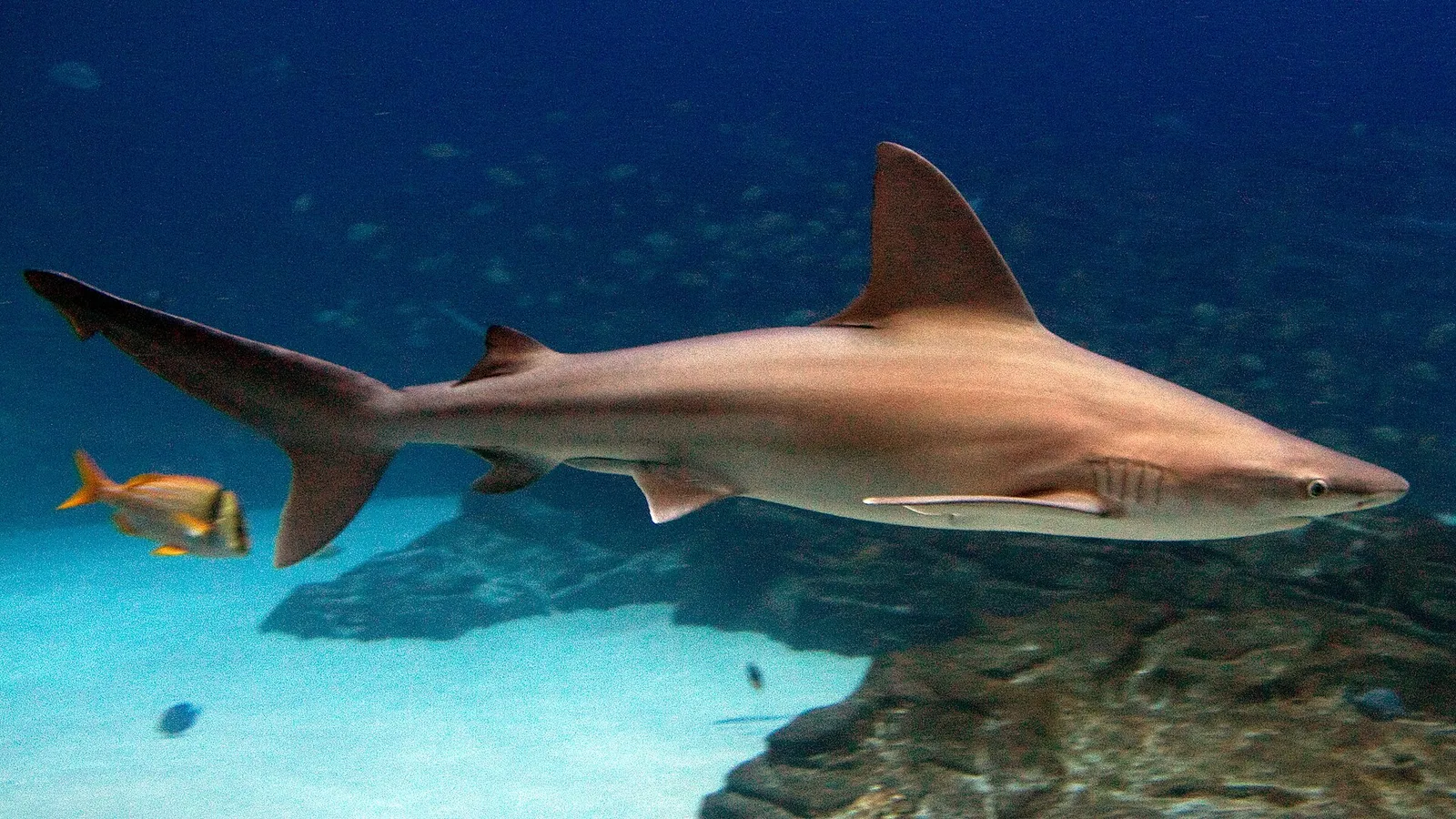
Yes, a shark is a fish. It lives in water and breathes through gills, the way a bass or a catfish does. What makes it special is the skeleton. There are no bones at all, only cartilage, the gristly stuff in your ears and the tip of your nose.
Sharks have been around a very long time. Going by fossil scales found in Australia and the United States, NOAA puts the first sharks in the ocean around 455 million years ago.
Are sharks fish or mammals?
Sharks are fish. NOAA Fisheries keeps the answer short: “Sharks are fish. They live in water, and use their gills to filter oxygen from the water.”
The mix-up is easy to make. A shark and a dolphin both live in the sea and both have a fin on the back. But a dolphin is a mammal, like a dog or like you. NOAA lists what makes it one. A dolphin is warm-blooded and breathes air with lungs. It gives birth to live young and feeds them milk. It even has a tiny bit of hair, right around its blowhole.
A shark fails that test. It gets its oxygen from the water through its gills. Most sharks are cold-blooded, so their body is as warm as the water around them. And no shark looks after its young. Once a pup is born or hatches, it’s on its own.
| Shark (a fish) | Dolphin (a mammal) | |
|---|---|---|
| Breathes with | Gills, 5 to 7 slits on each side | Lungs, air through a blowhole |
| Body heat | Most are cold-blooded, 5 species partly warm | Warm-blooded |
| Babies | Eggs or live pups, depending on the species | Live young |
| Milk and care | None after birth | Feeds its young milk |
| Skin | Tooth-like scales (denticles) | A tiny bit of hair at the blowhole |
So when a kid asks “is a shark a fish or a mammal?”, the fast answer is the gills. Fish breathe water. Mammals breathe air. Why a fish counts as an animal but never as a mammal is on are fish animals.
What kind of fish is a shark?
Nearly every fish belongs to one of two big groups. Bony fish are one: every bass, trout, catfish and carp you’ll ever reel in. Cartilaginous fish are the other: sharks, rays, skates and ghost sharks (chimaeras). There are about 1,200 species of them, and about 520 are sharks, the Florida Museum counts.
Sharks, rays, sawfish and skates go by one more name, elasmobranchs. Rays are close kin of sharks, with their gills on the underside.
Cartilage sounds weak, but it isn’t floppy. It’s “strong enough to give support but softer than true bone,” the Florida Museum says. As most sharks get older, they lay calcium into it to stiffen it. A dried shark jaw feels heavy and solid, a lot like bone. Shark ancestors did have bones. Those turned into cartilage, which made sharks lighter in the water.
Cartilage is softer than bone, so a whole fossil shark is very rare. The teeth are a different story. They have enamel, and a shark sheds them its whole life, thousands of them. Its teeth sit in layers, so when one breaks off, a new one takes its place. That’s why shark teeth wash up on beaches. You’ll find teeth of every kind on do fish have teeth. The bony side of the family is on do fish have bones.
Free PDF · 7-day beginner fishing pack Starting fishing? What do you buy, what does it cost, and what do you do at the water?
The 16-page beginner pack: the $85–100 kit with the spec to ask for in the store, the license rules, the first knot, the rig drawn, the cast, the bite and the release. A free seven-day email course comes with it, one step a day.
No card, nothing to buy, and the PDF is yours to keep. Confirm with one click and it's on its way. Then a few short emails and one a week on what's biting. Unsubscribe anytime. Privacy.
How is a shark different from other fish?
A shark is a fish, but it’s built differently from the bluegill in your bucket. Five things give it away.
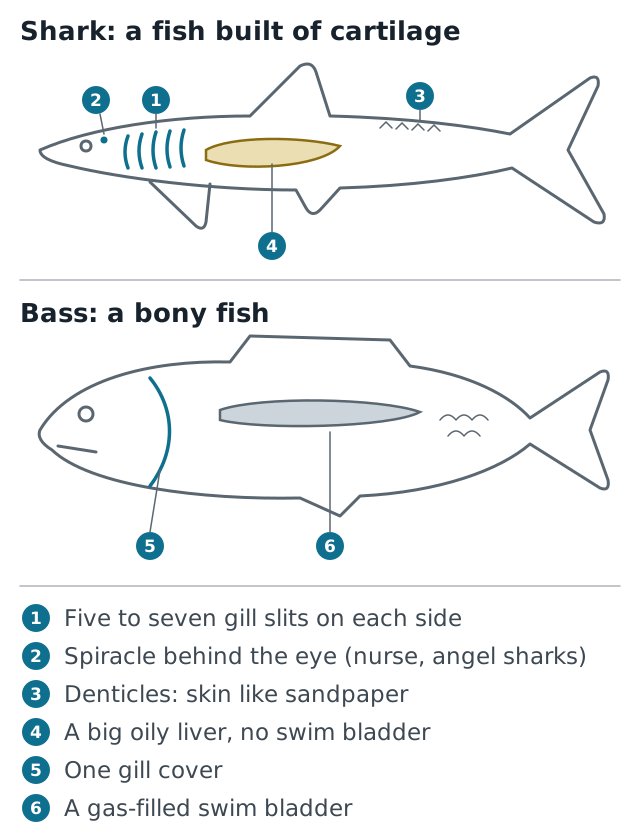 Where to look: the shark’s gill slits, spiracle, skin and liver against the bass’s gill cover, scales and swim bladder. Drawing: fishing.info, from the Florida Museum, NOAA and Australian Museum facts on this page.
The gill slits. Look behind the head. A shark has five to seven gill slits on each side, open to the water. A bass or a trout has a single flap over its gills, the gill cover. That’s the quickest check there is.
The skin. Shark skin is covered in tiny tooth-like scales called dermal denticles. They point toward the tail. Rub a shark from head to tail and it feels smooth. Rub it the other way and it feels like sandpaper. A shark doesn’t grow bigger scales as it grows. It grows more of them.
No swim bladder. Many bony fish float with a gas-filled bag called a swim bladder. Sharks don’t have one. A big liver full of light oil keeps them up instead. In many deep-sea sharks the liver is as much as 30 percent of the whole body. The sand tiger can even gulp air into its stomach for extra lift.
Breathing on the move. Many sharks have to keep swimming to push water over their gills. Not all of them do. Nurse sharks and angel sharks rest on the bottom and pump water over their gills through spiracles, small openings just behind the eyes. How gills work in every fish is on how do fish breathe.
Babies. In every shark, the eggs are fertilized inside the mother. Some sharks then lay tough egg cases, called mermaid’s purses. Others give birth to live pups. Either way the baby comes out as a smaller version of the adult. Bony fish have their own ways, and how do fish reproduce has the whole story.
Is a whale shark a fish?
Yes. The whale shark is not a whale. It’s a shark, so it’s a fish, and it’s the biggest fish in the ocean. NOAA puts a big whale shark at 12.2 meters (about 40 ft) and, by some estimates, 40 tons. The longest FishBase lists is 66 ft (20 m). They eat mostly tiny plankton. The basking shark is the second biggest fish, as long as 32 feet. A whale is a mammal, the same as a dolphin. How it stacks up against the biggest fish ever landed on a rod is on biggest fish ever caught.
Is it a fish? Twelve sea animals checked
Lots of animals in the water have “fish” or “shark” in the name, and lots of fish don’t look like fish. Here’s the short answer for the ones you’ll hear about, with the one sign that settles it for you.
| Animal | Fish? | What it is | The sign |
|---|---|---|---|
| Shark | Yes | Cartilaginous fish | 5 to 7 gill slits a side |
| Stingray, skate, sawfish | Yes | Cartilaginous fish, close kin of sharks | Gills on the underside |
| Ghost shark (chimaera) | Yes, but not a shark | Cartilaginous fish, a shark relative | One gill opening, not 5 to 7 |
| Whale shark | Yes | The biggest fish, a shark | Gill slits, no blowhole |
| Seahorse | Yes | Bony fish, 47 species | Bony plates, a back fin |
| American eel | Yes | Bony fish, a true eel | Small fins, lives in rivers |
| Electric eel | Yes, but not an eel | Fish closer to catfish and carp | Surfaces to breathe air |
| Lamprey | Yes, but not an eel | Jawless fish | Round sucker mouth, no jaws |
| Dolphin, porpoise | No | Mammal | Breathes air, feeds milk |
| Whale | No | Mammal | Warm-blooded, breathes air |
| Starfish (sea star) | No | Kin of sea urchins (an echinoderm) | No gills, scales or fins |
| Jellyfish | No | Invertebrate (no backbone) | No brain, blood or heart |
Is a seahorse a fish?
Yes, a seahorse is a fish. It’s a bony fish, one of 47 seahorse species, in the same family as the pipefish. You’d never guess it from the shape. It swims upright, pushing itself along with the fin on its back. In place of scales, it has thin skin stretched over rings of bony plates, like a suit of armor.
The seahorse’s claim to fame is its dad. Seahorses and their cousins the sea dragons are the only animals in which the male gets pregnant, NOAA says. The female puts her eggs into the male’s brood pouch, and he carries them for two to four weeks. Then he gives birth to anything from a few dozen to as many as 1,000 baby seahorses. Only about half of one percent make it to adulthood, so the big litters matter.
Seahorses live in shallow water near the coast, clinging to stalks of seagrass with their curled tails. Their numbers are falling, NOAA says: many, if not all, of the 47 species are in decline. If one ever comes up in your net in the bay, let it go where you found it.
Are eels fish?
Yes, eels are fish. True eels are bony fish, about 1,000 species of them. Their body is long and their fins are small. They have no fins underneath, and many have none on their sides either.
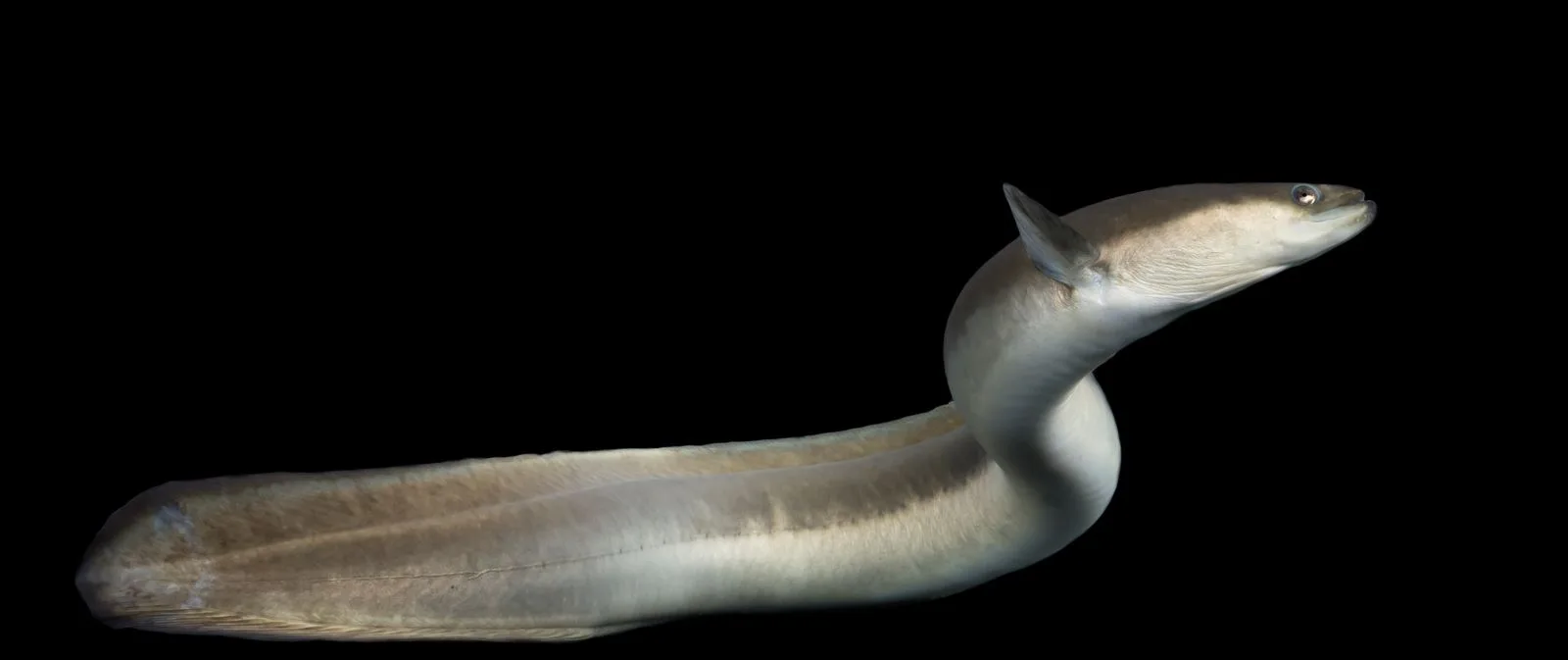 An American eel. Photo: Sam Stukel, U.S. Fish and Wildlife Service (public domain).
The one you can catch in fresh water is the American eel. It’s the only freshwater eel in North America, the U.S. Fish and Wildlife Service says. Females grow up to 4 feet long, males only to a foot and a half, and an eel can weigh up to nine pounds. They live in rivers and in estuaries, where a river meets the sea. They hunt at night and swim out to the Sargasso Sea, in the ocean, to spawn.
Two “eels” aren’t eels at all. The electric eel of South America is a fish. But it’s closer kin to catfish and carp than to true eels, Smithsonian’s National Zoo says. It even breathes air, coming up to the surface every so often. The lamprey looks like an eel but isn’t related to one. It’s a jawless fish with a skeleton of cartilage and a round sucker mouth full of teeth. If one comes up stuck to your trout, lamprey tells you what to do.
What do you do when you hook a shark?
Keep its gills in the water while you unhook it. A shark gets its oxygen through its gills, the same as any fish you let go. Florida writes that into its rules for the sharks you may not keep.
Florida’s shark rules make a good checklist for any beach or pier. They are the law in Florida only. Other states set their own, so check yours first.
- Get the permit before you fish from shore. In Florida, take the Shark-Smart Fishing course and get the Shore-based Shark Fishing permit. “Both are required when fishing for shark from shore and must be renewed annually.” The permit is free and is for anglers 16 and older. A kid under 16 skips the permit but takes the course, unless fishing with someone who holds one.
- Use a circle hook with bait. Florida requires “non-offset, non-stainless-steel circle hooks” when you target or keep sharks with live or dead natural bait. How that hook works, and where else the law asks for one, is on circle hooks.
- Bring cutters. From shore, you must carry something that can cut the hook or the leader, like bolt or cable cutters. The leader is the heavy length of line or wire in front of the hook.
- Keep the gills in the water. Prohibited sharks are the kinds you may never keep. They “must remain in the water with the gills submerged.” The advice for every other shark you land is the same. “Keep sharks, especially the gills, in the water.”
- Not sure what it is? Let it go. “Treat unknown catches as a prohibited species and release them.”
- Skip the long photo. Release it fast, and “do not delay release just to take pictures.”
Florida sorts the sharks you may keep into groups, each with its own size limit. Here are two of them.
| Florida group | Sharks in it (examples) | Smallest you may keep |
|---|---|---|
| Group 1 (8 species) | Atlantic sharpnose, bonnethead, blacktip | No minimum size |
| Group 2 (7 species) | Bull, nurse, spinner | 54 inches fork length |
Fork length is measured from the snout to the fork of the tail. The bag limit, what you may keep in a day, is one shark per person, and no more than two per boat.
Want to eat it? NOAA says shark meat “is tasty and nutritious if properly prepared.” It spoils quickly, so ice it. Some kinds taste strong, and NOAA’s fix is 24 hours on ice, then two hours soaking in brine (salt water). Never eat the liver. Its high levels of vitamins can make people sick. Before you feed shark to kids, check your state’s fish advisory.
Can sharks live in freshwater?
Only a couple of shark species can live in fresh water for any length of time: the bull shark and the speartooth shark. Bull sharks have been reported more than 1,800 miles up the Mississippi River, as far as Illinois, the Florida Museum says. They always have a way back to the sea, though. There are no populations in lakes cut off from the ocean, so you won’t meet one in a landlocked lake.
So what about the “shark” in a pet store tank? The bala shark is not a true shark. It gets the name from its torpedo-shaped body and large fins. Some catfish get called sharks the same way. The iridescent shark, another tank fish, is a catfish from Southeast Asia named for its shark-like look. Its meat is sold in stores as swai.
The bull shark also turns up on the scariest fish, as one of the three sharks with the most bites on record. And for more of the questions kids ask on the way to the water, the fish facts page has them all in one place.

Free PDF · 16 pages
Your first fishing trip, from the store aisle to the first fish
Lost in the tackle aisle, the wrong gear in the cart, and home with nothing. Skip all of that.
The 7-Day Beginner Fishing Pack. A 16-page PDF plus a free seven-day email course, one step a day: the whole first trip in order, from the store to the release.
- Walk out of the store with the right rod and nothing extra: the $85–100 kit, item by item
- Know if you need a license, in 13 states, and the places where nobody needs one
- What to do when the bobber goes under, and the ten-second rule for letting the fish go
Every line from the beginner pages on fishing.info and the 247 sources behind them, the U.S. Fish and Wildlife Service and the Missouri Department of Conservation among them.
No card, nothing to buy. Confirm with one click and the PDF is on its way, one version for your phone and one to print, yours to keep. Then a few short emails and one a week on what's biting, with an unsubscribe link in every one. Privacy.
Related
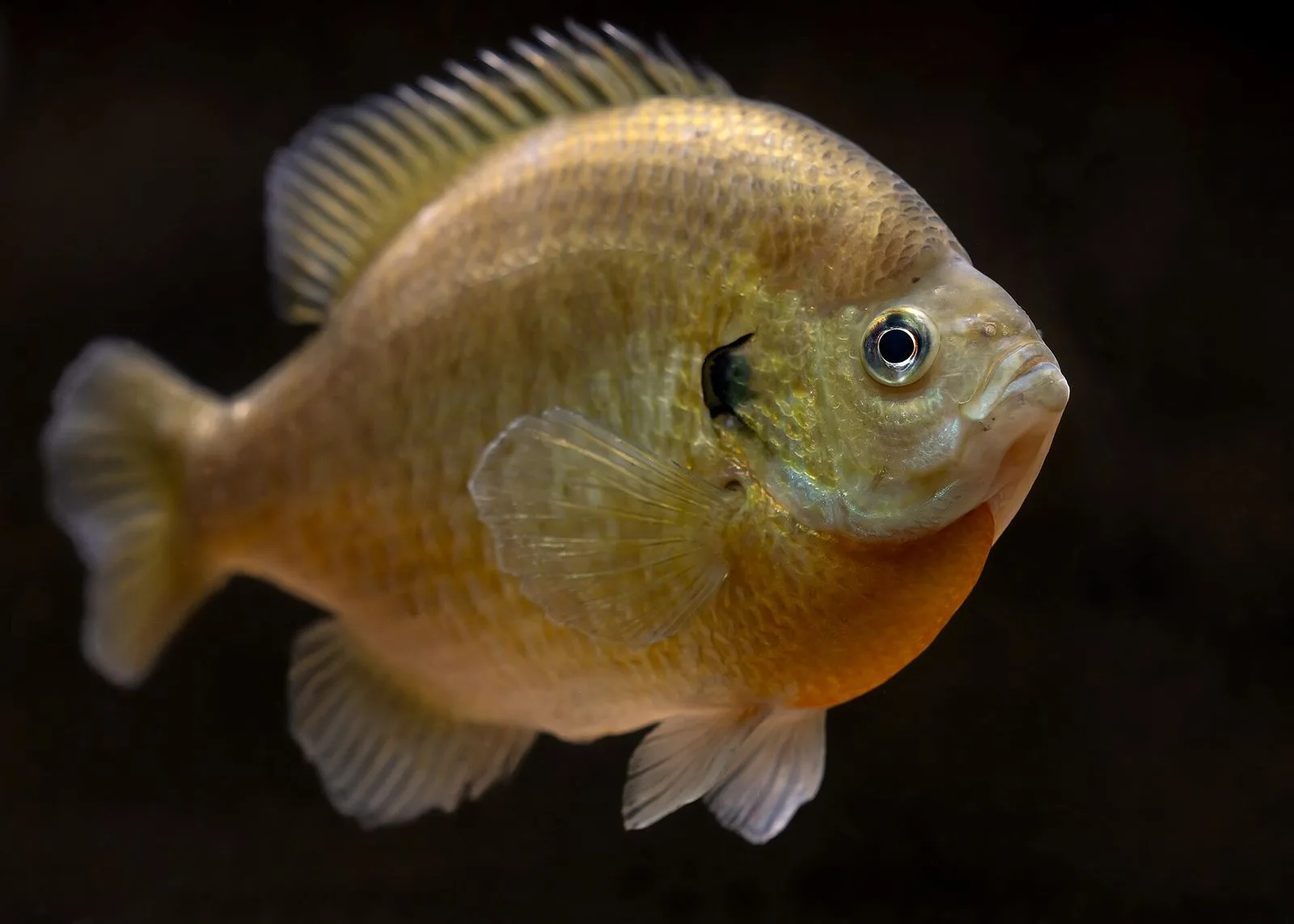
Section guide
Fish Facts: The Questions Kids Ask About Fish, Answered With the ScienceFish facts with a number and a source for each: how fish sleep, breathe, hear and feel, and what every answer means when you hook and release one.
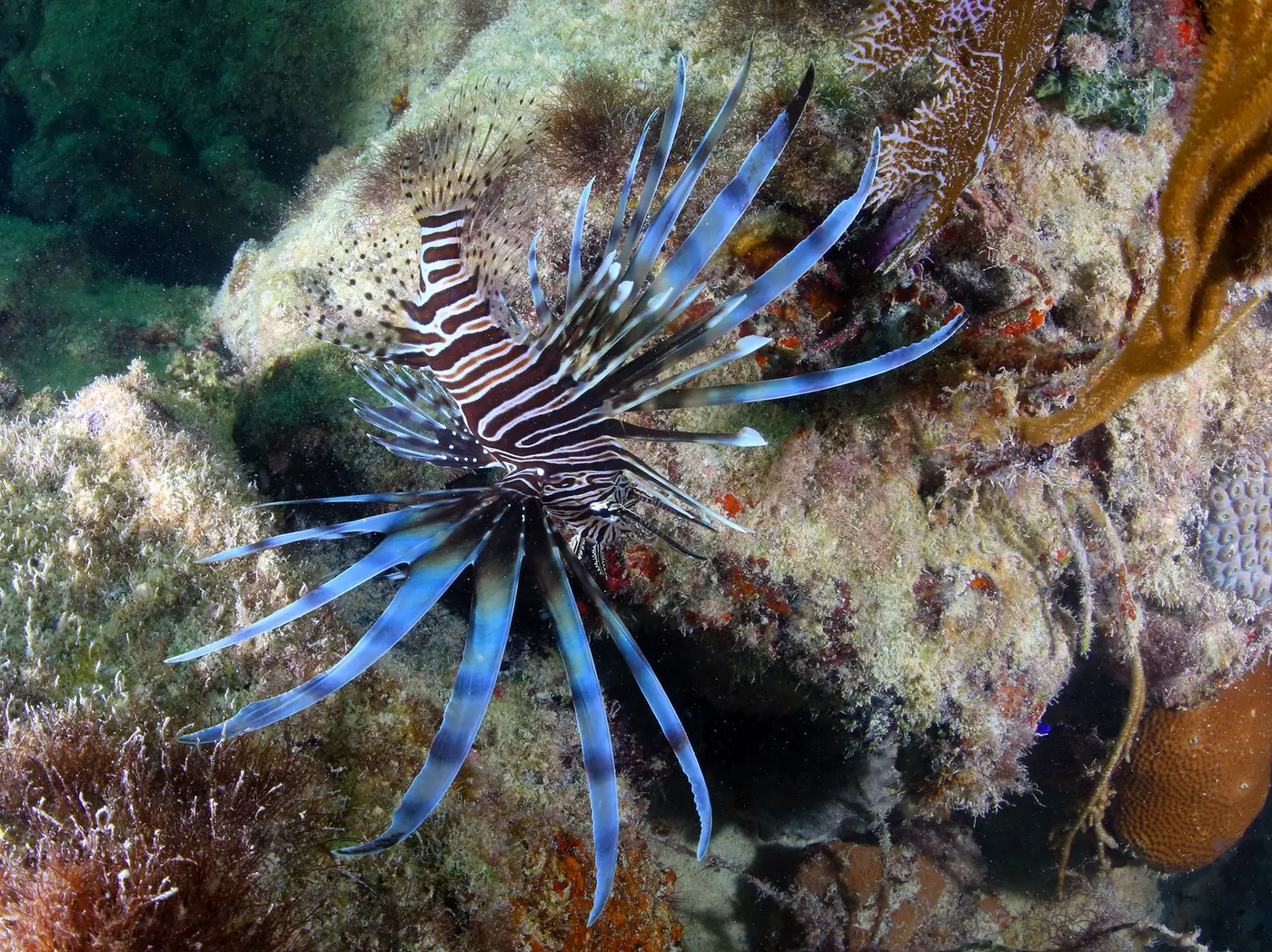 Scariest Fish: Which Ones Really Hurt People, and Which Only Look It
The scariest fish in the world, sorted by what each can really do to you: sharks that bite, the most venomous fish, fish that poison and harmless monsters.
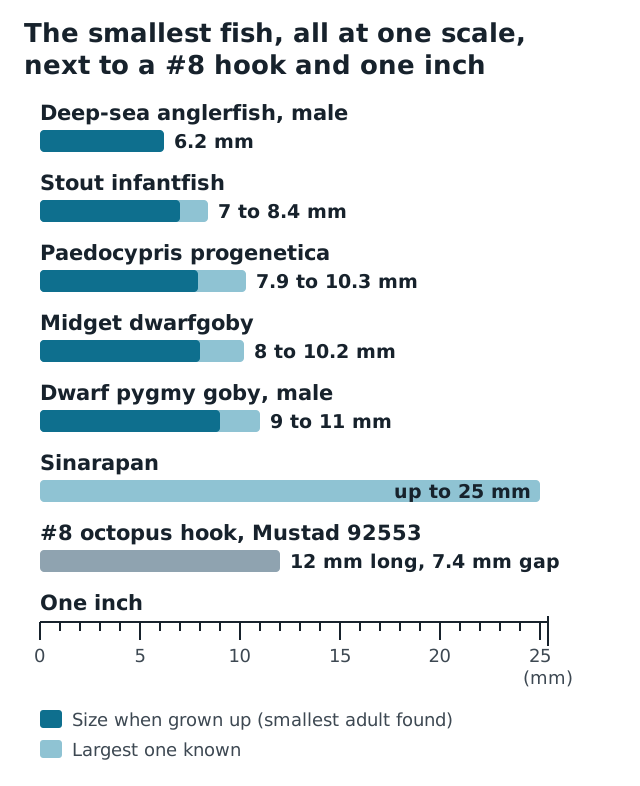 Smallest Fish in the World: Three Fish Under a Third of an Inch
The smallest fish in the world is a swamp fish grown at 7.9 mm, shorter than a #8 hook. Its two rivals, how each was measured, and tiny fish in US water.
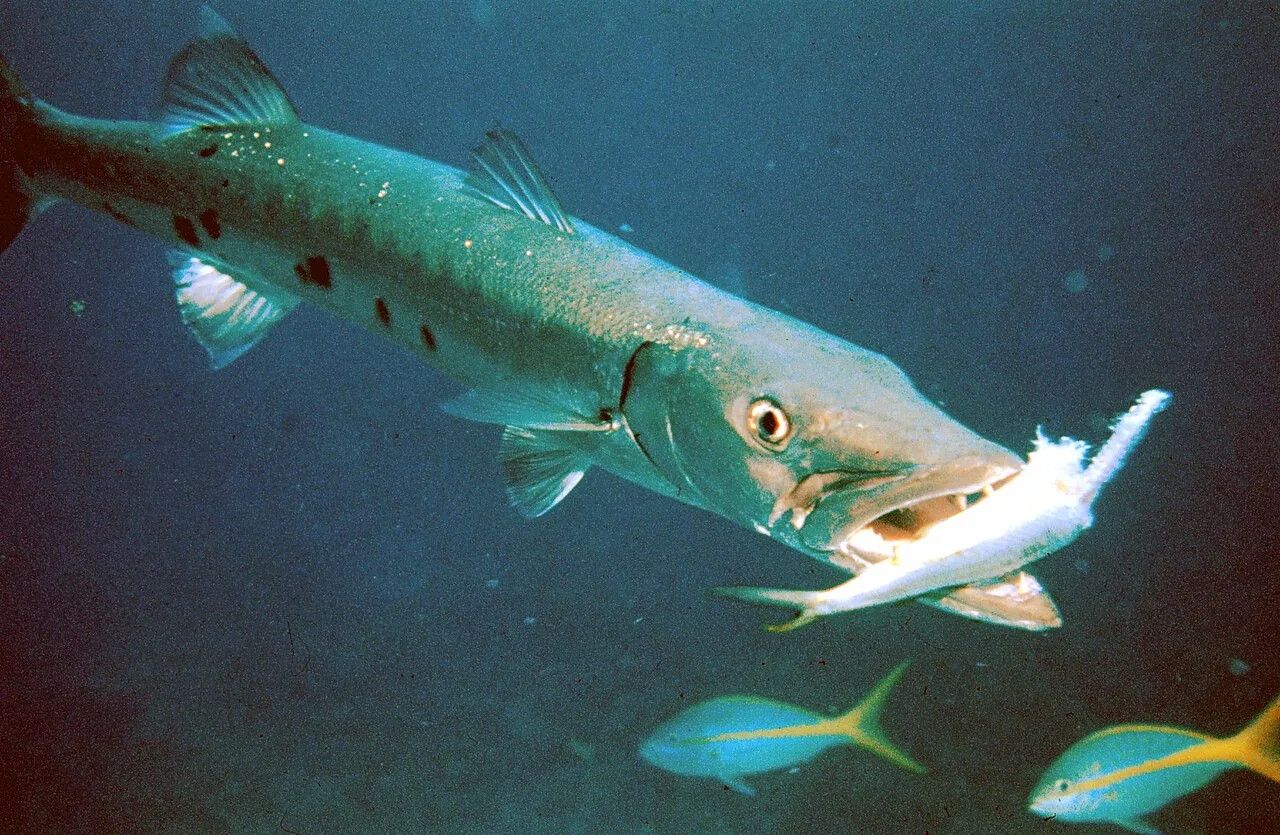 What Do Fish Eat? Wild, Pond and Pet Fish, and the Bait That Matches
What do fish eat? Insects, small fish, crayfish, worms, plankton and plants, by species. Read the mouth, match the bait, and feed a pond or tank right.
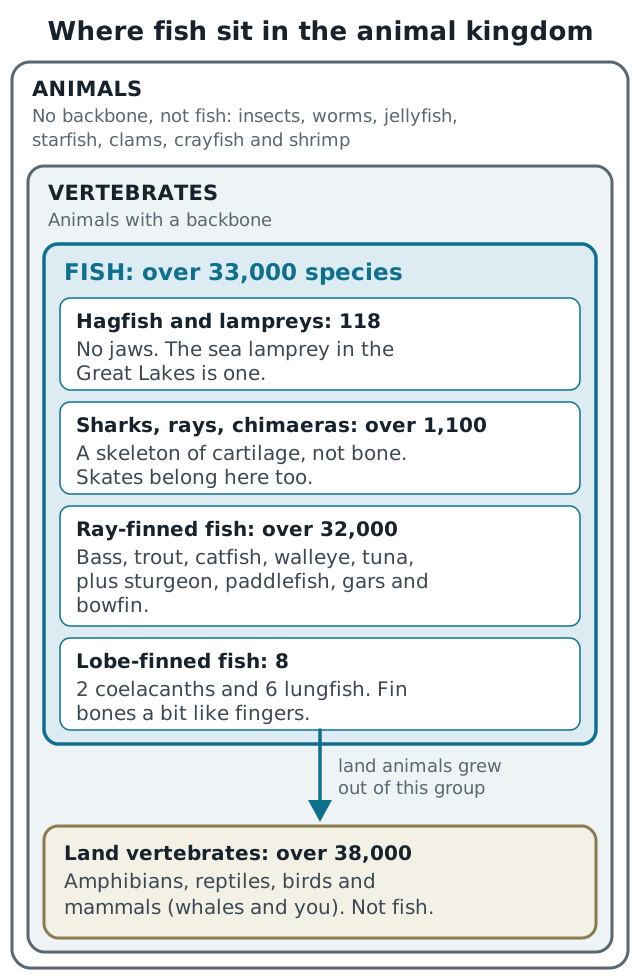 Are Fish Animals? Yes: Vertebrates, Not Mammals, Mostly Cold-Blooded
Are fish animals? Yes: animals with a backbone and gills. Why fish aren't mammals, which fish run warm, and why California law calls a bee a fish.
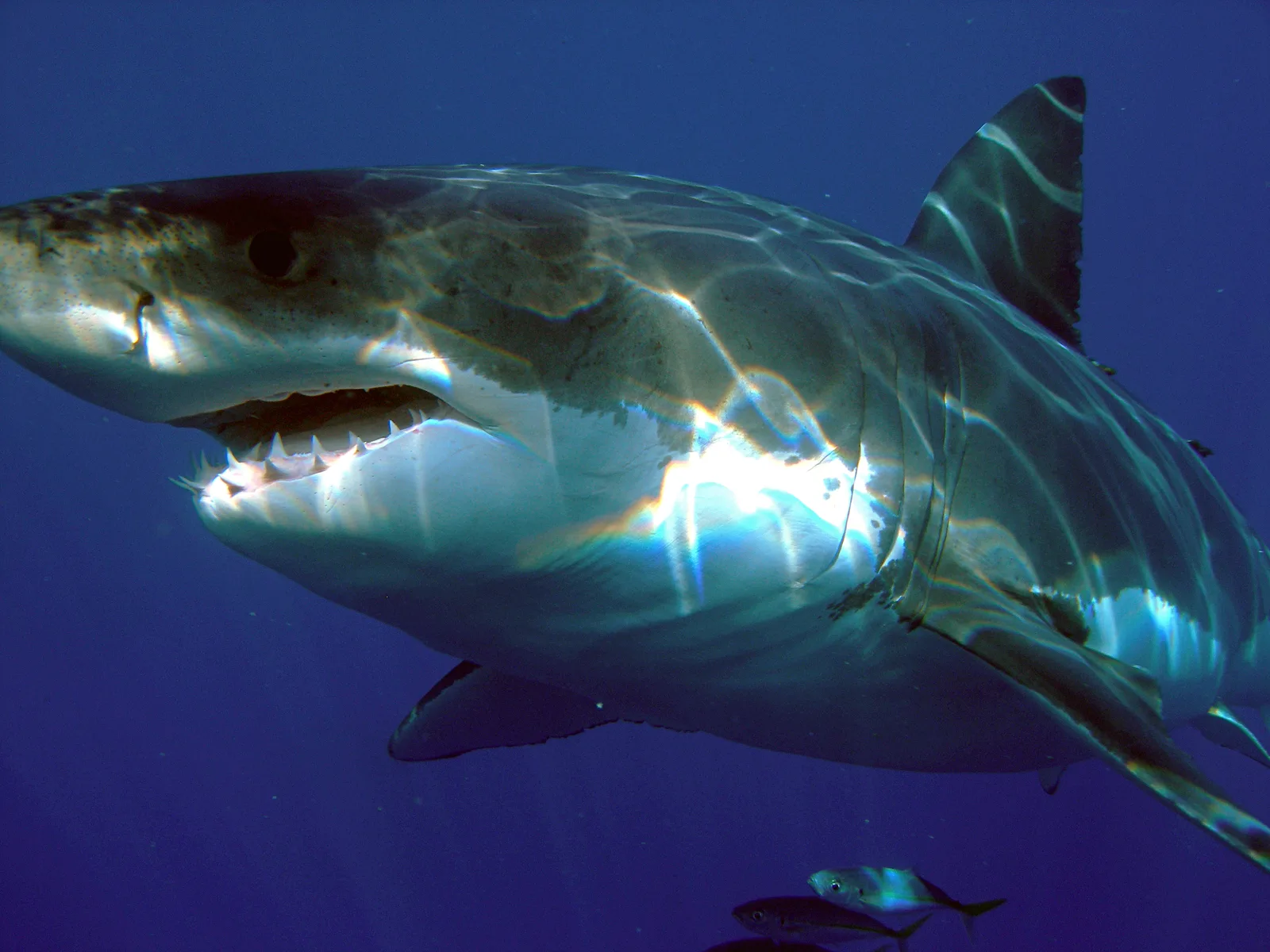 Biggest Fish Ever Caught: A 2,664 lb Great White on Rod and Reel
The biggest fish ever caught on rod and reel is a 2,664 lb great white from 1959. The IGFA top 10, the bigger fish that don't count, and the US giants.
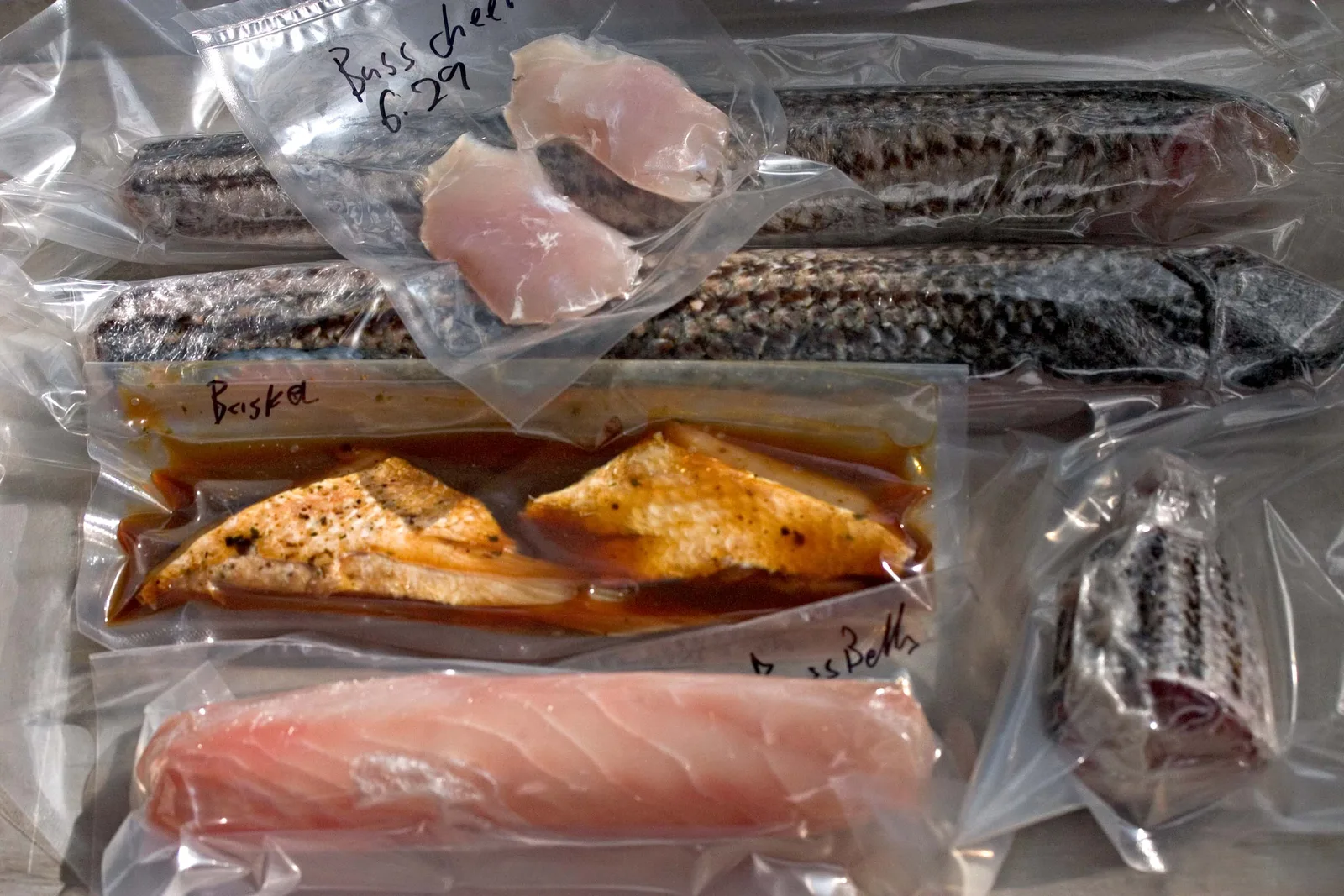 Is Fish Meat? Biology Says Yes, Lent Says No, Here's Why
Is fish meat? Biology says yes, Lent rules and US food law say no. See what vegetarian, kosher, halal and Hindu rules each say about fish.
Sources (20)
- NOAA Fisheries, Fun Facts About Shocking Sharks (are sharks fish, do sharks have bones, shark meat)
- NOAA Fisheries, 12 Shark Facts That May Surprise You
- Australian Museum, What is a shark?
- Florida Museum of Natural History, Sharks FAQ
- Florida Museum of Natural History, Shark biology
Show all 20 sourcesShow fewer sources
- NOAA National Ocean Service, Are dolphins fish?
- NOAA National Ocean Service, How do seahorses differ from all other animals?
- Seahorse (overview: 47 species of bony fish, bony plates instead of scales)
- Eel (overview: ray-finned fish of the order Anguilliformes, about 1,000 species; other eel-shaped fish)
- U.S. Fish and Wildlife Service, American eel
- Smithsonian's National Zoo and Conservation Biology Institute, Electric eel
- Great Lakes Fishery Commission, Sea lamprey
- NOAA National Ocean Service, Are starfish really fish?
- NOAA National Ocean Service, What are jellyfish made of?
- Florida Fish and Wildlife Conservation Commission, Sharks: recreational regulations, shore-based permit and Shark-Smart handling
- Bala shark (overview: not a true shark, named for its torpedo-shaped body and large fins)
- Iridescent shark (overview: a shark catfish of Southeast Asia, not a real shark, sold as swai)
- FishBase, Rhincodon typus (whale shark)
- Florida Museum of Natural History, Bull shark (Carcharhinus leucas) species profile
- Florida Museum, International Shark Attack File: Species Implicated in Attacks