 By
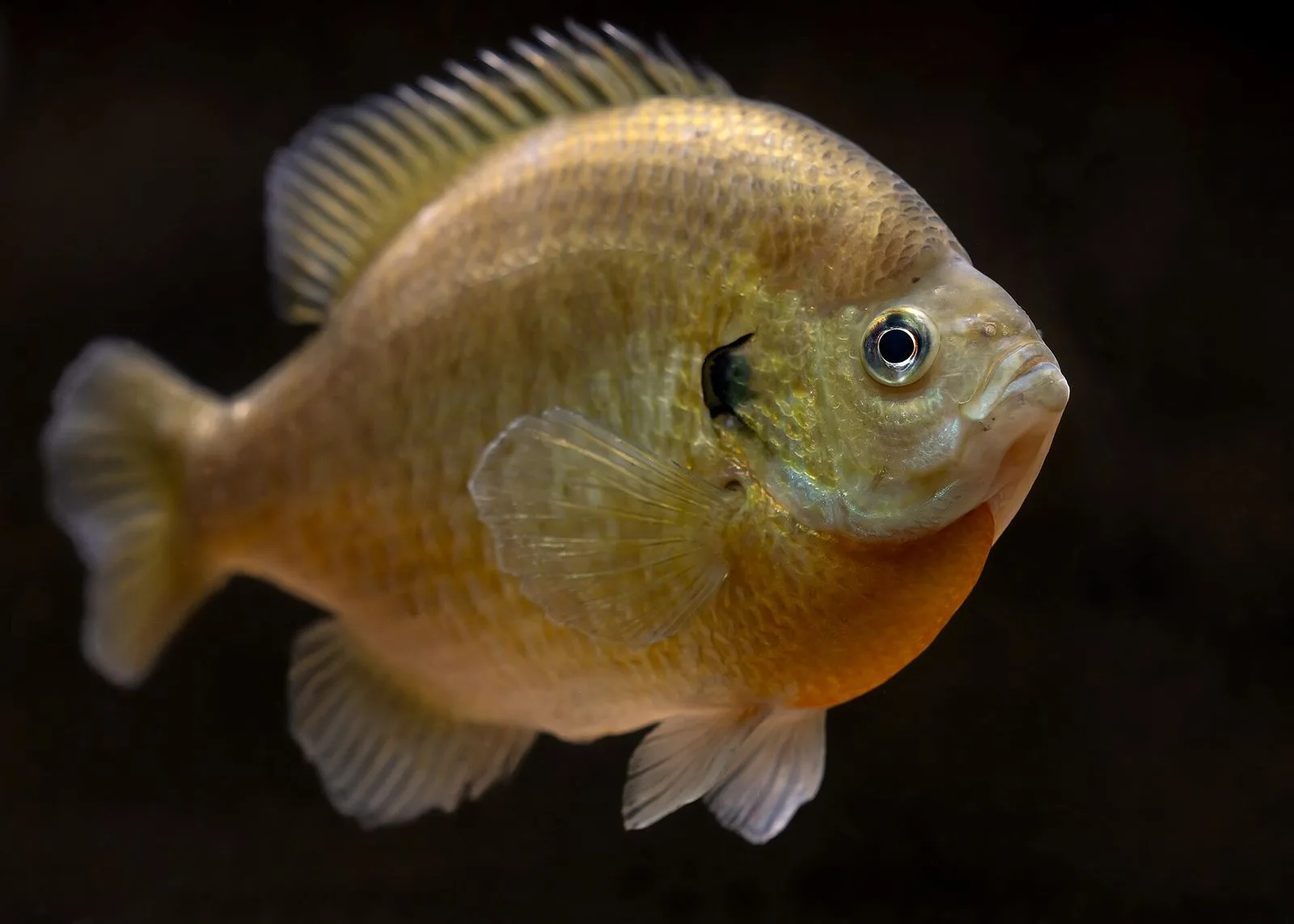
Yes, fish are animals. A fish is a vertebrate, an animal with a backbone, that lives in water and breathes with gills. There are over 33,000 kinds, more than any other group of animals with a backbone. So the bluegill on your hook is as much an animal as the dog in your truck.
In California, a bumble bee can count as a fish. The state’s fishing code calls crayfish, clams and frogs “fish.” In 2022 a court ruled that the word can cover four kinds of bumble bee too.
Is a fish an animal or just a fish?
Both. “Fish” is a group inside the animals, the way “dog” is. Nobody says a dog isn’t an animal because it’s a dog. Some people call fish sea creatures, not animals. A sea creature is still an animal.
The mix-up is about the word “animal,” not about fish. In biology, an animal is a living thing of the animal kingdom that usually moves around and gets its energy by eating other living things. That takes in fish, bugs, worms and you. In everyday talk, the word shrinks. Wiktionary lists three loose meanings people really use. One is “a land-dwelling nonhuman vertebrate.” One is a warm-blooded animal, “a mammal or bird.” The last is plain “a non-human mammal.” Under any of those, a trout drops out.
So a kid who says “fish aren’t animals, they’re fish” isn’t being silly. They’re using the everyday word. In the science sense of the word, the answer is yes, every time.
Where do fish fit in the animal kingdom?
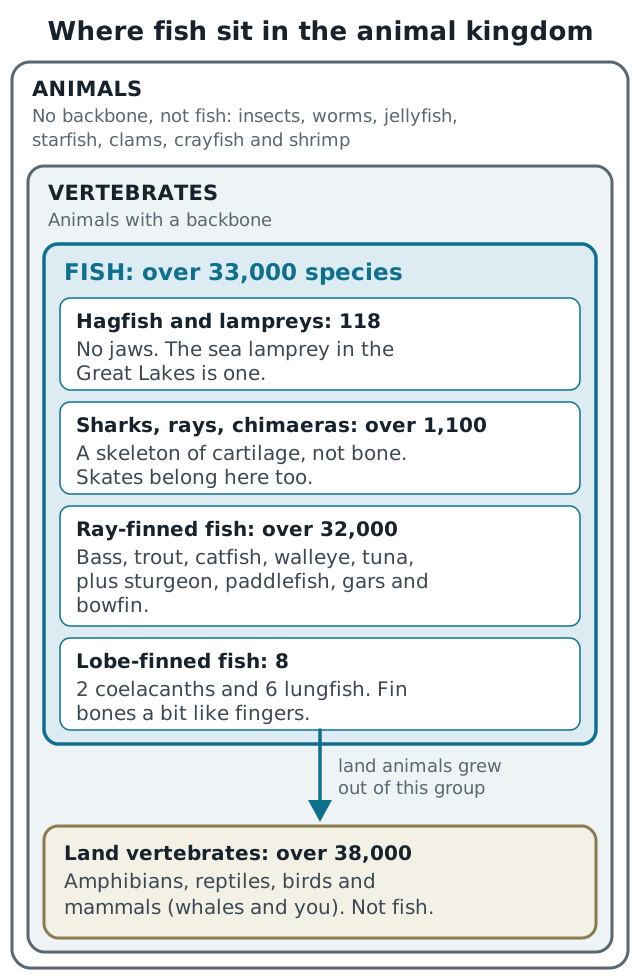
Fish sit inside the vertebrates. Here’s the whole picture in one drawing, from the top down.
Where fish sit, with the number of living species in each group. Drawing: fishing.info
Fish make up close to half of all vertebrate species. They split into four big groups, and you can catch something from three of them in the US.
| Fish group | Living species | Fish you might catch |
|---|---|---|
| Hagfish and lampreys (no jaws) | 118 | The sea lamprey, sometimes stuck to a lake trout |
| Sharks, rays and chimaeras, also called ghost sharks (cartilage skeleton) | Over 1,100 | Sharks and rays off a pier or the surf |
| Ray-finned fish, older branches | 27 sturgeon and paddlefish, 14 bichirs, 7 gars, 2 bowfins | Sturgeon, paddlefish, alligator gar, bowfin |
| Ray-finned fish, teleosts (the bony fish most of us picture) | Over 32,000 | Bass, trout, catfish, walleye, tuna and nearly everything else |
| Lobe-finned fish | 2 coelacanths, 6 lungfish | None in US waters |
About 96 out of every 100 living fish species are teleosts. Ray-finned fish have thin fins of skin held up by fine bony spines. Lobe-finned fish have fleshy fins with bones inside. The lobe-finned fish matter for a strange reason. Land animals grew out of that branch, so in family-tree terms you’re a very changed fish. FISHBIO puts it nicely: “Your inner ear traces back to a fish’s balance organ.”
Free PDF · 7-day beginner fishing pack Starting fishing? What do you buy, what does it cost, and what do you do at the water?
The 16-page beginner pack: the $85–100 kit with the spec to ask for in the store, the license rules, the first knot, the rig drawn, the cast, the bite and the release. A free seven-day email course comes with it, one step a day.
No card, nothing to buy, and the PDF is yours to keep. Confirm with one click and it's on its way. Then a few short emails and one a week on what's biting. Unsubscribe anytime. Privacy.
Are fish vertebrates?
Yes. A vertebrate is an animal with a backbone, and fish were among the first vertebrates on Earth. Every fish group in the table above counts as one.
There are two wrinkles worth knowing. Sharks, rays and skates have a skeleton of cartilage, the bendy stuff in your nose and ears, not bone. It’s still a backbone. And hagfish are the odd ones out. They’re the only animals known with a skull but no full backbone, only the small beginnings of one. They’re still filed with the vertebrates, next to their closest kin, the lampreys.
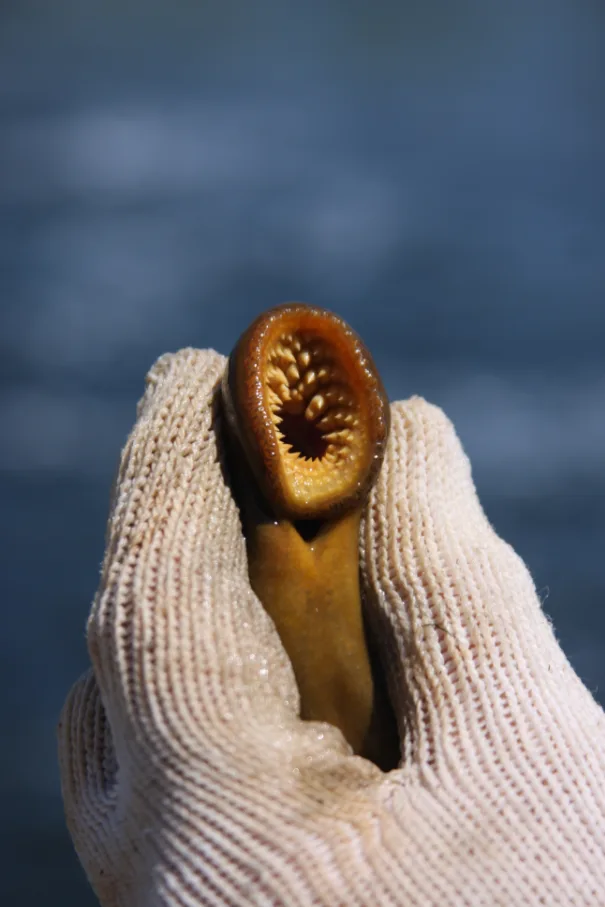
A sea lamprey: a fish with a backbone but no jaws. Photo: Karla Bartelt, U.S. Fish and Wildlife Service (public domain)
You can find the backbone on any fish you clean. A fillet is the muscle that comes off along it, and do fish have bones shows what else is in there.
Are fish mammals?
No. Fish and mammals are both vertebrates, but they’re separate branches. A mammal has hair or fur and feeds its young milk. It breathes air with lungs, and its body makes its own steady heat. A fish breathes water through its gills, has no hair, and in most cases is as warm as the water around it.
The confusing cases are the big ones in the ocean. A whale or a dolphin is a mammal that lives like a fish. A whale shark is a fish with a mammal’s name. Here’s how to tell them apart.
| Trait | Fish (sharks included) | Marine mammals (whales, dolphins, seals) |
|---|---|---|
| Breathes with | Gills, taking oxygen from the water | Lungs, so it comes up for air |
| Body heat | Most match the water | Made inside, and steady |
| Hair | None | Yes, or had some at one point |
| Babies | Most lay eggs, but some sharks give birth to live young | Live young, fed on milk |
Live birth doesn’t make a shark a mammal. Save Our Seas says it straight. “Sharks are fish, even though some people believe they are mammals due to how big some of them can get and because some give birth to live young.” Sharks also have five to seven gill slits on each side of the head. No mammal has gills at all.
Is a fish an amphibian or a reptile?
No to both. Amphibians and reptiles sit in the land branch at the bottom of the drawing, the four-limbed vertebrates.
Frogs, toads and salamanders are amphibians. That’s where the mix-up comes from. Most start life in the water with gills, a frog as a tadpole, then change into adults that breathe air with lungs. A tadpole looks like a little fish, but it’s a frog on the way. Reptiles are turtles, snakes, lizards and alligators. They’re cold-blooded like fish, but they belong to the land branch too.
The fish closest to the land animals are the lungfish. They’re the nearest living relatives of every amphibian, reptile, bird and mammal, you included. Most have two lungs and come up to gulp air. There are only six kinds, in Africa, South America and Australia. Their cousins, the coelacanths, live in the Indian Ocean and off Indonesia. So you won’t hook a lobe-finned fish in the US.
Are fish cold-blooded?
Most are. A typical fish gets its body heat from outside. It’s the same temperature as the water around it, so a bluegill in a 60 °F (16 °C) pond is a 60 °F fish. How fish handle that in winter is on the do fish get cold page.
A few fish break the rule. Tuna and billfish keep part of their body warmer than the sea, and so do some big, active swimmers like the white shark. A big Atlantic bluefin can hold its swimming muscle up to about 38 °F (21 °C) above the water. The opah goes further and warms its whole body.
For you, the cold-blooded part is the useful bit. A fish can’t warm itself up to chase your lure, so the water temperature sets how fast it moves and how much it eats. That’s why fish managers sort fish into coldwater, coolwater and warmwater groups. Trout and salmon are coldwater fish. Walleye, pike, perch and smallmouth are coolwater fish. Largemouth, sunfish and catfish are warmwater fish. Bring a thermometer, and check the water temperature chart for the band each fish likes.
Is it a fish? Starfish, jellyfish and other trick names
The name is a bad guide. Plenty of animals with “fish” in their name aren’t fish, and some odd-looking ones are. The test: a fish is a vertebrate that lives in water and breathes with gills.
| Animal | A fish? | Why |
|---|---|---|
| Starfish (sea star) | No | No gills, scales or fins. It’s kin to sea urchins and sand dollars |
| Jellyfish | No | No brain, blood or heart, and it’s about 95 percent water |
| Crayfish, shrimp, crab | No | Crustaceans, shelled animals with no backbone |
| Whale, dolphin | No | Mammals that breathe air |
| Shark, ray | Yes | Fish with a skeleton of cartilage |
| American eel | Yes | A fish, though it looks nothing like the usual fish shape |
| Seahorse | Yes | A fish without the streamlined body |
| Lamprey | Yes | A fish with no jaws |
The crayfish you use for bait is an animal, just not a fish. The lamprey that looks like a worm with teeth is a fish.
When does the law call something a fish?
Here’s where it gets strange, and where it can matter to you. A law can define “fish” or “animal” however it likes, and US laws do. These three each draw the line in a different place.
- California’s fishing code says “fish” means “a wild fish, mollusk, crustacean, invertebrate, amphibian.” So in that code a crayfish, a clam and a frog are all fish. In 2022 a California appeals court went one step further. California’s Endangered Species Act uses the word fish to say which animals it covers. The court held that the word “is not limited solely to aquatic species,” so four kinds of bumble bee may be listed under it.
- The federal Endangered Species Act skips the problem. Its phrase “fish or wildlife” means “any member of the animal kingdom,” from mammals and fish to crustaceans and other invertebrates.
- The federal Animal Welfare Act covers dogs, cats, monkeys, guinea pigs, hamsters, rabbits “or such other warm-blooded animal.” The act names warm-blooded animals only, so a cold-blooded fish falls outside it.
The takeaway for you is practical. Your state’s fishing rules may use “fish” to cover more than fish. Before you go after frogs or crayfish, look up what your state’s regulations say about them, and whether your fishing license covers them.
What it means when you’ve got one in your hand
A fish is an animal, so treat it like one. Dry hands, rocks and boat bottoms can rub off the slime that protects a fish from disease, Keep Fish Wet says. So wet your hands before you touch a fish you’ll let go. Keep its mouth and gills in the water as much as you can. That’s a habit worth teaching any kid on the bank, and catch and release covers the rest. Whether fish feel pain is its own long question, and do fish feel pain lays out both sides.
The other big question kids ask is whether eating fish counts as eating meat. That one’s about the word “meat,” and it has more answers than this one: is fish meat. For more questions like these, the fish facts collection has them in one place.

Free PDF · 16 pages
Your first fishing trip, from the store aisle to the first fish
Lost in the tackle aisle, the wrong gear in the cart, and home with nothing. Skip all of that.
The 7-Day Beginner Fishing Pack. A 16-page PDF plus a free seven-day email course, one step a day: the whole first trip in order, from the store to the release.
- Walk out of the store with the right rod and nothing extra: the $85–100 kit, item by item
- Know if you need a license, in 13 states, and the places where nobody needs one
- What to do when the bobber goes under, and the ten-second rule for letting the fish go
Every line from the beginner pages on fishing.info and the 247 sources behind them, the U.S. Fish and Wildlife Service and the Missouri Department of Conservation among them.
No card, nothing to buy. Confirm with one click and the PDF is on its way, one version for your phone and one to print, yours to keep. Then a few short emails and one a week on what's biting, with an unsubscribe link in every one. Privacy.
Related
Section guide
Fish Facts: The Questions Kids Ask About Fish, Answered With the ScienceFish facts with a number and a source for each: how fish sleep, breathe, hear and feel, and what every answer means when you hook and release one.
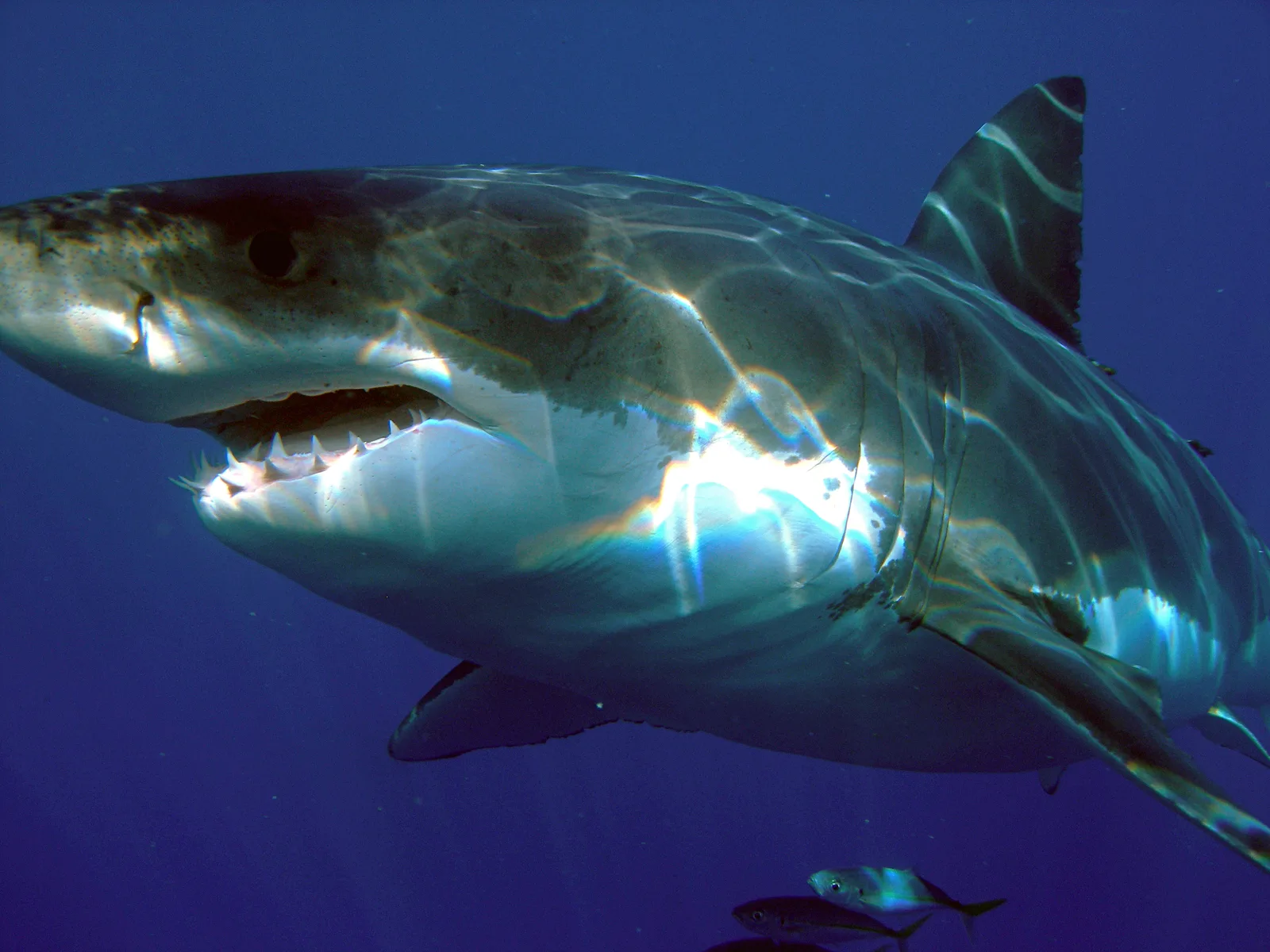 Biggest Fish Ever Caught: A 2,664 lb Great White on Rod and Reel
The biggest fish ever caught on rod and reel is a 2,664 lb great white from 1959. The IGFA top 10, the bigger fish that don't count, and the US giants.
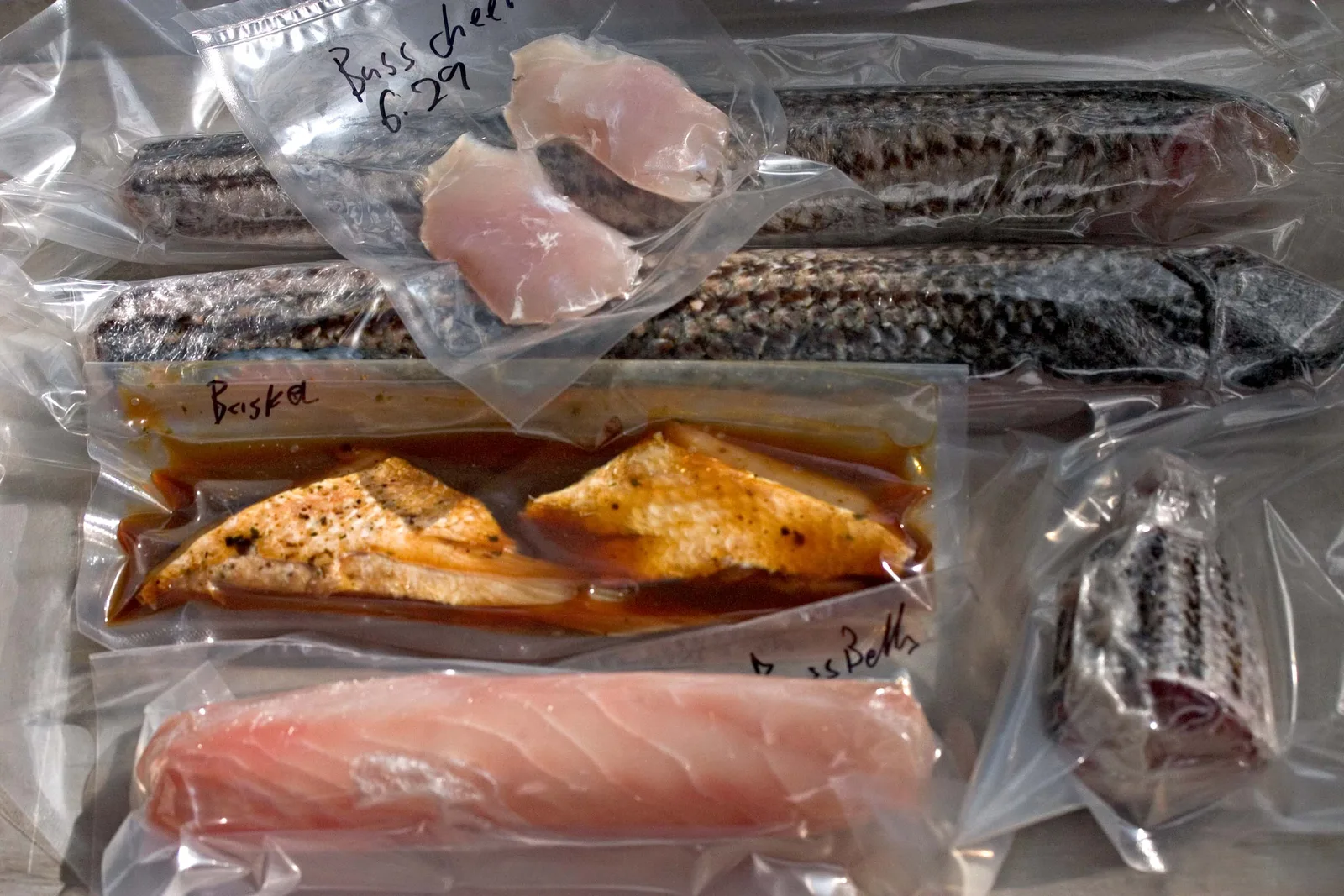 Is Fish Meat? Biology Says Yes, Lent Says No, Here's Why
Is fish meat? Biology says yes, Lent rules and US food law say no. See what vegetarian, kosher, halal and Hindu rules each say about fish.
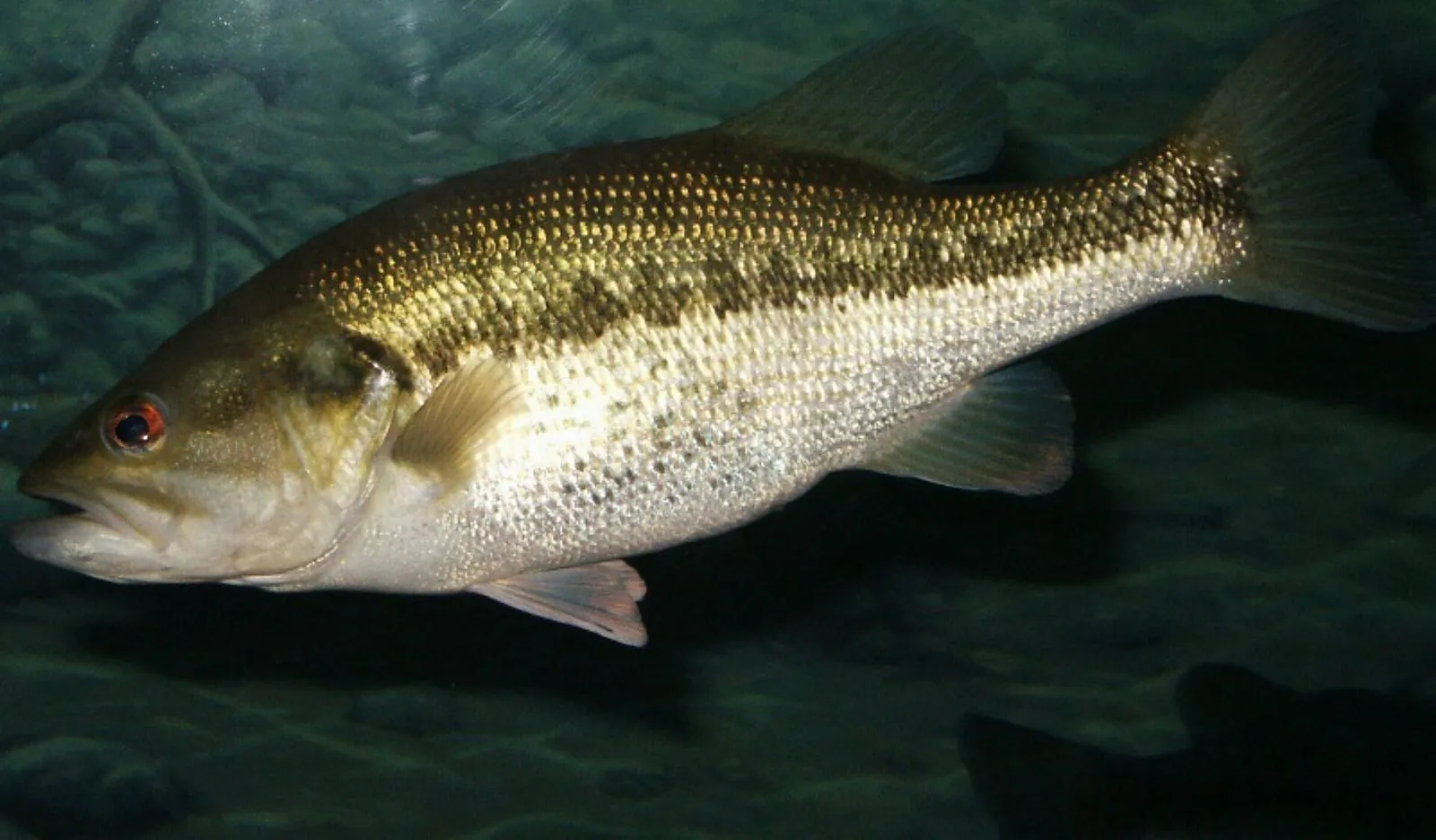 Do Fish Drink Water? Freshwater Fish, Saltwater Fish and Sharks
Do fish drink water? Freshwater fish barely do, saltwater fish drink all day, sharks use urea. Do fish get thirsty? Why bait dies in the wrong water.
 Do Fish Drown? How Fish Suffocate, and How to Revive a Tired One
Can fish drown? No, they suffocate. Exhausted trout survived 62% after 30 seconds in air, 28% after 60, so the rule is 10 seconds. Never pull one backward.
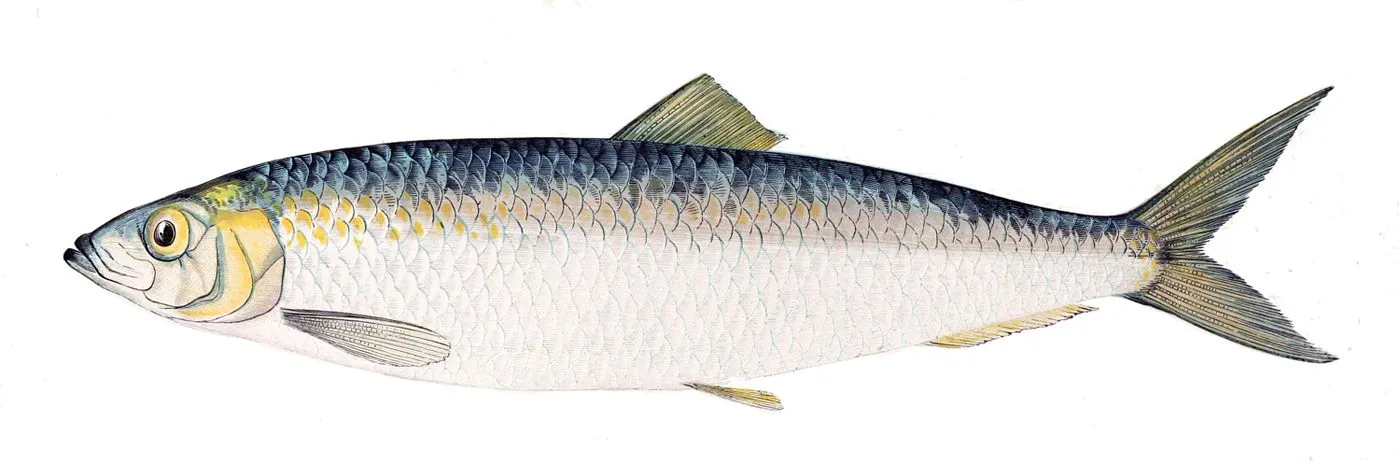 Do Fish Fart? Yes, Herring Do It on Purpose, and a Bloated Bass Needs Help
Do fish fart? Herring do, on purpose, and won scientists a prize. Which fish fart, which only burp, where the bubbles go, and how to help a bloated bass.
 Do Fish Feel Pain? What the Studies Found, and What Decides Whether a Released Fish Lives
Do fish feel pain? They sense damage and react; whether they suffer is contested. The trout study, both camps, and what decides if a released fish lives.
Sources (20)
- Wikipedia, Fish (definition, species counts by group, cold-blooded and warm-blooded fish)
- Wiktionary, animal (biology sense and the colloquial senses)
- Wikipedia, Hagfish
- Wikipedia, Mammal
- Wikipedia, Amphibian
Show all 20 sourcesShow fewer sources
- Wikipedia, Reptile
- Wikipedia, Actinopterygii (ray-finned fish)
- Wikipedia, Chimaera
- Wikipedia, Lungfish
- Wikipedia, Coelacanth
- Melissa Cristina Márquez, Is a shark a fish or a mammal?, Save Our Seas Foundation
- Ananya Karthikeyan, What is a Fish? And Why You Are One, Too, FISHBIO (December 1, 2025)
- NOAA National Ocean Service, Are starfish really fish?
- NOAA National Ocean Service, What are jellyfish made of?
- Ciezarek, Gardner, Savolainen and Block (2020), Skeletal muscle and cardiac transcriptomics of a regionally endothermic fish, the Pacific bluefin tuna, BMC Genomics
- Wegner et al. (2015), Whole-body endothermy in a mesopelagic fish, the opah, Science
- Court of Appeal of California, Third Appellate District, Almond Alliance of California v. Fish and Game Commission, C093542 (May 31, 2022)
- 16 U.S. Code 1532, Definitions (Endangered Species Act), Cornell Legal Information Institute
- 7 U.S. Code 2132, Definitions (Animal Welfare Act), Cornell Legal Information Institute
- Keep Fish Wet, Principles