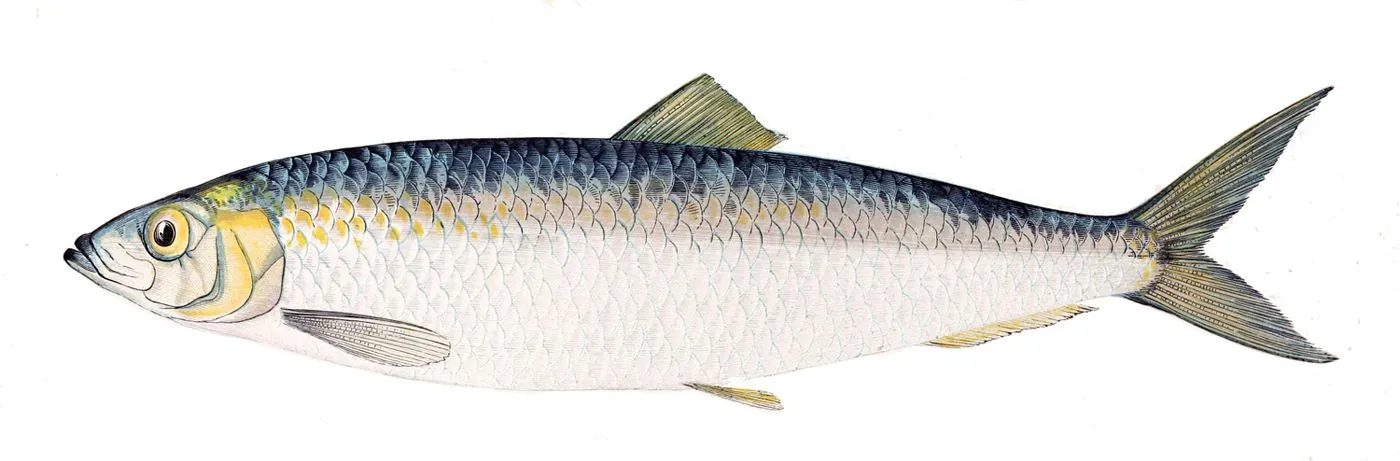
Yes, some fish fart, and herring do it on purpose: in the dark, in streams of tiny bubbles that tick like a fast clock. The scientists who proved it won a prize for it. Most other fish burp instead, and a whole group of fish, bass among them, cannot pass gas at either end. That last group is the one that needs an angler’s help when it comes up from deep water swollen like a balloon.
The 2004 Ig Nobel Prize in Biology went to two teams at once. One showed that herring communicate by farting; the other traced the “Soviet submarine” sounds the Swedish navy had chased since 1981 to schools of herring.
How do herring fart?
Ben Wilson, Robert Batty and Lawrence Dill kept wild-caught Pacific herring (Clupea pallasii) and Atlantic herring (Clupea harengus) in tanks with hydrophones and cameras. At night the tanks began to tick. Each fish let out a fine stream of bubbles from its anal duct, and each stream made a sound. The team named it the Fast Repetitive Tick, FRT for short, and published it in Biology Letters in late 2003.
Each burst is a train of broadband pulses from 1.7 to 22 kHz, so the top end sits above what an adult human can hear. A burst lasts 0.6 to 7.6 seconds. Batty described the sound as “high-pitched raspberries,” heard only at night. The Swedish team working on the same species measured single chirps of 32 to 133 milliseconds, each built of 7 to 50 pulses.
Three findings make it biology. First, the herring made the sounds almost only at night, when a schooling fish cannot see its neighbors. Second, the more herring in the tank, the more sounds each fish made: a social signal, not a reflex. Third, the fish did it without any access to the surface, and whether they had been fed made no difference.
So the gas was not gulped air and not digestion gas. It came from the swim bladder, the gas-filled bag a fish uses to hold its depth. Wilson’s team concluded that social mediation “appears likely”: a way for a school to stay together in the dark.
How did herring fool the Swedish navy?
In October 1981 a Soviet submarine ran aground near Karlskrona, about 6 mi (10 km) from a Swedish naval base. For years afterward the navy’s hydrophones picked up a faint popping and hissing that its analysts filed as intruding submarines. One search in the early 1980s sent submarines, surface ships and helicopters after the sound for a month. They found a few bubbles on the surface and nothing else. The hunts went on for over a decade, and in 1994 Prime Minister Carl Bildt wrote to Boris Yeltsin to demand an explanation.
In 1996 the navy let two biologists, Håkan Westerberg of Sweden’s National Board of Fisheries and Magnus Wahlberg, into the listening room under its Stockholm base. Wahlberg has said the sound reminded him of frying bacon. Herring have a swim bladder joined to the gut and the anal opening. A startled school, which can cover several square kilometers and reach 65 ft (20 m) down, releases clouds of bubbles at once.
Wahlberg bought a herring, squeezed it over a hydrophone, and played the recording to the officers. It matched. The Swedish paper on herring bubble sounds came out in 2003, the same year as the Wilson, Batty and Dill paper. The Ig Nobel committee gave the 2004 Biology prize to all five scientists together.
Free card: what 26 species do at your water temperature
Plus one email a week on what's biting now. No sales pitches. Privacy.
Which fish can fart or burp, and which cannot?
Fish come with two kinds of swim bladder. An open bladder, physostomous in the textbooks, keeps a duct to the gut, which FishBase defines as “a connection (pneumatic duct) between the gas bladder and the esophagus.” Those fish gulp air at the surface to fill the bladder and belch it back out to lose lift.
A closed bladder, physoclistous, has no duct. Gas enters it from the blood through a gas gland and leaves it through a patch called the oval, back into the blood, and that road is slow. The Saltman Quarterly at UC San Diego puts it plainly: gas removal in these fish is much slower than belching, which makes them “more susceptible to barotrauma.”
North Dakota Game and Fish sorts the fish anglers meet into the two camps. Trout, salmon and northern pike can burp. Walleye, yellow perch, largemouth and smallmouth bass release gas slowly, through the gills via the bloodstream, too slowly for a fast trip up.
| Fish | Swim bladder | How gas gets out | Pulled up fast from 33 ft (10 m) |
|---|---|---|---|
| Atlantic and Pacific herring | Open, with the extra anal duct | Burped, or out the back as a Fast Repetitive Tick | Burps or farts the extra gas away |
| Trout, salmon, northern pike | Open (pneumatic duct to the gut) | Burped out through the mouth | Burps; rarely bloats (North Dakota Game and Fish) |
| Carp, catfish | Open (pneumatic duct to the gut) | Burped out through the mouth | Burps; the bladder also links to the inner ear for hearing |
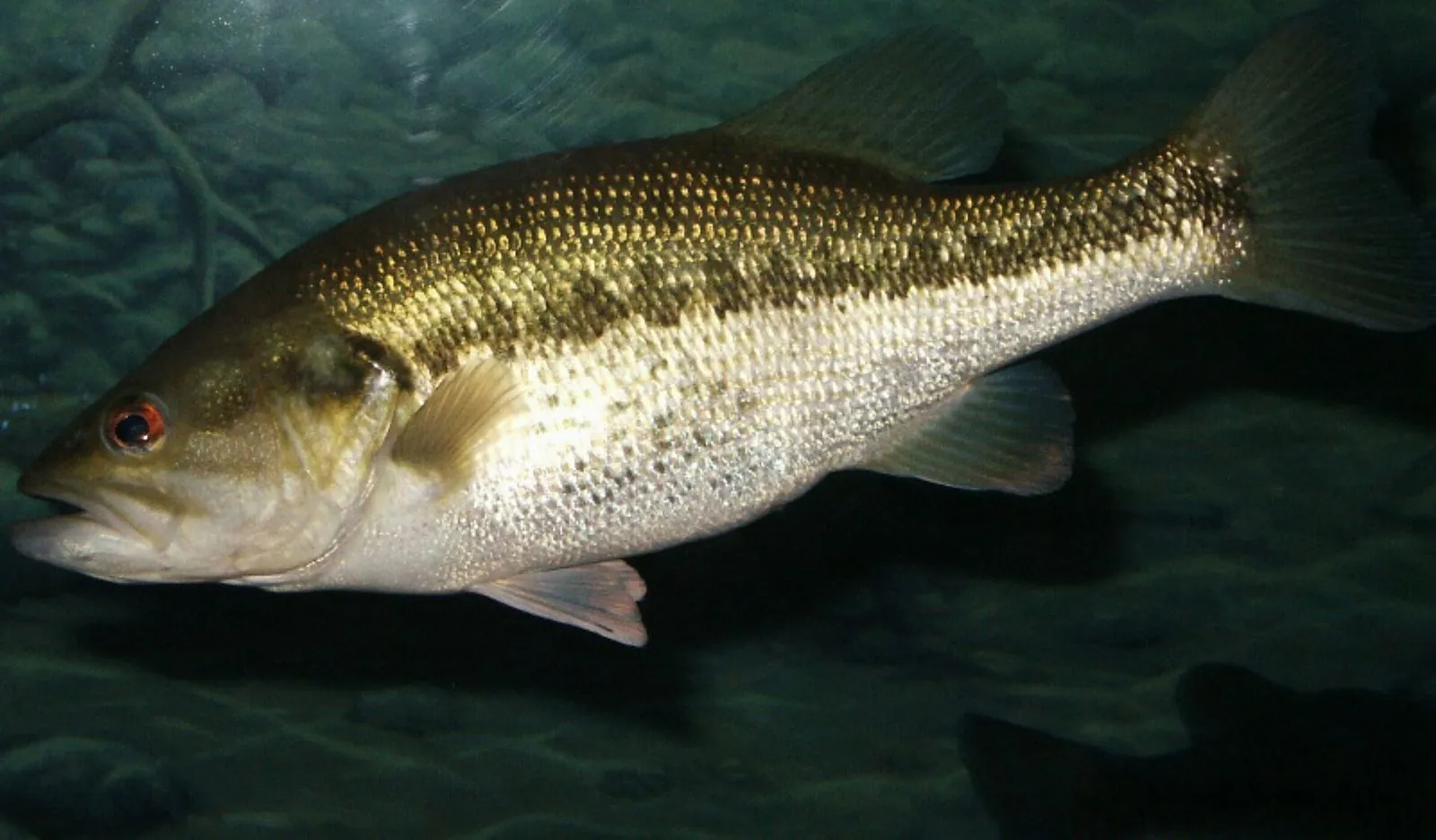
| Largemouth and smallmouth bass | Closed, no duct | Into the blood through the oval, over hours | Bloats, floats on its side: barotrauma |
| Walleye, yellow perch, snapper, rockfish, sea bass | Closed, no duct | Into the blood through the oval, over hours | Bloats; the most barotrauma-prone group (North Dakota Game and Fish, UC San Diego) |
The herring has a trout’s open bladder plus a second exit at the back, and talks through it. A trout can only burp. A bass can do neither.
Do fish fart from digestion, and do they make methane?
A human fart is gut gas: hydrogen, carbon dioxide and, in some people, methane made by microbes. Nobody has measured that in a fish. The one hard data point is old. In 1979 Ronald Oremland of the U.S. Geological Survey cultured the gut contents of three ocean fish and found methane-producing microbes in two of them.
The herring study points the other way for its sounds, since the bubbles kept coming without food. The Naked Scientists note only that fish “produce a little bit of gases themselves.” The honest answer: fish may release a trace of gut gas with their waste, but no one has caught them doing it audibly. No one has published a figure for fish methane either, and any page that gives you one is guessing.
Do sharks fart?
Sharks have no swim bladder, so there is no bladder gas to vent. One shark found a workaround. The sand tiger shark swims to the surface, gulps air and holds it in its stomach, which lets it hang almost motionless above the bottom. The Aquarium of the Pacific calls it “the only known shark to do this.” Where the air goes when the shark wants to sink, the aquarium does not say, so the sand tiger sits on every list of farting fish on suspicion alone.
Do fish poop?
Yes, every one of them. Whatever a fish cannot digest leaves through the anus, often as a thin dark string that trails before it drops. Apart from the herring, no fish has been shown to make a sound at the back end.
Why does a bass come up bloated?
A smallmouth bass hooked in 30 ft (9 m) and reeled straight up has a closed swim bladder and no time to move the gas into its blood. The gas expands as the pressure drops. At the surface the fish lies on its side, belly swollen, sometimes with the eyes bulging or the stomach pushed into the mouth, and it cannot swim down. That is barotrauma.
The agencies draw the danger line at different depths. North Dakota Game and Fish reports a sharp rise in deaths once fish come from deeper than about 33 ft (10 m), where the water adds a full atmosphere of pressure. Arkansas Game and Fish puts the trouble zone below 25 ft (7.6 m), and B.A.S.S. says 20 to 30 ft (6 to 9 m). The same gas that keeps a bass level all summer is what kills it in November, when the schools sit on deep brush.
Anglers have two fixes.
Fizzing means puncturing the swim bladder with a hollow needle to let the gas out. B.A.S.S. recommends a 1.5 in (38 mm) 18-gauge needle through the side, between the dorsal and anal fins, at the first sign of distress, and never through the mouth. Texas Parks and Wildlife found side-fizzed fish survived better and showed less hidden damage at autopsy.
A descending device is a weighted clip or cage that carries the fish back to the depth it came from. The pressure at depth squeezes the bladder back to size and the fish swims off. No hole, no needle. Arkansas and North Dakota both put it first.
The hard numbers come from Madden and colleagues in 2024. They caught 106 smallmouth bass in shallow water, healthy and unbloated, and fizzed or punctured their bladders. Then they fitted them with depth loggers and released them over either 33 ft (10 m) or 180 ft (55 m) of water.
Over the deep water, 57% of the fizzed fish and 61% of the punctured fish could not hold their depth, sank to the bottom and lay there. Over the shallow spot the punctured fish behaved like untouched controls. The authors’ advice: a fizzed bass goes back only where the water is shallower than 33 ft (10 m). A needle hole is a leak, and a leaking bass over deep water free-falls.
What should you do with a bloated fish?
- Read the signs. The fish came from deeper than about 25 to 33 ft (7.6 to 10 m), floats on its side, the belly is tight and round, and it cannot right itself. That is barotrauma, not exhaustion; a tired fish is revived differently, as the page on whether fish drown explains.
- Work fast and wet. Keep the fish in the water, hold it with wet hands, skip the photo. The catch-and-release basics cover the handling.
- Reach for the descending device first. Clip it to the lower jaw, lower the fish to the depth you caught it, release. Nothing gets punctured, and the fish ends up where its bladder fits again.
- Fizz only if you must hold the fish, and only the B.A.S.S. way. In a tournament livewell, use a 1.5 in (38 mm) 18-gauge needle through the side at the first sign of floating, soaked in alcohol between fish, never through the mouth.
- Release a fizzed fish shallow. Madden’s loggers showed a fizzed smallmouth over 180 ft (55 m) sinks more often than not; over 33 ft (10 m) it manages. Run to a flat before you let it go.
- Stop making bloated fish. If every fish from a deep school comes up swollen and you are releasing them, move shallower or send each one straight back down. Arkansas Game and Fish adds a third option: a fish showing extreme signs is a fish to keep for the table, within the limit.
What will kids ask next?
The next questions arrive in the same breath: do fish sleep (yes, by every test that matters) and do fish feel pain (the trout study says more than most people expect). The rest are in the fish facts collection.
A herring farts to keep its friends close in the dark. A bass cannot fart at all, which is exactly why it needs you when it comes up from deep water.
Free download
The water temperature card
Read your water temperature and the card tells you who is spawning, who is feeding and what to throw. 26 species, 16 pages, for your phone and the tackle box.
Plus one email a week on what's biting now. No sales pitches. Privacy.
Related
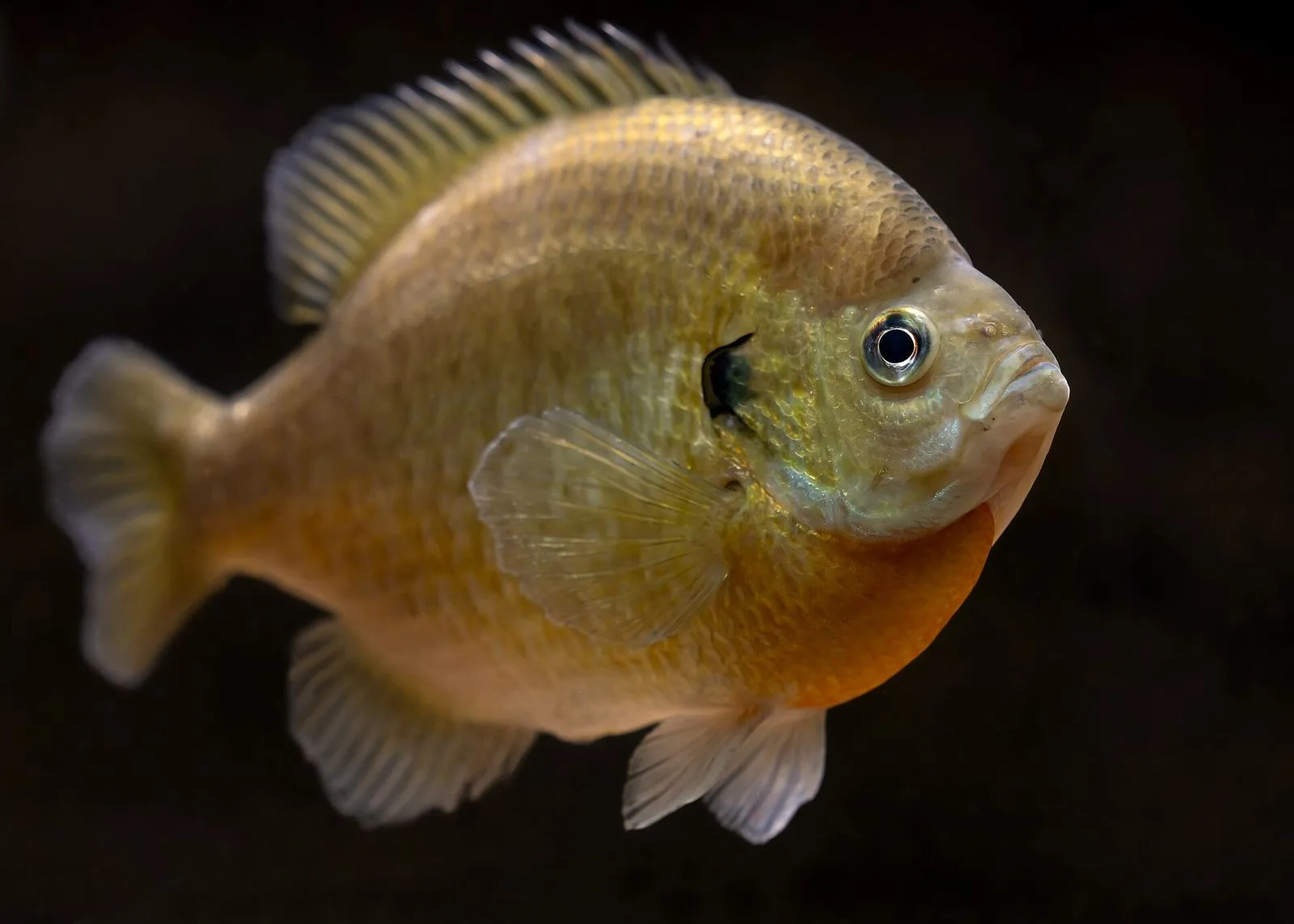
Section guide
Fish Facts: The Questions Kids Ask About Fish, Answered With the ScienceFish facts with a number and a source for each: how fish sleep, breathe, hear and feel, and what every answer means when you hook and release one.
 Do Fish Drink Water? Freshwater Fish, Saltwater Fish and Sharks
Do fish drink water? Freshwater fish barely do, saltwater fish drink all day, sharks cheat with urea. The numbers, and what it means for bait and livewells.
 Do Fish Drown? How Fish Suffocate, and How to Revive a Tired One
Do fish drown? Not by the dictionary, but they suffocate three ways: low oxygen, damaged gills, no water flow. How long a fish lasts in air, how to revive one.
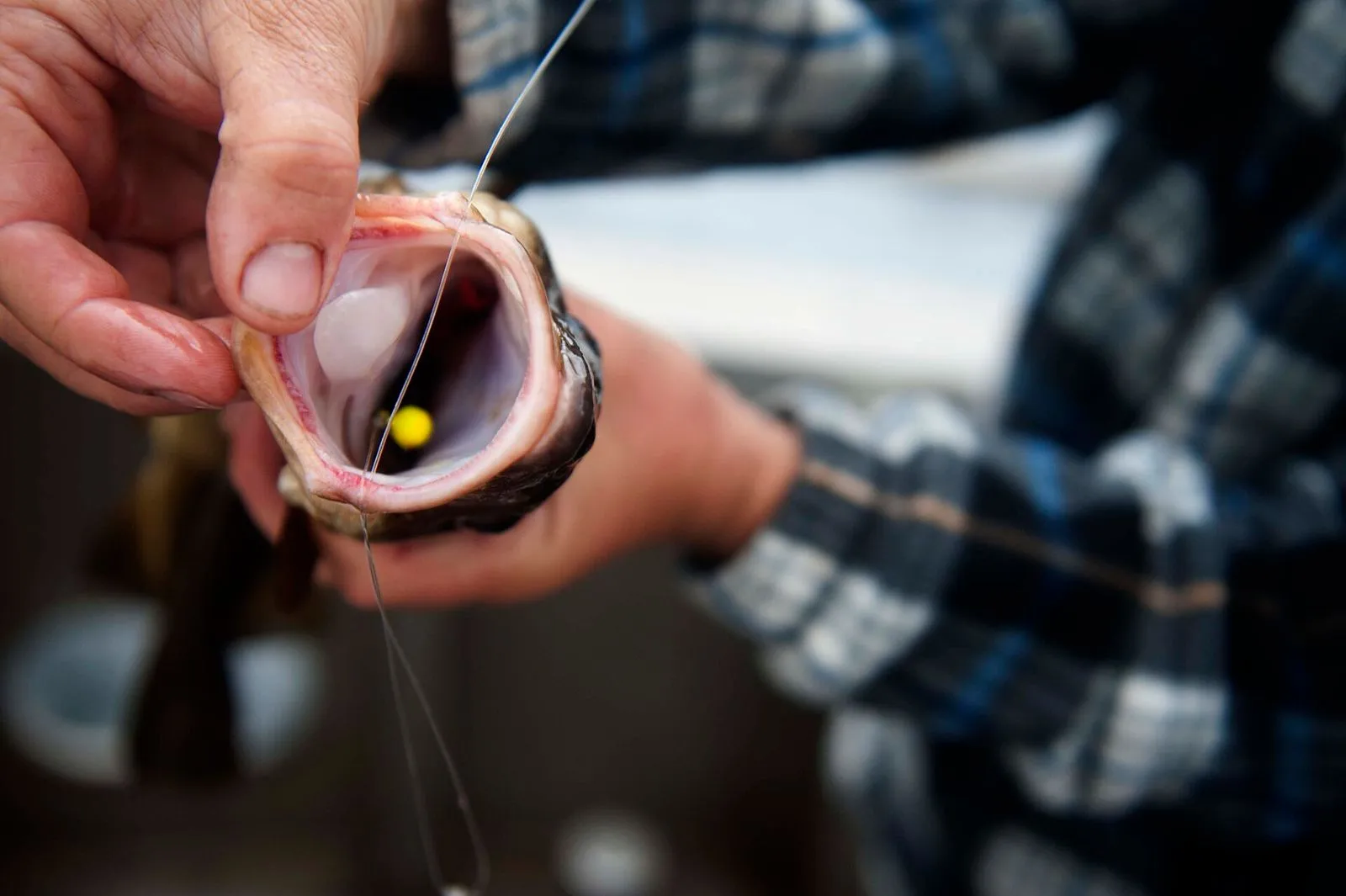 Do Fish Feel Pain? What the Studies Found, and What Decides Whether a Released Fish Lives
Do fish feel pain? They sense damage and react; whether they suffer is contested. The trout study, both camps, and what decides if a released fish lives.
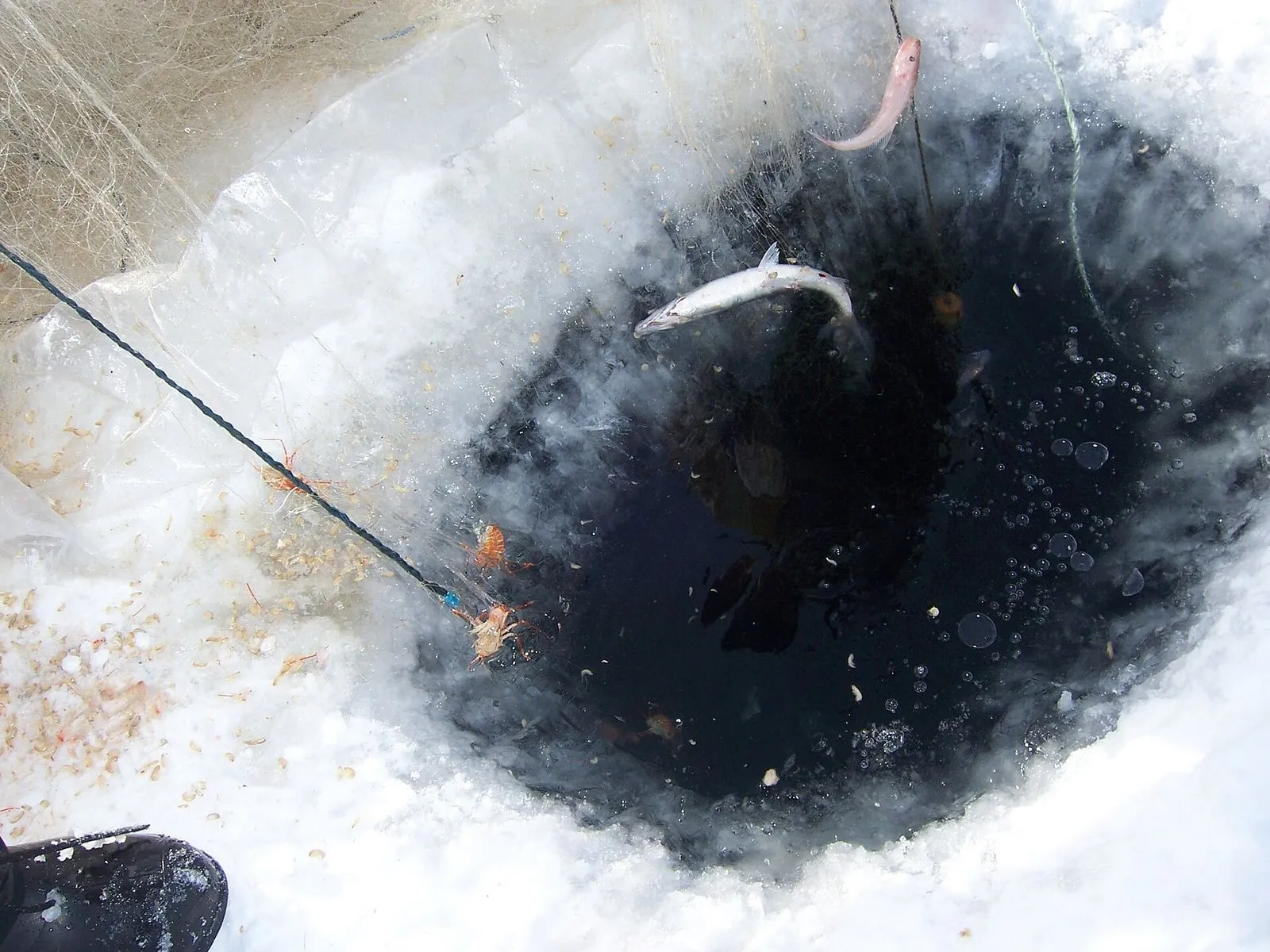 Do Fish Get Cold? What Winter Does to a Fish, and the Ones With Antifreeze in Their Blood
Do fish get cold? Yes: a fish is as cold as its water and feels it as slowness. What fish do in winter, who carries antifreeze, and how to fish cold water.
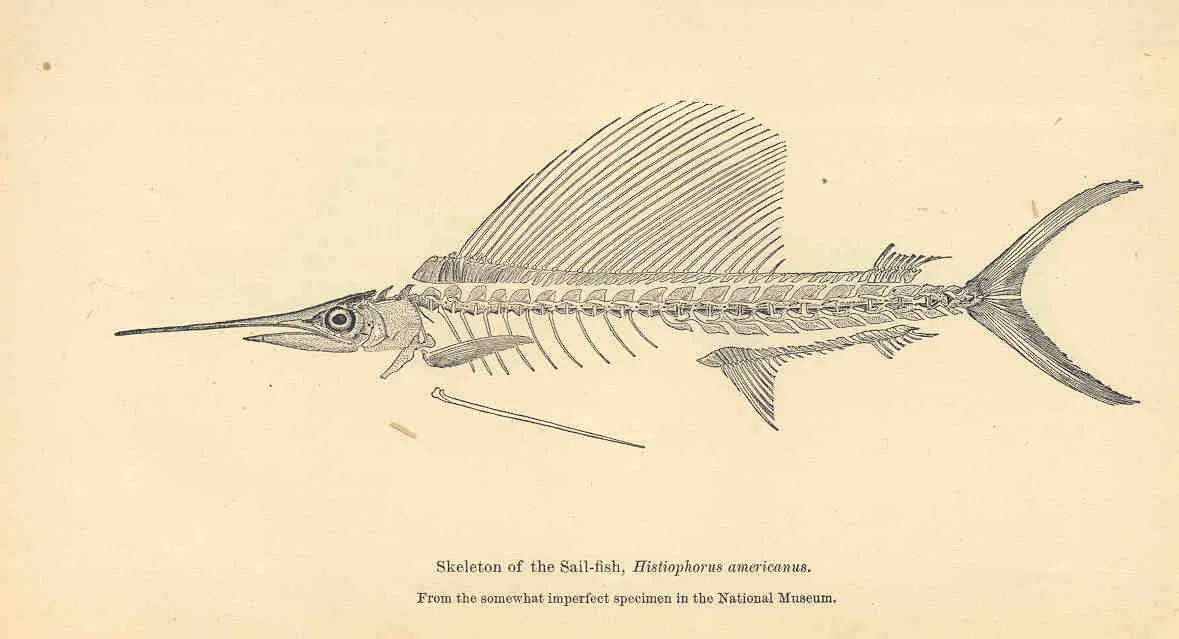 Do Fish Have Bones, Hearts and Blood? What Is Inside a Fish
Do fish have bones? Most do; sharks run on cartilage and 16 icefish have clear blood. How skeleton, heart and blood work, and what it means for your fillets.
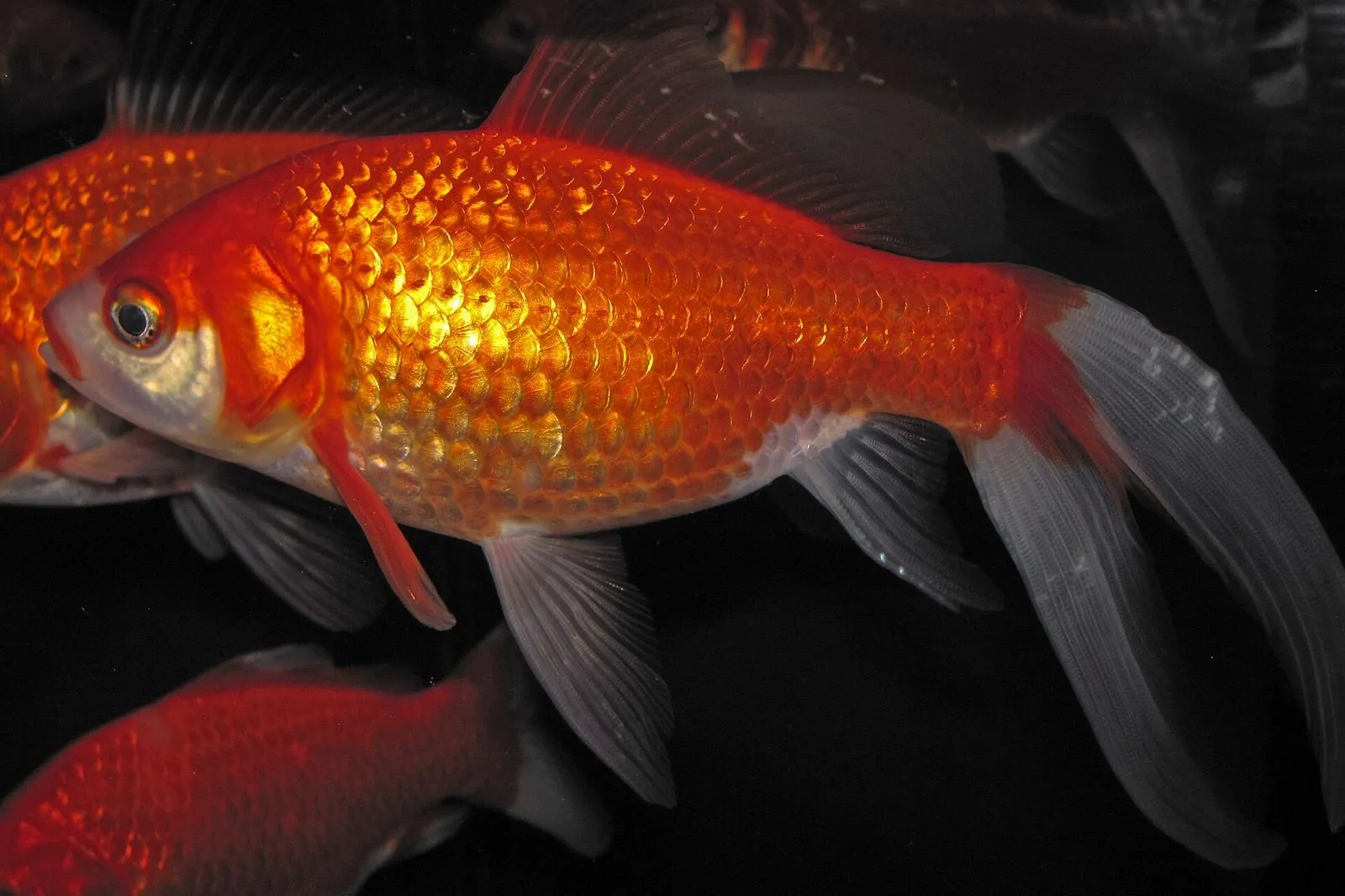 Do Fish Have Brains? Memory, Learning, and Why the 3-Second Myth Is Wrong
Do fish have brains? Yes: a full brain, no neocortex, a memory that lasts months. What goldfish, carp and pike learned, and what it means at the water.
Sources
- Wilson, Batty and Dill (2003), Pacific and Atlantic herring produce burst pulse sounds, Biology Letters (Proceedings of the Royal Society B, supplement)
- Wahlberg and Westerberg (2003), Sounds produced by herring (Clupea harengus) bubble release, Aquatic Living Resources
- Improbable Research, Ig Nobel Prize winners: 2004 Biology
- Scottish Association for Marine Science (2004), Ig Nobel Prize for the herring work
- Nature News (2004), Flatulent fish net Ig Nobel award
- ASD Europe, Did you know: Baltic herring nearly escalated Cold War tensions
- FishBase glossary, physostomous
- Saltman Quarterly, UC San Diego (2023), Swim bladder: would being stabbed be beneficial to a fish?
- Oremland (1979), Methanogenic activity in plankton samples and fish intestines, Limnology and Oceanography
- The Naked Scientists (2016), Do fish fart?
- Aquarium of the Pacific, Sand tiger shark
- Bassmaster (2023), To fizz or not to fizz: B.A.S.S. conservation guidance
- Madden et al. (2024), Free falling: fizzing wild-caught smallmouth bass results in the inability to control buoyancy in deep water, Fisheries Management and Ecology
- Arkansas Game and Fish Commission (2024), Deep trouble: protecting your catch from barotrauma
- North Dakota Game and Fish (2021), Understanding barotrauma