 By
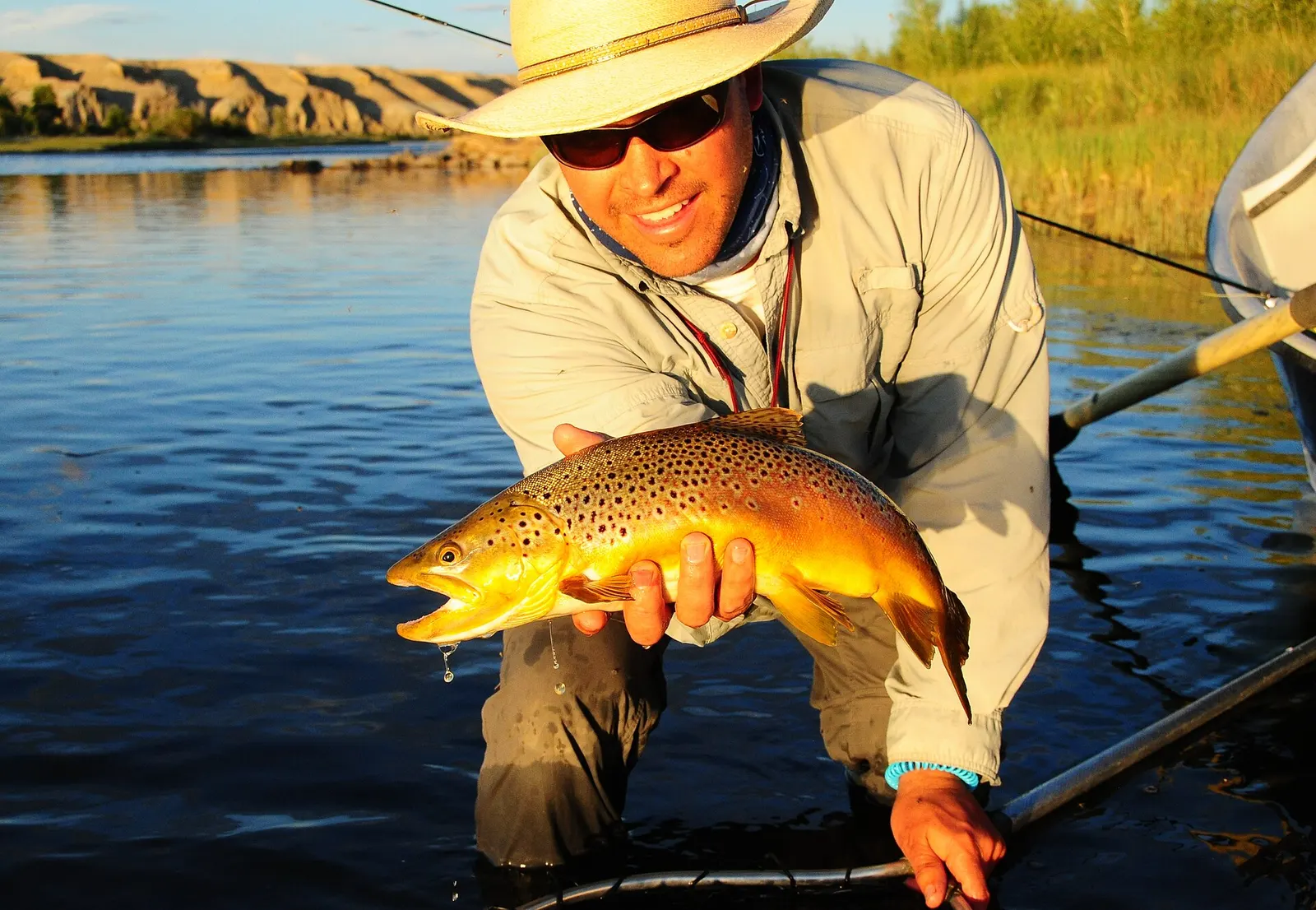
The best fishing hat has a brim at least 3 inches wide that goes all the way around, in a tight-woven fabric rated UPF 50. That shades your face, your ears and the back of your neck, the three places a hat is there for. A baseball cap only does the first, so wear it with a neck cape or a gaiter. For most anglers the pick is a wide-brim hat with a neck cape. For cap wearers it’s a long-bill cap with the cape built in. Every number here comes from the health agencies’ rules and the makers’ own spec pages.
About 90 percent of skin cancers are basal and squamous cell carcinomas. They often show up on the head and neck, the Skin Cancer Foundation says. That’s the patch a fishing hat is for.
What is a fishing hat called?
There’s no one fishing hat. Anglers wear five kinds, and they shade very different amounts of you. Here’s what each one does, judged by the rules the CDC, the Skin Cancer Foundation and the American Academy of Dermatology give for sun hats.
| Hat | What it shades | Verdict |
|---|---|---|
| Wide-brim sun hat or sombrero, 3 in (7.6 cm) brim or more | Face, ears and back of the neck | Meets the Skin Cancer Foundation’s line |
| Bucket or boonie hat | Face, plus ears and neck as far as the brim reaches | Check the brim: the bucket measured here is 2.5 in |
| Cap with a neck cape or sun hood | Face and back of the neck, and your ears if the cape or hood reaches over them | The CDC’s fix for a cap, built in |
| Baseball cap, trucker or visor | Face only | Add a gaiter, or cover ears and neck |
| Straw hat with holes | Some of each, with sun through the holes | The CDC and AAD say avoid |
Bucket hats and boonies both have a brim all the way around, and both get sold as “fishing hats”. The width of that brim varies a lot from one hat to the next, so the number matters more than the name. “Fishing hat” itself is just as loose: in a tackle shop it can mean any of the five.
So what’s the difference between a fishing hat and a bucket hat? Often nothing but the label. The Outdoor Research bucket in this guide is nylon with a UPF 50+ rating and a chin cord, and those are the parts that matter. Every fishing hat has the same two jobs. It keeps the sun off your skin and the glare out of your eyes.
Why the brim width is the number to check
The Skin Cancer Foundation says the best sun hats have a brim of at least three inches. That’s wide enough to shade the face, scalp, neck, shoulders and upper back, plus the tops of the ears. The CDC says the same without a number. Its rule is a brim all the way around that shades your face, ears and the back of your neck.
Here’s where five real fishing hats land, from the makers’ own pages:
| Hat | Type | Brim | UPF | Price |
|---|---|---|---|---|
| Sunday Afternoons Ultra Adventure | Wide brim + 6 in (15.5 cm) cape | 3.5 in (9 cm) | 50+ | $60 list |
| Outdoor Research Helios Sun Hat | Sun hat, full brim | 2.75 in (7 cm) | 50+ | $52 list |
| Outdoor Research Sun Bucket Hat | Bucket | 2.5 in (6.4 cm) | 50+ | $48 list |
| Simms Solar Sombrero | Wide brim | Not stated | 50+ | $60 |
| AFTCO Cast Printed Boonie | Boonie | Not stated | Not stated | $35 |
Two of the three hats with a stated brim come in under the line, even with “sun” in the name. That doesn’t make them bad hats. It means your ears and neck need help from a gaiter, a hood or a collar.
The Skin Cancer Foundation also wants a tightly woven hat, not a loose straw one that lets UV through. The CDC adds that a tightly woven fabric, such as canvas, works best, and that a darker hat may offer more UV protection.
Free PDF · Water temperature chart Which fish are biting at today's water temperature?
One reading, and the 16-page chart shows which of 26 fish are spawning, feeding hard or slowing down; for bass, crappie, bluegill and walleye, where they sit and what to throw. Every number sourced.
No card, nothing to buy, and the PDF is yours to keep. It's in your inbox a minute later. Then a few short emails and one a week on what's biting. Unsubscribe anytime. Privacy.
What UPF means on a fishing hat
UPF tells you how much sun gets through the fabric. A UPF 50 fabric blocks 98 percent and lets 2 percent through, one fiftieth. UPF counts both UVA and UVB, while the SPF on your sunscreen counts only UVB.
The labels run in steps of 5 from 15 to 50, and “50+” means more than 50. Here’s how the University of Arizona sorts them:
| UPF on the label | Rating | UV blocked |
|---|---|---|
| 15 to 24 | Good | 93.3 to 95.9% |
| 25 to 39 | Very Good | 96.0 to 97.4% |
| 40 to 50+ | Excellent | 97.5% or more |
Its advice on the plus sign is blunt: 50+ may not give much more than 50, so don’t pay a premium for it.
Two things the tag doesn’t tell you:
- Wet or stretched fabric loses protection. The Skin Cancer Foundation says this of all sun clothing. A hat soaked by spray, or a crown stretched over a head too big for it, gives you less than the tag says.
- What the rating covers. Sunday Afternoons says its UPF 50+ “includes mesh”. On any hat with a vented crown, look for that line before you trust the number.
What the water adds
UV reflects off surfaces like water, sand and snow, the CDC says. On a boat or on the flats, shallow saltwater sand, mud or grass, you get sun from above. You get a second dose off the surface. That’s why the hat is only half the answer: add sunscreen on your face and neck, and glasses that block UVA and UVB. The CDC says wrap-around frames work best because they block UV from the side. Polarized lenses do a different job: they cut the glare off the water so you can see the fish, weeds and rocks below.
In the continental U.S., UV is strongest from 10 a.m. to 4 p.m. daylight saving time, or 9 a.m. to 3 p.m. on standard time, the CDC says. That’s the middle of most fishing days, and it’s the window when the brim earns its keep.
What matters on the water
Three features make a fishing hat different from a garden hat:
- A chin cord. Wind and a boat at speed take hats. Outdoor Research says the chin cord keeps its Sun Bucket “secure when the wind picks up”. On a bass boat, a hat without a cord is a donation to the lake.
- It floats. Simms says its Solar Sombrero floats when filled with water. If the maker doesn’t say a hat floats, don’t count on it.
- A neck cape. It covers the neck that a cap or a short brim leaves in the sun. Sunday Afternoons puts a 6 in (15.5 cm) cape on its Ultra Adventure. Simms’s snaps closed around the front of your neck for wind and “high-speed runs”.
Rule of thumb: From 10 a.m. to 4 p.m. (9 to 3 on standard time), wear a brim of 3 in or more, or a cap with a neck cape. Keep the plain cap for early and late.
How should a fishing hat fit?
Sizing is simple. Measure around your head where the hat sits, and buy the size that fits without stretching the crown. Outdoor Research’s chart runs from 21 in (53.5 cm) for a small to 24 in (61 cm) for an XL. Many caps and boonies are one size, adjusted by a snapback or a cinch cord.
The picks
Sunday Afternoons Ultra Adventure Hat: most shade
The only hat here with a stated brim over 3 inches, at 3.5 in, plus a 6 in neck cape. It weighs 2.6 oz and is rated UPF 50+ including the mesh. It has a chinstrap and a lock for your sunglasses, and the brim folds flat for the truck. $60 list. Skip it if you hate the look of a cape. It’s a hat for the flats and the bank in July, not for style points.
Simms Solar Sombrero: best for the boat
A wide nylon brim at UPF 50+, an under-chin cord, and a hat that floats when it fills with water, Simms says. $60 in S/M and L/XL. Simms doesn’t publish the brim width, so hold a ruler to it before you cut the tags if the 3-inch line matters to you.
Simms SunShield Cap: for anglers who wear a cap anyway
A long-bill UPF 50+ cap with a neck cape that snaps closed in front. That’s the CDC’s fix for a cap, sewn in: cover for the back of your neck. Simms calls it “full sun coverage” but doesn’t say the cape reaches your ears, so check that in the mirror. $60, one size. Pick it over a plain trucker if you run a boat or fish the salt. The CDC’s advice for any other cap: cover your ears and neck some other way, use sunscreen, or stay in the shade.
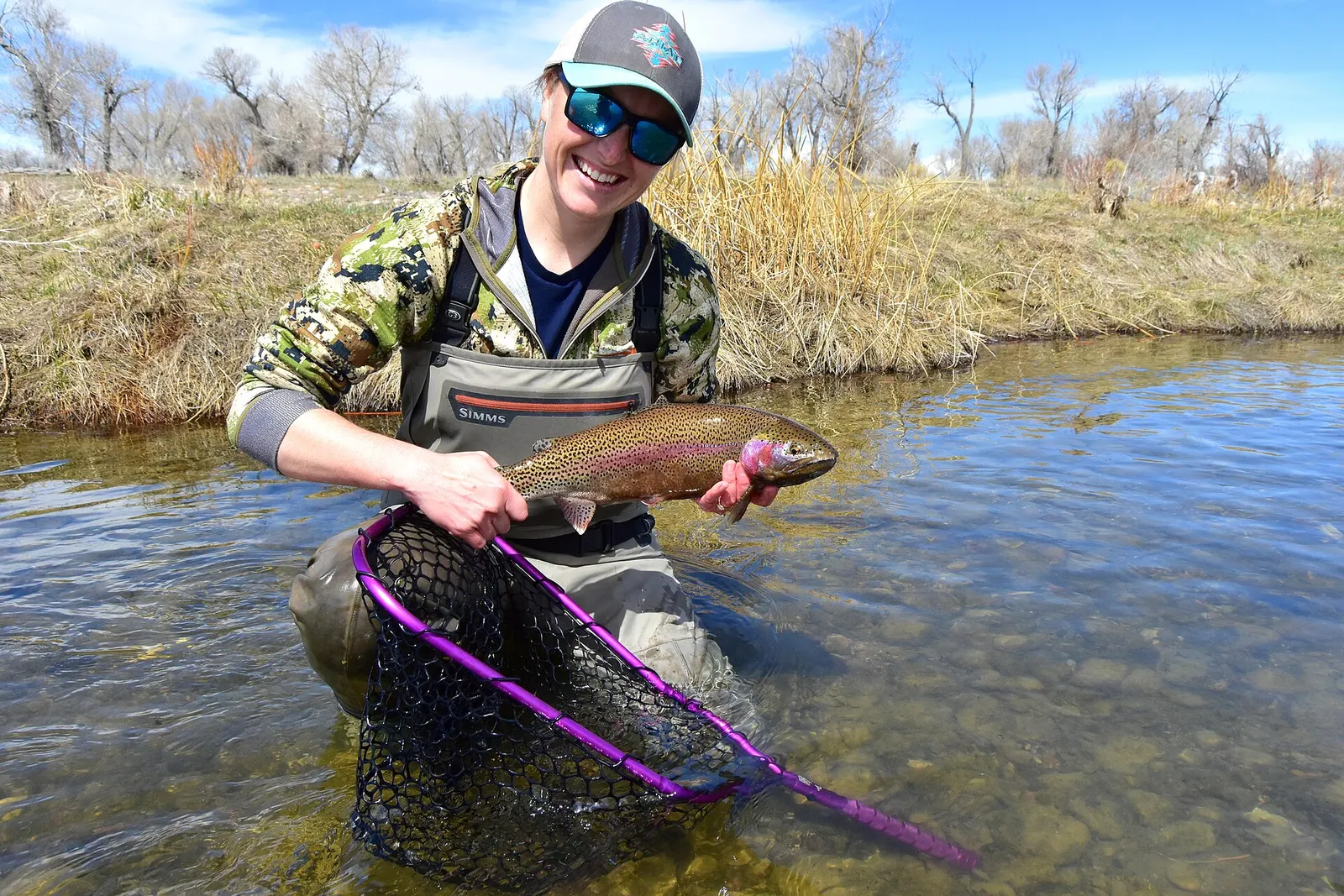
A cap shades the face and eyes, but the ears and the back of the neck stay in the sun. Photo: Tom Koerner, U.S. Fish and Wildlife Service, Wikimedia Commons (public domain).
Outdoor Research Sun Bucket Hat: packs the smallest
UPF 50+ nylon, 2.81 oz, a detachable chin cord, and it stuffs into its own pocket. $48 list, and it was on sale for less when we checked. The catch is the 2.5 in brim, half an inch under the line. Wear it with a gaiter on open water, or pick the Helios from the same maker for a 2.75 in brim.
What about a regular fishing cap?
Plenty of anglers fish in a cap, a trucker or a tech cap like AFTCO’s $32 Ally Tech Hat with laser-cut vents. AFTCO doesn’t state a UPF for that one. A visor is the same story, with your scalp open too. A cap is fine for the bite at dawn and dusk. The AAD says to avoid baseball hats for sun protection, so in the middle of the day add a neck gaiter or switch hats.
Can fishing hats get wet?
Yes. Every hat in this guide is a synthetic: nylon, polyester, or microfiber on AFTCO’s boonie. Outdoor Research calls both of its hats quick-drying and water-resistant. The catch is that wet fabric protects less, the Skin Cancer Foundation says. For a cold day the question flips: a beanie and a face cover are on the ice fishing clothing page.
How we chose
We started from what the CDC, the Skin Cancer Foundation and the American Academy of Dermatology say a sun hat must do. That’s a brim all the way around, at least 3 inches, a tight weave, and ears and neck covered. Then we read the makers’ spec pages. Every brim width, UPF rating, weight and price above is the maker’s own figure on November 28, 2026. Where a maker gives no number, the table says so. The picks rest on those specs and rules. We did not wear-test them.
The rest of your fishing apparel, from the shirt to the boots, comes down to the season and the water. The neck gaiter that goes with a cap is on the list of gifts for fishermen, at about $17 to $25.

Free PDF · 16 pages
Stop guessing. Know what's biting before your first cast
A whole Saturday on the water with nothing to show for it. One reading tells you who's feeding.
The Water Temperature Fishing Chart. Take one water temperature reading, find it on the chart, and see which of 26 freshwater fish are spawning, feeding hard or slowing down.
- Where bass, crappie, bluegill and walleye sit, and what to throw. Trout: the reading where you stop.
- Why a 3 ft drop beats a cold front, and what to throw each day of the front
- The three thermometer mistakes that make a reading lie
The chart's numbers come from state fish and wildlife agencies and fisheries research: 64 sources, each listed on the site.
No card, nothing to buy. The PDF is in your inbox a minute later, one version for your phone and one to print, yours to keep. Then a few short emails and one a week on what's biting, with an unsubscribe link in every one. Privacy.
Related
Section guide
Fishing Apparel: What to Wear Fishing, Head to Toe, in Any SeasonFishing apparel, head to toe: a wide-brim hat, a UPF 50 shirt, polarized glasses, and waders, a belt and a life jacket in water of 70°F or colder.
Sources (11)
- Skin Cancer Foundation, Sun-Protective Clothing
- CDC, Sun Safety Facts (June 17, 2026)
- American Academy of Dermatology, What to wear to protect your skin from the sun
- University of Arizona CALES, Labels on Sunburn-Protective Garments
- Sunday Afternoons, Ultra Adventure Hat (maker specifications)