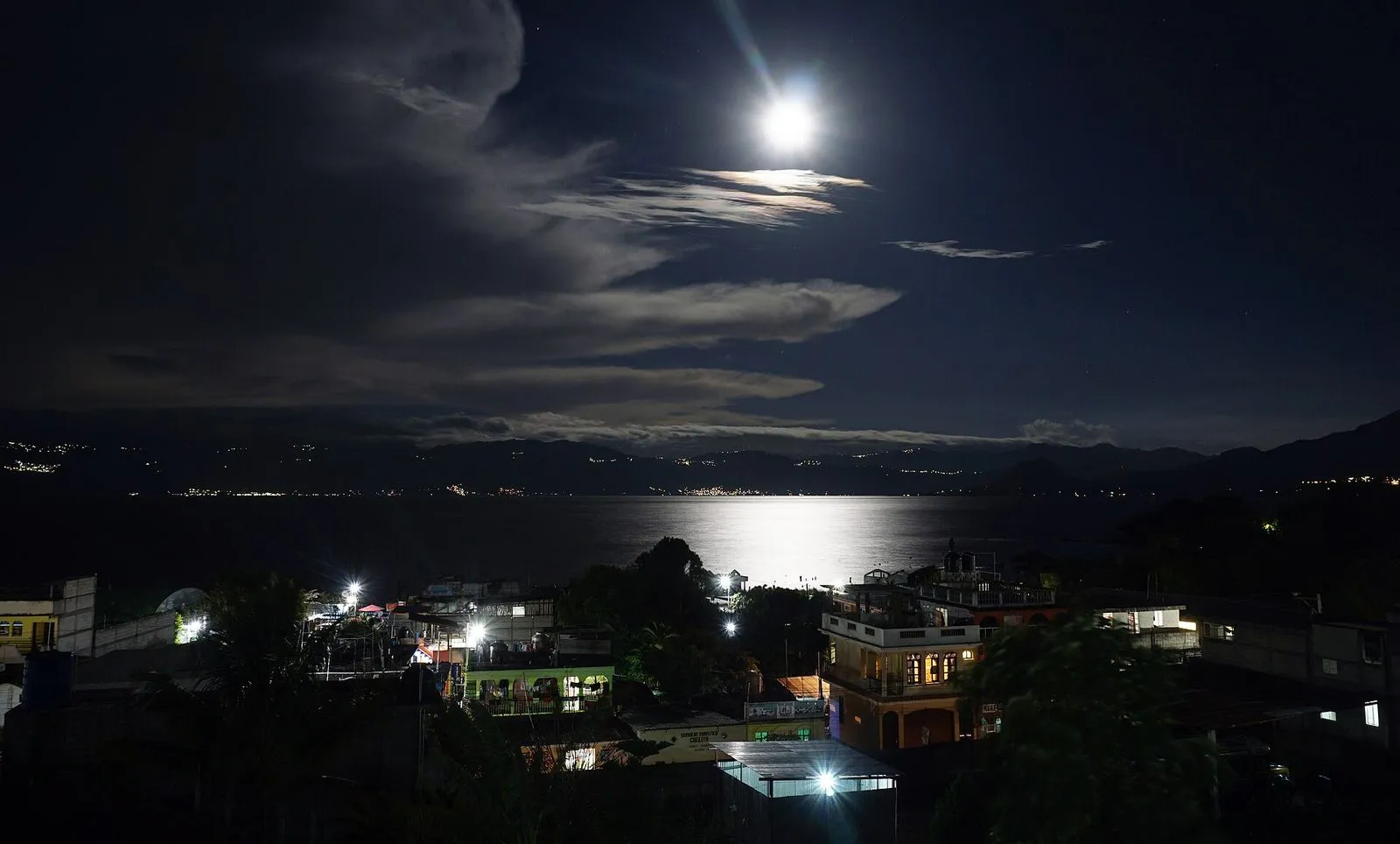
No moon phase reliably out-fishes another in fresh water. A direct test of moon phase fishing, 1,355 hours of trout fishing scored against the solunar tables, found no link between the moon and the catch. That does not make the moon useless: it helps time the bass spawn, it adds a few percent to muskie catches, and in salt water it drives the tides. If you can place a day off anywhere in the month, the thermometer matters more than the phase.
Three researchers fished 361 trout trips over 221 days, 1,355 hours in all, and scored every hour against several commercial solunar services. No solunar value predicted the catch. Air temperature did.
What do the solunar tables claim?
John Alden Knight conceived the solunar theory in 1926, published the first table in 1936, and set it out in the 1942 book “Moon Up—Moon Down.” He started from 33 candidate factors and kept three: sun, moon and tide.
His table gives each day two “major” periods of about two hours, when the moon is directly overhead or directly underfoot. It adds two “minor” periods of about an hour, at moonrise and moonset. The best days of the month, in the theory, fall on the full and new moon and the two or three days either side.
Two things are worth knowing before you trust a table. First, the majors and minors are pure astronomy: they mark the moon’s transit across your meridian. That is why a live table needs your location and date and belongs in a calculator, not a printed chart. Second, Knight never validated the theory against catch records. The tables describe where the moon is, not what the fish do.
Do the studies back the tables?
Seven data sets have checked the moon against real catches: two direct tests of the tables, two large logbooks, one telemetry study, and two agency or reef-fishery records.
| Study | Species | Result |
|---|---|---|
| Quigley, Gonzalez Murcia & Kauwe 2023 | Trout, 1,355 hours, 361 trips | No relationship with any solunar value; air temperature the only predictor |
| Hanson et al. 2008 | Largemouth, one year of acoustic telemetry | No lunar activity pattern; tables “may have little predictive value” |
| Mike Allen, University of Florida, 2010 | Trophy largemouth logbook | 21% new moon, 28% full, 49% quarters: flat |
| Vinson & Angradi 2014 | Muskellunge, 341,959 catches | About +5% by day at full and new moon, +28% at night; strongest over 40 in (102 cm) |
| Kevin Story, TPWD, 2003–04 | Largemouth, Lake Fork spawn | Big-bass peak around the full moon at 61–63 °F (16–17 °C); gone above 65 °F (18 °C) |
| Ralph Manns logbook, 2,500 trips | Largemouth, 8,900 fish | 6–12% lift in majors and minors; unpublished, no significance test |
| Pulver 2017 | Gulf reef fish | Red grouper up near new moon, tilefish near full; red snapper unaffected |
Where the data set is large and the statistics are done, the daily majors and minors fail. The trout study is the cleanest. It set catch per hour against several commercial services, lunar phase, illumination and wind, and nothing lunar came out significant.
In the telemetry study, largemouth carried transmitters for a year in a lake wired with a 3-D acoustic array. The only lunar trace was a slightly deeper position on waxing moons in spring and summer, and that inconsistently.
The muskie study is the one result in the moon’s favor, and it is instructive. It found peaks at both the full and the new moon, which contradicts the “moonlight helps them feed” story: a new moon gives no moonlight. The effect grew for fish over 40 in (102 cm), in July and August, at high latitude and at night, and shrank on heavily fished waters. Five percent more daytime catch is real, but smaller than the difference between a calm morning and a windy afternoon.
Ralph Manns’ logbook is the one In-Fisherman quotes: 0.95 bass per hour in the minors against a 0.85 baseline. That is one extra fish every ten hours, and Manns recorded no lift at all in winter or during the spawn. A hint, not a rule.
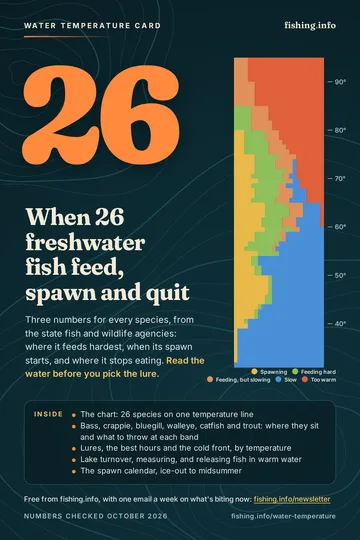
Free card: what 26 species do at your water temperature
Plus one email a week on what's biting now. No sales pitches. Privacy.
When does the moon matter?
Three situations survive the evidence.
The bass spawn. Kevin Story, the Texas Parks and Wildlife biologist on Lake Fork, tracked big-bass catches through the springs of 2003 and 2004. The catch peaked around the full moon while the shallows sat at 61–63 °F (16–17 °C), with a smaller peak at the new moon. The pattern faded once nest depth passed about 65 °F (18 °C). Temperature opens the window; the moon seems to pick the days inside it. That is a spawn effect, not a feeding effect, and it is why the bass spawn guide treats the May full moon as a folk marker that is often right.
Bluegill beds. Biologists at South Carolina’s DNR describe bluegill spawning in bouts every 28 to 30 days once the water passes 70 °F (21 °C), which matches a lunar month. There is no peer-reviewed lunar study for bluegill, and one of those same biologists doubts a scientific basis. What is proven is that colonies spawn in synchronized bouts driven by temperature and day length. Texas A&M puts the start at about 70 °F; North Dakota’s Game and Fish has beds in late May and June near 72 °F (22 °C). The bluegill water temperature guide has the bands and the bed-finding steps.
Tides. In salt water the moon has a mechanism that needs no biology. At full and new moon the sun and moon pull along the same line, and the result is spring tides: a larger range and stronger current. Current moves bait, and bait moves fish. On Gulf reefs, red grouper catches rose near the new moon and tilefish near the full, while red snapper ignored the moon. A 2024 review of 190 studies of open-water species found 51% going deeper as moonlight increased. A bass pond has no tide, and none of that transfers to it.
Which moon phase is best for fishing?
| Phase | What the tables claim | What the studies found | Verdict |
|---|---|---|---|
| New moon (±2–3 days) | One of the two best periods | Trout: no effect. Bass: flat. Muskie: about +5% by day, more at night. Salt: spring tides | Neutral in fresh water; good for muskie and tidal water |
| Waxing to first quarter | Average days | Trout: no effect. Bass: slightly deeper, inconsistently; 49% of trophies across both quarters | Neutral; fish it without a second thought |
| Full moon (±2–3 days) | The other best period | Trout: no effect. Bass: spawn peak at 61–65 °F (16–18 °C). Muskie: about +5% by day, +28% at night. Salt: spring tides | Worth a day in the bass spawn, for muskie after dark, or on a tidal coast |
| Waning to last quarter | Average days | Same as waxing: nothing measurable | Neutral |
| Majors and minors (any phase) | Two 2-hour and two 1-hour windows a day | Trout: no relationship. Manns: 6–12%, unpublished. Hanson: “little predictive value” | Do not move a trip for them; if already out, fish through them |
Read down the verdict column and the answer is short. In a lake or river, no phase is best, with two exceptions: the full moon during a bass spawn at 61–65 °F (16–18 °C), and the full or new moon for big muskie after dark. On the coast the full and new moon matter for the tide they make, and the tide table is the one to read. The worst time to fish is not a phase either. It is the bright, windy day after a cold front, whatever the moon is doing.
How should you pick your day?
When a day off can go anywhere in the month, rank the drivers in this order, the order the evidence supports rather than the one the lore does.
- Start with the water temperature trend. A warming trend beats a stable higher reading after a front, for bass and most warm-water fish. The water temperature guides give the bands per species; the bass bands put the spawn at about 60 °F (16 °C).
- Then pick the light. Dawn, dusk and cloud cover carry the best-supported catch effects for bass, walleye, trout and catfish; the best time of day guide has the species table. Light is where the studies agree; the moon is where they do not.
- Then look for stable weather. Two or three settled days before a front beat the clear, windy day after one. The weather for fishing guide ranks pressure, wind, rain and fronts against the evidence.
- Only then consult the moon, and only for three cases. Bass in the spawn window at 61–65 °F (16–18 °C): favor the full moon and the two or three days around it. Muskie in July and August: full or new moon, and stay out after dark. Bluegill above 70 °F (21 °C): check the beds every two weeks; if they are empty, the next bout is about two weeks away, moon or no moon.
- On the coast, read the tide table, not the phase. Full and new moon give the largest range and the strongest current; plan the trip around the stage of the tide that moves water past your spot.
- If the moon table and the thermometer disagree, believe the thermometer. The trout test found air temperature the only significant predictor across 1,355 hours. A “poor” solunar day with warming water is a better bet than a “best” day after a cold front.
The one fact to take to the water: the majors and minors were built from astronomy in 1936 and have never passed a statistical test against a catch record. The moon does not fish. The fish do, and they are reading the thermometer.
Free download
The water temperature card
Read your water temperature and the card tells you who is spawning, who is feeding and what to throw. 26 species, 16 pages, for your phone and the tackle box.
Plus one email a week on what's biting now. No sales pitches. Privacy.
Related
Section guide
Fishing Weather: What Wind, Cloud, Pressure, Rain and the Moon Really Do to the BiteWhat weather is good for fishing, ranked by the evidence: light and hour first, then temperature trend, wind and cloud, the moon, and last the barometer.
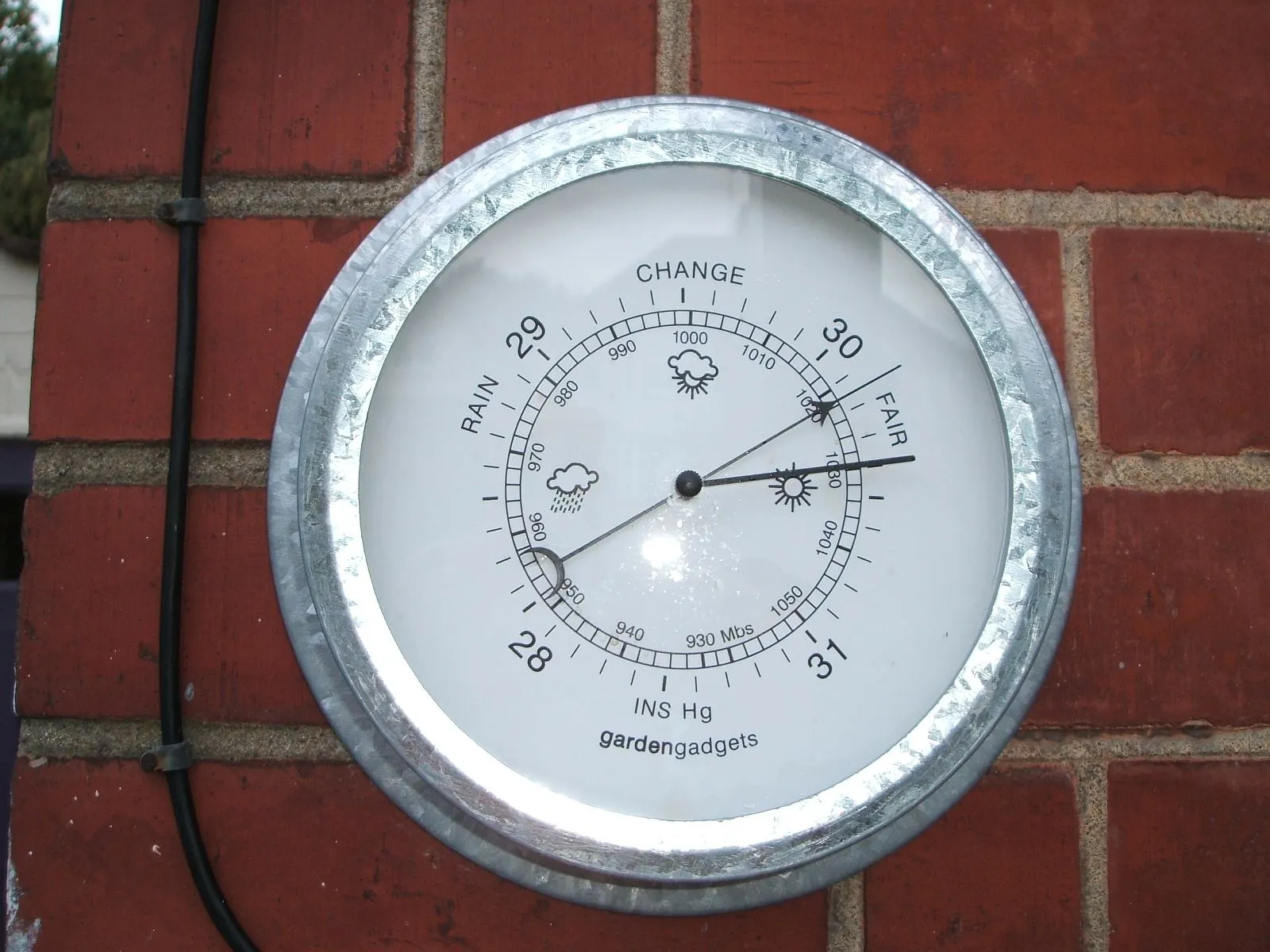 Best Barometric Pressure for Fishing: The Chart Everyone Shares, and What the Studies Say
The chart says 29.70–30.40 inHg is the best barometric pressure for fishing. A whole cold front equals 16 in of water and no study finds a feeding effect.
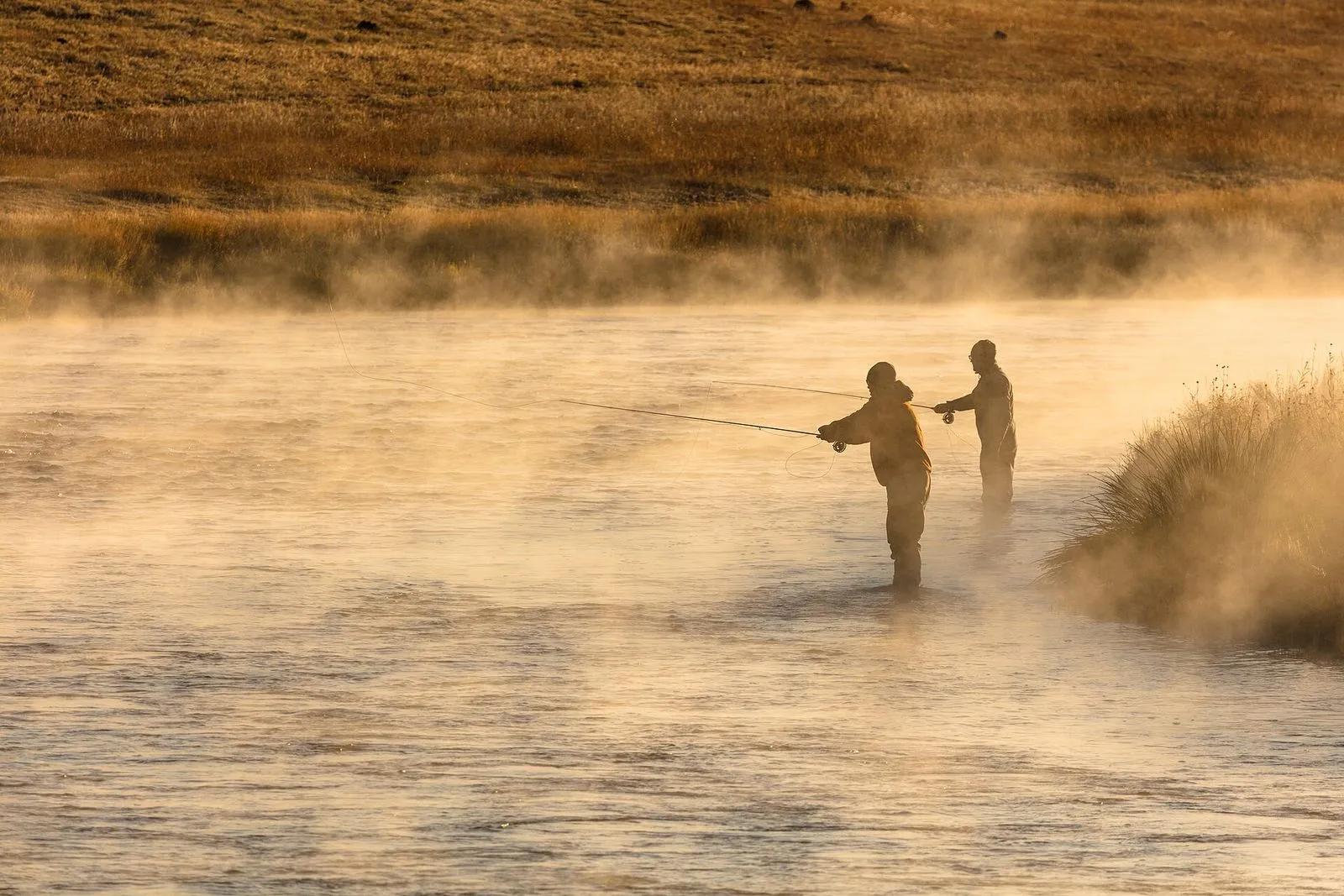 Best Time of Day to Fish: Dawn, Dusk, Midday and Night, Species by Species
Dawn and dusk beat midday for most fish, and catfish, walleye and big brown trout bite after dark. A species-by-species table of when to go.
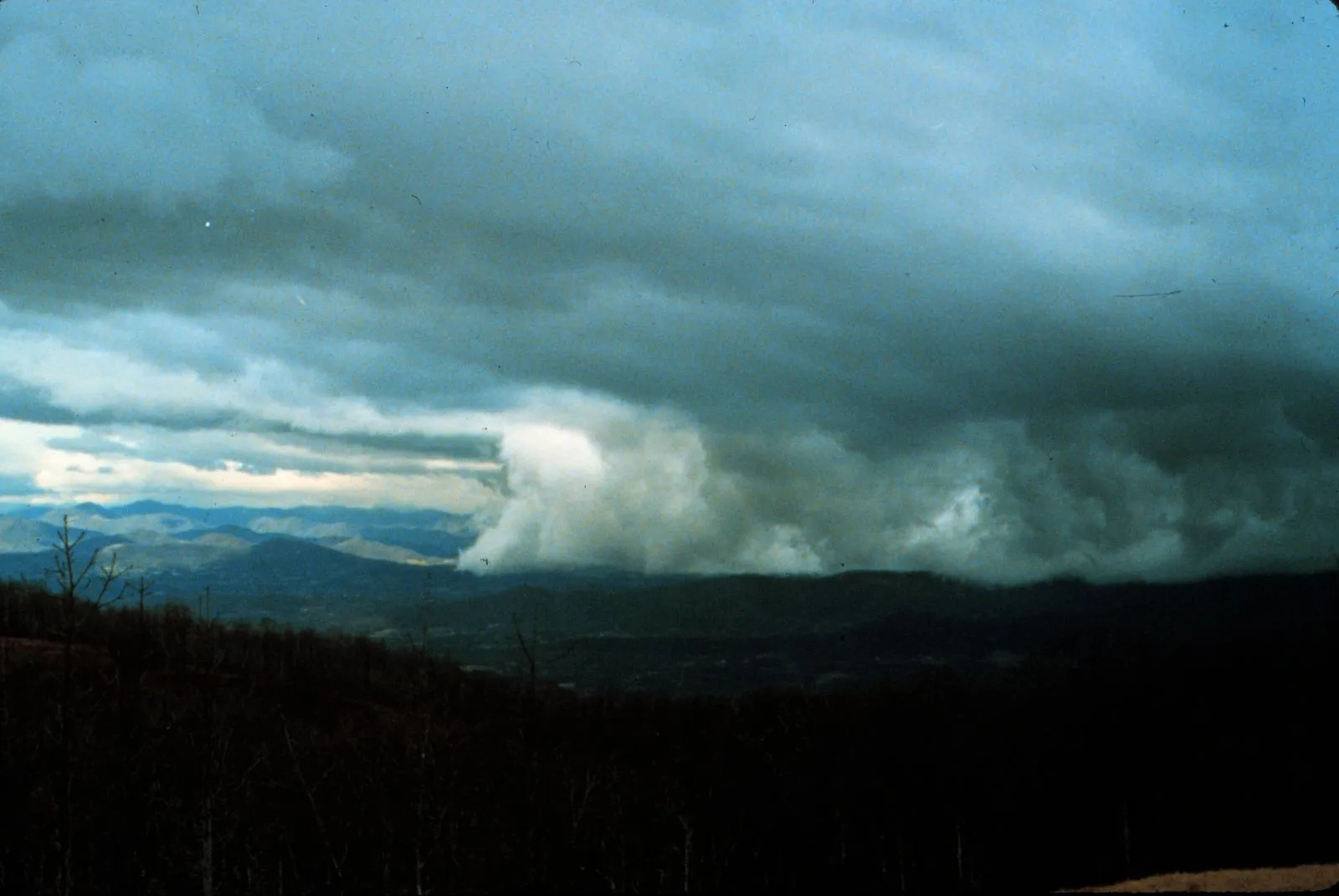 Cold Front Fishing: A Day-by-Day Plan for the Front, the Bluebird Days After, and the Wind
Cold front fishing day by day: the pre-front window, why days 1–2 after run slow, what to change, and when wind helps the bite.
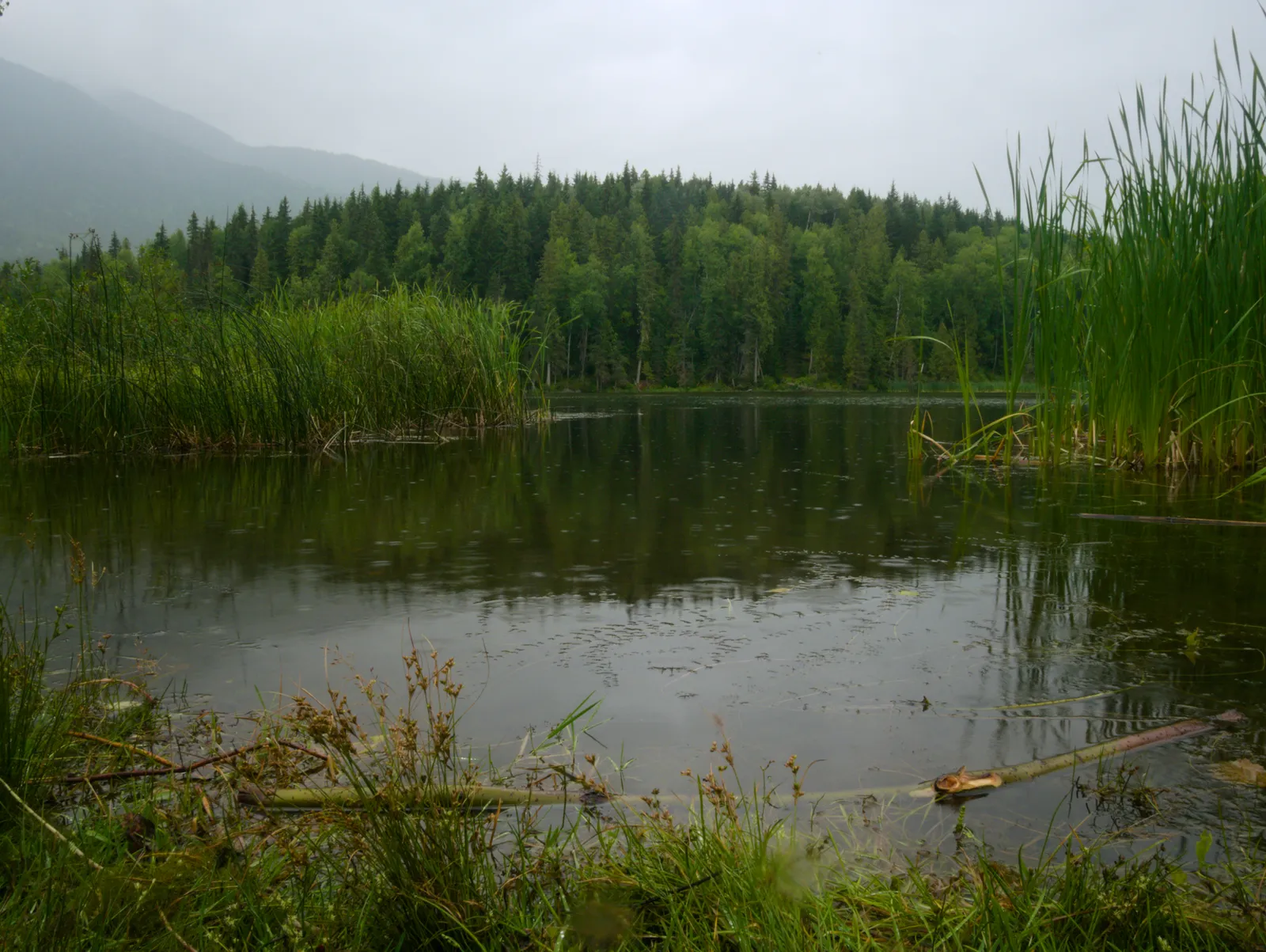 Fishing in the Rain: What Really Improves the Bite Before, During and After a Shower
Fishing in the rain works because of cloud, cooling and runoff, not the drops. Before, during and after a shower, by species, plus the lightning rule.
Sources
- Solunar theory (history of Knight's tables)
- Quigley, Gonzalez Murcia & Kauwe (2023), Solunar tables fail to predict trout fishing success, SN Applied Sciences
- Hanson et al. (2008), Lunar cycles and largemouth bass activity, Fisheries Management and Ecology
- Vinson & Angradi (2014), Muskie Lunacy: does the lunar cycle influence angler catch of muskellunge?, PLOS ONE
- FishingBooker, Solunar fishing calendars (reports Mike Allen's 2010 trophy-bass data)
- In-Fisherman (2014), Solunar Phases and Bass Fishing Results (Kevin Story, Texas Parks and Wildlife)
- In-Fisherman (2015), Understanding Moon Phases (Ralph Manns' logbook)
- Carolina Sportsman (2016), In tune with the June moon (SCDNR biologists on bluegill)
- Cargnelli & Neff (2006), Bluegill nesting synchrony, Journal of Animal Ecology
- Texas A&M AgriLife, Bluegill
- North Dakota Game and Fish, Bluegill spawn
- NOAA Ocean Service, What are spring and neap tides?
- Pulver (2017), Sun, moon and reef fish catch rates, North American Journal of Fisheries Management
- North Carolina Sea Grant, How does the moon phase affect fish? (Andrzejaczek et al. 2024)